

















 AFLEVERING · 26 MIN
Hoe verlaag je verloop in de hospitality
Von Nelson, HR Director bij DoubleTree Hilton in Portland, deelt zijn inzichten over waarom personeelsverloop in de hospitality een grote uitdaging is, welke impact het heeft op de gastervaring en welke rol AI gaat spelen in de toekomst van human resources.
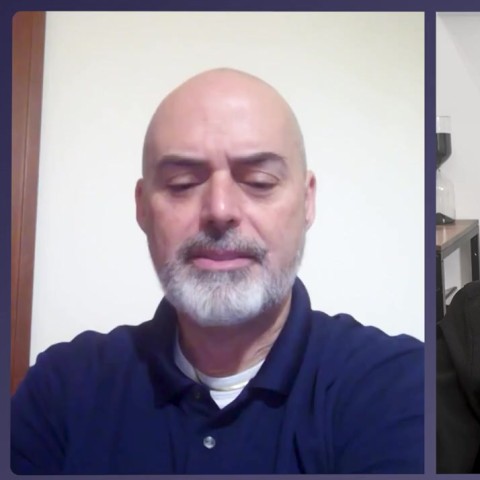 Von NelsonHR Director
Transcript
Klik op een tijdstempel om daar te kijken. De opname is in het Engels.
01:10Can you maybe tell me a little bit more about it?
10
the Future of HospitalitySo if I can then ask, like, turnover in hospitality. That's a big issue, I guess. Right? Yep. Like, why why is turnover so high in in hospitality industry? Can you maybe tell me a little bit more about it? Well, that's my dissertation.
Von NelsonSo that's what my study is. And so a lot of my interviews and science behind it and and investigation discovered that the problem hospitality and turnover is that too often, we're hiring leaders that are good at skills, that are good at, you know, turning numbers in and things like that. But what they're not good at is the soft skills, and that's developing people, creating paths for people to grow, being able to connect with them. And and our and the people that are coming into hospitality now really wanna know the whys, and our leaders don't know how to teach the whys. So what happens is we get them in, new people in, and then they're just told what to do and with no direction and no, like, how to grow, and they don't see a future, and they quit.
Von NelsonSo that's a big thing. And then when COVID came on, of course, then you've got the pressures from the outside world coming in, and the managers are not really teaching them how to deal with those pressures and turnover increases. Turnover increases. Yeah. And is it then that you mean that
the Future of Hospitalityleaders have more of an analytical mindset? They they like to see everything as business and not like making that emotional connection with their staff? Is that what you mean?
Von NelsonExactly. And some of that, if if you ask the manager what's the toughest thing to do or if I turn to him and say, hey. I need you to give a review on an employee. They're like Okay. You know, that should be something great. That should start from day one. You know? And I in the hospitality industry, the most important thing you do is the people you hire. Yeah. And how much time to spend on actually interviewing and getting into the details of why this person wants to work in the industry and finding out a path and a career. Too often, we just stick them in the job. There you go. Off you go. I wanna keep
the Future of HospitalityYeah. Because how does it look like? Can you give me an example? Okay. General manager, he does the interview. Like, what what does it look like? What what is he doing wrong that he should do in the interview, for example?
Von NelsonWell, I've set my hotel up a little bit differently. But what happens in the industry is the manager of that apartment will usually interview that person. Maybe the general manager be involved in it, but usually the manager goes, okay. I need five housekeepers, so I need three front desk agents. Okay? So I put an ad out there. First five people apply. Okay. You're able to come in these hours you work. Here you go. I've got John or Jane gonna teach you. And so what I've done in our hotel is I have actually, in a way to come in, the general manager has to meet. The general manager is gonna give the overall piece and the culture.
Von NelsonI'm involved in the process, kind of selecting the people that would be a great path, and I'm also interviewing the managers and making sure that they're gonna be able to have a a growth path for them. So, you know, and I I I'll sit with my managers and teach them how to do interviews, how to find the right person. And so there's a three part interview process. So we do our due diligence on that part. So that's a little different. So I understand. So you
the Future of Hospitalityyou have, like, a strategic approach to to hiring. And and like I understand from you, like, culture, that's the the why. That's the most important stuff. And if they click with your why, then it makes sense to teach them all kinds of stuff. But if they don't click with the why, then it's kind of a waste, and you you know that it's kind of a a next step will be that they says, I found something else.
Von NelsonYeah. In some of the numbers, I mean, hospitality turnover right now is running around 72 to 76%. Wow. Our hotel is about 52. And, really, we have new leadership that came in the past year that's part of it, but I'm I'm expecting we'll be around 35 to 40 going for next year is our goal. Sounds good. You know? If you ask other, like, hotel managers, gym managers, what's your turnover percent? They're not even gonna know. I mean, I'm being serious. They're not gonna know. I mean, it's just this this sort of this one. Well And so
05:30How can you really bring it over?
8
the Future of HospitalityBut but I think it's like a like, pretty difficult and like, let's say, okay, the general manager comes in, he talks about his wife. I guess if I can say this for most hotels, it's kind of the we are special. We are the best. We the guest is the most important. That's kind of the the why, but with a different kind of flavor. How can you really bring it over? Like like, really be different as a hotel than this hotel than other hotel. Like, let's say I'm I'm coming into the I'm a candidate. Like, how can a general manager convince his wife so soon in the first, yeah, time when to speak?
Von NelsonWell, I I try to you know, our general manager come in, and he's bringing his whys. Not that other general manager's bringing us. I try to dive into whether those whys and why you feel like that. So as long as, like, I can understand it. And HR's piece is being able to do that part, get everybody's buy in to his whys. And we do that through we do orientation. We align our training to his whys, you know, where everybody's got a a name tag on a certain way and a certain reason. I mean, it's just it's like going in the military. You know? You you you gotta indoctrinate them into the whys and get them to understand it. Then we do our ninety day feedback, and that's where we have the employee give us feedback. We don't give them the feedback on what they're doing I see. As much as we're looking at the feedback of what are you getting from us. Do we need to change our growth? We need to change our path for you.
Von NelsonI mean, I've I've played sports for a long time, and I kinda get that sports mentality. And and it's like, I know when I hire somebody, if I've got you for two years, hey. It's a win. So I kinda about what would happen in two years? Do they have a path to grow into leadership? Can I develop them? So I I got my managers that are kinda thinking like that to where, hey. We've got someone maybe a year, two years, and I got three, then it's great. Let's get them on a path where they can grow. And that's part of the whys from the general managers. How can we get our team to grow within our hotel? Nice. Yeah. Without the vision of their own career path, then it's kind of difficult to
the Future of Hospitalitylet them stay. And and what kind of feedback did you hear? I'm kind of curious. Like, what's the most feedback after ninety days? Well, it's not always positive. I'm happy about
Von Nelsonstuff involved in this. And I in HR, I've seen a lot a lot of different things. But a lot of feedback is, you know, thank you. We had an orientation, and and we never had that at our last hotel. We all just sat around. We listened to watch videos. There's someone actually here telling us, you know, how do you deliver hospitality at the front desk? How do you apologize to a guest? I mean, we do role plays and stuff like that. Nice. So people feel like they're part of the experience. Nice. And then we'd ask for feedback. We have feedback re request all a part of our hotel.
the Future of HospitalityCool. So role plays plays a big part, I guess. Yes. Oh, yeah. And and what is your why? Like, why is working at the DoubleTree Hilton different than working at, I don't know, Marriott somewhere else? Can you explain to me a little bit about your ways?
Von NelsonWell, I love the Hilton. I think the Marriott is a bad word for me. But but I love the Hilton. And so I'm just that whole piece and culture of it. And then my my company is called Westmont. It's a it's a company that franchises Hilton. At Westmont Hospitality, and it's a very good company run by some great people. And I selectively chose them just because how how they thought, how they approached people, and things like that. So that's my why and why I'm working for them. As far as in Portland, I'm a southern boy, so I'm not used to this area from the Northwest. And so but I am trying for my dissertation to understand people and why people do what they do in hospitality.
Von NelsonAnd I'm at the Ground center. I'm right downtown, so I see everything.
09:25Can you maybe tell us something about the impact of such a high turnover on the guest…
23
the Future of HospitalityCool. So the the people part is is most important for you and also for the people that you hire, I guess. Yes. Definitely. Nice. Nice. And can you maybe explain a little bit more about it? Because you said that a lot of general managers don't even know what their turnover rate is. Can you maybe tell us something about the the impact of such a high turnover on the guest experience, for example?
Von NelsonWell, you're always when you have a high turnover in '70, then during COVID, we were up at a 100 and forties as far as hotel industry wise and and hospitality. And, you know, what happens to guest experiences, the guests are constantly having to deal with someone new that doesn't know, doesn't have an answer. Hold on. Let me get the general. So they deal with that. And then there's no empathy when it comes to the employees. So it's more like, okay. Well, here's the it's almost like a transaction. Check-in. There you go. Yeah. Nothing else. There's no feeling. And hospitality is how you make people feel. I agree. And that's the piece that's missing whenever you're doing a lot of the transitional turnover constantly.
the Future of HospitalitySo, basically, you say that the moment somebody is not, like, working there for a long time and he doesn't know the whole processes and how to answer, like, what his gut feeling because he still has to think about it, then it's hard for him to make an emotional connection because he's still in it rational, how how should I do and what should I do? Yeah. That that makes it, for the guest experience, less emotional instead of people working there for a long time.
Von NelsonYeah. And there's such a competition between hotels and restaurants to restaurants, hotels to hotels. It's that extra that guests get. So I could check into a Marriott right down the street, same price, same thing, or I can check Hilton, same same thing. But what makes the difference is the people and the extra service that I give you by my smile For sure. My passion, and just all that extra pieces. And that's what hospitality is, going beyond. I totally agree. It's for sure what makes a difference.
the Future of HospitalityAnd if we talk about leadership, like, I know that you said a little bit about it, like creating a strong culture, the why. But what I see most of the times, not only in hospitality, but also outside of it, in the beginning when somebody just onboarded, they talk about the why, they see all the videos, they do the role play, everything is great. But then when it's there for a few months, it's like, okay. Now we figured it out. The why doesn't matter anymore or less, and you're not one of us. And, yeah, basically, that's it. So what I want to say with this is that companies tend to invest a lot in new people, but way less in existing people.
the Future of HospitalityHow do you look at the the point?
Von NelsonWell, that's again, you know, the HR teams that are involved in the hotel are actually be that middle person that's kinda keeping the employee engaged, sitting and speaking with them. And and then the ones that have been here longer, you know, we have care rallies for Hilton. And we we just had one last week. We're celebrating everybody's long term or anybody's stay longer and things like that, celebrating their families. Thanksgiving for us is coming up very soon. So we have a Thanksgiving party for the team. And so everybody feels like it's part of a family. And that and that's the big thing that I learned in hospitality traveling the world, that hospitality has been given by the family. Whether I'm in visiting a Saudi family and I'm sitting down with them to eat, and and they're sharing tea. And and it's it's done from the family, or it's in China, or it's in it's, you know, in Japan. Everything is done with rituals and purposes, and everything has a part. And as said, the whole family is part of that. So culture. That's the nicely nicely said. Loaded part.
the Future of HospitalityAnd I think, just my own opinion, is that it's very hard, like one of the reasons why there's such a high turnover in hospitality is because as somebody that works in hospitality, always have to be with a mindset that you have to give something. You have to give. You have to give. You have to smile. You have to be positive. You have to even if they complain, you should not be, like, be angry at them, although you want. And that's, like, emotionally very, very, like, heavy on yourself. Like, always be positive. And how long can you can you be like that? For how long? Like, isn't it something that you also feel or your people feel?
Von NelsonWell, that's why it's most important for the people you hire. And it's all about the words that people that people use. And I'm I'm a behaviorist by background. So when I'm asking questions, I'll ask one of the first question I ask is what's the most important part of the uniform if you had to wear one? And most and I'd say nine out of 10 will say the name tag, your proper shoes, and but the answer is they're smart. So we look for behavioral characteristics in people that really have that peace. And then we'll ask them, you know, what do you like about the hospitality industry? Why would you wanna even come do this? Yeah. And kinda see where does that come from? Where did you learn hospitality growing up? And and so we kinda dive into those things. And so we're trying to find the right person that is not gonna start getting tired when they're standing on their feet. You see what I'm saying? So we're looking for that first, and that it's really giving something from the heart instead of having to pull something out of them, you you know, when Exactly. So if they don't have the incentive,
the Future of Hospitalitylike like, deep down here, then it won't work.
Von NelsonIt'd be that's easy. So that's what we're doing. It's not that, you know, we're saying you can't be that, but that's that's our first kind of what we're looking for. And you can teach that in people. But at the end of the day, you know, if you don't have it in the heart already, hospitality. Yeah. And and not everybody's meant for that. Other people are meant to be lawyers. I mean I agree. You
the Future of Hospitalityknow? So it's okay. Same with soccer and football, I guess. If you don't have it here It's fun. You can you can try. You can you can do whatever you want, but it's not the same.
Von NelsonExactly. You know? And the funny thing is because when I first went to Saudi, I played American football. And this is in one one of my books. And so when I went over there, the Brit guy that was driving and said, yo, yeah. We got soccer. Show up. And so I showed up no. No. We got football. Show up. And so I showed up the field, and I was like, what are these kids with this? What are they doing? He goes, oh, that's hard hard football. And I was like, what? And so they stuck me out there, and, of course, I'm the only American out there, and I'm sitting in front of tackle kids and knock them over. Okay. You're a goalie. It's Yep.
Von NelsonIt's my whole career with the goalie, and, you know, and I even played, you know, semi professional. I can't make states, and it was it's good. It was good. I enjoyed it. You know what they say about goalies. Right? Yeah. What is that? What what do y'all say about the goalies? They're a little bit crazy. Yeah. I would say because I I'm telling you, because most of the Saudi kids were afraid of me. So they wouldn't even come near me. And I was in goal, I'm gonna scare them. And so, yes, I would say that very much so. That's true. But that's to your point. I mean, not everybody's crazy in the goalie.
Von NelsonYou know? Other people are strikers and forwards and defenders, and so it's okay. Yeah. Exactly.
the Future of HospitalityExactly. And if we talk a little bit about the future of of HR and hospitality, what do you think, for example, of course, now with upcoming AI, artificial intelligence assistance? There are a lot of tasks, what I think, in hospitality that can be done by by somebody else, not by people. How do you look at, like like, what what role HI or AI have in hospitality in regards to replacing or complementing people?
Von NelsonWell, it's a touchy subject for me. So, you know, being in hospitality and being in HR, and it's about the heart and the peace that I just don't and and, of course, I do a lot. I I do a lot. ChatPT is good for just writing up documents and things like that. But when it comes to really interviewing people, onboarding people, I don't know. And and I I'm just not there yet because you can't really teach and connect with someone on how they feel because there's just so many different algorithms that would have to populate into it. And there's also that person, you know, and I've dealt with robots and bots from AI and, you know, trying to get interviewed or get connected with people, and then I'm like, this is not working for me because I'm not feeling that, and that's what's missing.
Von NelsonAnd then the other thing and my biggest fear is that managers, when we hire when we have a manager, front let's say, office manager, and he's wanting to hire someone, he goes, oh, I'm not gonna do it. I'm gonna just let the AI do it. And that's my fear because what happens is they do not get connected with a team member. They lose that connection. And so when you're bringing them on board, you don't have that first community, you know, community connection between them and you can't build a relationship. You know? And then they're gonna turn to, hey, let's do reviews on AI. Well, there you go. That just takes another thing away. And then managers then eventually, why even have a manager?
Von NelsonYou know? Yeah. I know what you're saying. Why would when I why would I even need all that? And so that's the part that I just I'm not very comfortable with. And because people really need other people as part of what our needs are.
the Future of HospitalityI agree. And so So you basically say that if I can summarize this, this that the the the reason should be for using AI is to let people let them have more time to connect with people and to make this emotional connection. As long as AI is doing that part, then it won't work because they are not here to make that emotional connection. And as long as you do everything else, for the people that work in a hotel to have more time to make an emotional connection with the guests, then I think you're kind of comfortable with with AI.
Von NelsonYeah. And here's a here's a base example. A long time ago, when I was growing up, you were given a math problem, five times five. Yeah. You had to write it out. You know what I'm saying? You had to learn it. Nowadays, kids are given calculators or computers. And so the basic of just understanding that part of the calculation is gone. And that's what I'm fearful of managers now using AI. So Yeah. Not not thinking anymore. Just AI,
the Future of Hospitalityeverything is AI. Yeah. How are you doing AI? Yeah. Everything will be AI. Yeah. That's that's kind of a scary feature in the future. But, yeah, we'll see. Yep. Let me let me think. So how do you think if if you do think about, okay, something because something will happen right with technology. It's not that it will stay like this. Like, in ten years from now, something will change. How do you see, like, the balance between like, the ideal balance in your point of view between human and technology? How does it how how does it look like?
Von NelsonWell, I mean, instance, I write. I'm I'm doing a lot of writing in my dissertation and stuff like that. And so a lot of it, I'll I'll just speak into, like, a microphone, and I'll write all my words, and I'll say, organize what I just said. And it'll organize everything perfectly. It was better than if I could have done it. And so, I mean, there's some things with AI that really do help and that I'm okay with. But, again, the people side of it, the connection to people, I'm not. But if you're using a tool for the good, you know, and a good reason, you have a good then I'm fine with it. So I think in the future moving down, things are gonna move forward to that. I understand that's part of growth. You know? I mean, you know, when I was growing up, we didn't have cell phones. You know what I'm saying? Just part of growth. Exactly. You know? So and I'm okay with that. I'm not gonna push that away, but I think that we just need to stay focused and not just replace the real intention of connections with people.
21:40How do you think I don't know any AI, but technology, how do you think it can help them?
6
the Future of HospitalityThat's true for sure. But can you for let's say, okay. Writing, that's one thing. But let's say I'm a customer facing, guest facing professional, and I work at the front desk or whatever. How do you think I I don't know any AI, but technology, how do you think it can help them? And how will the balance be between technology and and those people?
Von NelsonWell, I I would I would say that if you went around and asked people if they'd rather deal with a person in computer AI, I'm a I'm a I'm willing to go out of debt, you know, without pulling the science on you that most people would say they'd rather deal with with a guest, with a person instead of the computer. But I I do see some things. I see it in restaurants now where they'll have a bus or walk, pulling around, pulling trays, and doing that kind of stuff. I see that. I mean, things like that. Maybe you're still talking to the person, but the person is, you know, talking to them face to face, and then the recording is putting into the and it's populating on the computer of what rooms are gonna be booked in and things like that. You know, I can see something like that assisting.
Von NelsonI mean, there's a whole bunch of ideas that we can go around with assisting with them, but and I'm not, like, one to just reject and turn down. I think we have to kinda think about it along this line. And if I had a hotel, if a hotel next door and I was in competition and they were full AI, I would be like, okay. Well, that's fine. That's you. I would focus more on the interpersonal connections, and that would be my marketing.
the Future of HospitalityAnd I'm telling you, it's gonna come could be something because they would not wanna deal with that, you know. I understand. But but for example, okay, I I get your point just want to trigger you a little bit to see if can get something out of here. Let's say, check-in. Do you prefer digital check-in or check-in on with the front desk?
Von NelsonWell, Hilton does a digital check-in. Okay. What do you prefer? When you For example can check-in with your phone and go to your room and go already go in. And and sometimes that's a win because I know there's some people out there that want that and give people an option. I say that's the best way to deal with it. Give people an option. And that wouldn't be the win because a lot of times my wife is just showing up. Her hair's all messed up. She didn't wanna go to the front desk talking about she. Yeah. So that's that's a win. So I'm fine with that. I mean, maybe maybe instead of having four agents on duty, you only have one or two.
the Future of HospitalityYou know what I'm saying? And in the in the rest direct, just AI models that can take care to give people options. That's a good point. Think giving people an option because like you like we said, people have different personalities, of course. You are a goalie, crazy people, and other people. So maybe the let's say, the crazy people who want to, you know, connect with people or a different way, it doesn't matter. Other people want to do it digital. Yeah. Maybe down the road, things have changed, and those people that need people don't are not there. Exactly. And they have robots checking in for their own rooms. I don't know. Yeah. Right. Yeah. We never know what's gonna happen until it happens.
24:40What do you see as the future of hospitality?
4
the Future of HospitalityCool. And in general, if I can just talk in general, not about HR. What do you see as the the future of hospitality? What is the your opinion, like, where is it going to?
Von NelsonWell, you know, I I I was on a big debate in LinkedIn about HR and AI even taking over HR, and and then there was another about HR is not the middleman and doesn't really care about the company. So that's my biggest view. There's a lot of people that are coming into HR are coming in ill equipped to kinda take care of employees, to take care of our you know, we call them internal guests, take care of them in a way that they feel that they're growing. So that's my concern in HR right now is that we're just hiring people on just to fulfill a void and throw something in the department that are not Yeah. They're not set up for success.
Von NelsonAnd everybody's different. I mean, they're they're people bring invent new problems every single day that I see. You know? And it's kinda it's kinda like the old David Letterman, like, top 10 reasons to call out or something like that. Yeah. They keep growing from me, you know, but and and that's fine. You know? But I think that in HR, the big thing is just there needs to be some kind of training for people kind that they can learn to kinda connect and understand other people. So Yeah. I think that's a good point. Same as like you're going to a psychologist,
the Future of Hospitalityyou cannot say that you will replace with an AI psychologist because it's not about what he says, but how he says it, and when he says it, and the emotional connection, eye eye contact, that those kind of things. And I think that's what you mean also with HR. It's about that emotional stuff, not the