
















 EPISODE · 32 MIN
Reposition with the exit in mind: a Barcelona case
Emmanuel Dissez and Dario Filippone join Inside Hotel Asset Management to break down the five-year repositioning of the Grand Hotel Central in Barcelona. From taking the hotel to direct operations to moving RGI from 64 to 108, this episode explores how to build value with the exit in mind from day one.
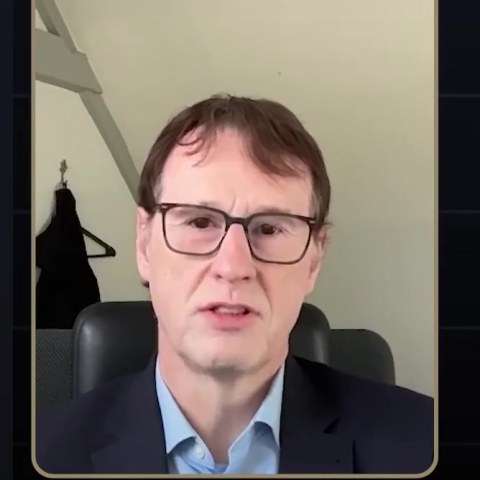 Emmanuel Dissez
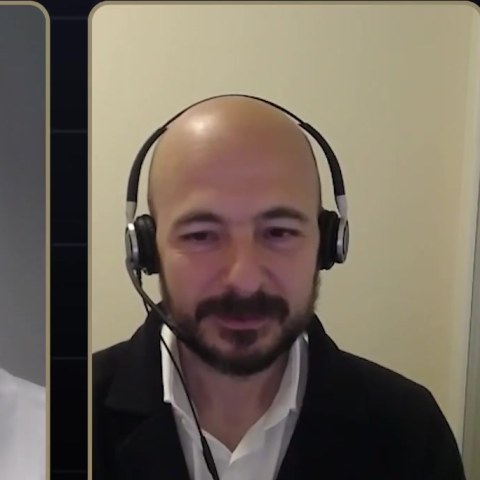 Dario Filippone
KEY TAKEAWAYS
Exit from day one
building the plan around a defined hold period kept the team fast and focused, and the five-year story became a sale.
Flexibility is value
choosing not to attach a global brand left the next owner room to decide, and that optionality is worth paying for.
Direct operations
moving from a management contract to operating the hotel directly gave the asset manager control over the repositioning.
Numbers are always late
hotels show problems before the spreadsheet, so a great asset manager reads the operation, not just the P&L.
A good asset manager understands the number. A great one understands what is behind it.
Transcript
Click a timecode to watch from that moment.
00:07Welcome and the case study
19
Alright. Welcome to Inside Hotel Asset Management. This is a Future of Hospitality podcast. So in this series, we are exploring the world of Hotel Asset Management through real real case studies. And they're being brought by you by industry leaders. So Hotel Asset Management is all about value.
So and value creation. So today we're going to talk about the Grand Hotel Central Barcelona in Spain. So we are going to hear from the Schroders Capital team. So they have implemented a very smart repositioning strategy. And by doing that, they not only set up the hotel for long term growth, but they also prepared it for the exit or for the sale. So maybe a quick reminder for everyone.
So in a hotel, you would usually see three entities. So the owner, who would have like an asset manager, someone who manages the investment, the operator and the brand. Some of these entities can be you know, one in the same company. We'll talk about that later as well. So, my name is Luc Bosmans. I work for Red Sea Global based in Riyadh in Saudi Arabia.
And, today we will be hearing from Emmanuel D'Ise and Dario Filippone from Shraddlers.
01:34Meet Emmanuel and Dario
12
Gentlemen, please introduce yourselves. Emmanuel, would you like to start? Head of asset management for Shraddlers Hotels. I look after a portfolio of 45 hotels in nine different countries worth €3,600,000,000. Fantastic. So Dario, please.
Yep. My name is Dario Filippone. I'm one of the asset managers of shareholders, capital. I I'm in charge of, six assets, located between, Poland and and Spain. So, yes, I travel a lot. And, and I work with Emmanuel now for quite a long time, and, we are involved in this specific asset of, the Ronda Del Central in Barcelona.
02:35How they came into asset management
32
Great. So maybe question for Emmanuel. So, Emmanuel, how did you become involved in hotel asset management? How did that happen? Honestly, nobody starts a career saying, I want to be a hotel asset manager. Correct.
And I think my path was really accidental. I started in operations as an analyst, at the InterContinental in Berlin in the early nineties. Then I moved into finance as an accountant at the, at the time, Churchill InterContinental in London. Now it's a Hyatt. And that combination, operations on one side and financial discipline on the other, became really the foundation of my career. From there, I moved into my first proper asset management role with IHG in The UK, and then I worked for owners of Hilton Hotels.
And step by step, I really learned the tricks of understanding both how hotels works on the operation side, and what are the key objectives of owners, and what do you do to value and to maximize the value of a portfolio. So I suppose I'm the living proof that there isn't one single path into asset management. You can come from operations, finance, development, revenue management. What matters is learning to connect the hotel's operations reality with the owner's financial objectives. Okay. Thank you, Emmanuel.
What about you, Dario? Well, you know, similar to Emmanuel, it really happens, by by by chance. Actually, I after some initial operational experience, I moved into strategic consultancy. And, at that time, actually, was, past the great financial crisis of two thousand and eight. And And I was in Africa, and, I was consulting for owners around the continent for establishing new new hotels. And and and some asset management assignment started to to come, because clearly, the the the owners needed to reshuffle or reformulate their strategy after that crisis crisis and implement it.
And, well, this is how we started. I I had the chance to to asset manage, initially, an asset in the Mauritius, then another one in Cape Town. And then a little by little, I I I grew, you know, in that, in that sense. And then then I was I was called by by by Gerardus, and, and and and I started, you know, doing it, with Emmanuel. Great. Thank you.
So I was really fascinated, you know, to to to read about what you guys did at the Grand Hotel Central in Barcelona. So, yeah, I would like to hear more about it.
05:43The Grand Hotel Central Barcelona
22
So, Emmanuel, would you like to, you know, explain us a little bit what you guys have done there? Why why you've done that? And then we can go into a little bit more detail with Dario. Sure. Sure. I'll give a quick introduction.
And then Dario, who has been looking after these assets since these assets since 2021, is is the specialist of of this hotel. Basically, we're talking about the Grand Hotel Centro in Barcelona. It's a 146 bedroom hotel located in the Gothic district of Barcelona. It's a beautiful building. It has three food and beverage outlets, and we acquired it at the end of twenty twenty one. We spent a bit more than €8,000,000 to fully refurbish it, reposition it.
We went from a classic hotel management contract to direct operations, and Dario will tell you much more about that. And we basically grew the RGI from 64 in 2022 to 108 in 2026. Wow. This is such a successful story that we are already selling the hotel at the moment because the first chapter of the story has been successfully written. Great. And maybe just, you know, for, you know, if we have listeners who, you know, don't know that much about hotel asset management.
So RGI is the Revenue Generation Index. That's what we use to compare rooms revenues amongst other hotels. Right? To see whether we're doing well.
07:13A business hotel in a leisure city
34
So this is this is a clear example that there has been, you know, quite quite a big success. Dario, would you like to give a bit more, you know, details about the plan? Yeah. Absolutely. Listen, This this this hotel, it's, it's it's it's really a great story in the sense that when we first looked at it, this hotel was kind of positioned in the entry level of the five star, maybe higher four star, if you can put it this way, upper scale. And what what was kind of surprising for us was the fact that although it is in the very city center of Barcelona, it seemed to be more focused on business rather than leisure with these rooms that had the big, desks.
The colors were kind of stark and darks. And when we looked at it, you know, we saw a hotel that could have much potential to actually increase the share of the leisure clientele, which is the one that allows you to increase also the ADR and the performance of of Dutel. And then, when we passed through the acquisition period that has been very quick because of the transaction dynamic, we got into the real life of this hotel. And we had some initial issue because we actually we had to rethink a little bit at the business plan because some of the market conditions were changed. The owners were probably asking higher value at that time and we have been very quick at reshaping the business plan and, defined or redefined the scope of work, for for this attempt. So, very interesting interesting, we we we changed the the the the scope of work.
And, you know, after a few years, it was definitely the good decision to take. We have redecorated the rooms, changed completely the F and B offer. One restaurant is completely redone and new. We have soft touched some of the of the common area. And, you know, we have repositioned the hotel from a marketing standpoint towards a more lifestyle, joyful, type of hotel, again, to cater for this leisure leisure, clientele. Okay.
Yeah. Interesting. Fascinating. I mean, it's it's it's kind of, yeah, amazing that, you know, you you would you find a hotel like this, which in in a city with so many tourist attractions and such a such a, you know, great business mix with a lot of leisure travelers and, you know, finding an an, such a centrally located hotel, but actually equipped for business travelers. That's that's that's that's that's Yeah. It was it was surprising to us.
Actually, the the biggest surprise, I think, it was the first time that I enter to the hotel. And I see that it was much more beautiful in, in real life than in the pictures, you know. Like, you know, sometimes you always see these hotels try to oversell or overpromise through the web. And in this case, for us, was kind of the opposite to say, no. No. But this hotel is so beautiful.
It's so great. So we we we need to give justice, you know, to this beauty, to of this building and do something very, very nice. That's good. And then you you decided not to, rebrand in terms of, you know, linking the hotel to an international brand.
11:22Why they chose not to rebrand
12
You know? What was the thinking behind that? Listen. The the the strategy was clear from the beginning that, you know, we were not necessarily there for the next thirty years. Okay? You know, we had a clear strategy with the with our investors that we wanted to extract some of the value.
And a part of of the remaining value should have been shared with future owners. Okay? And as a result, we we we thought that it was best also thanks to internal capabilities basically to operate the hotel ourselves so that we could give the flexibility to future owners to decide, you know, which type of brands, you know, potential, repositioning, you know, and and and this flexibility as a value, for investors that at the end of the day, it's it's very, very interesting and, and valuable. And this is why we decided not to use, you know, or to to rebrand the property with an international renowned brand. Although, we know that there is quite a lot of interest, of course, to manage and brand hotel in this location in in Barcelona. So by taking the decision not to sign a long term management agreement with, you know, well, no international brand or a franchise agreement, you were actually already thinking about, you know, what, you know, in our graph here would be that the last phase to the exit.
13:05Investment thesis and timeline
10
Right? Yes. This is very critical in asset management. Luke, you know, it's important to have a clear investment thesis and time line, for whichever target you want to achieve. The the the targets can be very different in asset management depending on the on the capital that is behind the investments. And we, as asset managers, need to make sure that, we deliver on investors' expectations.
You know, and, and and that, it was clear for us since the beginning again that the time line and the time horizons was not indefinite. Mhmm. And therefore, you know, we had to study the step by steps to achieve the best results possible for our investors. Okay.
14:06The hardest part of the plan
16
And so within the whole plan you came up with and implemented, what was the most difficult part of that whole plan? I I would say that the most difficult part was to, manage at the same time all the complexities of this investment, which was, like, the definition and implementation of the works, its timing, the ongoing operations at the same time, the repositioning without a big brand that, of course, facilitate, you know, the the such marketing rebranding, you know, working at the same time in derisking the asset that was managed by a local operator and and naturally, you know, doesn't abide to the international operators, let's say, policies. So it it was it was very, very critical. Also, for example, we had to relaunch relaunch, FNB, FNB outlets, change of key personnel. So doing all of these at the same time is extremely complex, and, you have high risk of things going wrong. Because if one of these pieces, doesn't fit with the rest, then you you really risk to undermine the overall the overall strategy.
That's a good point. So so what do you think you know, which part of the plan had really the biggest impact? What was the, you know, which was the most defining? Yeah. We love to to believe that it's us. But but, of course Yeah.
But, of course, you know, you know, that then the reality is that, you know, capital deployment, is definitely a key element to be able to achieve and to extract the value of, of the asset. Definitely, you know, being able to have the right personnel around, so the personnel on-site, the people in the asset management, team. So this alignment that Emmanuel was commenting in his definitely the key to achieve the results in a orderly and and and quick manner, I would say. So, you know, it it it is many things at the same time, but definitely people and capital are are definitely the two things that, can, can make the magic happen.
16:44Keeping the exit in mind
19
Yeah. People and capital. And it is another point Yes, Roni. I may. Just another point on that. I think what made this project particularly successful is the cadence, we went through.
When you think that we bought in late twenty one and we're selling in early twenty six, that's, barely five years. And one of the key success of this particular project is that we had, all the time, the exit in mind. We were able to go fast and to target exactly what would would would what we wanted to target from day one. Hence, we are where we are because, you know, we started immediately with that mind spirit, that mind frame into we want to go fast, this is what we want to do, and we're just going to do it. Sometimes you lose track a little bit. If you are not that focused, you know, time goes very, very fast.
You lose the end objectives, and you waste time. On this particular project, we were very successful at keeping the the cadence and all the time having the exit in mind. Is the five years, is that like a typical hold period for, shareholders capital, or is it or does it depend on No. It tends to I mean, it depends. We work with lots of different, owners and and and investors. We do work with private equity.
Private equity is even faster than that.
18:21Hold periods and cadence
45
We've done sometimes hotels that we care for less than three years. We we are Sorry. Sometimes less than three months. Right. We had a we had a case indeed where we kept a hotel for less than three months. But I I would say that, generally speaking, our our time horizon is about five to seven years, sometimes much, much longer when we work with big institutions.
So five years is on the faster side. And what's striking is, what we highlighted at the very beginning, is the successful story within five years. It's just not an okay story. It's a fantastic story within five years. And that's actually the challenge. Great.
Is there anything you say now, you know, maybe this or that we could have done differently? Or you know, looking back at the whole repositioning, strategy you had? Listen. Probably, I I would have improved, the initial technical due diligence. You know, probably spending a little bit more of time in that investigating, you know, the asset. Probably, you know, we could have spent a little bit more of time at the beginning in the consolidation of the documentation, you know.
But, you know, these things had been driven by the the speed, you know, of the acquisition that, again, was was very high because of the transaction dynamics that we had at that time. But, beside that, I I believe that the the the story and the and the asset management initiatives were the right one and at the right time as Emmanuel commented. Okay. And so so how would you then, you know, measure the success of such a strategy? I mean, Emmanuel mentioned, you know, the RGI in the beginning. So market share, which is a clear indication that we are that, you know, with your your hotel, you are you are gaining market share from the competitors.
Is you know, are there any other indicators you look at? Yeah. Absolutely. I mean, please don't get it now. You're going to some some details. But for me, and without disclosing any numbers, the difference between how much we bought for and how much we're going to sell for is definitely the biggest success that we have without going into details.
Yeah. No. No. Definitely. So so I understand, you know, the the hotel is currently on the market. So you're, you know, you're preparing the exit.
You're you're already advanced. And so this is gonna be very interesting, of course, for for for your whole team to see, okay, what is now, you know, how are we gonna be able to to, you know, to to to reap the results of, of this whole strategy of this, you know, five years of working on this project. So it's good. Absolutely. Yeah. Absolutely.
Clearly, you know, that is the ultimate, you know, measure of success. This is what our investors and coinvestors are are judging us on. But, let's say that, you know, in order to achieve to that ultimate goal, it's important to set the different, let's say, KPIs that helps you during, you know, the implementation of the asset management initiative that lead eventually to the increasing value of the asset.
21:39Measuring success and NOI
29
So, you know, the most important, it's the net operating income of the hotel, how you make it grow. Okay? And then you ask about how how you make it grow. Then it's basically, an increase in revenues driven by the change of the segmentation mix, that you have, the increase in prices, increase in volume, the repositioning of the F and B outlets. For example, one of the outlet is now Michelin Guide recommended, which is, you know, quite quite interesting for a restaurant in a hotel. And this improved the overall experience of the clients staying in the bedrooms, which eventually leads to a higher, average rate.
You know, another another key point for me is how you are able to, let's say, derisk the assets so that the new buyer has a clear framework, a clear, idea of what it remains to do to extract, you know, the value that's, that is still in the property. And and and that it's it's a key measure of of success. So when when you move from a a technical or legal due diligence that is, I don't know, many pages long Mhmm. And then at the end of the process, it's focused on just few items, that that that is a a key measure of success because you have prepared indeed the assets for, you know, the next, buyer so that he has a easier life. Got it. Yeah.
So no. I can really feel, you know, what you guys are saying, you know, how, focused you are on, you know, this, you know, preparing the assets for the next buyer. Make sure, you know, he has still, you know, some upside. Absolutely. But in the meantime, that the sale will go, you know, in in easily as well. So that's that's that's that's good.
Yeah. That's that's the key. Yeah. So no. Congratulations. I mean, fantastic.
Very nice, very nice case study. Very, very good, very good job. Maybe in general, you know, so few few more questions before we close. So what do you think? You know, what what do you think?
24:30Good versus great asset managers
20
What makes an asset a good asset manager great? So what will be the difference between a good asset manager and a great one? Well, the the difference is smaller than people think, but it's actually also bigger than most people think. A good asset manager understands the number. A great asset manager understands what's behind the number. Good asset managers can read the p and l, challenge a budget, monitor RevPar, GOP, cash flow, etcetera.
That's the technical foundation. That's the minimum you need to be able to do. But a great asset manager knows that the numbers are always late. Let me explain. Hotel show problems before the spreadsheet. Weak pricing discipline, GM spending time on the wrong battles, a CapEx project that's improving the product but not the value.
That difference, that's the judgment. A good asset manager will report performance. A great asset manager like Dario will convert the performance into decision. What do we change? Who decides by when? What happens if we do nothing?
Etcetera. And the best asset manager can speak both the languages of the operator, of the hotel manager, and the capital language of the owner.
25:54Translating the detail for investors
22
I fully agree. Yeah. Dario, you you wanna add something? I mean, Manuel is is a clear view of what is a great, asset manager. If I if I had to add something, I would say that, you know, a great asset manager is also somebody that is able to, absorb, chew, digest all these operational issues that we have been commenting with Emmanuel and and translate it into a language that an investors that sometimes says no information, no knowledge on the industry is able to understand. That that is also, you know, a key characteristic for me for an asset manager.
You know, many of the investors in the industry, they're not really interested in understanding whether the shrimp shall be served in one way or another or, you know, whatever operational issues. And but at the end of the day, that net operating income comes from that detail. So the ability or the greatness of the asset manager is to really take all these operational, financial, legal compliance issues and to be able to explain a very clear, terms, to somebody that has nothing to do with this with this detail and able to convince them and get them on board and make them understand that this industry is probably one of the best in the world. Very well said. Very good, Dario. Thank you.
So, you know, in my role, I'm also in charge of our, you know, training plan for our junior, colleagues. And, you know, we have around 10 people in our team who are really interested in learning more about total asset management. And that's one of the reasons why I do this podcast because I think it's great content for them. So, what would you, are there any recommendations or any, is there any advice you can give to young people who say, you know, I would love to become a hotel asset manager? What would you tell them? I would say that that would be, first of all, a great decision, you know, for somebody who is willing to become an asset manager.
And the the the nice part is that, there is no preset path to become one. I would say that, they need to understand how to be street smart, and then have a very multidisciplinary, approach. So learning the operations, learning the finance, learning the investment side, the brokerage, you know, you know, the broader is is your understanding of the industry. Possibly, the more successful you are going to be in the role because you will understand, the different, let's say, angles, of different investors, operators, people on on on on, on the in operations, banks involved.
29:28Advice for new asset managers
28
So, that that that would be my my advice would be, great idea. Start, with whatever you want. Move to other, you know, roles. Learn as much as possible, and and that that would be the way you can become a a great asset manager. If I if I may add sorry. I I think you need also to be very ready to handle uncertainty, being able to change, the plans.
If if you if you understand that something is not going as as planned, you must be focused or sometimes obsessed with the value creation. You know, that that that is is is the key. Our job is really to create value and, you know, as as you said, look, there are several ways of creating value. And, you know, you as asset manager, you need to understand a little bit of everything to really be able to drive that value creation that's, you know, in different assets can come from different things. Great. Yeah.
So, no, I I, you know, I like it. You know, you said, you know, be obsessed with value creation and as well, you know, try to learn as much as possible. You know, what I always tell, you know, our younger people as well is, you know, be and stay curious, you know, ask questions. You know, if it's not clear, don't worry, ask questions. You know, we all started somewhere. So we all learned, we all started with nothing, so to say.
So that's a very good point. In order to conclude the session, first of all, many thanks to Emmanuel Dicet and Dario Filippone from Shorter Capital. I think this was, you know, a great conversation. I really loved it. And, you know, if you people out there listening or watching this, you know, if you enjoyed this conversation, please follow, like, and subscribe. And support the channel for future conversations.
There's more coming up. We have, you know, some very interesting industry leaders lined up as well for this, Inside Hotel Asset Management podcast. So thank you very much. Thank you for my two guests and see you soon.

