
















 EPISODE · 46 MIN
Owner, operator, advisor: what a hotel asset manager really does
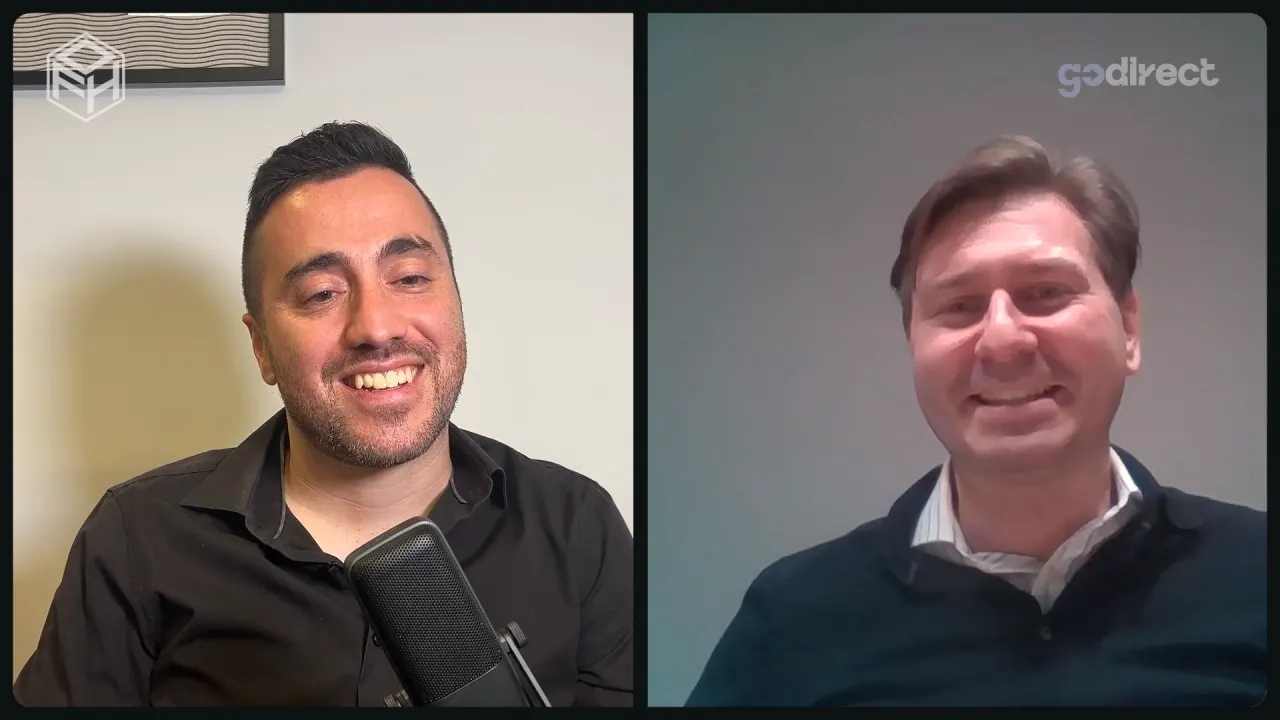
Rastko Djordjevic runs JLL's hotel asset management for EMEA, the discipline of maximising a hotel's value across the entire holding period. In this conversation he separates the asset manager's job from the operator's and the owner's, and walks through the calls that move value: keeping a brand instead of rebranding, phasing a renovation to an Olympics deadline, and taking a hotel standalone in the middle of COVID. The throughline is that a hotel is an investment first, and every decision is underwritten against a five-year plan that the market will not leave alone.
 Rastko DjordjevicManaging Director EMEA, JLL Asset Management
KEY TAKEAWAYS
Value over the holding period
The asset manager's job is to maximise a hotel's value across the whole hold, not to run the day to day like the operator.
Independent by design
An advisor like JLL never co-invests, so its only stake is the owner's return, backed by cross-border reach and first-hand market data.
Fit the manager to the moment
A great general manager is the one whose skill set matches the life-cycle stage the property is in, from ramp-up to mature operation.
You buy the hotel once, you keep it for twenty years.
Transcript
Click a timecode to watch from that moment.
00:00Midnight keys to a bare-real-estate hotel
6
Remember at 12:00 at night, my colleague got the keys to the hotel. We had lights. We had water running, but that was about it. There was no operating systems. There was no telephone. It was pretty much a a a bare real estate.
00:23Inside Hotel Asset Management: the format
12
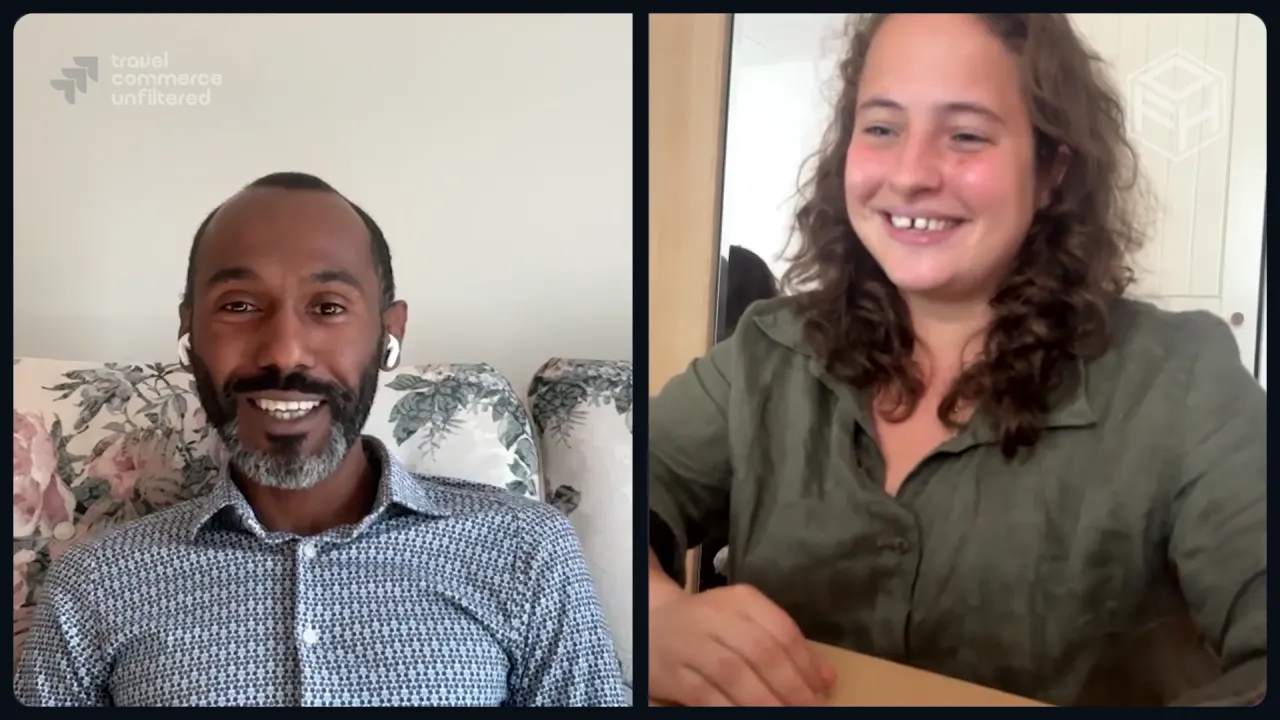
Hello. Welcome to Inside Hotel Asset Management, a future of hospitality podcast. So in this series, we usually explore hotel asset management through real hospitality case studies. And we're having conversations with industry leaders in our field. Today, we are going to talk to, Roscoe. And maybe, you know what, we'll have a little bit of a different format than usual.
Usually, we are talking about a very specific case study. Today is going to be a little bit different. We will be addressing we will have an informal conversation about hotel asset management with my good friend, Rastko. So maybe, Rastko, maybe why don't you start? Introduce yourself and tell me a little bit about your background. Good morning, Luke, and thank you for having me on the podcast.
01:18From Hilton revenue roles to JLL
28
Well, my name is Rastko Djordjevic. I am the managing director of JLL Asset Management for EMEA and also the global lead. And then in my side job, I'm also part of the Hotel Asset Manager Association where I hold the presidency this year for European chapter. Okay. And so how did you come to work in asset management, Roscoe? How did that happen?
Well, first of all, like most hoteliers, I did start off my career in Swiss hotel school, and I did join Hilton within the elevator program, with the aim to be general manager. I did spend six years in Hilton with six different properties, and I really specialized in revenue management. So I was director of sales and marketing. I was director of revenue, Ended up in a regional franchising office. And after all these years in Hilton, I realized I know a lot about Hilton, but not so much about the other brands in the industry. So I decided to take a step into advisory.
Joined CBRE Hotels, both in Spain. And then after some years, I I transitioned to Latin America where I was heading up the Latin American and Caribbean region. And I was busy with advisory work, with valuations, operator selection, investments, so really getting to know the whole ecosystem of our industry. And then after that, I had a short stint in, in in other areas of real estate. So I was looking after an office portfolio, after retail portfolio. But at at the depth of my heart, I am a hotelier, so I did, make it back into our industry.
And, you know, one of the things I was missing in advisory and valuations is that every time I would deliver a report and I would uncover and and find certain opportunities and how this asset can perform better, how we can increase the value for the investor, I was really keen on on pursuing and actually, implementing those actions which identified. So combining my operational advisor experience, thirteen years ago, I did decide to move into asset management and joined JLL. That's an impressive career, Rastko. So, I always wonder if you're in you know, during a dinner party where you meet people who are, like, you know, doctors or dentists or or somebody's working, a teacher or it doesn't matter. How do you explain to them what you do? If you say I'm in charge of asset management, hotel asset management, usually, that's what happens to me very often.
They look at me and they say, oh, so you're a you're a general manager. You you take care of a hotel. Right? So how do you explain what you do?
04:00What hotel asset management actually is
21
Mhmm. It's a little bit easier. And investment management can be interpreted in different ways. For one simple way that we put it is we are responsible for maximizing the value of the asset and of the investment during the holding period. So we are responsible for looking after the increasing the returns and also strategically ensuring that the asset is being developed in the direction where an exit, the value can be created and for for the owner. So when when people ask me, well, isn't that something that the operator does?
Simple way to explain it is, well, the operator is really focusing on a day to day operation on delivering the yearly business plan, well, whilst we are looking at this as an investment from an investor point of view. An investor can invest into a retail portfolio, into an office portfolio, into a hotel portfolio. The more risk averse you are, the more return you are likely to generate. However, there is a set of asset management practices which will lead to that asset increases in value over the holding period, and that's what we're focused on. I think that's a very important, you know, aspect of our job to mention, of course. Right?
That we are really looking at a hotel as an investment first, and we're trying to, help, you know, the owner to, make sure he he reaches his targets for this investment. We have quite a few people on this podcast who are working directly for an owner. Now for you, it's a bit different. Right? Because JLL, you don't own hotels. So what is the difference?
If you would explain the difference between a hotel asset manager who works for the owner and, what you do? How would you explain that to me? Mhmm.
06:00Owner vs advisor: why JLL stays independent
14
Well, the and as you rightly say, Luke, you know, as JLL, we we we need to stay independent, so we are not in a position to co invest in a property. So we're not hotel owners. We are hotel advisors. Hotel owners would have their own staff on the team who would, be looking after very similar objectives or the same objectives as we're looking after. What distinguishes our practice to an owner practice is that, you know, within JLL as an advisor, we do cover all areas of the cycle, the real estate cycle of the hotel. So we when a owner is looking to buy a property, you know, we have a a buy side advisory service.
We have a debt and equity department that's gonna look after financing. We do have an investment department, valuation department. If we need to renovate, we can call on our project and development and services team. And if an owner is looking to buy an asset which is multiuse, we we frequently join our retail or office colleagues, and we can take care of the whole asset from an asset management, property management point of view all within, within one point of contact. So where we differ is we are focused on a multitude of clients. We're focused on a multitude of services.
The objective is exactly the same. It's really to increase the value of the asset and to support the owner, during the holding period.
07:22Why cross-border investors need boots on the ground
10
Understood. So why do you think, asset the world needs asset managers nowadays, hotel asset managers? Why do we think there is more and more demand for asset managers as well and, you know, asset managers working for the owner or third party asset managers who are providing asset management services like JLL? Mhmm. Well, if not the JLL services we provide, we do have an ex we do we have a very large footprint, meaning if you're an investor, which does not have a is looking to invest cross border and doesn't really have a structure or only has one asset, and that asset is not sufficient to set up the whole structure, JLL can definitely provide the service on the ground. So we can have boots on the ground.
We can expand as you're expanding portfolio or reduce. We have data, market data, which is related to to hotel performance to that we obtained through valuations, through investment, through different advisory works. So where where where we come in is really where the investor is looking to go cross border in an area, in a market where they don't have presence, and they're looking for support, and they're looking for first hand data to be able to take informed decisions on. That's where JLLing comes, and that's where we can support the owners.
08:47A gateway-city renovation timed to the Olympics
42
So give me a few examples, please. So I understand you cannot speak about specific clients. That's normal. But can you give me a few examples of one of your missions? Or, you know, specifically, why do people call JLL and say, hey. I need your help with, this, or this hotel or that hotel.
Mhmm. Well, I can give you an example. We do have an Uber. We we do have a client who's who's, based overseas. They did acquire a single asset in Europe in one of the gateway cities, and they're looking they were looking to hold the asset over a longer period of time, but also to increase value. So, you know, working with with ownership, we have identified where the opportunity is in the market to take this asset too.
We have looked into renovating, repositioning, rebranding, and and proposing the best way to, to increase the value of the real estate that they acquire. And and after a long analysis, we came to the conclusion that the best is to keep the brand. If if you're raising brand and brand standards, there's additional services which come with it. So we decided to keep the brand. We decided to focus our renovation. And one of the things one has to be careful with renovation is how much ceiling for rate increase is there.
Right? We have seen on the market that some hotels or some owners, they renovate. They do an excellent job in renovation. The product is is fantastic. But the market, there's only so much room for ADR growth, and you may overinvest, and you may not get the return you're expecting. So it's being very wisely understood about where you're gonna invest, where the guests will notice it, what the brand will put value in, but also negotiate with the brand to ensure that while the brand standards are met, that they're really focused on the guest experience and guest service.
So what we've done is we ran a tender and hired an an excellent project manager, and and phased the project so that over a a four year period, we ensure that we were ready, for the Olympics, that we were open. We ensured that we're ready for the summer. We did renovate one portion of the rooms, you know, prior to the prior to the Olympics. We have managed to obtain an ADR increase on those suites of more than 40% for keeping the same brand. Now we have the other batch coming in. And as we see right now, the business is a lot more short term.
The lead time is a lot more short term. So we do have an ambition, ambitious and aggressive business plan. We're working together with the owner, with the with the operators, and ensuring that the strategies that they're putting in place, their pricing in different market segments are in line with the strategic direction where we wanna take this ADR to, where we wanna take the positioning to. So it's really advising the owner on what do we believe is the best way forward in the market, working together and bringing the operator always on board within the project, but also providing comfort to the banks for financing it, that the business plan is solid and that it has very strong fundamentals in which we believe that this business plan will be realized as such. Understood. Understood.
So I'm sitting here now today in the Six Senses hotel in Amala, one a hotel of our group. We're opening this hotel, by the way, next week, so, that's going to be very exciting. Are you also involved in in hotel openings from time to time? Do you get calls from hotel owners to say, hey. We need your your help to open a hotel, and then, you know, what what would you do exactly then? What would be your mission?
12:19Openings start with reading the HMA
8
Well, we do have several openings. Right? And and the mission really, differs. The mission differs is and and and always when we start an asset manager mandate, we would we look at the current situation. Do we have an HMA sign? What does the HMA allow us to do?
Which do we have we started building the property, defining the areas, defining what is the best product for this location, or are we already one year before opening? It's a big difference.
12:51Taking a hotel standalone during COVID
29
We have worked on assignments. There's one interesting assignment during COVID where, one of our clients decided to purchase a property in the Key Gateway City during COVID when the property was closed. At the same time, the, HMA with the current operator, international operator expired, and the owners have decided to proceed as a stand alone property. So by the time our team came in, we were involved in a transition in exiting the current operator. And I remember at 12:00 at night, my colleague got the keys to the hotel. We had lights.
We had water running, but that was about it. There was no operating systems. There was no telephone. It was pretty much a a real estate. So within three, four months, we did manage to hire an excellent general manager. We did manage to set up the branding of the hotel, the website, the distribution channels, the property management systems.
We managed to retain the staff. We managed to do a light refresh of the product. So we renovate. We come back in a stronger style. And four four three to four months later, we reopen. And, you know, also to our surprise, when we looked at the traffic that we're getting online, we were on par, if not better, than with an international operator just because of the strong brand name and the way that this distribution marketing was approached.
So, you know, that's that's one way. There's other openings which are delayed. Right? And there is preopening plans which are set in place. But if there's a delay for any reason, we have to ensure that we agile in in terms of hiring staff, in terms of marketing, in terms of how we go about which period are we gonna ramp up. So whilst a preopening plan, if the timeline is being kept, can be executed very well, what really happens in reality, we have different geopolitical situations.
We have COVID. We may have some licensing issues. It's a very live period. So what we ensure is that these that the team is agile enough to adapt, that the cash flows are being looked after, and that we ensure that that opening with the changing of the environment as it is still goes smooth and the and the property is still well positioned to, to perform. Yeah.
15:07One chance to position: getting ADR right
36
I think in a preopening, as you say, Luke, it's, it's the most important time of the hotel. You only get one chance to position yourself in the market. So what you wanna ensure is that you get, you know, you get your service right, you get your marketing right, and you get your pricing right. Right? You don't wanna go in with a low ADR because it's gonna be extremely hard to to raise that one later and what the perception of your product is in the market. At the same time, you don't want an operator that wants to have an extremely high ADR because they wanna position their brand, and and then, you're not able to to turn any green numbers anytime soon.
So there's a fine balance in how you ramp up in certain markets, how you ramp up in an upper upscale hotel, how you ramp up in an airport hotel, how you ramp up in a luxury hotel. So we work together both with owners and operators to find the best and optimal way of opening, positioning their property, ramping up, and ensuring that the development of their property and that the five year business plan is in line with the pro form a. And even though market conditions are changing, we do have to find different ways how to still get to the same target investment target that the owners have set. Okay. Interesting. So you mentioned this hotel opening or, you know, the owner who bought this hotel during COVID.
Was that, like, the most challenging project you ever worked on? I would say it was challenging from a point of view that during the COVID period, most of the most of the communication was over telephone. So hiring staff, setting up an entire hotel remotely. I was not in London at that time. I was in Germany. I had my team in London.
So to do so to to to, the clients could also not travel to the hotel because of COVID. So I would say within the restrictions we had within the COVID environment, it was challenging because there was a lot of uncertainty on when we will reopen, when the furlough will end, how how long it will take for the hotel to ramp up, and really at the same time looking at the cash flows and and and and and working in line with all the different, opportunities we had. You know, there was furlough. There's government support. There's government loans. There was, the payment of suppliers.
There was an awful lot of elements which which came together, which had to be managed in order for you to overcome this period. So I would say more than a hotel, it was really the COVID period, which was the most challenging one, that we overcame. Yeah, I remember that period very well. And everything you mentioned, we all lived through that. And it's true that the very frustrating part was the the difficulty to travel to the hotel. Right?
As a hotel asset manage manager, there's a lot of administration. There is a lot of, you know, office work to be done, but you have to go to the property. Right? You have to speak to the the the the general manager, to to the exec the X Com team. You have to be if you want to really understand the hotel, then you have to stay there. You have to, visit it regularly, and that that was indeed extremely frustrating.
18:18Buy once, keep twenty years: due diligence
43
Are you also involved in, you know, when owners are buying the hotel in in a due diligence space? And what's the most important thing you would then look at from an asset management point of view? We are certainly involved in buy side advisory. We do it with existing clients or new clients. And and and, you know, I always say you buy the hotel once, you keep it for twenty years. Right?
You do your you you assign your HMA once, you have it for twenty years. So that's the most important time of buying a hotel, and it's really underwriting and seeing what opportunities does the HMA provide you. We all know that a vacant possession property on the market when you're when you're exiting is gonna have a higher value, but also setting up a great brand for success can also attract a different pool of investors. Right? So when entering a when entering a property and doing buy side advisory, for us, it's very important to have a realistic view of the market, first of all, for investing. So when we look at a property, we look at the supply and demand market.
We look at the the who are the players. We look at the footprint of the operator. Right? You have markets where operators have an excellent footprint. They have seven, eight properties. They're able to set up a regional office.
They're able to attract the best people to that regional revenue office or sales office. So the power of the brand and the power of the loyalty programs is gonna work very much in your favor. Whereas you have other properties, which I call so called orphan properties, which is one property in the country remotely away from everything. It's a very different, manner in how that property will be managed in a day to day, how will it be supported by the brand. And and and this is something, you know, important to understand where the potential is and how the owner will be supported when developing that that property forward. What we also, you know, look into is what is the comm set?
What how is our property? Walk the property. Walk it with the management team. Assess the competence of the management team. But not only the competence, but also the mindset in, do we have the right team on board to take the property forward we wanna take it to? And it's all about, establishing relationship both with the local team, both with the regional operators, and and bring them really on board as partners and really assessing because it's a win win situation.
You know, if if it's the owner does well, the operator will do well because of the structure of the HMA. So it's really bringing all different players on board, understanding very important, you know, for us is to understand the owner's vision. Right? So we're not the owners. We work on behalf of the owners and our clients. So our ambition is really to ensure that the client's objectives and ambitions are being achieved.
So understanding client's objective within investment is key. Understanding if the operator and the brand is able to deliver in this market is key. And then accordingly, start setting out a plan going forward over five years, how are we gonna get to the objectives that we have? And I think it's very important to be realistic. You know, an Excel sheet can hold anything. But knowing the operation, walking through the property, talking to your revenue managers, looking at what the market data is telling you using all the market data you have at hand, using your SDR, using your hot stats data, using your OTA insight, using your Demand three sixty.
So really utilizing all tools, all data points you have at hand, and also looking at what other properties have been able to do in the market.
21:48When a full renovation does not pay back
33
And when I remember one example. One of our investors invested in a property. We were getting the property ready for renovation. However, luckily, two of our competitors decided to renovate ahead. They were two years ahead of us. Did a fantastic renovation, full renovation with the lobby, rooms, facilities full.
But then when they came back on market, they were struggling with ADR. They were only able to get seven, eight, 9% more in the ADR. And when you do the calculation, that was not sufficient to pay back the investments we made. So we say, right. If we if you do acquire this property, there is a potential, but there's only so much potential. So let's focus on those executive rooms.
Let's focus on increasing our leisure share of the market segment and investing into a fitness club. Let's look into those elements, which currently we're not we're not a quo we're not capturing our full market share because in the weekends, let's look at those facilities or those additional services that we need to focus on to strengthen our position on that market, and let's focus on on putting that plan through together. So one has to be very clear of where the property is, where is the potential, where are we in relation to concept, what is the appetite for investment, what is the right investment amount, And ensuring that the hotel team is on board and can deliver on all of those. You know, we've seen sometimes when a when a when a property is rebranded, you know, although the staff receives the training, what does have a much stronger effect is bringing new people on board. Right? Bringing new people with a with that background that you're looking for, with that brand experience that you're looking for who can really infuse that brand DNA in a re in a reconversion, in a repositioning, not only in the property, but also within the team.
So I would say from that point of view, when we're doing buy side advisory, yes, we have to look at all the data, but you have to look at also all the SEFTA elements, and you have to look at the team which you wanna get there to. So this is the kind of assessment that we do and provide to the owners before acquiring a property. And we are very open about it. Right? We are very open if this if the price is if we believe the price is too high and this is not the right this is not the right price point for this property, we look at the, business plans of the operator, which could be somewhat ambitious, put them into relation, and and see what is achievable in the market. And we try to provide the most, accurate data supported advice to the owners in in doing so.
Interesting. And and I think you highlighted as well the complexity of, you know, asset asset management. Because you mentioned the the brand. How is the brand within its market? You mentioned, you know, renovations. You mentioned relationship management.
I think that's a very important aspect in in asset management because you're, you know, you're actually in the middle of all of these, stakeholders. You mentioned the banks, the operators, the the head office of the operators, not only the the hotel team. And then, of course, what makes your job also a little bit different to, for example, mine, is that you also have to, sometimes make sure that you sell your ideas to your customer and to your to your to the owner, which is which is which is adding maybe another, layer of complexity.
25:21Planning against an unstable market
19
So, so what I wanted to ask you as well is, what are the main issues or challenges you see when you're accepting a mission? Mhmm. What what are the what are the things you you you you would like to mention that owners would really have to focus on, something, you know, something which is missed very often? Mhmm. Well, what does happen a lot, I would say, especially in the last five years, is that if you look at the performance, the fundamentals in which you made your investment decisions, they took into consideration certain market conditions and certain market development. In the last five years, the market has been anything but stable, you know, working through COVID and just coming out of COVID.
And then, looking at the situation we have in Ukraine, dealing with the effects of that, dealing with higher energy costs, dealing with disruption of travel. You know, you just managed to restructure and take the necessary actions to overcome that. You have the geopolitical situation in The Middle East. So, you know, the five year plan, which back a couple of years ago, you could follow and you could you could, every year, I remember 02/1314, we made a five year plan for for launching a new outlet. And every single year, what we set ourselves five years ago, that number we put in a budget, and we would you would achieve that. It would be a stable growth in the market, and you will be very aware of what are the the factors which can affect your your performance.
Nowadays, it's a much more dynamic market. So when we look at the pro form a that the owners have and we look at the current situation, it is very different. So the challenge not the challenge, but the situation we find ourselves on is rethinking how we're gonna get there because we still have to get to the same objective. How are we gonna address the market opportunities? In every market situation, there's winning and the losing side. With this geopolitical situation, well, some markets are suffering, some markets are doing extremely well.
So it's really being able, to be agile and also to get the buy in from the management team that will perform that.
27:40Gray areas and the FF&E reserve
34
I think what's very important when when we start a new mandate, it's about that relation as you say, look. And I think when you work over many, many years with the same operators, luckily, most of the operators, do have a consistency in keeping the regional managers in place. And when you've worked with these teams in one project, second project, third project, you get to know each other. You're both aware. You're in a win win situation. Which are not set in stone in the HMA.
But there's gray areas you can definitely discuss to get there. It's during COVID, everybody drew an FF and E reserve, right, to finance the cash flow. So there is areas which we can all negotiate, which we're all aware that will, you know, get us still to our objective without jeopardizing, you know, the the the basic fundamentals. And if we need to use the FFNE reserve to finance the cash flow, we need to ensure that when the money and when the situation is better, we do put the money back in into that same FF in your reserve, and we do continue with the renovation and ten year PIP plan of the property. Right? But in between, with the changing of the market circumstances, we have to be agile.
Right? And that's that's what we find in most, in most cases. So when we start with a new property, it's very important to be aligned with the with the general manager and with the hotel management team in ensuring that we all focus, we all see the same potential, and we all explore, if necessary, different ways of, strategically developing the property in a certain direction. I think, you know, about performance, the one thing, which is true is that it's gonna be wrong. Hopefully, the hotel will do a lot better than the performer. But of course, sometimes, due to many factors, maybe the hotel is not doing as well.
Right? And then you mentioned one of the main stakeholders or I would Sorry. Sorry. Luke, may I interrupt all the other way around? We had a pro form a before COVID with a certain ADR. By the time the hotel opened, our ADR was really higher than what it was in the pro form a in year three.
So that was a nut. So it can work both ways, right? It can work both ways. Definitely, definitely. Yeah, yeah. But it was wrong.
Sometimes it's a good thing and sometimes it's not so good. But, but it wasn't it's can't be exact. Right? Nobody has crystal ball.
30:07What makes a great general manager
69
But I think one one, aspect you mentioned is the importance of the general manager. And I think, you know, this the the role of, you know, of the general manager, of course, cannot be underestimated. So how how do you see the importance of the general manager, in for a hotel in general? And how do you how do you recognize a a very good one to an exceptional one? How how how do you do that? It's a great question, Luke.
And and I think we're absolutely aligned. General manager is key. Where we have the best, impact results is where we see the general manager as an extension of our team so that we're all on the same team. So good collaboration with the general manager. We have full trust that the owner's, strategy, that the owner's interest is represented on the ground day by day. This is one of the fundamentals that we are looking for for good relation.
How do we recognize a good GM? And I think it's a great question because it really depends on the situation. Great GM is a great well rounded GM with a skill set which is needed for this property in the life cycle this property is in, right? I'll give you a couple of examples. We have one property that, you know, opened during COVID, and we missed the RFP season. We missed the ramp up.
We missed the base business. We missed the media business. So when we were coming out of COVID, we're running on 15% occupancy. Right? So at that point, and we had a change in GM. So at that point, bring in a luxury GM who's focused on service, that's great, but if you have 20 guests in a hotel, that will make a difference.
So we're really looking for a general manager that has sales, very strong sales experience, revenue experience, who has the relation to the key clients in the market, who knows the local market and speaks the local language, and we hired exactly Right? And the objective was we need we need this property to take off from 15 to 45% by year end. So we need you to be extremely active within your sales team, within your clients to to to uplift this property. Right? So it's it's fitting the right profile with the right hotel. In another hotel, we had, with with with with, strong F and B operations, we were looking to relaunch couple of outlets, right, in our our our our location.
Is is fantastic, which allows us to to generate an unfair share of the market. The revenue team is doing a fantastic job, but it was really now relaunching F and B. So when we're looking at the CVs of general managers who are all very well groomed, you know, one thing that stood out was a general manager who had his own restaurants before. He had a chain of his restaurants. He's had his skin in the game. He knows what it is to what it means, what's necessary for the restaurant to succeed, what are the risks, and, and he was directly responsible for the p and l.
Right? He had his skin in the game. So for us, this was very important, not just to understand the, not just to understand the context, but to have done it. It's very important what kind of property we're looking at. Right? If we're part of a big cluster where we do have x and and the revenue is outsourced, the yield management is outsourced, sometimes even sales is outsourced.
Right? And that point, we really will be looking for a very, operationally driven GM that can drive efficiencies, that can drive guest service. So we're looking for that kind of profile. So matching the general manager's competence in the cycle where the the property is with what that property needs at that point, you know, for me, that's key. And and, you know, we've seen general managers that are not the best directors of revenue, directors of finance, but they do surround themselves with excellent people, right, and they let them thrive in their business. And key is what I come back to what I said first.
The general manager, when you're a hotel operator, you're gonna get a balanced scorecard, which is absolutely the right approach. You have to look after your guests. You have to look after your employees. You have to look after your P and L. But the one that's important to us, you have to look after the owner, right? And you have to look after the strategic objectives of the owner so that the general manager is aligned with the strategic objectives of where the owner wants to take the property to and balancing that relation between the brand and brand positioning and owner's interest, that is key.
Right? And that's that's what a general manager can can deliver. Indeed. Challenging job, I think. Right? But, but but you're you're very true.
I mean, it's not because I mean, nowadays, a general manager has to have an enormous width of skills. And sometimes a specific skill set is very useful for one hotel and maybe a little bit less in another hotel, so it depends on the situation. I think sometimes also some general manager our our managers are extremely good in in preopening situations, in ramping up a hotel, in being in the in finding the right way to be, in a way, a little bit aggressive commercially to ramp up a new built hotel. And then sometimes you also need a general manager who is also very good in in maybe managing a hotel in a more mature situation. And and, you know, sometimes this is these are different types of people. So that's, I find that very, very interesting always.
How long are your your missions in general, Vasco? So so how long does this take? You know, if you have a a client coming to you, are are they is this usually over several months or several several years?
36:01How long an asset-management mandate runs
35
Well, it really depends. In some cases, we are we make an assessment, we make an evaluation, and we provide for a plan. Right? So it can be very punctual. It can last six weeks. Other times, we've been brought in when the owners are looking to dispose the asset in a year or two.
What can we done? How can we prepare the asset for exit? Where we can find opportunities? Which projects can we start? What kind of how can we open up the the the interest of different investors upon exit? And what needs to be done in terms of the contract, in terms of operation, in terms of uncovering and and presenting an upside that the future owner can can then pursue.
We do have asset management mandates which are under our asset management for a long time. We have a couple of properties which we have for more than ten years, ten years, eleven years, twelve years. So ideally, it's during the entire holding period. And the way I see it is every year we have to improve, right? Every year, we have to be focused on what are the key three things that need to be done within this property to bring it one step forward. So because the market is dynamic, because the, yeah, because of the market dynamics, you do have to constantly be adapting.
You have to constantly be focused on, you know, where the opportunity is. Where is the opportunity to create more margins? How can I save more costs? How can I renegotiate the contract? How can I strengthen my my, base business? You know, if I'm going towards securing a higher base business, is it through an airline?
Is it through group business? Is it is it is it do I need to hire more resources within a group's department? Do I need to invest more into relations with the meeting organizers? But, you know, most of these actions, they take time. You know, in asset management, it's about it's about strategically moving the property forward. It is easy to go in and cut costs.
Right? But this is everything that you do has to be thought through and and cannot affect the brand positioning. So we need to ensure that the guest is not is is is is is getting the brand experience that they're expecting. And, but at the same time, we need to ensure that we are moving forward, as as a property and not just standing still in our day to day operation. So one now maybe two more questions.
38:39Advice for a career in asset management
44
So the first one is what would you say to young people who say who would like to pursue a career in hotel asset management? What would you say to them very shortly? Mhmm. I would advise them very early on in their career to be exposed to the to operations, both the advisory and both the owner side. You think one thing is is working advisory, looking at an Excel sheet. The other thing is being in operation and being aware of the challenges that you have in the market and how challenging it is to implement those.
So becoming aware of the different forces which are influencing certain decisions early on, and finding what you're good at, very early on, is a plus finding future asset manager's career. I agree. And, thinking about your job, your current role, what is it you like about it, and what is it you might not like about it that much? Another good question. I think first of all, look, as most people in our industry, I do share the passion for industry. Industry, right, I do share the passion for hospitality, and and then I happen to be in the right job because I get to do the I get to live this passion every day.
We were in a great industry. Right? We're in an industry where we create experiences. We're positive experiences. Right? So if you look at our industry and if you think of a hotel, to go to a hotel to have a positive experience, to have a great meeting, to have a, you know, celebrate your wedding, to add on to the quality of your life or to add on to the convenience of of doing business.
So So I think, first of all, we're in a great industry, and I'm very happy to be part of it. What I like about this job is, and especially as well as JLL, is is being at a center of of where where everything's happening. Right? We work with over 45 brands globally on every day. By now, our portfolio is more than a 150 hotels. So being in touch with the market, what different operators are doing, how are they, how are they evolving, how are they positioned, what kind of strategies and programs they are putting in place to to to adapt themselves as the trends of the industry is evolving into being at the center where it's happening and being able to work with different brands, with different owners, with different operators?
I think it's a great privilege, and this is an exceptional, position to be in. So I very much like about the job, the interactions which with our clients. We have high net worth individuals, sovereign wealth funds, institutional investors, very savvy, investors. We work you know, some of the properties we asset manage, they're the best in the market and and the market leaders. And it's not just because it's great building or brand. It's about the people that are there and they're delivering every day.
So having the opportunity to work with great general managers, great director of finance, great director of operations, and seeing progress, you know, months after months, it adds a lot of personal satisfaction. I would say having stayed in the industry, you know, for for, you know, over thirty years when I started hotel school and having developed relations, you know, with yourself and and with a lot of people in different areas in life and being able now to to, build upon those, is is is very gratifying. And, you know, when we've been through several situations two, three, four times, at this point, we're gonna get to the results into solutions much quicker than before. So I really enjoy the opportunity of being at the center of it, being able to learn, being able to contribute, and being able, you know, to see the difference and to see the results. And that's what I love about my job. And if I look at the property, you know, that it's coming out of renovation, You know, you are focused on the EBITDA.
It is something which gives you a kick. It is something that you say, well, we invested so much time and so much effort, and the results are here, and the owners are happy. Right? So having a happy owner who is achieving his ambition and we work through to support the owner, you know, to minimize any risks. That's what makes me happy in my job. That's what I enjoy.
Happy owner, happy life. Right?
42:49What he would tell his 20-year-old self
41
Yes. So last question. What would you say to the Roscoe coming out of Les Roches when he's 20 years old? What would you say to him today? Knowing what you know today, what would you tell him? I would tell him to same I would say to young people.
Very early on, be aware of the entire ecosystem of your industry. And for me, it took time. You know, when I came out of Les Roches, I joined the Hilton Elevator program, which is a fantastic program of the industry, and you work in every single department. You're really supported. You have a mentorship. You have development programs.
So I believe there's no better way to be exposed what I would say the hotel world. Well, it was the hotel operational world. It's only one segment out of the big pie. It was not until I was 29 when I caught up with a with a with an ex, with a with a friend of mine from uni who was in advisory, who was who was in advisory, who was, you know, underwriting for the the the the purchase of hotel chains, who was looking at visibility studies. It's only then when I realized that that area of the business that's existing is live, and it drew my attention. So it, you know, it was great that I've done operations.
It's great that I've, you know, worked in a hotel. It's very valuable. But only later on in my career, I really became aware of what it is really that I like to do. So I would say to myself very early on, do your utmost to be aware of the ecosystem of the different players, to understand the industry as a whole. That would be my advice. Very good advice.
And, you know, myself, you know, me, I also started with kind of like an elevator program. It was, I think, it was called, corporate management trainee program from Hyatt. And I think that's a very good way to start in the hotel industry because you usually go to several departments within a hotel, before, you know, working in a department a little bit longer. So I think that's always a good good thing to do. But it's also true that when I got out of hotel school, I wasn't aware how broad and how wide and how interesting the whole industry actually is. It's impossible to know when you get out of, out of hotel school.
But, you know, going to trying to go to industry events, listening to, you know, podcasts like this, which in my time wasn't wasn't available. But I think that's a good thing for young people to to to do because that, you know, broadens your your horizon, and then you understand what's going on in our industry. Rastko, this was a very interesting conversation. Thank you very, very much. I wish you all the best. And, for the listeners out there, so if you like this, post podcast, like and subscribe.
There's many more podcasts coming, and I, hope to see you soon. Thank you very much. Bye bye. Thank you very much, Luke. It's been a pleasure.

