
















 AFLEVERING · 36 MIN
Hospitality met ziel bouwen
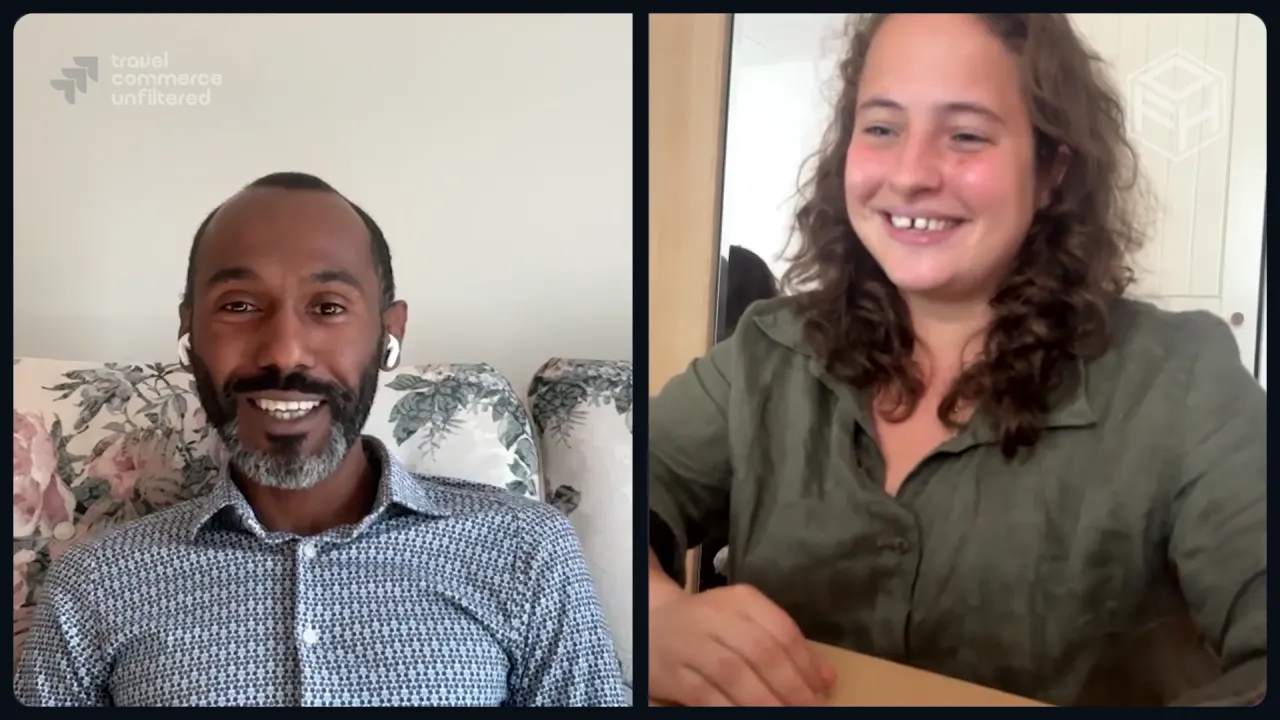
Van het bouwen van theatrale hotels tot het lanceren van Soho House Copenhagen, Nikolaj Tamakloe laat zien hoe hotelconcept ontwikkeling echte gastvrijheid bouwt in plaats van alleen bedenkt. Een masterclass in het omzetten van creatieve visie naar operationele excellentie, met ziel.
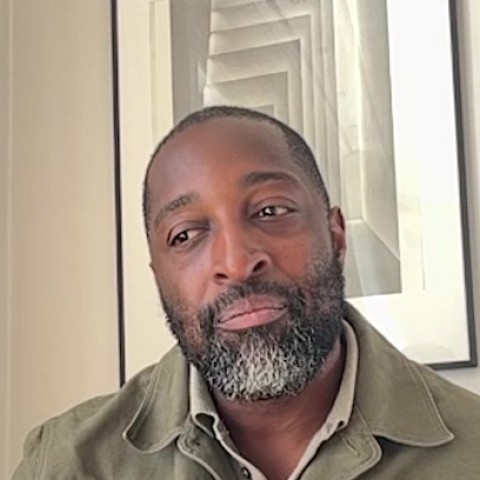 Nikolaj TamakloeFounder
Transcript
Klik op een tijdstempel om daar te kijken. De opname is in het Engels.
03:36Can I because I can only imagine from coming from Copenhagen, Denmark?
9
the Future of HospitalityHow was that shift? Can I can I because I can only imagine from coming from Copenhagen, Denmark? I think it's similar to where I'm from. I'm from Rotterdam, The Netherlands, and you move live in Amsterdam now. But I moved to London myself quite some years ago, spent some time there. There is a different pace there, a different mindset,
Nikolaj Tamakloeand it's totally different. Yeah. Can you And think and I think both both from the from the the guest point of view, but also from my, you know, my my colleague's point of view. You know, if you look at it from the guest point of view, the is is is a very fast city. There's a lot of there's a there's a high pace. People demand things fast and, you know, you you you Very much. Yeah. You need to serve them fast. You know? You need to serve the best quality because there's tons of competition in that city as well, you know, on on on the products and the quality of of of of services.
the Future of HospitalityYep. So It's a dog eat dog culture. That's what I learned. A 100%.
Nikolaj TamakloeBut at the same time, what was also very giving for me and a huge eye opener was the the amount of different nationalities, different cultures that the city actually draws to, you know, to to to to that industry. So you have a lot of people from all over the world, and they come and work in hospitality. So, you know, all of a sudden in the staff room in the staff canteen, I was sitting next to, you know, 40 different nationalities. Nationalities. Yes. I I love that part, you know, because you really it really means that you need to adapt and engage in different ways because people come with different, you know, backgrounds and and and and different perspectives of life or, you know, perceptions of of of of service. And, you know, how do you unify that, but at the same time, give them a bit of room to to express themselves. And I love that part of it.
the Future of HospitalityRight. So move a little further down that road in London, and then you moved back to Copenhagen at some point. Correct. So after after being been in London for some years,
Nikolaj TamakloeI moved back to to to Copenhagen. And I was very fortunate that the company that I was working for in London was actually opening up a venue in Copenhagen. So they actually wanted me to to to to help them open that, which Which company was that? That was that was Conner Restaurants and and d and d d and d London. Yeah. Right. Right. Opened a complex of of of, you know, a complex of three restaurants and a private a large private dining room in in one, you know, historical building in Copenhagen. And the beautiful part about that was that I was bringing a lot of my knowledge from The UK and actually implementing that. I was the only one who had actually worked for the company in The UK and then had to train the team, the local team, in becoming more you know, understanding the business way of doing things as they did in London. You know, how do we adapt that to Copenhagen?
Nikolaj TamakloeBut at the same time, I was also the link between my my my employers in in The UK and understanding the Danish culture. So, you know, I was kind of the ambassador to to to to both sides, which was really, really fun.
the Future of HospitalityAnd it was So what's that company that that what what level? Is that a luxury?
Nikolaj TamakloeYes. It's a luxury level. So Conan restaurants run out of, you know, of mid scale fine to fine dining restaurants. And what we opened in Copenhagen was between midscale and and and fine dining. As it was three different restaurants, you would say that it was more of the trendy fashionable type of restaurants and and and venues that we were were opening, which definitely pushed me more towards the luxury market, which I've been working in ever since. And I think that's where I have my my drive and where I I I, you know, I flourish in some sense. Right?
07:58What is it that makes you flourish, you think yourself?
11
the Future of HospitalityWhat is it that that makes you flourish, you think yourself? What what is it that excites you the most in that on that level? I think, to be honest, I think the
Nikolaj Tamakloethe extended level of service, the more the the more the more in detail service, the more the more amenities that you have to help you to to deliver that service, that is second to none. It's important for me to say that, you know, anywhere can be, you know, can be very high end luxury. And I think high end luxury is also a kind of a fluffy word because what is high end luxury for the individual is very subjective thing. High end luxury for some people is that you have a bell captain standing outside opening your door with a hi hat carrying your bags. But high end luxury can also be that you are sitting on the beach with your toes in the sand and eating a fresh lobster coming straight from the sea. I don't mind.
Nikolaj TamakloeSo so it's it's very different levels. I just think it's very genuine in whichever way that you want to do it. And I think that is the beauty about luxury in For my
the Future of Hospitalityme, thinking about it, because you said it's different for every every person. For me, it's the being seen, I think. That's what you get at that level, Luxury destinations Yeah. The way of the the way they treat you, it's like, oh my god. I've been seen. I'm not a number. You you you are being seen and you're being taken care of and, you know, and and they actually
Nikolaj Tamakloeanticipate what you would like. I mean, I I you know, think think of this, you know, one of one of the first restaurant managers that I had actually told me that, you know, listen. You can you can you just need to take care of people. And and if you have a a let's say, an example, a group of guys coming into your restaurant, and they look like they just wanna have a good time. They don't wanna wanna think too much about everything. Go to them. Just tell them about the beautiful fresh mussels that just came in this morning. The chef has been doing something cooking up something special.
Nikolaj TamakloeWhile you're giving them their their the the wine menu, you can also tell them that, you know and by the way, you know, if you go with the mussels and, you know, we can put on some steaks on the grill, which we can prepare to you in the meantime. You But can look at the at the wine menu, you look at the menu, and let's see what you would have. You bet yourself that they will be having that menu that you've just been telling them. And what they really want to do is that they want a casino, and they want somebody else to take care of it.
the Future of HospitalityAbsolutely. So let me talk about that you bringing that London narrative to that way of thinking to Copenhagen. Mhmm. What did that actually look like in practice?
Nikolaj TamakloeWell, I think for me, it was more of a going the extra mile. You know? Just really pushing the standards of, you know, what is service. You know? Is it it doesn't have to be so robotic. Often, unfortunately, it's very much based on what is easiest for me as a waiter or what is easiest for me as a bartender, what is easiest for me as the restaurant manager. But why they'll switch it around? Why I'm standing there as a guest? You know? What is easiest for me? If I back in the days, if I wanted cigarettes, you know, I know, you know, you get if you wanted cigarettes and and you didn't have them there, but you'd set I need to send somebody to a shop to get them because I would make that guest happy.
Nikolaj TamakloeAnd that is, you know, some of those small things that I think is is going above and beyond. And and and some people would regard that as luxury, but it didn't cost me anything else.
the Future of HospitalityHuma, what you triggered my memory, this is this goes back almost forty years ago, I think. I'm that old. I was working in a restaurant. This was indeed a high end restaurant, and people could ask the waiter, do you have cigarettes? And we put put them the cigarettes, we would put them on the on the bill at the end of the day at at the the day at the end of the day. And so we opened the pack of cigarettes, took that foil out, took two cigarettes out, put them on a little saucer with matches, and that's how representative put it on the table in front of Yeah. And that is that was that extra lit you make the little things bigger.
Nikolaj Tamakloe100%. Yeah. Because and I think that's what I think more and more that it and, again, this is my perception of hospitality. This is what I think people are lacking or missing. I I I do understand that, you know, you could some kinda say that you are we're in a cross lane because you have a lot of of hospitality, which is being much more automized. You have iPad check ins. You have, you know, robots, you know, driving around, you know, taking your orders at the restaurant or whatever it might be. And then you have the old school, you know, hospitality, which is a bit more what would you like? You know? Let me accommodate you to what, you know, what you would like. But you could always I mean, it's all about psychology, and and and you can always, you know, steer them in a certain direction because of either your ambiance the way that you approach them or the design or whatever it might be. So you can kinda it's within this frame, and then they can feel that they're actually choosing something within that frame. But you've already, you know, you've already anticipated what they want, and, you know, you can steer them in that direction.
14:06Can you give me your thoughts about that?
6
the Future of HospitalityThat brings me to another point, and and I'm I'm I'm wondering how you think about this subject. Wanting to provide that service. I remember when I was working in hospitality day and night, I really wanted to deliver that quality of service. I mean, that's that was always in my in my in my blueprint. I didn't want to do it the fast way. But then then there is an and and I've seen that develop over the years, an ongoing increasing pressure from management to do it faster, to do it not better, but faster Faster. And more, sell more, and be be quicker, be faster. And the quality of servers tend to Yeah. Be forgotten. Can you can you give me your your thoughts about that? Absolutely.
Nikolaj TamakloeIt it's it's it's a very I think I think it's very much a question of, you know, just being more effective or optimizing. You want to you you constantly optimize your business. You know? And and, you know, constantly just be faster, faster, faster. But in any business, you reach a breaking point. And and, you know, you cannot you cannot just keep on putting adding more chairs to the restaurant. You know? At some point, you cannot move around, and and and the kitchen cannot deliver to to all these guests or, you know, you can't turn their tables around. So so I think it's a question of also accepting that, you know, this is this is our business.
Nikolaj TamakloeThis is what we do. This is how we do it, and and not compromise with that. Because I think if you go back to all if we take restaurants, all restaurants which have become institutions, they don't have that mindset of, okay. Let next year, we're gonna squeeze it a bit more. Squeeze it a bit more. Squeeze it a bit more. You know, I they they don't have that. You know, the the institutional restaurants which have been there for twenty years serving in the same way, serving the same food, you know, the same ambiance, everything, they're not having that against us. I don't think it unfortunately, it's weird. We're a world where everything just needs to be faster in a way of fast pace.
Nikolaj TamakloeI would love to deliver hospitality that actually takes you out of that every day. And can actually sit there, and maybe that will be your two hour dinner would be your tranquil moment where you can actually just step out of that, you know, fast paced life that you have out there. But you can actually step in here into my universe where I would take care of you and just relax. I I don't know if that answers your question, but I think, honestly, it's a question of of accepting that, know, some things cannot be rushed. And you cannot that that that small part of of optimizing, it's not gonna make, you know,
the Future of HospitalityI think there's a fine line where more and faster stops and when you decide to choose for that high end quality where it get also more expensive, of course. There is a, like, an intersection or a And and
Nikolaj TamakloeI think if you are really good and strong in narrative about what you actually deliver, people will accept it one or the other. You know? You just need to be clear about it.
17:39Can you walk us through what that means in a real world setting?
7
the Future of HospitalitySpeaking about narratives, what that's one of your superpowers, translating a narrative into a guest experience period. Sorry. So yeah. Can you walk us through what that means in a real world setting? Yes. I I think I think
Nikolaj TamakloeI've been I've been working with you know, so ever since I came back to Denmark and and and and worked with hospitality here, I've I've kinda one of my superpowers, if you can say that, is that I I've worked with, you know, individual business owners or, you know, private owners, and they have a a mindset or a idea of what they want to do. And translating that or really understanding what what to do and translating that into operations is is is one of those things that I've, you know, I really love. And I I think it's really fun. You can have an idea of, I would like to build this hotel, and I want it to be very theatrical.
Nikolaj TamakloeK. But how does that work in a day to day? You know? From what do we call the bedrooms? Should it be hotel rooms or bedrooms? Because you wanna create a house or, you know, what should it be for? Like, how should the first interaction be with the guest? And and so and I think that's really, really fun. And I, you know, I've done this a couple of times, and I find it very giving because I love to develop, and I love to create. I fully understand that I'm not the only one that has great ideas, but I think what I'm really good at is in a group or or or if somebody has a great idea to actually take it down from from being more holistic into operations and how do we actually manifest it in the best possible way.
Nikolaj TamakloeAnd doing that a couple of times here in the, really great.
the Future of HospitalityRight. Let's use this to build a bridge to building your time building Soho House in Denmark. Absolutely. What made that project different for you?
Nikolaj TamakloeWell, there was actually three things that made it very different for me. I think the first one was the you know, I was tasked to build a community in Copenhagen and Oslo for that matter because we had a we had a thought of of the Norwegians and people in Oslo would would resonate more with Copenhagen than with with Stockholm, and we're already gonna build that house in Stockholm as well. So we want to build a community in in Copenhagen of of a creative, like minded, understanding that storehouse was gonna be coming to the city at some point. So that was to, you know, identify these people, host events, and and really build some traction around the storehouse coming.
Nikolaj TamakloeAnd and that's a very different mindset than than many other nationalities, because they're very they're very public. And, you know, of course, didn't pay you were a huge marketing lunt, and then and then they open his doors, and then then then that's it. But but what I really learned about Storoz was seeing that slow build up, and I think that is something that was very different from me, but I learned a whole lot about that. So that was really fantastic. Yeah. So the second the second part that I to mention, which was a big change for well, different for me was working with members club. Because I've been working with with public, you know, hotels and restaurants. Now I'm working with the members club where you have a more enclosed group
21:27How different that is and what the challenge was this for you?
7
the Future of Hospitalityof people that That's different. Sorry? That is much that is different. I mean, I'm a I'm a member myself, so I know how different it is. So can you shine a light on that? How different that is and what the challenge was this for you? Yeah. I think one of the things that I kept telling my team and and and my
Nikolaj Tamakloeyou know, everybody in in my whole team was that what they have to remember is that the guest coming through the door or the member coming through the door might be more demanding than just your normal guest because they've actually already paid. So they have an expectation of something already. So that transaction has already happened. You know? And so they're expecting the food to be perfect. They're expecting the the drinks to come and be really good. They're expecting a smile in the reception. They're expecting all these things. Whereas when you come into a you know, for the first time in a restaurant, you don't have all these expectations at the same time, you know, in the same level as when you've already paid for your membership. Like, we can step in somewhere. So so we had to be a bit more on our toes.
Nikolaj TamakloeBut at the same time, what was the third thing, which was a beautiful part, was that you had a lot of regulators. Yeah. You know, you get to know the people. Yeah. And we know the people, and that gave us the opportunity to actually elevate on the service at a whole different level that you could actually ping on. You can speak to them. You actually always knew that, you know, this guy always needed two sugars for his, you know, for his coffee. And, you know, he didn't even just need to say it. It was just there. And and and these things are just fantastic because you could do that in a public place when you have a couple of regulars here and there.
Nikolaj TamakloeBut, you know, with SoHas, you have a lot of regulars. You that's and and that was so beautiful. That's so great
the Future of Hospitalitypart that. Yeah. Fully agree with that because being a member myself, and, I mean, I was there every day. 2018, 1920, then COVID, I got sick myself, then it's just but those years, I was at the in the club almost every no. Every day. Every day. I started my day there in the gym. Yeah. And indeed, everyone knew me also. They knew what I was drinking. I never had to ask. I mean, you've it it felt like it was my second home. That's how I described it to my friends and family, because I brought them in as well. And I said, this is my second home, honestly. I said, I feel home here.
the Future of HospitalityDo you think that has changed? Because I feel that has changed a little bit. Well, I don't wanna talk too much about solar house because I wanna move on to your consultancy. Absolutely. But this is a point that I find very important because this is exactly what hospitality is about. I felt so welcome and blah blah blah. But at some point,
Nikolaj TamakloeI think after COVID, it shifted a bit in my opinion. Yeah. I think I think I think there might be have have been a bit of a shift, but I think there's maybe two reasons for that. One is that show houses expanded, you know, naturally. You know, this this this there's quite a few more houses now than there were before COVID, which also means that there's a lot more members. And and and I guess, you know, trip members travel a lot around the houses, and all of sudden, that that pool of members the also, this is is is a lot more regulars that you need to, you know, you need to remember or you need to cater to in everything. So I think that show houses also become bigger. And and and and that is that's one factor.
25:10Where you want to go care cater to the masses?
22
the Future of HospitalityI always say here at home, say, Soho's became a bit too corporate to my in my opinion, but we don't have to talk about that. But that is that's the fine line I think I wanted to touch earlier where where is it? Where you want to go care cater to the masses? And when where do you want to keep it?
Nikolaj TamakloeTo the yeah. Yeah. Yeah. I know. I I fully understand what you're saying. And, you know, I definitely think that there's there is a change from what Zero Habs was from from from the get go when it when it started in 1995 and then and then and till today. So for sure. But but yeah. I mean,
the Future of HospitalityI don't wanna say that it's corporate, but but it is it's Oh, no. You didn't. I didn't. No. No. But but it but it has become definitely much bigger. That's for sure. Yeah. Yeah. Yeah. Yeah. Which I like because I got this this this bucket list that I want to go to every single house in the world. Yeah. And they just keep opening them. So there's a lot of trifling.
Nikolaj TamakloeExactly. Exactly. Yeah. Hundreds. Anyway,
the Future of HospitalityMloom, let's move on to what you do now. Up here. Because all these experiences Yeah. All at some point made you decide I'm gonna start my own management consultant
Nikolaj Tamakloecompany. I I I love to develop, as I mentioned earlier. And I love, you know, taking ideas and and and and and building them into something which is, you know, operational or whatever it might be. And I think I have a lot of experience and knowledge and and and exchange network that gave me that kind of portion sample. Listen. Let me do this on my own. You know, help out business in this, you know, both doing advisory, but also actually stepping in and and and doing maybe entering a position where I can turn things around or where there might be. Concept developed if needed. And and this has actually led me to to look at businesses in different parts of the world and and and also, you know, build my network. Know, let me bring some more knowledge to my because I'm working with a exposed company in in Switzerland right now. And, you know, when I when I speak to that hotel manager and talk to him about what if whatever I need help him out with, he has another mindset of things than than than I might have had. And I need to, you know, I need to adapt to how do I what does it work? And and and he's the he's the one that was the Swiss market. So I can bring everything that I know. We need to together adapt to make sure that it actually work for them.
Nikolaj TamakloeWe do the same thing for the speaking company. And even those people in Denmark are so close, the mindsets are very different.
the Future of HospitalitySo we we help each other out and, you know, try and get that going. Sounds like a symphony to me that you tried to put together together with the two of you and try to make it
Nikolaj Tamakloeable to dance. That's that's what what it sounds like to me. Yeah. 100%. And I think Wonderful. You know, I I I don't come in as the expert in everything. I I don't think I don't believe anybody's an expert in everything. You know? I I think we will always achieve more if we work together. So that's that's my job, really, to come in, support, try and build something, and help out and see how can this flourish in a bigger way. And I have to be honest, you know, like, I guess most, maybe 95% of all people working hospitality, I wanna do my own thing somewhere. Right? You know?
Nikolaj TamakloeSo Totally get you. Yeah. One day, I would want to open my own hotel. You know?
the Future of HospitalityOkay. That was my quote. Was my was my final question going to be. So you well, you open it yourself. So you want to open your own hotel. I want Can you paint that picture for me? Draw a picture how that's going to look like. Okay. Because it's already in your it's already out there in your mind. So it's there. It's existing. All you have to do is manifest it now. So go ahead. Yeah. Well
Nikolaj Tamakloeyes. Well so I think I think what I would want to do is I really wanna bring back old school hospitality. I want to you know, at some point, I was actually thinking, you know what? I I know of all these beautiful p m PMS systems that, you know, you know, did online bookings and all these things. And they all these technologies are absolutely amazing. But sometimes, I just wish that you can kinda go back to that old that huge huge book They turn over and, you know, it's right when they I work like that. I love it. Yeah. And and so I would love to look at how can we actually just go back in time a bit on some things. Of course, think some things we cannot change, and that's how it is. But I would love to revive full speed hospitality to some extent.
the Future of HospitalityOkay. Give me an example.
Nikolaj TamakloeA good example is a good example is one one one of my things that I really hate when I check-in to the hotel is that I I think 80% of the time, I always get the same question. How was your flight? And this this for me is kind of a textbook thing that a receptionist has to ask because, you know, how was your flight? Do you really care about how the flight works? Why not engage in a, you know, in a different way? You know, if you really want to engage. I would love that to bring back gender neutrality in the sense of having a someone in a host in reception saying that, hey. Wow. You know, I love your jacket.
Nikolaj TamakloeAnd then and then speak like that. And then and then you can move over to the the formal part of, oh, by the way, I need your passport. I need your credit card. All these things. But but but break that barrier if you don't do it. And then I would also say that sense of generosity is a huge thing that I want to do, which is I feel is also you mentioned just both that, you know, we we tend to see that things need to be operated faster and faster and faster, which also means that you also have to start paying for everything. You know, bottle of water and, you know, Wi Fi or whatever.
Nikolaj TamakloeThat is, for me, not hospitality. It's just more things that would piss off the individual. And I understand that people say, know, you can you can tailor your experience exactly how you want to and so forth. But but at the end of the day, I'm not gonna know if if my room is is is $20 and more than than than or, you know, changing euros more if everything is included instead. But I will be talking about that everything is included, and I'm like, hey. This is beautiful. This is amazing.
the Future of HospitalityWell, it's not about the money, I think. It's more about all the the the the extras being yeah. Maybe that's the point, actually. I never thought about that. Yeah. No. But but honestly, because because I'm like as
Nikolaj Tamakloean example, let's say that let's say that the minibar is in is, you know, you you actually have a minibar in your room, which is fully stocked, and it's, you know, it's included. And and and, you know, that might cost you, you know, in in in resell price, you know, or sorry, in cost price. You know, it's not a lot. So you add that to the room every single time. I'm just guessing that maybe two out of 10 will empty that minibar. So you've already gained on on that because you've added it to every single room, but somebody's gonna talk about that forever. That, hey. You know what? They had a beautiful mini bar and everything was
the Future of HospitalityYou know what? You're absolutely right. Because that's what I do with Soho House. Say again, that's the Soho House, the shampoos and the the soap that you have in the shower. I mean, everything you you can arrive at Soho house in your knickers. You don't have to carry anything. You have everything, and I think that's beautiful. That's amazing. It's all in there. Yeah. But you pay a price for the room though. Yeah. Exactly.
Nikolaj TamakloeNo. But and but but people do talk about exactly, you know, they have all these things. It's amazing. I don't need anything. And and and and, you know, it's always when is it that you need your toothbrush? It's always at the most awkward moment or whenever it is. So you find out I lost I forgot my toothbrush. I need to call reception or I need to walk down to reception.
the Future of HospitalityIt's right there. It's right there. It's right there. And that's indeed that's that's I that that that's the point I tried to touch. One thing I remember from one stay at one Sohuis, I think it was Paris, could be Barcelona, I think it was Paris, was that at 07:00 or 7PM, they can knock on your door, and they make you a cocktail, a martini at your door. I mean, where do they do that?
Nikolaj TamakloeAnd, you know, and things like that, it's just, you know and people talk about it. And, you know, that that I I I am talking about And and and, you know, things like that and these small things, I think that is what peep that's what brings people back. And that's what you know, that this is this is hospitality. I'm being taken care of. And that that's the essence I really wanna bring back in some sense, you know. I think you will. Yeah? Yeah. I think you will. So
35:16What's the name of your consultancy company?
4
the Future of Hospitalitywhat's the name of your consultancy company?
Nikolaj TamakloeIt's Tamakloe Copenhagen. So my last name in Copenhagen. And it's it's basically you know, we we we do everything. You know? It's it's and and what what I love about working like this is also that I have a I have a fantastic network, so I can scale up and down as needed for whichever, you know, school, whatever it might be. So it's it's it's great fun.
the Future of HospitalityOkay. Let's keep an eye on you. Nick, thank you so much for being on the show. I I really enjoyed talking to you because, I mean, we touch we think alike. That's that's what I yeah. I mean, hospitality is in our core, and we want not just wanna deliver the best service, but we also demand the best service. Absolutely. Yes. Alright.
Nikolaj TamakloeThank you for being on our show. Thank you very much. Thank for having me.