















 AFLEVERING · 76 MIN
Revenue management hoort in het midden
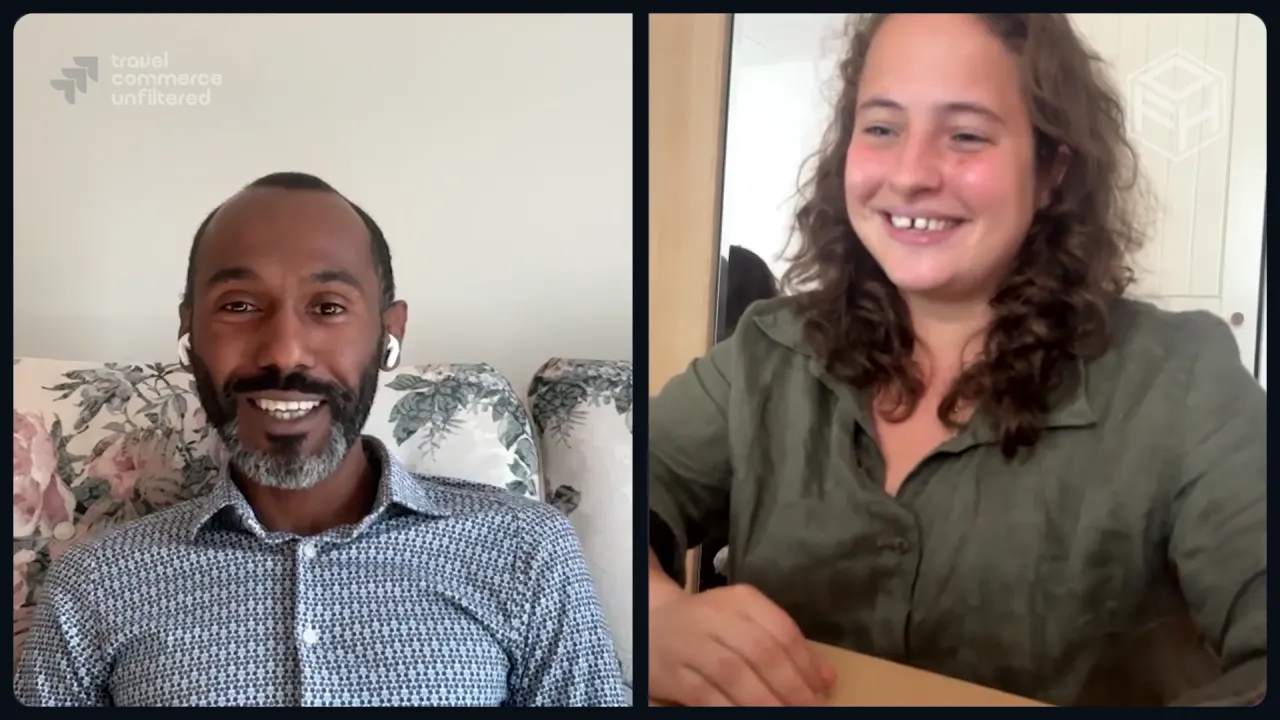
Jason D'Agostino schuift aan bij Tim Boersma voor een gesprek over waarom een gecentraliseerde revenue managementstrategie voor hotels midden in sales, marketing en operations thuishoort. Ze praten over vertrouwen, snelheid, strategie en waarom de beste beslissingen ontstaan als je het volledige plaatje van het hotel ziet.
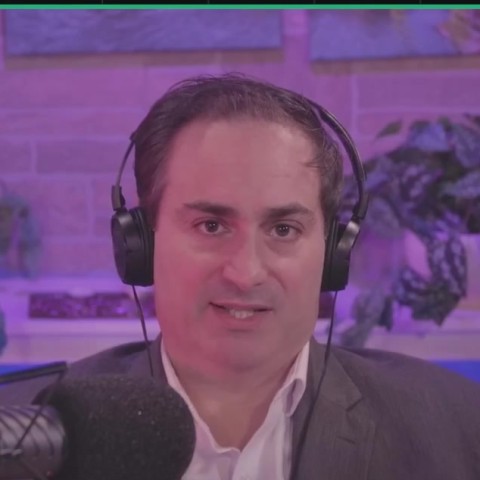 Jason D'AgostinoCertified Revenue Management Executive
BELANGRIJKSTE INZICHTEN
Een operationele achtergrond doet ertoe
Revenue managers met operationele ervaring vertalen data naar commerciële strategie, bouwen vertrouwen op met GM's en eigenaren, leggen risico's en tactieken helder uit en overtuigen stakeholders in plaats van spreadsheets op te sturen.
Revenue als commercieel strateeg
Revenue management staat nu centraal in hotels en stemt sales, marketing, operations en eigenaren op elkaar af; sterke revenue-leiders sturen de vraag, adviseren over conversies en PIP's en beïnvloeden de NOI verder dan alleen tariefaanpassingen.
Centraliseer een schone data-infrastructuur
Revenue-leiders moeten gecentraliseerde, schone data lakes en API-klare systemen bouwen zodat AI en analytics waarde opleveren; dat maakt snellere uitvoering, helderere inzichten, gevalideerde strategieën en meetbare ROI voor eigenaren mogelijk.
Revenue management is niet alleen het aanpassen van tarieven. Het gaat om het afstemmen van sales, marketing, revenue en operations, echt vanuit het midden, en het ontwikkelen van nieuwe strategieën om de financiële verwachtingen van onze eigenaren waar te maken.
Transcript
Klik op een tijdstempel om daar te kijken. De opname is in het Engels.
00:00Introductie en achtergrond van de gast
5
Tim introduceert de serie en gast Jason D'Agostino, die zijn reis van operations naar revenue management deelt en het belang van het afstemmen van afdelingen voor winstgevendheid.
the Future of HospitalityRevenue management is not just changing rates. It is aligning sales, marketing, revenue, and operations really in the center and developing new strategies to help achieve our owners' expectations financially.
Jason D'AgostinoWelcome to another part of the revenue management playbook. My name is Tim Boersma. In this series, we dedicate to understand how hotels can drive smarter price decisions within the structure, resources, and strategy, which looks very different for every type of hotel. Today, I'm sitting down with Jason DeCostino to impact the revenue management fits within a broader hotel operation Where can we add the most value with implementing revenue management? How the discipline is changing into technology, guest behavior, or anything else? Jason, for everyone who don't know you, can you maybe give me a slight slight introduction in your journey? What's your role looking like today? Words up to you now.
the Future of HospitalityGreat. Thank you. And, Tim, thanks for having me. So my name is Jason D'Agostino. I'm a certified revenue management executive. Most recently, I had the privilege of overseeing over 70 assets throughout the... Predominantly throughout the Northeast, portfolio of over 300,000,000 in top line room revenue. And, my my career started in revenue managements. Actually, revenue management found me. I was a operations person, by trade. At the time, I... It was an internal promotion opportunity from Visions Hotels that said, look. You know what? We we like what you're doing, Jason, with our sales and and marketing teams. At the time, I was a regional operations manager. They said we we wanna do this ourselves, and we wanna build our own in house team.
the Future of HospitalityAre you interested? And I said, absolutely. I'm interested. Why not? And as an operator, I thought I knew everything about revenue management because I sat in on every revenue call. I didn't realize, and I didn't truly appreciate until I'm sitting on the other end of the spectrum as the the revenue leader how it's more than just changing rates. Revenue management is not just changing rates. It is aligning sales, marketing, revenue, and operations really in the center and developing new strategies to help achieve our owners' expectations financially. And, early on in my career, I I started in food and beverage and had the opportunity to work through different departments.
the Future of HospitalityAnd I I I did a podcast a while back where I I spoke about how food and beverage working in that department really helped shape what I do in revenue management because it's all about margins. Right? It's all about cost control. And when you're working in food and beverage and you're working, you know, whether it be front of the house or back of the house, it's critical that you have your percentages correctly. Otherwise, you're you're running negative, and it's the same what we do in revenue management. Right? So we we need to make sure that we're priced properly in order to ensure that we could achieve maximum profitability and flow through.
04:00Vroege carrièrelessen en feedbackloops
10
Jason blikt terug op zijn ervaring in food and beverage en hoe constante feedback en data-analyse effectieve revenue-managementstrategieën vormgeven.
Jason D'AgostinoYeah. It's very interesting that you already made the connection between between the beginning of your journey into your career, how it end up in revenue management. And when... Let... Let's let's just start at the very beginning, and this is... And this beginning might be in food and beverage. Do you have a specific case where you sometimes think back about, like, this happened to me in food and beverage when I was still working there. And now I'm a few years further down the line, and you still remind yourself of what what happened that time.
the Future of HospitalityAbsolutely. I I... So in food and beverage, at the end of every event that we would do, and these events would last until 12:00, 01:00 in the morning, it could have been could have been a wedding, could have been, you know, a special event. But at the end of each event, we would have to bring back the the banquet bar, and we would have to review all of the consumed alcohol. We would have to review and then redo... Go over the inventories so that the next morning, our GM and our our team can look and see, okay. Was this a profitable event? Did this event make sense? Because then in a few days, it would be part of another meeting that our sales team would have, and they would meet with the operations teams and say, you know what? Did... Was this priced right?
the Future of HospitalityAnd, you know, we did everything in Excel. There was no AI. There was no taking a picture on your phone, and this isn't really that long ago. This... It's not like we're talking decades ago. It's just amazing how technology has changed it all and and really made it more efficient. But when I think back at those events, and the different things that I've learned in culinary, being able to apply that to what we do today. Right? Like, if, you know, you you ask me today, what are we doing to ensure profitability? My my first question is to an operator, what's our cost per occupied room? Right? What's our CPOR?
the Future of HospitalityWhat does all that elements look like? And that's the foundation for how we are going to start pricing and set our base prices in our revenue management system and, you know, as we look at displacement analysis.
Jason D'AgostinoIt's it's it's funny because it's a constant loop of feedback you're receiving from the results. And and I think this is what interested me in revenue management always that... I I worked in finance before, and with finance, you're analyzing a bunch of numbers over a longer period, and then for the... And you basically draw a conclusion. However, in revenue management, you also draw this conclusion, but then you can adjust your strategy or you can adjust things on a on a shorter notice to to be impactful. I think the most important thing is here, how is the constant feedback loop? How is it created? And and would you say... Because you quickly mentioned already the topic of AI.
Jason D'AgostinoWhat would you say is the biggest difference between you having that experience from an F and B perspective and and creating that feedback loop and seeing it grow to the company, and people will grow up now in the area of AI?
the Future of HospitalityGreat points. There's a lot in that in what you just said because for me today, it's... We're in the trust business, right, with what we do in hospitality, whether it be our internal guest or external guest. In revenue managements, stakeholders are looking to us for direction. They value our feedback. So when I'm able to sit down with stakeholders and they've looked at my credentials, if I'm giving advisory, you know, work or, you know, information or looking at due diligence, looking at, you know, looking at a pro form a, right, looking at an investment thesis, Where has Jason been? Where has the revenue manager been? Where has the commercial strategist been?
the Future of HospitalityWhat has that individual done? What is their background? I'm coming not just from academia. I am coming from real world experience starting in food and beverage, having been a general manager, having been in different departments. And it it really helps Because now as I'm sitting down with a general manager, they know that I've been in their shoes. They know that I understand the questions that the general manager is going to get during a monthly p and l meeting or a, you know, pop in visit that they may have with their regional performance manager. So all of that's relevant, and I believe makes a better case for why people would wanna do business with Jason as opposed to maybe somebody else because I I could truly say that I get it.
the Future of HospitalityAnd I... When I'm training revenue managers, I like to... Well, when I'm hiring a revenue manager, I I like to try to get a revenue manager that's... Has the operations background, not just somebody who graduated with a degree in statistics, who's smart with, you know, computers and Excel. I want somebody who knows how to communicate and and do so well because what we're doing with the data points that we have is we are... We're not just relaying information. We're trying to promote a strategy that revenue management believes in to operators that may not see it that way. I'll give you an example. You know, general manager says, look. We're not dropping rate below x, and there could be a number of reasons why.
the Future of HospitalityThey don't wanna be the party hotel, and I I I get that. And emotion. I... I'd like to want... You you did a podcast once where you brought up where you mentioned that there's a lot of emotion that an owner or a GM has when they say, let's not price below x. At the same time, there's a need for occupancy. Right? Now we're not saying every rate is gonna be sold at x rates. We need maybe a few rooms, and then we'll build up. So for us, to be able to sell that strategy and convince the stakeholders that this is the right thing to do for the hotel takes a takes a bit of an odd. Right? It's a balance, not just being able to read off, you know, numbers, but be able to articulate it in a way that's, you know, the stakeholders will understand, respect, and appreciate
11:00De veranderende rol van revenue managers
7
Een gesprek over de verschuiving van tariefaanpassers naar commerciële strategen, met nadruk op communicatie, operationeel inzicht en de integratie van AI en technologie.
Jason D'Agostinothe value in in in how we are communicating that at a revenue meeting. Yeah. And and you say you... Does it also training revenue management? What what do you think is the most common... No. I I don't like to put the word mistake, but the most common growth area for for new revenue managers?
the Future of HospitalityI think new revenue managers coming in think it's... They... Again, a lot of them don't necessarily have the operational background. What I see today is a lot of times they are just being fast tracked. Maybe they're in for a year. Some... And speaking with owners, one of the frustrations that owners have is that there seems to be this cycle of revenue managers that it's a new revenue manager starting, and then perhaps they're only supporting that property for a short period of time. They kinda graduate on from, you know, one scale of asset into the next scale, and they continue to progress, which... That's great for the revenue manager, for the hotel owner, for the hotel team.
the Future of HospitalityDifficult because you're trying to teach the revenue manager about the comp sets. And I think the real... The the the final answer to that question, because there's a a lot in there, but revenue managers, I I also think, need to understand it's not just the data that's in your revenue management system. It's the comp set. It's how's their sales structure. What does their commercial strategy look like as opposed to, you know, just the day to day rates? Because we have short term, midterm, and long term objectives. And that's... If if the revenue manager could see through that and could, you know, put together plans around that, that's very powerful, and that's gonna make make a huge positive impact on on what that revenue manager is able to accomplish long term. Yeah.
Jason D'AgostinoYeah. And I think also what you see a lot is that, like, in my previous podcast, we spoke about, like, what's the feeling and the emotion from owner operators towards their own prices. And I think what you sometimes see with revenue managers, especially maybe in the area... I mean, I'm not that old, but, like, even in the area after me where everyone tries to do everything with AI now, it's very factual. It's numbers and numbers explained by numbers. However, the translation from those numbers on a paper or on a on a sheet towards the owner operator or towards a group it's very hard when you don't have that connection. You don't have the touch points. You're not you're not knowing where this is actually coming from and what is the labor we put in to actually receive this number on this sheet.
Jason D'AgostinoAnd I feel that that is very important to have nowadays, especially if I look at my job and and and another thing, I think you experience the same. When you speak to owner operators, they have a certain feeling about their members on the sheet. But if you don't understand what that feeling is for them, then it's very hard to get them along or maybe even strange... Change their strategy to achieve the things you want to achieve. So this commercial thinking and this commercial translation maybe even towards communication is is is pretty hard, especially when you don't have the experience.
the Future of HospitalityAbsolutely. And I I think revenue managers... Some... You know, for new revenue managers going in, couple just quick things that I I would encourage their perspective to be is that every asset has a story to tell, and every asset has a different story to tell. They're not cookie cutter. Those stories are influenced by brand affiliation versus independent versus geography, location, their their comp sets, and when was the last time that property was renovated, and what... What's happening at that property. When you take all of that, you could create the story and tell that story and position it so that we could help create or shape demand for that asset.
the Future of HospitalityThe second part is, you know, as revenue managers, it's important that we position ourselves not just as numbers people, but as people who add asset value. We increase the assets... The the value, excuse me, the value of the asset that we are supporting. Right? And, again, we do that by establishing short term, midterm, and then long term goals and planning with the ability to pivot. Right? And and pivot's the keyword. If you've got a revenue manager that's just stuck on one DCs because that's what the trailing 12 looks like, you... That's not good. Right? It it... You need to be... It's agility that makes or breaks us in in what we do.
17:00De centrale rol van revenue management in hotels
16
Jason legt uit hoe revenue managers fungeren als spil die eigenaren, sales, marketing en operations verbindt om de net operating income te verhogen.
Jason D'AgostinoAnd and when when we speak about this, where in an organization and and can be different kinds of organization, where would you put the revenue manager in that organizational structure?
the Future of HospitalityAbsolutely. Revenue manager in the center and and in the center because we are... We're aligning ourselves with ownership. We're aligning ourselves with sales teams, marketing teams, and the operational... And the operations teams. So I really feel that we are right there in the center. And, again, not as just, people pulling levers, but people who are interpreting data, people who are partnering with, you know, all of these departments, and then making or recommending significant moves that will impact the net operating income of that asset.
Jason D'AgostinoAnd and in terms of of of, like, information streams, would it be, like, people reporting to the revenue manager, or will the revenue manager, like, hey. Can you provide me with this? And and I'm looking to look into... And then give you information back, like, okay. We we can potentially think about this because we need this and this for this certain period or for this certain property. How would you describe the relationship between... Is it more, like, receiving information, gathering information, or giving information?
the Future of HospitalitySo revenue management has traditionally been that data warehouse or data lake, right, where, you know, somebody wants a piece of information, they knock on the door or they shoot over an email. Hey. Send me that... You know, send me this... The star report from two years ago or whatever it was. Easy enough. Hit the send button. But it's not just the fetching for information. Anytime someone has come to myself or any of my team members, it's... Could you send me the, you know, trailing 12, and could you send me the segmentation reports that match up to this time frame that we're looking at? And then could you tell me what are the top three influences that impacted performance, and what was your strategy during that time?
the Future of HospitalityYou know? And how does that match up to budget? So we're we're not just a data warehouse, but we are, you know, a data warehouse plus, okay, what were we doing, and what could we have done to do better? Right? So it's commercial strategy, and that's where we all need to kind of align ourselves with the different departments. And, again, why I truly believe that revenue management is in the center of it all because we influence many different departments and and many things that are happening in these assets.
Jason D'AgostinoAnd and you mentioned commercial strategy and and in the podcast I did before with Nick, it still has to be be uploaded to to the Internet so people can watch that one as well. He was speaking about commercial managers more than revenue managers, which I found a very interesting shift because when I started the revenue management, we had this department where we're sitting with 16 revenue managers side by side, desk by desk, screen by screen. And everyone was doing... Pulling the numbers and everything. And he he was my mentor at the time. And and, actually, now he shifted a bit more towards commercial managers, which I found a very interesting shift.
Jason D'AgostinoAnd and I think what you say about the position of the revenue management team or the revenue manager within within a broader perspective, it's also similar to that one, which you which you also described like that.
the Future of HospitalitySo what I see happening is there's more and more of this commercial opportunity or or commercial position entering the scene. And this has been happening quietly, I think, for for a while, but it's growing more because... And I think it's influenced from AI. And I I try not to to push everything back to AI, because AI and revenue management's nothing new. Right? Machine learning has existed for decades. How we move forward with it, that's something different. But what I see happening is the revenue manager role kind of not fading, but changing where you have less revenue managers and more analysts who are actually just validating our revenue management systems.
the Future of HospitalityAnd then the great revenue managers, okay, because there's so many great revenue managers out there, are able to keep up with this evolution in our discipline and are able to emerge as the commercial leader, aligning sales, marketing, revenue management, and operations because no longer are we having to spend hours on pulling levers and, you know, doing all of the... Doing less tactical work. Right, it becomes now easier on account of machine learning AI and technology just, you know, improving over time and revenue management systems improving, allowing us to now say, okay. This is what my revenue packet looked like. These are the results. Let me now partner with our sales team to say, look. You know, this is the segmentations that's, you know, outperforming or underperforming, and then make recommendations to our sales leaders based on that. So...
the Future of HospitalityAnd marketing teams. Right? Looking at the different channels. Okay. Where is the business coming from? Is that OTA that's overproducing, is that profitable, or is it not profitable? Right? And then that commercial strategist really is, again, like I said, in the center of it all because ownership, again, wanting that, wanting to improve not just RGI, but NOI, that net operating income that is the bottom line, the cash flow. So great time to be in this discipline. You know, not... Nothing that... You know, you you hear all these headlines about AI changing everything. I'm excited about what AI is going to do in this lane, in this discipline Because there's always been so much work for that revenue manager.
Jason D'AgostinoNo. I totally agree. And I think when when I look at AI, it's it's... The thing I struggled with with revenue management, and and that was the point where where I said I'm never gonna be in revenue management anymore after my internship, was the amount of manual work I had to do in order to execute the strategy. And and if if you pull it back, you you basically had to do everything manually. You had to copy and paste. You had to do this and this in order to even start working on a strategy, and then you have to put in so many... Much manual work to execute that strategy.
Jason D'AgostinoHowever, with with the technical... Technology nowadays, it's so much easier to execute a strategy because there are so much helpful tools, and it can be a revenue management system, but it can also be IT tools. It can be AI. It can be everything. In order to faster execute your strategy and gets the results in back faster, which makes the review cycle even faster, which makes a market even faster reacting to every change there is. So in this case, I'm I'm super excited with the introduction of AI and and and the vast majority of changes we can do nowadays in order to execute that strategy. However, I think on the other side is having that knowledge, like, you have done it all to understand what actually happened.
Jason D'AgostinoAnd and what I'm fearing a bit is everyone who comes in now with AI and and don't have to experience where things are coming from, that it's harder to execute a... To to think of a strategy or change a strategy because which strings are you actually pulling? I think going back to the point where where you said I I I worked in F and B and then I'm... Wait... My way up, especially when you think about nowadays where you can execute strategy so fast that it becomes even more important. What's your background? And what's the liability you created over those years? I listened to a podcast yesterday where where they say the most important thing in the upcoming years is building your own little brand, like being a brand yourself, because that's gonna stand out in a world where everything is gonna execute it so fastly.
Jason D'AgostinoAnd I think this is something you see happening now, especially when when things can be executed so fast. There should be a point of trust to... In order to to change the strategy. And and now I know that I... I've used a lot of words. But but what's your take on on on all of this? Like, we don't have to be worried about, hey. I need to spend fifty hours to execute this strategy, but we can spend more time in building a strategy.
the Future of HospitalityI agree with it a 100%. I actually just, just this morning, posted on LinkedIn in response to a, a message that was out there about hotels. There's more deals coming out there in in in the hotel market, which is great. Right? And the deals are good, and it's good that deals are happening. But, you know, with every deal is a pro form a, is a investment thesis. And the data points look great for those deals to happen. But in order to keep the pro form a and in order to make those expectations, It's not the data that we have. We have the data. We have the technology.
the Future of HospitalityIt's how fast can we respond to changing markets to shape the demand. Enter what you just said. How quickly can we implement a strategy. We could look at at data right now, and we could, you know, we could look at a hotel that may be underperforming. And I know we could very quickly come up with two or three things that need to happen in order to flip the script. Right? How quickly can you execute that? Well, I think some of the brands are changing their systems to help make that easier. I do like independent hotels because in the independent world, it is a lot easier.
29:00Uitdagingen en vertrouwen bij het uitvoeren van strategie
42
Tim en Jason bespreken de balans tussen snelheid en risico bij het uitvoeren van strategieën, het belang van vertrouwen en het inspelen op snelle marktveranderingen.
the Future of HospitalityAnd and then certain revenue management systems do make it easier where it's, you know, the push of a few... A push of fewer buttons where it's already speaking with a channel manager across multiple distribution channels. So, yes, it it... You know, speed is critical. And then, of course, you know, verifying that these strategies when... Were implemented the correct way is equally important.
Jason D'AgostinoYeah. And I think... And and this is the thing with... I think with speed is always the thing. It's the same as driving a car. If you go super fast and you make a minor mistake, the outcome can be can be quicker. So there is a certain risk of performing at a at a at a high speed level. I mean, therefore, you have elite race drivers, and not everyone is driving a Formula one car or or a mass car. It's it's good that no one... That no one... Not everyone does it. But it's more specialized job. And I think especially when you look at the... Like, everyone is is saying to me, like, Revu mentioned before was a very specialized job.
Jason D'AgostinoAnd and the question is here, was it? Or becomes it even more specialized now by turning it to commercial leaders? Yeah. So so so there are different takes on this. What do you think about this? Do do you think that revenue management in the historical sense, it was a very specialized job, or do you think now the skill set is even being more... Needs to be more specialized now reacting at a faster pace?
the Future of HospitalityGreat question. And, you know, I say this gently and respect... Respectfully to all of our revenue management peers who, you know, started their careers at a at a different point. Right? I think earlier on... Because it's always been an evolution. Earlier on, it started in, you know, your reservations manager... Managers were your revenue managers. And it made sense at the time. Right? So... But then as things have changed, more technology, right, more working with sales, more marketing, more digital marketing. Right? You know, people who can go in and and analyze return on ad spend, people who understand different distribution channels, who understand that the OTAs are not necessarily the enemies, but a necessity in the in the cost of doing business.
the Future of HospitalityBeing able to have individuals who understand and value that and can put it all together and align themselves with sales, marketing, revenue, and operations leads me to believe that it is more of a specialty today than it was in the past.
Jason D'AgostinoAnd and if if we summarize this, and and, again, we look at the the previous revenue managers, like the previous era of revenue managers. I mean... And it's not not something negative because I think we always worked with the resources which were available. And now there are just more resources available. But I think the the the the side I want to go is, like, what do you do you think is the biggest difference between, like, a revenue manager fifteen years ago? And maybe even for yourself. Like, maybe that's a better question. What do you think if you look back at yourself fifteen years ago? What's what's the massive miss... Change that happened between you doing revenue management ten to fifteen years ago and doing revenue management now?
the Future of HospitalityWhen I first... When I began in revenue management, it was... For me, it was more... We were changing rates. We were more the rate changer and seen as lever pullers as opposed to having a seat at the table, as opposed to influencing, on a greater scale, as opposed to... You know, today, we're be... We're looked at... We're we're tapped to enter meetings where we're looking at hotel acquisitions. We're looking at hotel conversions. You know, we're looking at in... We're being invited to meetings where we're looking at a PIP or the hotels are looking at a PIP. And, you know, the question is, Jason, we have a 100 rooms, and the mix is, you know, kings and queen queens and suites.
the Future of HospitalityWhat do we do with this mix? Is this the right mix, or should we look at converting some of these rooms to something else? So revenue management today, like I said, in the center, and we're in the center because that evolution has given... Has really shined the light on what we provide more than just a Excel report or a Cognos report, but being able to say by making x y z change, your demand has now shifted, and now your hotel can command a higher rate, can command more group bookings on shoulder nights or on shoulder periods, and that's what's going to drive more top line revenue and bottom line profits.
Jason D'AgostinoThat's very interesting to see that... And especially, I I I fully agree on this take, especially because I think over the years, you saw this evolution of of... Like, basically, you put them to work related things of of the intern sitting at the table for the first time and now sitting not at the head of the table, but but you are very close to because of the experience and the knowledge you bring towards... And and I think maybe for investment funds, it's even more than for independence because there there might be slightly different things there. But that evolution in in towards, hey. We we we change rates towards, hey. We are thinking commercially now in order to execute with rates, in order to have the maximum profit here, is a very interesting one because... At the end of the day, we still change rates.
Jason D'AgostinoI mean, we we we align this with the strategy to change rates. Let let... We'll do that. Other other systems most likely will execute the rates. So it's still part of the job. However, the perspective has become so much bigger. And would you say this is only a take for for change or also for independent properties? Because you mentioned already independent properties can be moving a bit quicker than than a chain because of systems aligning or whatever. Do do you think this change also happened for independent properties?
the Future of HospitalityAbsolutely. And I don't think it's it's gonna be based on the, financial position or the position of the ownership and management company overseeing those hotels. So it could be it could be branded or nonbranded. But, again, it's exciting times wherever you are in this in this discipline. There's a lot of great things happening and and great changes ahead of us.
Jason D'AgostinoWith with change, I think it's a very more of a mandatory thing that there is a revenue management department. With independent properties, it's it's less likely. At least it's not it's not the standard. Will I phrase it correctly if for a lot of independent properties is a very good investment to invest in the commercial leader slash revenue manager?
the Future of HospitalityYeah. So, you know, I've been asked the question before, what do we need it for? What's the purpose? What are we doing? And, you know, again, it... We move so quickly if a special event is published and, you know, the news articles go out and you're... Don't have a revenue manager or a commercial leader or somebody who's dedicated to looking at that, do you really want that to be on the shoulders of your general manager who is handling, you know, operations, who's handling, you know, guest inquiries, who's handling compliance. General managers have a lot going on, and we need our general managers to be focused on what they do best, operations and operational excellence.
the Future of HospitalityEnter the revenue manager who... That person, if they are focused on rates, demand, shaping demand correctly, and making sure that our our product is is priced correctly, then it pays itself off. And at the end of the day, it's always about return on investments. Are we showing our ownership that we are not just breaking even? We don't just wanna break even, but we're actually delivering good profits that flow to the bottom line by having that position filled with the right person who understands the dynamics of that market. You know, again, I think that's what what really sets apart revenue managers. You know, great revenue managers understand the different markets and are able to... Whether it be remote or in market, are able to understand the different cycles or different seasonality that happens at these properties in these markets.
Jason D'AgostinoAnd and if you then look at... Because that... That's a take I very often hear from from owner operators. It's like, yeah. I know my market. I know my market better than than a system, or I know my market better than a a revenue manager would never have been in this market. If you if you look at a at a property, like, a owner operated property, like, five, fifty rooms maybe, what do you think could step potentially up as a commercial leader if you look at the people which are normally in those size hotels? Who who should be it?
the Future of HospitalityThe first thing I would recommend any revenue manager supporting a forty fifty room property, working closely with that owner operator is make sure you visit that property. Properties in that size, there's a lot of emotion there. Right? A lot of times, you... That owner is it... It's that person's money or family money and, you know, really responsible for returning investments and distribution. Right? So you need to understand that market. You need to have been to the comp sets. You need to know what the high demand dates are and price accordingly. And if you've got a... If you have a strategy in mind, it it makes sense to overcommunicate at times with those owners because they may have it set in one way how they see it happening.
the Future of HospitalityAnd they they, you know, they may be saying, well, we need to be at $4.99 every weekend. Now they go and they do a rate shop for two weeks out, and they see the hotel at $4.59, but that just shopped the advance purchase. And maybe you had a cap in there for five rooms at that $4.59 because you need to sell... You need to create some type of base. Right? Overcommunicate. In revenue management, transparency... In anything transparency, but especially with what we do is, like I said earlier, we... We're in the trust business. We need to be a 100% transparent with all of the stakeholders so that they understand what your strategy is. And I've seen a lot of times where, you know, somebody with the best intentions makes a move because they're trying to act quickly.
the Future of HospitalityYou know, they do... They see opportunity where they wanna respond to the market. But because they did not communicate it, it looks like we did something wrong or we made a mistake or left money on the table when in fact we were protecting the owner's financial, you know, goal.
Jason D'AgostinoYeah. No. I think that's really interesting. I think I think in a lot of things, like communication is key always. I mean, if if you're in a relationship, I think it's also also the case. Everyone says, you should communicate better. But I I know I I... But it's it's like explaining afterwards after something happened is something, but it's something to learn from. Explaining in an earlier stage is getting people along the line with you to do that. I think that's that's sometimes a thing which we forget that if we can explain afterwards, then everything is fine. I mean, is it?
the Future of HospitalityWell, hindsight's always twenty twenty. Right? And, you know, I... When I started my departments, I had revenue managers who were... Again, they were GMs right before. I had worked with them, and everybody makes a mistake. When a mistake is made in revenue managements where... Or specifically in pricing, maybe underpricing where the market sold out at a much higher rate or overpricing where you did not command... Where you overcommanded on rates. Your ADR looked nice, but your occupancy was... You know, you fell short. Those are the times where I don't... As long as we understand what we did, if you could explain the what and and why and we memorialize it, we could we could we can make up for that. We can make up for that very, very quickly. And I try not to get hung up on those mistakes. Rather, let's look at it as a learning opportunity.
the Future of HospitalityLet's challenge ourselves. Let's protect next year, same date, right, if it's a reoccurring event like a graduation or a special event that happens annually. But then let's let's say how much money did we lose, and let's find ways to 10 x what we lost throughout the rest of the year. Let's make up for that difference some way, somehow.
Jason D'AgostinoYeah. Yeah. Indeed. And and I'm just circling a little bit back on when you said... When you when you shaped the teams and everything. Did did you experience once that... And especially maybe for smaller properties, it's more the case, that an owner has a certain strategy in mind or a certain strategy was there, but you really had to push back on it because, like, if you look at the numbers, if you look at every... Like, everything, it doesn't add up what they're trying to do, and you really had to push back.
the Future of HospitalityAbsolutely. Absolutely. And I think that's where, you know, building that trust comes in. Having been to the market and and have that experience where you've you've been to the comp set makes a difference. Being able to explain to an owner that's... Look. If your goal is x, we need to make these moves here. And maybe some of that is an advanced purchase strategy that's, you know, two weeks out, one week out. Whatever that time frame is is potentially selling at a different different rate than what that owner would like to see, but we're only selling x amount of rooms at that rate. So what's that strategy?
the Future of HospitalityAnd that may may... There may be multiple things that we're doing to get to to then overall achieve what that owner is looking for. Right? Again, in revenue management, we have many different segments of business. We're not just selling bar or rack. Right? We're selling AAA, AARP, governments. Right? Different rate tiers that are needed to achieve the overall revenues. And then there were times where that same owner may say, look. We want everything closed. We only wanna sell at rack. And, you know, if the comp set's not doing it or if the comp set... You know, if we're overpricing, that's where I like to really have that conversation with the owner and say, at the end of the day, it's...
the Future of HospitalityWe'll do what you tell us, but here's the risk involved. Once we underscore what that risk is and we all put it out on the table, I think it makes a big difference. Right? Because you never just wanna say no. You wanna say how, but you also want to present what risk are involved if we steer away from
Jason D'Agostinowhat the revenue manager is recommending based on on what they see in the market. No. I think that's the... And that's what I tell all the hotels to speak to when we speak about revenue management and especially with rates. And and, like, for smaller properties, we mainly speak about bar or or rec rates because especially this... The really small properties like twenty, twenty five rooms, they don't have much government. They don't have much VAT or whatever. But then if we speak about revenue management, and especially when we want to increase or or lower lower the the rate, I'm I'm always explaining them it's how much risk are you willing to take in order to increase your price.
Jason D'AgostinoBecause every change you do comes with a potential risk and comes with a potential price to pay if it didn't work out. I think the the best example here is that if people want to increase their ADR... I mean, we can increase ADR. I mean, if you want to have an ADR of 200, you'll be... Only have to sell one room for 200, then you have a ADR of 200. Easy as that. However, what is the risk and how much risk are you willing to take to keep that ADR at 200? Because the risk can be that you only sell one route.
the Future of HospitalityAnd then end up and then end up with a RevPAR index that's under... That's, you know, way off. So
Jason D'AgostinoAnd... But I I think especially explaining what the potential risk are. And and what I always believe in in the fact is that, especially when you speak to owner operators, is get them along along the line with the story. Give them the option to choose from. Because there is always an option. We can always stick with plan a or we can go to plan b. However, if you if you explain the risk of plan a and explain the risk of plan b and and and both explain the the potential profits, they can make it a a choice. But they will be along the line with a choice because they are informed of the risk they are potentially gonna take with that choice, which I think is a very strong asset for revenue management if you can communicate that very clearly to people.
the Future of HospitalityAbsolutely. And then I think the other part to this equation, which kinda, you know, links back the evolution of what we're doing is the change in in revenue management where at one point, a lot of what we did was based on historical data. Right? It was that always just, well, what what did we do last year? What did the star report look like last year? Right? Today, we're not just looking at last year. We're looking at last year or previous as a... You know, not even so much a benchmark, but, you know, what happened. But now we're looking at what future demand looks like. Technology allows us the opportunity to see how well our comp set is likely going to perform.
the Future of HospitalityAnd, you know, thank you to all of the technology that's out there where we could see rates, rate changes, and and see how often the comp set is changing allows us to sit down with an owner operator and say, this is you know what? You're right. Last year, we made x amount of dollars, and that's the rate that we were selling at. And we were able to put on an m s two, an m s three, whatever restrictions that, you know, you you may remember. But this is what's happening today. And PS, two new hotels just opened up, and you've got short term rentals, that are in the market that don't even show up on your star report as as inventory in the market. So we're not just competing with what we had last year.
the Future of HospitalityWe've got new supply of hotels and short term rentals being sold on Airbnb and on Expedia and booking.com and other OTAs that are pushing our placements. And I say this also because this kinda goes back to that evolution of from... We went from revenue manager to commercial strategist because we're not just looking at the rates, but now we're also looking at the OTAs, our placements. Right? What we need to do to optimize our placement on an OTA, that becomes that commercial strategy bringing in that whole marketing piece into those revenue calls, those strategy calls so that we can drive the best performance and and optimize profit.
Jason D'AgostinoYeah. No. I I fully agree on this. And it's it's it's it's always funny to see that sometimes we stick to to old behavior when when everything is changing so rapidly. And I think especially when looking back to to last year, I'm just grabbing back on on the beginning of your sentence, is... And and we experience this because sometimes a market is not a steep line upwards. It's not that that a market every year grows in total and total revenue in that specific market. And even if it grows, then it can be that there are more competitors and then the share per property is less.
Jason D'AgostinoBut when when we speak to when I speak to hotels, we say, yeah, but I have 3% less revenue in... Than the year before, and that's very bad. Like, from from that perspective, indeed, it's not great. But then if you looked at a market, for example, down with 10%, I mean, it's still less than the year before, but it is always putting everything in perspective that normally, when you didn't do anything and just followed your market, it would be even worse. And that can also be a win sometimes that is not decreasing at a at a at a pace that the market is decreasing. And I think there, if you look into revenue management, it it can make a massive difference, especially from a commercial side.
Jason D'AgostinoAnd at the end of the day, I I truly believe that everyone who's in hospitality and everyone who is in... Especially in hotels, The most of them, they they really like to be there. I mean, everyone says, hey. I I really wanted to be in hospitality. But at the end of the day, everyone is there to make profit. Because otherwise, you're gonna be an institute where you're just gonna break break even at the end of the year. There are not that many. So at the end of at the end of the year, everyone still needs to have a plus and a green number. So so therefore what what happens, do you think, when when a revenue manager is isolated from operations? Because now we speak a lot of how a revenue manager should be in operations because this, this, and this. But what happens when a revenue manager is isolated from operations?
Jason D'AgostinoWhat's the biggest risk there?
the Future of HospitalityOh, it happens often because a lot of times you you have centralized revenue management offices, right, where the revenue manager is in another state, and they may be supporting, you know, fourteen, fifteen, 18 properties that are scattered. And it's making it difficult or impossible to visit those properties. We spoke about communication. Right? You know, making sure that that that there's open communication. It is making sure that our GMs also communicate and provide feedback and and and feel comfortable. And, you know, there... There's a stigma that there's a silo between the different departments. If there's a silo, something's wrong. It should not be happening. It needs to be broken, and everybody needs to be work... Everybody needs to be aligned.
the Future of HospitalityAnd, again, I think that happens by overcommunicating. And and and what I've encouraged my revenue managers to do is that you don't have to wait for the weekly revenue call. Right? You get the report that come... It's published in the morning, your your daily revenue recap, call the GM. Pay them a compliment. Right? Start with... Just by talking about those positive things that you see happening at the property. Don't necessarily end with the sales team also. So what that's going to do is that's gonna help ensure open communication and dialogue. This way, it makes it easier for the revenue manager to understand and and for that communication. The other thing that I I encourage revenue managers to do, carefully and with a grain of salt is to take a look at the reviews.
the Future of HospitalityWhat are the guests saying about the hotel? Go to the hotel website, maybe visit one or two OTAs, and, again, carefully use that to say what's happening at the property so that you can understand from the guest perspective what's going on. And I think I found that to be very beneficial because, you know, we may be looking to push rates, and there may be a elasticity point where that... You know, where maybe we're stretching it because the asset is, you know, at the time where it needs renovation. And if you're looking at, you know, a lot of comments that reflects on that age of the asset, you may have to reconsider what your strategy is.
the Future of HospitalityRight? So, again, just something else to... Another tool that we could use to, you know, kinda plug ourselves into operations.
Jason D'AgostinoI... It's it's one thing I just... It's... Keeps spinning in my head from this sentence you said. It's like, the revenue manager gives a compliment to the GM. I think that really shows what the evolution has been from a revenue manager. Because I think when you look fifteen, twenty years back... I mean, even even if you look five, six years back, it's the GM who's gonna tell the revenue manager, hey. You did well there. And and it would never... It wouldn't happen that often that it would be the other way around. So, therefore, I think that's... That that's... That few words really indicates what has been the growth of a revenue manager within the commercial side of of a property, which is very interesting to me, typing in numbers and now being able to give a compliment to someone else. I mean, you can always give a compliment, but I think the the relationship very much changed over the years.
the Future of HospitalityOur VP of operations would do, you know, site or hotel visits. He would visit the hotels, check-in with the GMs, and I had a missed call. I went to voice mail. I checked my voice mail, and he said, Jason, no need to call back, but I just wanna let you know I just left this hotel. General manager is very happy with what you're doing. I looked at the star report. Everything looks great. Great job. You know, very quick call. It was a voice mail, and it it it gives you a boost. It makes... Motivates you, and you're appreciative. And you're you're you're you're looking, and you're like, wow. This is great. And I learned from that, not just from that, but what... You know, me getting that from our VP, what would it be like for our team to give those to our GMs, those, you know, random calls recognizing the positive things that are happening?
59:00Toekomstbeeld en de impact van AI
27
Jason en Tim verkennen de toekomst van revenue management, met focus op databeheer, AI-integratie, personal branding en de behoefte aan menselijke strategie ondanks technologische vooruitgang.
the Future of HospitalityBecause too often people just focus on, you know, negative trends. We we we need to complement when complements are are earned and deserved.
Jason D'AgostinoI think... And and and I speak to a lot of people within within the company I work for and with... To a lot of revenue management. And one thing I always notice is the fact... And I think it's the behavior of a revenue manager, generally speaking, we are... A lot of times, we are problem solvers. And when there is a problem, we're gonna solve it. And by being very focused as a problem solver, you often forget to see all the things that goes great because you see this rule a lot of time meeting, which can be improved. And and and therefore, I really like this one that it's a key to sometimes highlight the others as well. I mean, we still can solve problems when we give a compliment.
the Future of HospitalityAbsolutely.
Jason D'AgostinoAnd what would you say for for... Within the next five years, where do you think revenue manager or commercial leaders would spend the most time on? I mean, the last few years went... In terms of evolution in in this this working environment went, like, totally mental sometimes. If you look at the change, what is your take on on the next five years?
the Future of HospitalityA lot of things happening. I think the... One of the key pieces that's going to happen or key focus at least in the next twelve to twenty four months is data... What is the data leak. Right? So I I recently started taking, AI, leadership classes, and it's it's been great. And I didn't... You know, I was hoping to get... I'm I'm getting everything I wanted from it, but I'm able to connect some of the dots, and it makes a lot of sense. They they speak about clean data and and making sure that it all makes sense. So for us, we have... Hotels have data in Excel. We have data in Word documents. We have data all over the place, and they're in, you know, different... You know, who's holding something in one file versus on the cloud versus, you know, 10 other places.
the Future of HospitalityI think revenue managers are actually gonna be charged with building that centralized data warehouse, that lake So that's as hotel owner operators, management companies start adapting to a AI, type of resource for their organization, they're gonna be able to tap into that data, and it's gonna be clean, and it's gonna be ready to pipe in some type of API integration. And then we could start using different formats to extract that data into whether it be a a chat and asking a question or some type of dashboard. So I I think that's I think that's happening. And I know in some organizations, it's happening right now as we speak.
the Future of HospitalityI think the revenue manager being accustomed to different, you know, types of data and and Excel files and all was really poised, really well positioned to help lead that charge. And there may be some crossover where it's not just revenue management. There's operational things that are happening too where that revenue manager or revenue leader may assist in some of those special projects.
Jason D'AgostinoYeah. And and this this... Does we think of something else? And and, like, saying all this and and whatever revenue manager nowadays does. If you can rephrase the job title of a revenue manager, what would you call it?
the Future of HospitalityThat's a great question. Well, you know what? You got me there. But my my son one day asked me, dad, what do you do? Okay. And I said, you know, I'm a revenue manager. He says, well, what do mean you're... What what does that mean? I help people achieve their goals. So whether you're called a revenue manager or a VP of revenue, a commercial strategist, what we do is we help people achieve their budgets, right, their financial goals. Being that bridge, that person to help achieve that goal, that's what I enjoy doing. And I I I love what I do, and I told my son in the same sentence, I don't work because I enjoy. I love what I do. I'm very passionate about it. Helping people, working with people, being that problem solver, like you mentioned earlier. Right?
the Future of HospitalityLove doing that. It's that gratification that we get and then being able to track the success of what we did or say, you know what? We need to rinse, wash, repeat until we find what that right solution is.
Jason D'AgostinoNo. I I honestly agree. And and and in terms of the of the job title, I mean, I always said that I don't care about my job title. It only cares what I do and what my job description is. I mean, that's more important than the title there. I know that in this world, especially with LinkedIn and everything, it's it's nice to have a title which which where people think of, hey. This could be someone for us. So from from a career perspective, I get it. But from a personal perspective, I think that's completely different.
the Future of HospitalityAnd that goes back to branding, like you said. Right? Everyone's got their personal brand. And, you know, we do live in a in a world where that title on LinkedIn or any... In in that corporate environment
Jason D'Agostinodoes mean what your next... What your trajectory does look like. So And I think this case is it's maybe connecting two dots for myself. Like, we we are building a personal brand out of ourselves, and it's very similar to auto. Because they are building a personal brand for themselves as well, and they... And people will think about, hey. I need x person, and I'm gonna look for this job title. And I need x hotel, I'm looking for this hotel, which is... Which interests me always that there is so much overlap between a lot of things. Then I have I think two last questions. And one of them is, is there a a mind mind shift that that the industry needs to make in your eyes for the next... And we we we started to talk about five years, then you're correcting a rate to twelve to fourteen months, which I think suits better, especially in the current environment we are because everything goes so fast.
Jason D'AgostinoBut is there a mind shift that that that the industry still needs to make about revenue management?
the Future of HospitalityYes. It is... Technology is great, but you still need people to develop the strategy. So there are people there who... Again, there's a lot of buzz about AI. Right? And then AI changing things and then, you know, what that's going to do to the revenue management role and position. We we cannot put that out to pasture. We're nowhere... We're we're not close to doing that. Some people think that it is there. I will, again, go back and remind everybody that if you want, you can today turn on auto publish on your revenue management system, and you can allow it to revenue manage on your behalf. Right? But you still... It it would not be the best thing to do because you need to still validate, okay, the anomalies. You need to validate, you know, different demand shifts, and you still need that person.
the Future of HospitalityRight? So I I think that's one piece. I think the other piece is as we're... We hear about AI, my advice for owners or for anybody, you know, entertaining it is what value is that bringing to RGI, and what value is it bringing to NOI? Is it improving the NOI? There's so many vendors out there that are trying to push products that doesn't necessarily show the value or show how the owner is going to benefit from it. Right? And it's... That's a... You know, we need to show efficiencies. It's, you know, like you said, the cost rise. Right? We need to be profitable. So in order to do that, we need to make sure that we're... Our technology investment is not just breaking even, but bringing a true return on investment.
Jason D'AgostinoYeah. And and and and in the first part of of here, it's like, at the end of the day, a revenue management system or an AI model will still only execute the strategy you give it. And the strategy still has to be made. It can execute, but, like... And that... That's what we spoke about earlier. Like, this this execution part is is the, I think, the biggest thing that's... That changed over the years that we don't have to spend much time to execute, but we still have to think about a strategy to let be executed. Then then now I'm gonna gonna put you on the spot.
Jason D'AgostinoAfter after after this this chat we had. Do you have a question for me?
the Future of HospitalityWhere do you see the the app? Do you see AI and all of these things changing as quickly as the media and as quickly as LinkedIn and other social media outlets are pushing it, or do you think that there's some time in there before it all... Before we really start to see the impacts on our day to day life within revenue management?
Jason D'AgostinoGreat question. Maybe I should have thinking about this question to ask you. I I think it differs a lot which kind of properties we we are talking about. And and the funny thing is I think for the smaller size properties, for the independent properties, it will go crazy fast. And and this because, currently, we can... We we have the superpower with with AI to build systems without much investment. So everyone can basically build a system, which is gonna result in a lot of good systems, which are also gonna result in a lot of bad systems. So will will that change very rapidly for the smaller properties? I, a 100%, believe in that. Do do I think that, like, the industry can already catch up with that? I don't think so.
Jason D'AgostinoBecause it goes faster than than the adoption of an industry, which has, of course, changed over the years, but didn't change that rapidly. And now a very, very much change are pushed in a very small time frame, which is... I think my main concern here is that it's... When you rush things, and I think it's the same with with with the thing... When when you increase speed, the direction you take left or right will be having a bigger impact. And when we increase the amount of possibilities to work with AI or or build different systems, which can be either good or bad, the faster you make the decision, the the bigger the impact will be even if you choose a wrong one. And it does something to the trust into those kind of systems, into revenue management, into a lot of things.
Jason D'AgostinoAnd I think that's that's gonna be having an impact the upcoming years on on a lot of different things because it puts everything in a different perspective. On the other hand, a lot of things are already changing, which also makes it harder to point the direction where the change was wrong. Because if you do four changes at the same time, I mean, which which one of the cards you played was the wrong one. So we... We're going into this direction where a lot of change are following each other, like, very rapidly, which also makes it harder to circle back and which change was actually wrong.
Jason D'AgostinoAnd, therefore, I think for these bigger properties, will slightly slow down because they are, I think, a little bit more conscious, a bit more careful in the directions and the strategy they choose because they also have more time of the brand awareness they have instead of a smaller property which has to be a little quick fish and stream stream through everything. So I think there are two different paths that I'm I'm I'm very curious to see where we are, not in in... Even in five years, but where we are in, like, 03/18/2027. And especially for the independent branch, independent sized properties because it can go very well for some of them, but it can also be be on the other side. I think then if we circle back, if you have a revenue manager and you want to invest in AI, then make sure that you have someone you can trust to guide you along the line.
Jason D'AgostinoBecause making a decision from out of nowhere is like, hey. This looks cool. It's not always the best. But, I mean, it can go can go well. And then even here, if you circle back to the fact where, hey. What are the risks involved? Then a revenue manager can also tell you about the risks involved in choosing a revenue management system or an AI tool to let your prices do their thing. Because at the end of the day, I think it's a human brain who makes decisions on the risk we are willing to take and how much risk we are dared to take. I mean, that's basically how a human works.
Jason D'AgostinoAbsolutely. We're not gonna climb a mountain if we are scared of it because we found the risk to hide that we injure ourselves. And I think that's the same here. However, I think we feel that we are gonna be forced to make decisions on a very quick pace without holding a back breath once and then look at, hey. What's the potential risk of the change we're gonna do? Hopefully, that answers your question. Absolutely. A very big thanks, Jason, for being here. I I found it a very insightful conversation. I think I connected some dots in my mind as well, which might not be connected before.
Jason D'AgostinoFor everyone, hopefully, you enjoyed listening. You can add us on LinkedIn. You want to have a conversation afterwards or you have questions, then feel free. Thank you.
the Future of HospitalityThank you for having me.