















 EPISODE · 47 MIN
How Black Label Hotels Scale Profitably
Martin Hendricks of Black Label Hotels reveals the profitable hotel scaling strategies behind a rebellious hotel student who built a resilient group, survived two major crises and turned loss-making properties into profit. Hear hard lessons on scaling, brand strategy and operational fixes that fuel rapid growth. Practical, candid and inspiring.
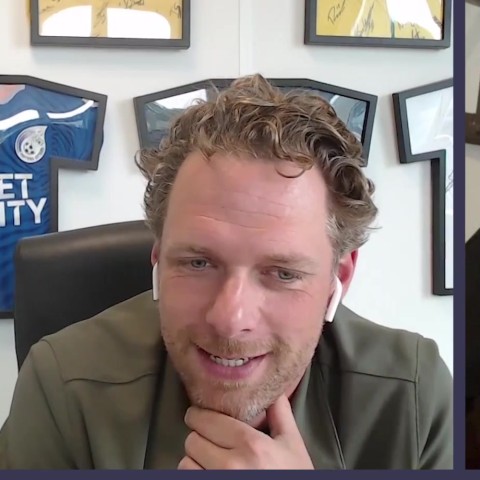 Martin HendricksFounder & CEO
KEY TAKEAWAYS
Start scrappy, scale operationally
Built the business from a castle guesthouse, personally doing laundry and events, then scaled by identifying and improving dozens of small operational P&L items across sites, showing scrappy starts can be systemized.
Use franchise brands strategically
Operate as a franchisee to accelerate growth: brand distribution shortens ramp-up and creates brand margin that can exceed fees. Use comps and STR data to quantify ADR uplift before committing and model scenarios.
Small changes multiply profits
Made a nine-year loss hotel profitable by auditing staffing ratios, renegotiating supplier contracts, and applying 5-10% improvements across many P&L lines. Repeating small changes across sites yields big impact.
We are hospitality people. we are not real estate guys. We are not finance guys. We are hospitality people. we understand what's going on operationally with this project behind every line of the P &L.
Transcript
Click a timecode to watch from that moment.
00:00Introduction and Background
21
Host Arjen introduces Martin Hendricks, founder of Black Label Hotels, who shares his upbringing and early rebellious years before discovering hospitality.
"the Future of Hospitalityright? Okey dokey. Three, two, one. Welcome to our podcast, The Future of Hospitality. I'm your host Arjen Eikenboon and today our guest is Martin Hendricks, CEO and founder Black Label Hotels. Martin, welcome to our show.
MartinThanks, Ayan. Thanks for having me. Amazing.
the Future of HospitalityI would like to hear, introduce yourself. Who are you? What do you do? But first of all, what is all that behind you?
MartinOnce again, thanks for having me and behind me actually, you know, I have about 15 football shirts in my office. You I was born and raised in the south of the Netherlands, very small town, Sittard, and this is the local club. And it's, well, it's been a supporter of the team since I was like four years old, I guess, and it doesn't go away. So that's it.
the Future of HospitalityA hardcore soccer fan.
MartinExactly, hot, cool, fan.
the Future of HospitalityWonderful, wonderful. So Martin, go ahead. You mentioned already the South, South Limburg, the province in the south of the Netherlands. Sithardt you mentioned. Go ahead.
MartinWell, as you said, Martin Hendricks, I'm the founder of Black Label Hotels. So currently we operate around 10 hotels. So now, well, let's not say around 10 hotels. We operate nine and we're building number 10 and 11 now. So that's it. It's going in a good direction. As you said, Bonerace in the south of the Netherlands absolutely did not come from a family of entrepreneurs, did not come from a family of hoteliers.
the Future of HospitalityWonderful.
MartinSo it's quite interesting, my story, how I rolled into hospitality. So both of my parents, actually, they were teachers, round school teachers. that's elementary school is, I guess, the right word, elementary school teachers. You know, I was on a path of, know, I didn't know what I wanted to do with my life. And 17, 18 years old, finished high school, everything was...
the Future of HospitalityRight.
Martinwas acting out a bit to be honest, know, a bit rebellious. And my mom thought it was a good idea to send me more or less to a hotel management school in Maastricht because you know, you have to go, you have to go live at a hotel management school in Maastricht. So the first year you have to go to a campus, you live there and then, know, I don't know what she thought. Well, she told me after, you know, like a couple of years ago, actually, she told me, well, you know, I thought it was more or less like a
the Future of Hospitality. .
Martinin English boarding school, so very strict. Go to bed early, wake up early, do your job, do your homework.
the Future of HospitalityShe couldn't handle you. She couldn't handle you. That's probably what it was. And she was like, okay, I'm gonna send you to a boarding school or something similar.
MartinWell, yeah, well, more or less, you know, as I said, I was acting out. I was really, really acting out. I was really rebellious. And I guess she...
the Future of HospitalityCan you give me an example of how you were acting out? Tell me something about that.
MartinMan, I wrecked three cars over the course of two months. I told her I was going to, you know, yeah, I actually told her, you know, every day in the morning, I said, I'm to school, right? So, but I quit school after two, three weeks, I guess. So after high school, I went to university to study commercial economics and I got there and it was so, well, it was.
the Future of Hospitalitymy God.
Martinboring and salad. So I thought, what, what, what am I doing here? So I told her every morning, I got in my car and I, my new car, because I wrecked three of them. And I said, well, you know, I'm going to school, right? And then she found out, of course, you know, I didn't go to school and she, well, I wasn't really, um, uh, still hurts thinking back of the moment she found out. I think she slapped me on, on the head a couple of times. Um, and
the Future of HospitalityYou You
04:00Discovering Hospitality and Education
10
Martin discusses his experience at hotel management school in Maastricht and how the practical, operational side of hospitality suited his personality and concentration challenges.
MartinYeah, well, she had a she had an idea of sending me more or less to like a boarding school. I thought, you know, hotel management school, I got there and what campus at hotel management school, Maastricht, I can tell you a lot, but it's it's everything but an English boarding school, right? So I thought, well, if this is where you sent me to to get me back in line, I'll play the game with you. So I went to school and
the Future of HospitalityOkay.
MartinWell, honestly, felt like I felt at home there, you know, made a lot of friends and then hospitality came. I almost would like to say it came with it, right? So I was there, I felt like a fish in the water and it was, I got the hospitality fever.
the Future of HospitalityWow, okay. So what made you, you said, okay, I felt at home, I felt comfortable there. What made you feel comfortable at the hotel's group? Because you were rebellious, you were still young. And your mom thought, okay, this will be a good school for him to discipline him. That didn't quite work, but she, well, something there triggered your mind, triggered your attention. And it also quite kind of motivated you to go ahead with the flow. Am I correct? So she was right in a way, but tell me what was it?
MartinYeah, yeah, absolutely. You know, so I had a well, yeah, absolutely. Absolutely. was right. And she's she what you know, she knows how to read me. She knows I have a very big problem with concentration. Right. So not only back then, but still, you know, my concentration goes the span of concentration, I would like to say is like, well, maybe 10, 15 minutes, something like that. And You know, the Hotel Management School, not only a master's, but like a hotel management school is actually it's the best of both worlds. Right. So they teach you a lot about management. So it's a very, very good education. But it's also it's I would say like 50, 50 percent of, you know, being in class, doing your studies and doing your work. And then the other 50 percent is, you know, you really want to teach in the hospitality profession. it's operational. So and that's that was something that sat very well with me and I felt very much at home there. And of course, you know, going to a campus, you know, I wasn't the only one of us. It's like 350 students living at this campus. And you make friends for life. It's you go there and everybody has more or less like the same mindset. Right. And while you're in it together, so you live there.
the Future of HospitalityAll right.
Martinmore or less 365 days of the year and you build friendships that last for life. So one of these guys that I met there is, he was my, well he's a godfather to my son. One of the other guys is, know. Wedding, it's unbelievable.
the Future of HospitalityYou mentioned you're still struggling with concentration, an attention span of 10-15 minutes. How did you manage that in such a structured education?
MartinSometimes it's, yeah, well, sometimes it's really like just pushing through, right? So I went there not knowing that it actually was exactly what I was looking for. But as soon as you figure out that this is the profession that you want to be in and this is what you want to do, you want to make it work, right? So I have, I'm very lucky that, you know, in terms of, you know, actually doing the
the Future of HospitalityRight.
08:00Early Career and Setbacks
23
Martin recounts internships, the 2008 financial crisis impact, and his first entrepreneurial venture managing a castle-turned-event venue in Moscow.
Martinstudying is very easy for me. So I read stuff once or twice and it's in my head. So that's something that I'm very lucky with. But then still, you you need to go through the process. And then as soon as you understand that this is what you want to do with your life, you you're hooked, you get the fever and you want to stay in it. And, you know, then you have to just make it work.
the Future of HospitalityRight. So what happened after that? So hotel school, you graduated. Did you do some internships in between? Or after?
Martinyou Yeah, yeah, well, you know, during hotel management school, it's actually you have to do one internship that's very practical, you know, like working in a hotel, which is fine, which is nice, and which is all cool, you know, you go abroad, or 99 % of you guys go abroad, and it's, it's, it's, it's a hell of an experience, I would like to say. And the other internship is like more managerial internship management internship. And I was always very interested in You know, I felt, know, at the hotel management school there is like, there's a gap between, you know, they teach you, okay, Marriott, that's like $5,000 or $6,000, and Hilton has $7,000. But the gap that I felt, you know, was there is that they don't teach you. how is this market actually, how are these guys expanding? How is this market, what does it work, you know? How do you go from one to two to five to 10 to 20? And if you have 5,000, how do you keep the overview? And I was very lucky actually. So one of the lecturers at Hotel Management School of Nassau was a young Janssen, very enthusiastic guy, ambitious guy, you know, and he was leading the European Acquisition and Development Department of a small American hotel chain.
the Future of HospitalityRight. Mm-hmm.
MartinDolce International. then it was a standalone Dolce International. Yeah, so back then it was internationally operating, family owned. So like 45 hotels, I believe, back then. And now they're actually bought. So I guess like two or three years ago, they were actually bought by Wyndham. And now they're expanding. I was so interested in how the expansion of our hotel chain goes.
the Future of HospitalityDolce International. Right, Hmm. The business part behind the scenes, the whole development, the expansions. Interesting.
MartinAbsolutely. Absolutely. And I just I stepped up to Jan and I asked him, well, I see you're doing this. This is exactly what I'm well, more or less missing in my in my education. So can we do something? He said, yeah, sure. You know, it's more or less a one man show in my office. So I am European acquisition and development department. So it'll be a lot of hard work. It'll be a lot of, you know, one on one. So you and me. But if you're up for it, let's go. And that was like 2008. just at the end of well, yeah, well, you know, that's actually so I had my whole career actually banned out. So in my head, I thought, okay, this is my final internship. I'll do a great job. actually did a good job. So the end of 2007 up until mid 2008. So this is my internship.
the Future of HospitalityFinancial crisis just started at that time.
Martinkicking ass, high-fiving together with Jan, of course. And I thought, this is it. I'm going to go do European acquisition and development for Dolce & And then you you mentioned it. I'm guessing it's like October or November 2008, financial crisis hit.
the Future of HospitalityYou're exactly right. October, November, 2000, they did hit hard.
MartinOh my God, and it hit us. It kicked us in the gut. It was unbelievable what happened because everything that we were working on, it went so fast, it was unbelievable. Dolce International then actually stopped the entire European acquisition and development department, which was, for me it was like, oh. Crap, you my entire career I had planned out in my head is gone, right?
the Future of HospitalityThat was your first real setback. It hit you hard. You were like, that was a test. Okay, how resilient are you?
MartinThat was a test, I can tell you. Yeah, so, So the idea is out the door. then I'm guessing it was more or less like, for me it was more or less like the perfect storm, right? So a friend of mine called me and he said, you know, listen, I have a castle in Moscow. It's a very beautiful thing. Yeah, he lived in a, he bought a, yeah, A chateau, yeah, a beautiful chateau. And he bought it to live in actually.
the Future of HospitalityA castle. Okay, just making sure that I hear a castle. Let's shut though.
MartinBut he's like 11 months of the year, he's abroad, right? So he said, I need you to be more or less like a groundsman. But you can also, know, I have like a guest house, you know, there's eight rooms in there. can do play around a bit like a hotel, try to rent it out as a wedding venue. And I'm like, yeah, sure, why not? I thought. I thought to myself, why not? You know, I could live there as well. It's a beautiful location. could, you know, start entrepreneur-ing a little bit. Not very high risk, but you know, low risk getting into entrepreneurship. And, you know, we went from one or two weddings a year, like two or three rooms sold per week to, you know, being fully booked, doing like 80 or 90 weddings a year. That's when it went from something cool on the side, I would almost say, to a proper business. That was absolutely amazing. But that's when it hits you that you're no longer just a student or just finished studying. You're now a proper entrepreneur.
the Future of HospitalityI want to walk back a little bit. Let's backpedal a little bit. So that castle came inside and you decided to just go for it and produce weddings or events at that space. Was it ready for people to run as a hotel as well? Because you said we had rooms booked and we...
Martinstill very young praying to figure out everything myself, right? So as I told you before, I didn't come from an entrepreneurial family. Yeah.
the Future of HospitalityHow did that go? Was it ready or did you have to just decorate it yourself? Tell me a little bit about that.
MartinYou know, was it ready? No, absolutely not. You we just, you know... I'm thinking, don't even think Airbnb existed back then, right? But we started to put these rooms up online, know, like a B &B, a bed and breakfast, and you know, all of a sudden, we would get some pickup. We had a restaurant next door, or at least on the property, right? So on the ground, so it was a restaurant. started talking to them, okay, guys, you know, if you have somebody that wants a room, whatever, know, wants to make a weekend out of it, just let me know. And it just blew up.
the Future of HospitalityNo.
MartinBut in the beginning, was it ready for guests to come and stay with us? No, absolutely not. I can still remember the first year I did the linen myself. I had like two or three washing machines running, doing the linen myself. It was absolutely...
the Future of HospitalityAs we say in Dutch, you did it hauky-tauky from the start. But that is those, I mean, I love that story in itself already. I mean, you started from scratch, not knowing. Well, you had a vision or you were ambitious and without having the tools, you just went for it. And what I hear a lot is that entrepreneurs who are successful, they start exactly like that. Without, they have quite a vision, not the tools yet, but they create or find the tools along the way. And that is what... I'm hearing in your story, go ahead. Sorry.
Martin100%. You know, it's no, well, no, no, 100%. You know, you're, there is no reason to overthink stuff. You know, if you, if you have, if, you have a, you know, there's a lot of ambition and there's a lot of willingness to work. You know, I worked a lot of hours in each day. In the end, you know, you'll make it work. But you just have to start, you know, and there is a lot of, you know,
17:00Growth, Challenges, and COVID Impact
33
He explains scaling from a one-man show to multiple hotels, the stress of events, and the severe challenges posed by the COVID-19 pandemic.
the Future of HospitalityMm-hmm.
Martinstartups now being set up, started, to be honest, think it's over thought in some cases a little bit, and also, well, you can't think of every...
the Future of Hospitalityknow what you mean. It needs to be all, it needs to be designed like it's okay. I get it from an investor's point of view and I get it with the mindset, with all the tools that we have, with the technology, with the legal aspects. get it. Times have changed. I think that was, you were in a timeframe where this was still possible and it's still possible, but in Holland, in the Netherlands, in Western Europe in general,
MartinThat's true.
the Future of HospitalityThere's a lot of regulations that you probably hit those as well at some point. So tell me a little bit about that. So you did that. It wasn't one-man show. Am I correct? For how long?
MartinAbsolutely. Yep. Well, you know, it was a one man show for, for, let's say three, four, five years. And then after, know, it's, it's staff started coming in, you know, but then it's like one or two people or three people. So basically it's a one man show for 10 years. Right. So from 2008, 2009 up until 2019. But I, if you run a one man show, You know, I have a lot of ambition and the idea always was, you know, I want my company to grow, right? I want to grow, want to expand, I want to scale. And it's just, you know, if we run a one-man show, you're limited by the hours that you can put in. So you can put in, you know, let's say 16 to 18 hours a day, decently.
MartinBecause you have to sleep, have to eat, know, stuff like that. And it's, it's very difficult to scale. It's well, it's not difficult. It's impossible to scale. And then looking at the business as well, had a lot of stress. You know, I know I'm in the good sector. I know I'm in hospitality. I want to do hospitality. But then if you look at, you know, banketing and events, and also hotels, these are like two different things, right? So I had a lot of stress from events. So we have to reinvent the wheel every time, right? So brides, mostly to be honest, have a very super high expectancy of the day. And then everything has to be perfect, which is all fine and all good. But that means that every event in itself, you know, starts from scratch. And then, know, at three or four in the morning when the party is done, you still need to clean. And then the next day, the next couple is there. Right. And then the entire show starts again. And I felt, you know, that hit me very hard because it's it's it's high stress. It's hard work as well. So high stress and hard work. And it also, you know, business wise, it has a massive impact on your liquidity. Right. So I, as an entrepreneur, have a lot of stress. You know, if my liquidity goes from
the Future of HospitalityYeah.
Martinlike, you know, up and down.
the Future of HospitalityYeah.
MartinAnd I also had this very small hotel, you know, we evolved from, know, in the beginning, I said like four or five rooms, I don't even know what it was. But then we went to 12 rooms, a super small boutique hotel, know, next to this massive event location. But still, there was no stress really involved because, know, liquidity, you know, there's always cash in all of them. The occupancy was good. People check in, people check out. So I thought, okay, if you want to scale those hotels is the way to go, right? So we have to focus more on hotels. And this was like late 2018, beginning of 2019. So we reached out to some contacts we had, so we estate developers, but also hotel chains. And this went actually super well, super good. So we we signed four hotels between 2018 and, you know, early 2020. And that's when the next big, well, crisis hit us. That was COVID. my God, it was, was, it was, can I say what I want to say in this show? It was a shit show. It was unbelievable. It was unbelievable. You know, I can still remember I was in the lobby of one of the hotels.
the Future of HospitalityLet me guess, COVID. Yeah, go ahead. Just don't mention your words. It was a shit show. Okay.
MartinIt was March 15th, right? And then the Dutch prime minister just had a press conference. It was like 5 45 in the evening, I guess. And he said, you know, at six o'clock in the evening, everything has to shut down. And we're like, that was that was unbelievable. Right. So
the Future of HospitalityI know, I remember that was just, yeah. What did you do? Okay, that moment, that's a moment you will never forget. That is for sure. You were just expanding. You added a few hotels. You were like, okay. So that was your second hit, second punch in the gut and test your resilience. So... What did you do? Because we had many lockdowns in two years time. So that wasn't the first one. Well, that was the first one. It wasn't the last one. So how did you evolve from that? And I also want to know what did you take from that for now for the next crisis?
MartinYeah, okay. yeah, good question. Good questions. Multiple. So, did I learn from that? You know, it's, it's, no. First of all, what happened? So, in the Netherlands, as in many other European countries, you've got a compensation from the government, right? But it was based on your performance in 2019. So, we started some hotels, we opened in 2018.
the Future of HospitalityThank you.
MartinWe opened in 2019, 2020. So basically we got nothing, right? And that really, really does test your entrepreneurship and your resilience because you have to figure out what the hell you're doing, how the hell you're going to survive. And then, you know, it's not just about entrepreneurship. It's not just about making money or growing your company, you know, in COVID. stress levels are off the charts. And then, you know, all of a sudden you start hearing people, know, staff asking you, are we going to survive this? How are we going to survive this? You know, and it's, know, for everybody working for you, there is a family or a mortgage or, you know, whatever involved. And this is back then we had about, I don't know.
the Future of HospitalityYeah.
Martin150, 160 people working for us. it's, know, if 150 set of eyes are looking at you and asking me, okay, are we going to survive this? Yeah, I like through my teeth, right? Because, you know, there is no, I, I didn't know, but I told them, we're gonna make it. It's going, it's going in the right way, you know, but it's just, it's not that I wanted to lie to them, but I didn't want to create, know,
the Future of Hospitalityyou
MartinThe stress levels that I had, I didn't want my staff to have as well.
the Future of HospitalityNo, you need to do the opposite. I mean that was stress enough and they needed to be reassured.
MartinExactly. then, well, yeah, so in the Netherlands, know, we're basically in the Netherlands focused on our business, trying to do the best we did. We opened the DoubleTree by Hilton actually on December 15th, 2021. Now we thought COVID was long past and then four days later we had to shut down again. So that was actually the last lockdown that we had in the Netherlands. But that's something, you know, you're building a hotel, you're developing a hotel. There's like 50 people, developers and people working in the project looking at you, okay, are we going to go through with this? And we thought, yeah, sure, it holds. It's long gone, it's passed. then four days open, lockdown again. that's, what did I learn from that for the next crisis? I learned through it all,
the Future of HospitalityMm-hmm.
Martin2008 financial crisis, COVID as well. Like what we had was that, you know, I think that's where real entrepreneurship shines through, you know, without patting myself too much on the shoulder, but it's, you it's, you bite into it and then you just go for it. We made some unpopular decisions, right? So very simple. We looked at the amounts payable, right?
the Future of HospitalityRight, right, No, it's true, I agree. Mmm.
MartinAnd we looked at the companies that needed to receive the amounts. that's, well, you know, the big companies like the honeycans of the world and the the big foods of the world, you know, with a net worth of 50 billion, 15 billion, whatever, you know, we said, you're not getting any money. Not now. Small guys, you know, working for us, you know, a plumber or whatever, you know, somebody trying to
the Future of HospitalityOkay, I see what you mean.
Martinto make his money through a profession that he does, you know, of course we pay them, but the big guys we said, it's not going to happen. And that's what, not today, not tomorrow, probably. And that actually, you know, it meant that, you know, every Tuesday, this is in the Netherlands, every Tuesday, you know, bankruptcies are announced. So every Tuesday I would open my laptop, you know, almost like stressed out, hoping that we're not on the list, right?
the Future of HospitalityNot now, not today. Okay.
MartinYeah, that was not good.
the Future of HospitalityThat was not good. How was your mindset before I move on to the hotels? How was your mindset? Do you remember? I can only imagine. I mean, you said it yourself, in situations, in crisis like this, a real entrepreneurship will shine. So how was your mindset? How did you feel back then?
MartinNo. Well, me personally, felt like, you know, one step back, I wanted to be an entrepreneur for several reasons. One is to, you know, celebrate success. If you're successful, you know, you're the man behind it. But if something goes wrong, you'll be the one, everybody looks at as well. Right. So, but this felt like if the company would go through a very difficult time because I need to buy a holiday home in Greece and two Ferraris. know, everybody has a right to look at me and say, OK, this is not a good decision you made, my dear friend. But this felt like we couldn't do anything about it, right? So it didn't feel really fair. And that comes with a lot of stress because I also have a lot of friends that had businesses that were already in their cruise speed years in 2019 and so they got compensated based on those 2019 numbers happy days you got to compensation and it's it's just I know that the way that these rules are set up and you have to have like a a line on who gets what you know there was trust for the people's for the people at the government as well you know they had to make up rules within a week you know okay you get a compensation you don't so I was on the wrong side of that decision. So that really made me feel it was not fair. on the other hand, I can't blame them. But the that the Red Line threw all of this is that those two years, I think they chewed off 10 years at the end, to be honest.
29:00Black Label Hotels Expansion and Strategy
16
Martin describes the founding and growth of Black Label Hotels, partnerships with major brands like Hilton, and the importance of relationships and operational expertise.
the Future of HospitalityThat's how it. So then you moved on after COVID 2021, 22 and to here. Tell me when the brand Black Label started, when you created that, why the name and with how many hotels did you start and where are you now?
MartinYes, so we started, of course, with one hotel and then we went, you know, organically from one to two, three, four, five, you know, we have a very good name. We still have a very good name here in the Southern Netherlands. People know what we do. They know that we run hotels in a good way. So we started getting, know, when the word is out, okay, this guy is doing a good job and he wants to sign new deals, you know, people start calling him. So I had a couple of project developers calling us and we signed some new hotels, which is very cool. And one of these guys actually told me, you know, we really want to give you this hotel, right? We want to do it with you, but we need an international brand though. So, and I... I bluffed my way through it. said, yeah, sure. We know everybody at these chains. So pick one. So Hilton, Akhbar, IHT, Marriott, tell me who you want. No problem. We didn't know anyone. But they said, yeah, would love it to be Hilton. So Hilton said, sure, no problem. Give me a couple of weeks and then we'll make it happen. So I went through my LinkedIn. I went through my. you know, my contact list of auto management school, hoping that somebody would still be working at Hilton. And yes, so via via, I found out that the development director of Hilton presented the project to them. And they said, sure, it's very interesting. It's a double tree by Hilton. We still operate that here in Cittan. And this is where the relationship with Hilton actually started. So we are now opening up both Hilton. We are expanding into Benelux and DAF, which is Germany, Austria, Switzerland. We have 10 hotels under operation. We have several under management. So we do the management for the real estate owners and for the owners of the Yoko and the Propos. And we have a secured pipeline of, I would say, least double that. So there's 10 more in the pipeline, which are secured.
the Future of HospitalityRight? Okay
MartinBut that's from openings that take place end of September this year, but also up until 2028, 2029. So that's actually very cool.
the Future of Hospitalitywow. So you've got a good pipeline. The future looks good. You're prepared for the next crisis if that would hit. Anyway, what I was trying to say is that... So I see you're flying. You're about to fly even higher, which I really, really like. I love to hear this. Can you explain in a few sentences what exactly, for our listeners and viewers...
MartinYes. Slow down, slow down. No more crises. Not for a couple of years at least.
the Future of HospitalityWhat is it that you do for these brands?
MartinWell, so we are a franchisee, right? So what we do is we sign a lease with a developer and the entire risk of the operation is on our side. And we think it's better to franchise because the distribution that chain brings is a lot better than what we could achieve ourselves, right? So the ramp up phase and the time it takes to get to cruise fees with the chain, in my opinion, is way shorter. And there's also something called brand margin. And that's what is a guest willing to pay for a room under one of these brands built in Marriott, a call into Continental. And what is a guest willing to pay for an unbranded property? And the difference between that is called brand margin. And the brand margin, you know, it's Some friends of mine call it Fubazi, but it's actually not. You can only determine it, to be honest, after a couple of years being in operation. We can see now for the public things that we have under a brand, so the DoubleTree by Hilton here in Sit-down is actually a very good example. We can see what the CompSet is doing. So we're in the STR database. Everybody's in the STR database. You can just, it's very simple. can look it up. What's our ADR? What's the ADR of the competitors? And you can see there is a gap between. And that gap, if the gap exceeds your franchise fee, it's happy days.
the Future of HospitalityAll right.
MartinYeah, well, and you know, the business is actually the business is capital intense, right? So if we sign a new a new project, so we need to set a lot of guarantees. And this is, know, we welcome the the shareholder in the beginning of 2024. We welcome the shareholder and they help us. It's a Dutch family office and they help us setting guarantees mainly.
the Future of Hospitalityfinancial guarantees.
MartinFinancial guarantees, yeah, for the developers, know, if you sign a lease for 25 years, the developers usually ask for like 12 months or 18 months or 24 months, even in a bank guarantee. And that's something, you know, if we would do that alone, by the liquidity that we have, the excess cash that we have, that you can do that once or twice over a couple of years. These guys now behind us, Somerset Capital Partners, you know. It's rocket fuel. Yeah.
the Future of HospitalityThat's the entity behind it that guarantees. Okay, cool. I like that.
MartinYeah. And it's, know, it's, it's, this also comes from COVID, right? So in COVID, I felt like 90 plus people, banks, institutions, private equity firms, you know, high net worth individuals. I called everybody I knew and I said, we're drowning. I need money. And everybody said, you know, back then I didn't understand. Of course I did understand, but now I understand it a lot more. Everybody said, you know, Have you been taking your medicine, dear Martin, know, outside the entire world is burning, and especially the hospitality sector is burning. You're a young guy, five hotels, and we're not giving you our money, you End of the line, it's not happening. Okay, even though we got through it, you know, it was still, you know, very difficult in the first year after COVID. And then, 2023, I got a phone, no, I didn't even get a phone call. I got a WhatsApp message from a friend of mine at hotel management school, know, from hotel management school. And he said, friend of mine from high school, he bought a hotel and also the operation. I thought, how is this possible? You bought a hotel, you bought, who is this? And then, you know, we got introduced and this was actually Somerset Capital Partners. He bought a hotel in Eindhoven, so fairly large city in the Netherlands, 270 keys, holiday inn. Would you like to meet them? I said, would I like to meet them? Yes, give me the number. I'll go there right away and we'll see what happens. We met them. It was a very interesting conversation. took about 15 minutes. They said, well, know, hotel has been trading, you know, with the last nine for the last nine years. We still bought it because we want to redevelop the property. the operation for us is if you can make money out of it, nice, super. But, you know, for us, the
the Future of HospitalityHmm.
MartinThe most important thing is that we have control over the property and as well as the operations, right? So we got in August 1st, 2024. then between August 1st, bear in mind, know, it's, it's, it's, it's there's a loss in this company for the last nine years, right? And we got in August 1st and between August 1st and December 34th, we made, we, we knocked it out of the box. We made a shit ton of money.
38:00Turning Around a Loss-Making Hotel and Future Outlook
21
Martin shares how Black Label turned around a struggling hotel with small operational improvements, their strong pipeline, profitability, and long-term growth plans in Europe.
the Future of HospitalityMm-hmm. What is it that... The two questions that come up. How did they find you? What did they... What did make them decide? Gonna reach out to Martin, to Black Label. And nine years of non-profit and you turned that around. Elaborated.
MartinSo, well, first question, how did they find us? Pure luck. Right. So I'm...
the Future of HospitalityYes. Okay.
MartinThis director at Somerset Capital Barns reached out to a friend he had during high school that he knew went to Master's in Hotel Management School. And he said, well, at least you went to Hotel Management School in high school. So maybe you know some people that do hospitality, hotels, operations. Can you introduce me? He's a friend of mine. He reaches out to me and he says, well, know, I want to, can I connect you guys? And yeah, sure, you can connect. that was. absolutely, you know, pure luck is not really, you know, the thing is, it's a it's a bit of luck, but it's relationships and maintaining their relationships. We went to Somerset Capital's office. They said, well, you know, what are you going to do? And we said, well, you know, the USP that we have this and it's actually quite strange that I have to keep calling it the USP. But we are hotel years.
the Future of HospitalitySo it's relationships and connections. No, it's relationships and maintaining them.
MartinWe are hospitality people. we are not real estate guys. We are not finance guys. We are hospitality people. We understand what's going on operationally with this project behind every line of the P &L. So we do not change stuff drastically in the hotel, but we improve every line of the P &L with like 5 or 10%. Because if you tell me and also my operational, my CEO and everybody in the office here, I need to do this shift with five employees, we will tell you right away if that's possible or if it's too much. It's too many people, we will tell them right away. You need for this amount of guests that you have in. And that's where it starts, small changes, but like in 150 different locations, right? different hours of staff, the ADR, the average daily rate, the occupancy, everything, know, it's, If you change just small things but in a hundred different positions, you will have a massive impact on the operational effects. And you know, that's what we did.
the Future of HospitalityOf course, yeah. And your company, so first I'm going back to how it started. It was a one-man show. You expended, you hired people. So now you have the right people in the right places for each division within a property. they got in touch with you. You say, yes, we're going to do it. Eindhoven, that particular property. You turned that around. Did you see, you did? How did that work, that little part? Okay, this is what's going wrong, this is what you need to change, this is what you, it's all little changes, but did you see, was that obvious for you? Did you see, oh my God, this is why they never made any profit, or did you have to dig a little deeper?
MartinWell, you know, in some departments or in some some some lines in the PNL was super obvious. Right. So now the the the ratios for how many hours of staff you can, you know, put into this property, you know, in terms of total revenue was absolutely off the charts. So that's we have to investigate then. Why is that? Is there a reason behind it is it just, you know, didn't get a little bit too easy just to plan in an extra shift, right? So that's what often happens, right? And that's what we did. So in some positions, it was super easy to see what needed to be done. In other positions, you know, it's digging into contracts, With all of our suppliers, know, what do you have?
the Future of Hospitalitysuppliers.
MartinAre the contracts free to negotiate? Are we on a fixed contract? and you know, they said, no, we bought it clean. So you can do whatever you want. And then, you know, we got in, of course, if you run one of them, you run 10 or 11, you get better prices, right? It's just how it works. And then if you improve that in your cost structure, you know, it I wouldn't say goes by itself, but it's equal balance. been improving top line, improving your costs and then yeah, it went pretty fast.
the Future of HospitalityAlright. Good, I like that success story. What is the outlook for Black Label? The next five years, ten years, let's say five years, because you got a whole, you mentioned it already, like a pipeline, but what is it for the next five to ten years? You're still young, you're in your, I mean, come on, in your golden years, not golden years, yeah, your golden years of doing it.
MartinWell, know, future for Black Label looks very bright. So we are in the green, so to say, so we make money. So that's good. It's not like it's it's not a cash out business. So we're making money. I'm very proud of that. There's a lot of startups and scaleups now difficulty making money. We are profitable. We have a good solid
the Future of HospitalityGood.
Martinshareholder in the company, know, it's very important, you know, it's not like they do not have a private equity strategy of like three or five years and then just blow it up and then sell it. It's, this is long-term, it's a family office. The Evergreen strategy is always, you know, communicated to everybody. That gives a lot of,
the Future of HospitalityNo, this is long term. Yeah.
Martintrust us, well, not only on my side, but also on the developer side, you know, because also the developers of New Proponents, they do not want to sign a lease with us and then hoping that we are still the same party, you when the hotel opens in three or four or five years. So that's not something that we want to do. And now for us, you know, we want to grow in Belgium, Luxembourg, Germany, Austria, Switzerland, mainly. Holland for the next couple of years, you know, we'll see what happens. We will get a VAT raise of probably we're going from 90 to 21 percent on hotel room rates. So that's something that I want to I want to ride out first. So we're now mainly focused on mainly focused eyes in Belgium and Germany.
the Future of HospitalityOkay. Wonderful, sounds good. And to come back to when you were at the hotel school, you were wondering how come that these big brands become so big? How do they expand? And you're figuring that out yourself, and you're even doing the same thing. And that is what you want to do. I see that. I see you want to have your brand out there. It needs to be high quality, a black label. Boom. All right, sounds good. Martin, thank you for telling.
MartinYeah.
the Future of HospitalitySharing with us your story and your outlook. I think it's very interesting how you kind of developed yourself, your self-made man. You got a few hits, but you didn't trip. You just bounced back and came back even stronger. I love that story. Thank you.
Martinneed to get back up one more time, right? So that's about it. Thank you so much for having me, Arjan. well, let's do this sometime soon again. Yeah?
the Future of HospitalityHahaha Wonderful! Alright! Hey, great! I'm turning off... "