
















 EPISODE · 46 MIN
Independents vs chains in 2026: where the human touch wins
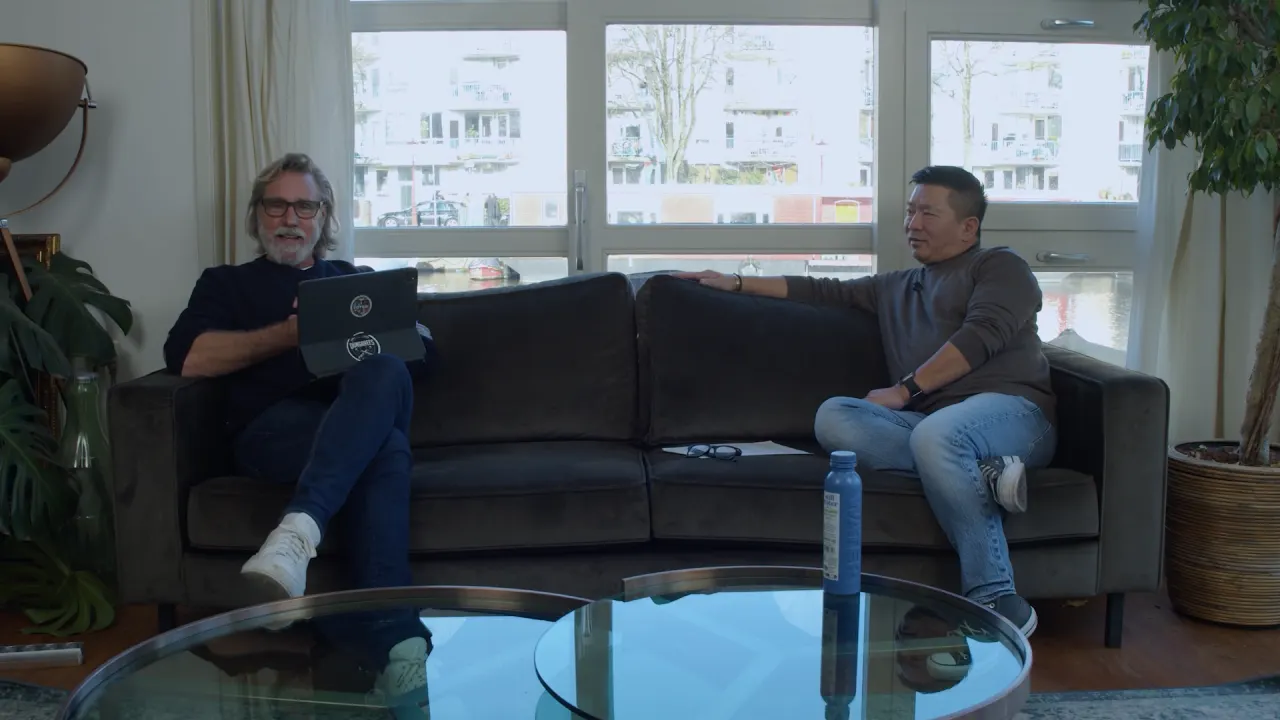
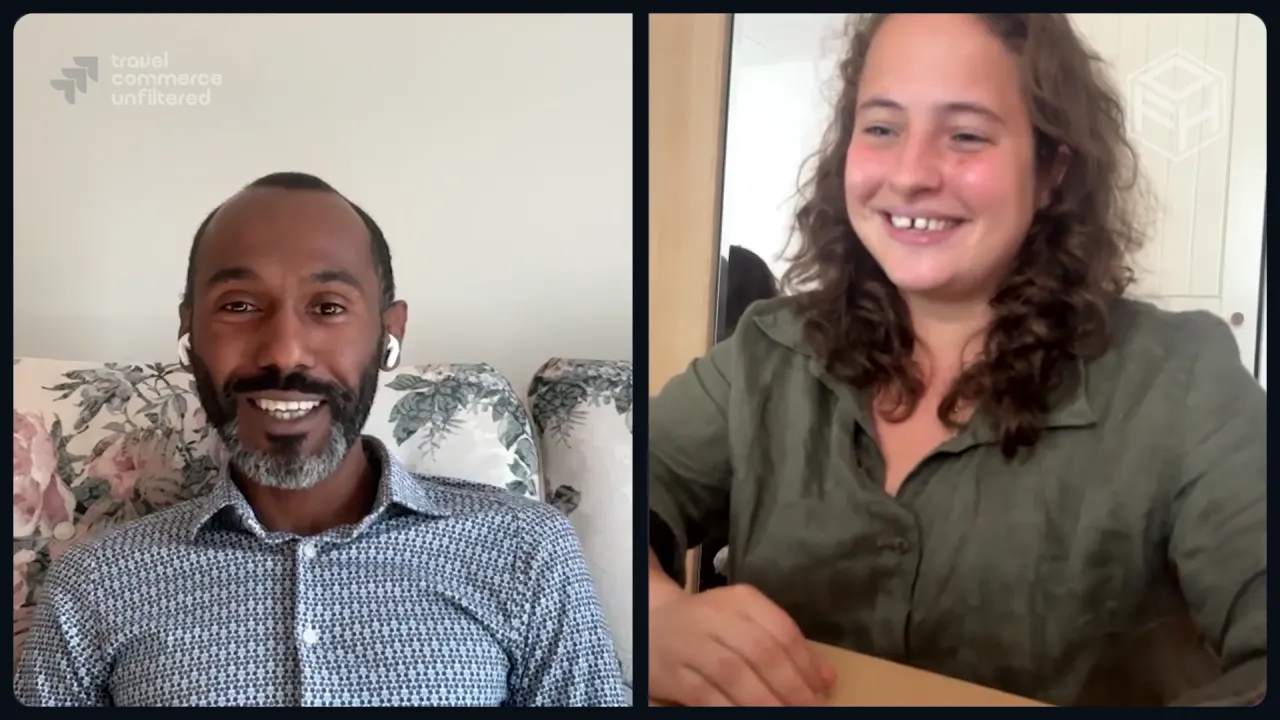
Three hotel leaders join Lead the Experience to settle where independents still beat the chains in 2026. From AI in the back of house to loyalty and distribution, this episode explores why owners keep choosing control over a flag.
 Panagiotis KalogeridisGeneral Manager
 Klaus SpiekermannGeneral Manager
 Frank PrasmoGeneral Manager
KEY TAKEAWAYS
Speed is the independent edge
smaller standards and a closer owner mean a menu or a fix lands faster than any chain can approve it.
Claiming AI is not using AI
plugging in one chat bot is not a strategy, and most owners who say they already use AI have not started.
Put AI in the back of house
revenue, kitchen, and engineering absorb automation well, while the front desk is where the human touch still earns the rate.
Distribution is the battlefield
a flag buys loyalty and repeat stays, but hidden costs quietly take the owner out of the driver's seat.
In hospitality, face-to-face cannot be replaced by a cleaning robot.
Transcript
Click a timecode to watch from that moment.
0:00Welcome and the big question
12
Today's conversation is focused on some of the biggest questions in hospitality right now. What really separates independent hotels from chains? Where do independents have the edge? Where do chains win? And what does that actually look like on the ground in 2026? This discussion is particularly fascinating because of the diverse range of perspectives represented by the individuals in this room.
Each participant brings their own unique experiences, insights, and viewpoints to the table, which creates a rich and dynamic exchange of ideas. First up, we have Frank, general manager at SITA Hotels in Germany, operating within a growing group that sits between some that sits for somewhere between independent and chain, offering a strong middle ground perspective. We also have Klaus representing a global brand environment as GM of Dolce by Wyndham, bringing a structured brand led view of operations at scale. And last but by no means least, we have Panayotis, leading an independent beach resort where experience, flexibility, and local identity play a huge role in how the hotel is run day to day. So this is not and never ever will be about one model being better than the other. It's about understanding the trade offs, the strengths, and the pressures each of you are dealing with.
1:38Where independents still win: speed and personality
33
So I think, efficiency and personality is, the most important thing that, the dependence have, against the chain. And, this is the point that, we can make a very fast decision. The owner, don't bother up with standards. Of course, we have standards, but, you know, it's less than the chain. And, so, this is one this is the other the part that I think that it's that they they can move faster than the the other the chain. Yeah.
Definitely makes sense. You you spoke about I love the bit about efficiency and I love the bit about independence. So in terms of efficiency and I know you're you're sort of a week out which is which is I know you're super busy at the moment. So, glad you're joining us. So in terms of efficiency, what do you mean by that? How do you how do you think you can move?
How do you think you can move faster than the chains in that space? Look. For example, if the customer is able to have some experience, some troubles in the FNB department that we have to change, some menu or, you know, we have to adapt some, new stuff. So we can, do it faster and quicker, and, the the customer receive a better result and they are really happier. And at the end, it depends how fast we we are, how we can go to the to the client, their needs, and, how they they see they they will see how we move and as fast as we do it. So as fast as they will give us also their positive credit or they will come back again.
And, this is about what we're doing. We, try to give more, experience and want to deliver better experience, and, this is, how it comes. And then Yeah. It's definitely a good point there, Panjos. Thank you so much for sharing. Frank, I just wanna welcome you to the roundtable.
Thank you so much for joining. Just for everyone's reference, Frank is a general manager at SITA Hotels in Germany, operating within a global group that sits somewhere between independent and chain. So it's great to have your perspective here, Frank, and offers a strong middle ground perspective. So, Frank, thank you so much for joining. Have a just relax for a second. Klaus, I wanna come to you next if I may.
So same question that, I I sent to Panayotis, really. So which categories do you think independents generally still win in '26, and is that gap closing to chains? Klaus, over to you.
4:10Luxury, mass market, and the shift to AI booking
26
Good morning, everyone. First of all, thank you very much for having me. And, yes, gentlemen, thank you to be with you here today this morning. I appreciate your time. The topic, I think, has gone through the industry panel boards for quite a while right now. I have been in the lucky position that I have been exposed to those.
I have been part of multiunit organizations, whether it was one of the big five, the Marriott, the Hyatts, of this world as well as running hotels that are owned, by families or family office with a family office in the background. I think hospitality, hotels, they are at at a point where we have to distinguish between ultra luxury hotel operated and the mass market. We've seen that the use of AI in particularly is being pushed by everyone right now to the maximum. These days, you no longer go or the majority, seems to have shifted from googling hotels, from googling trips, to going to Claude or chat GBT or whatever is out there and say, book me a hotel in Zurich next week from this time to that time. And this is, I think, where the trend is going to to go. To answer your question, I think soft branded hotels or individual hotels, not soft branded hotels, individual hotels will have and keep remaining their their right of existence in the ultra luxury sector because people are willing to spend the extra money.
The disposable income is quite high despite the geopolitical challenges we are facing. I know I can't talk for The Middle East right now, but Europe in particular and Asia is strong in demand what these type of brands are. And if you look at the big chains, everybody is heavily investing either in ultra luxury or it is in the three star market where it is then becoming the bread and butter for a corporation. So it is a it it it's a mix of both to be fair, but I still say, an individual run hotel has an existence where the brand can't reach the the the local community and makes the difference in the service. That's, that's so interesting what you said. And I think I can take back what you said in so many different directions, Klaus.
But what what what I want to what I want to sort of pinpoint is AI. You mentioned AI, you mentioned ultra luxury. So how do you think and I know you've had your feet in both camps. So how do you think the independence in terms of AI keep up with the chains? Because the chains have millions, can spend millions on on on r and d. They can they have teams.
The independence is not so much. So how do you think in terms of AI, the independence can keep up or even, dare I say it, surpass the chains in terms of AI, in terms of visibility within that market?
7:33Everybody says they use AI. No, you're not
41
I think they have no choice to be fair because, I I think it is it's it's an investment that has not yet sank in into an owner's viewpoint in an owner's viewpoint, they still think, okay. I have to focus on on my expenses, on distribution costs, marketing, focusing on ADR occupancy percentage. No. I think those days, you have to shift. Otherwise, you fall over the edge and you stay behind. And and and the the the question also is that where do you implement AI?
Is it just in the reservations department, front of house? This is, I think, at the moment where everybody's heavily investing in, but it it it doesn't make sense. You need to have the three sixty degree journey really because it it it's nice to have some chatbot that answers your frequent asked question online and says, okay. Check-in is this. But then you arrive at the hotel, and the team, beyond the reception has no clue what you actually want, has no idea where you're coming from, and this is then where AI breaks down. So I think and and and interestingly enough, and we just had a meeting yesterday with my executive team.
Despite me being involved in or attached to a global company with a with a global distribution channel, it is still down to me and my owner to make sure that my hotel, my Dolce by Wyndham brand hotel is up for it because can we can we do it ourselves? And quite frankly, no. I need support from the outside because like you as as we all know, everybody is jumping on the wagon with with ChetGbt, but there are so many other companies out there when people say, oh, yeah. I'm using ChetGbt. I'm using, an an AI already. No.
You're not. That's all I can say, really. Yeah. Definitely. Yeah. Frank, I'll come to you in a second.
But, Klaus, I just wanna ask you one more question. So would in terms of the owner, in terms of the in terms of of the GM, so would it be fair to say and I'm making a huge assumption here. Would it be fair to say education in terms of AI is key? Yes. It is all about training, training, training. I love that training, training, training.
I love that class. Thank you so much. Frank, let's go over to you. Thank you so much for joining us here today. So So I just wanted to ask you in which categories do independents generally still win in 2026, and is that gap closing to chains? Frank, over to you.
Sorry. There you go. I think you're on muted there. There we go. We can hear you now.
10:13Family-owned: the slow, deliberate path to AI
70
Okay. Great. Well, first of all, good morning, gentlemen. Pleasure to have you here, and I apologize for my delay. I'm working for independent chain, so everything is family owned. Our owner has 16 hotels, and he owns them.
He don't pay nothing, no lease, no nothing. He owns the buildings. This is my big advantage here in this company, Hotel. And when it comes to IE, yes, of course, we have to change the the pattern. And we are quite, a hotel which we are slowly changing them. Slowly.
Slowly. Slowly. Slowly. Because what we do now is I use AI, especially in their revenue and pricing. So we are doing our forecast still manually. Not manually, but, as everybody knows, we have few systems, blah blah blah.
But we are doing, on the other side, we run, a shadow forecast, which is called which we are doing with IE. And, we have to go there, definitely. Front desk, IE, because you can't pay the stuff anymore. So we try to automize a lot of operational systems, and we need to be careful that we don't use the human touch as a traditional hotels. Our hotels are here. The buildings are over 100 years old, and we have 16 of them.
And people would come and said, oh, I go to IHE to a Holiday Inn. Everything is the same, the same, the same. So we think, that was, that that we we need to be careful that we not put too many automations in an classical, traditional hotel, number one. Number two is that, that we using IE Club, of course, in in staff planning, Gastro Martix is our system. And so start so with this system, we have smarter staff planning, and we can predict our cost a little bit better when it comes to overtime. But in general, There is no way out that we need to have, artificial intelligence in our sit in our hotels, definitely.
Definitely. And, like, housekeeping. I work with, robot cleaning equipments. But doing so, yes, one cleaning robot that cost me €16,000. 16,000. I save two staff members on, when I used, those kind of guys to cleaning my my floors, my my my restaurants.
I'm saving on a long term run. This is good. And, but for me, it doesn't matter. The weakest part we all face, doesn't matter if you were branded hotel or independent hotel, is our staff. Our staff has got overloaded with all this kind of informations, how to handle, how to solve this kind of issues, how to solve this kind of, systems. Especially in the front office, like in my case, we have seven seven different systems running.
Fair plug. This control, this system, this system. So in the end, stuff is overloaded with all those kind of technology as well. And, if there's an emergency case, well, and one of those machines or computers breaks down, yes, you have your IT department, seven twenty four standby. But, if your cleaning robot machine is breaking down, then you have go back to the old system. But to come to the point is we need to be more open with the IE system.
I'll be, I'm fighting for it. How how are you how are you overcoming that, Frank? How are you overcoming that IE, system? Have you got any case studies or examples of how you're how you're trying to sort of fight back with with those systems and with those sort of processes? No. Lucky enough and to know I didn't have any any any any any problems with it.
Yeah. I had no problems with it so far. But, we're just starting this by by middle of this by by end of this year last year, beginning of this year, we're starting with them. And, I think, where I see a lot of potential in IE is in the marketing and the positioning. Definitely. Definitely.
There we the you can see definitely that you be better off to work with IE systems. Definitely. Definitely. Marketing, positioning, IE, 100%. 100%. Yeah.
Perfect. Thank you so much for that, Frank. I just wanna push the conversation forward. Panayiotis, I I thought you do you wanna jump in there, or can I move on?
15:48They want to see George, not a robot
27
Yeah. Just so I want to I mean, I and Aya is really I mean, I I give a credit that Aya is in our we live with them now. I I mean, they are coming faster and faster, and so we have to, be also because our owner has also, 10 hotels in Greece and five hotels in Cyprus, so it's also independent. And, of course, we are not here to manage to bring this new, you know, structure or new ideas or whatever to the owner to, make, pay on a to invest in this. And, afterwards, we can have to deal who is managing this because the human, the person, I mean, we are hospitality. So we we have to expect that on one side, we have the IE.
On the other side, we have the the customers that are coming every year, and they want to see George. They want to see Panos. They want to see Lucas. Not just a robot or robot or whatever we you can imagine with, what we see in the in the trade fairs. On the other side, of course, they are AI give us more possibility to, to run faster in the development, in the budgeting and marketing. Everything is going smoother because you have more time.
But on the other hand, this, time that you will have, you can, make sure that, the persons, that are working with you together, that receive this training that, Klaus said before. Training, training, training. Everyday outside, be outside, be on the stage, look around, what we expect, how the operation is running, where we can define a little bit more. But, at the at the end, if it's a core or it is independent, it doesn't matter. The customer see just the the, see see you. And if you deliver very fast and you are really next to them, they will come back again.
This is something that I, sold in the last years with a lot of customers that we change a lot. We change from data to risk to three then to Altruz. You know? Every year, almost every two years, we we change a little bit here in the companies. But on the other hand, the customer is still here and they come and want to to visit us again. I think if I Yes.
Yes. Yes. We had Fastly.
18:24The guest no one asked
38
If I I wanna make a reference to COVID. I don't know whether you guys remember, but, for me, for instance, I'm a very heavily mice and conference, structure to tell. We were also worried because we thought the Zooms and the the teams of this world would take over the meeting and event market, but we figured and and every expert I've been to many conferences, whether it was ITV in Berlin or in Barcelona, the luxury of exhibition fairs. Everybody was talking about, yeah, the days of conferencing are over, and and reality then taught us, otherwise. In hospitality, I think our biggest asset, and this is what the two other gentlemen really, really, explained quite well is we seem to have made our decision without asking the most important person in this entire, calculation, and that is the guest, the paying guest. It's what we as hospitality companies, it's we as the as the operator or as the as the the brands decided, really reality knows not.
Conferences are not, of course, back as to the level of pre COVID, but we are we are running a very high occupancy. People want to meet. People people are kind of sick and and sitting in front of I mean, we're doing it now, but, because of locations, but people wanna meet. The the the interaction, the meet the face to face is still something that in hospitality cannot be replaced by a cleaning robot. I was in Paris on on the weekend, and I was at the airport. And during the check-in process, there was there were two cleaning robots kept driving alongside amongst us, and we were all funny around and saying, oh, that's quite nice.
At the end of the day, it was a it was a moving bin with a little face marked on it. And, yes, you said rightfully so, €16,000, this computer, you can save, this this machine. This robot, you can save in the long term. I think it goes back to your original question. Where is the individual hotel going to be sustainable in the future? I still say it is the luxury market because I wanna have when I check-in on on a business trip, I am not worried about the reception interaction anymore.
I wanna have my room in and out quick quick. But once I take my family and the kids and the dog with with me on a trip, the the the game changes. I'm I'm becoming a customer. And then I wanna be told that the breakfast is at 10:00 in the morning. I wanna have a recommendation of a human being. And then for this, I'm willing to pay €300, €500 a night.
I tried to book a room in Paris. I don't know whether you guys noticed these days. There were days when you thought €400 in Paris for a room is is is expensive. Well, you think think again. You you pay €800 easily in a in a in a chain hotel and that's not even luxury. So this is where we are really these days.
Yep. It's definitely a a good point there. Frank, I'll come to you in a second. But I think what you both alluded to is the human. We're we're missing the point here. The human is so so point important whether it's the guest or whether it's our team as a human is so so important.
Frank, thank you so much for raising your hand. Over to you.
21:51AI belongs in the back of house
67
Right. You see, my worst experience was my first experience was with Kai. You go to McDonald's and order a burger. You have to touch screen this, this, this. I didn't like it, to be honest. Honest.
Process. No. But Just a burger. No comment on this. But, anyway, well, we we still I put IE in the system, like, I I go back to my cleaning robots. They're running around, not during public hours.
Breakfast is closed. They're rolling into the coffee shop, and then they start to clean up. During operational hours, definitely big no go on this. If we have, if you have, so people see them. Yeah. Okay.
It's nice. Kids like them sometimes. But definitely on the front desk, I have staff which is twenty, thirty years here in one in my hotel behind the front desk. They want to see mister Gunnar. They want to see this person. They want to see you.
And I agree with Klaus. People want to have interaction, human interaction. This is very important. Human interaction is very important. And, people should, be more well, let me say like this. We try to IE, for me, is not in the front of the house.
It's more in the back of a house important. Like, I'm building now a hold on kitchen system. I don't know if you guys are familiar with this. So instead of eight chefs, I need to have only four chefs in a in a shift, because this system helps me to reduce my labor cost in a way that, it's a complete automatic, kitchen system, kitchen. And you should have a look on this. Why I'm going this way, because, like in Germany, we don't find any more qualified chefs.
You don't find them. You don't find qualified labor who is willing to work on the weekends. Just like this is reality. If we look into the, if we look into to in service customer service, yes, I hate those machines when you go there and press and wait for your cappuccino and espresso. Next week, I will have this experience. I will go to Cologne to a big fair.
And we stay at a Radisson hotel, and everybody goes and press the button. We got a cappuccino, espresso, blah blah blah. I don't like this. We pay a lot of money there. Yeah. In my place, we still got your your your your coffee served on the table in a pot.
And we are, not a luxury hotel, but we are quite well in this. And, so I think IE will help the hotel industry more at the back of the house, the front of the house, like in a private hotel business. People are people like to see the waiter, the the front office stuff, the human intersection interaction. Hotel engineering is a big, big, place for IE, what you can do. And this is where many people think IE is always in front of the house. No.
IE place can help us a lot in the back of the house. Right. Where okay. So, Frank, where do you draw that line then? So you have the machines who are efficient, who are good but lack the human touch. Then you've got the humans that are not as as efficient as the machines but they've got that human touch.
So how in how in your hotel, I guess the question I'm asking, is where do you draw the line? How do you know this is the thing I'm gonna have a a human and this is the thing I'm gonna have a a machine to press a button to have a coffee? So where do you draw that line, Frank? Well, it's hard to say, to be honest. It's hard to say. Like, the guests in my hotels are 70.
So so your your demographic, your ICPs?
26:40Where to draw the line on Usedom
47
Yes. We are in the island of Usedom, and we are very Usedom is a place for breakage, old people, and families. And it took us a long time to establish QR code. It took us a long time. Like in The UK or in The or other countries, people are more open minded towards new things. This is typical German.
O I e, I don't know. QR. Now QR, meanwhile, is established. Yeah. But, you do your spa reservations via QR code. Fantastic.
It works. Isn't this great? Yes. Oh, so easy. Yes. You just scan.
Easy. Yeah. So I think as well as this is an educational process and, the customer's behavior and the society behavior. Is this it is really a learning process, not that we put IE in artificial intelligence or make decisions easier on com no. It is for me, it is more it is in process of the society how they are willing to adapt, my point of view. And, and as I said, it's hard to judge where you where you should draw the line.
It's very hard to judge this. Very hard. Very hard to judge it. Like, I have a brewery. I try to make with IE a brewing schedule. It's mission impossible.
You can do this, but it's mission impossible. Yeah. Alright. Yeah. Definitely. Yeah.
Good point. Yeah. Apparently, also, let's go over to you then. So how are you I know you're sort of a a week out from from opening. So how are you where are you drawing that line between man versus machine? I think that's a great way to put it.
So how are you drawing a line? How are you sort of knowing this is where the machine goes? This is where automation AI goes, and this is where the human touch, those wow moments, live and breathe? Oh, sorry. You're on mute.
28:52An app, a smart TV, and the independent's edge
18
In the past, we started over to to to use this, IE or KI or, start slowly to do implement all this stuff. So we, find a company and they, they made us an an an app system. You know, when the customers, check-in, so they receive the the app, they go in, they receive all the information. We can do also the check-in faster and also before they arrive to the hotel. And in this, app, you have the possibility to see also all the information on the hotel, make all the reservation for the restaurants, all the information concerning the area, you know, book tickets, make reservations, and all all this and also meet the the persons, meet the, the people. And also the possibility to have a chat with different people in the hotel.
Is it maintenance? Is it maid? Is it reception ambassador? Everybody has the possibility to have this app and chat with the customer in case that you want something or need something. So that brought us in the next level. Now we do it also with, the smart TV.
And, you know, this is the situation with independent. If we have this possibility and you do renovations, then you bring it in. And this is, you know, it's it's a procedure that it takes a little bit longer. But, until now, we see that, this worked, and, we give structure to different departments so they can use some point of AI. And on the other hand, there's the old school system that also works very well. And this is how it's, how we continue to to work.
30:41Ten million: chain or independent
51
Yeah. It's definitely keeping up with that with that technology that is that is out out there and making sure that balance is is so so right. So I want to make sure we stop in about twenty minutes. I know you're all busy, so I want to make sure there's a hard stop there. So we're just coming to sort of the end of the conversation. So, Klaus, let me come to you next.
And this is a this is a hypothetical question, but you have €10,000,000 and a great location for a hotel. A chain offers you their flag, their loyalty base, and their distribution. An independent path gives you full control and zero safety net. What do you choose, and what does that say about everything we've just discussed as well? So that question is now in the chat, Klaus. So, over to you.
So what would you go for? If you've got the money, you've got the location, what would you go for? Interested to hear your thoughts. It's, you're putting me on the hot seat here. That's why I picked you. No.
It it's a good question. I like that one, but I think he has to catch really. I think we everything has to go with the strong commercial capability to a to a degree. And I have to put myself here, into the shoes of an owner. Why do I choose option a, or why do I choose option b? I mean, why do I have a soft soft brand?
And then at the end of the day, what what do they promise, and what's the reality? I've been in the situation where I had a privately run, family run property, very well established, and then we decided, okay. Let's attach it to our core and make it make it a a collection hotel. That seems to be a big appeal these days for owners because they think, you you keep your identity and you you you you, design freedom. This is, I think, one of the hardest points for for an owner is to lose control over the design and the operation on a day to day basis. You have don't forget.
Sometimes owners have a hotel not cook for commercial reason. We have to be honest. And we are I had I'm sitting here with very seasoned and well experienced hotel GMs. Sometimes owners have a hotel because of their ego, because it's nice to have a five star hotel, or it's nice to have a a a bunch of hotel at a certain location. So what is it here really what we are trying to do? You you're plucking into a global distribution system, whether it's GDS, OTAs, or direct channels.
You have the opportunity to gain more business through the loyalty system. At the end of the day, when when Marriott took oh, sorry. When Marriott merged, officially was a merger with Starwood, it was it was all about the w brand, but it wasn't. It was about loyalty program, which people seem to forgotten by now. Because what is it what we get? Marriott has a global, loyalty system of about 80,000,000 this this figure may be a little bit old, so please don't quote me on that on the accuracy of that amount.
But Hilton or Marriott, they are the the loyalty program is so powerful these days because you get the, you drive repeat stays. You have low lower customer acquisition cost. I mean, it takes so much, for those gentlemen here with me in Greece or the with you in Germany, I know, and and especially Usedom. Sorry. Now where are you again? Where is your hotel?
Not Usedom? It was Uziedom. Right?
34:23Loyalty is the real battlefield
57
Uziedom. Uziedom. Yeah. I mean, it is it is is is a very posh place for Germans to go, but to acquire and get to get somebody there takes a lot of effort. But if you have a property that is attached with the distribution channel like Marriott, Hilton, or or Accor, of course, I go there because I've especially the Germans, and I'm half German, half British. We we love to collect points because then we get a freebie, and that's at the end of the day what you get.
But, actually, what does it what's the actual goal of doing that? I think clarity really helps here. You have to decide. You you set us you give me 10,000,000. You give me a hotel in a very good location. So location, location, location.
Real estate is all about location. It's the demand mix. It's your it's your corporate. It's your leisure. It's your group. And then, of course, it's the state of the asset itself.
What in in what state is the hotel, at the current sorry, at the current state? Does it require lots of CapEx renovation? What if I have a hotel and I wanna keep it for five years and then pass it on? So is the asset ready to be sold? Do I make a bargain? Do I make profit with this?
The owner's operational capabilities is important. So the the question is not unfortunately, you have to be be the bearer of bad news. I won't be able to tell you either or, but I can tell you what what my tendency is. If I have 10,000,000, and 10,000,000, unfortunately, is nothing these days anymore in for a hotel, But, I would run it independently. I would go for a smaller version and have it own and driven and own a run. But in a larger scale, I'd say attach it to the five big fives and get a distribution channel attached to it.
And then at the end of the day, you have secured income. You have repeat guests. You have the loyalty customer who will be, at the end of the day, the one who will pay your bill. And I think the distribution at the end of the day is the real battlefield. We have this massive, direct booking engines, the loyalty driven repeat guests. And, yeah, I'm I'm I'm I like I said, I'm I'm I wouldn't be able to tell you exactly what you probably wanna hear, but I would go for an individually run hotel.
Individually. There we go. You'd make a as I was listening to you, Klaus, you make a great politician. I don't know if you've thought about politics or German politics, but you make a great politician. Frank, let's go over let's go over to you then. So independent or a chain.
You've got 10,000,000. Let's give me 15. I'm feeling generous. I've got an extra 5,000,000. Let's give you Oh, we're talking. Talking.
Yeah. I I've got a extra 5,000,000 in my in my back pocket, Frank. So I'm gonna give you 15,000,000, a great location. What are you going for? Chain or a independent? Independent.
Why? Tell me why. Great quest great answer, but why.
37:27Hidden costs and the driver's seat
107
You see, I'm working for I was working for for chain hotels, Kempinski, IHE, and so on, and Marriott. And, as Klaus said, at the end of the day, you don't see the owner don't sit anymore on the driver's seat. They tell you what you have to do. They tell you what you have to do. It is nice to have a Hilton on your doorstep, on your rooftop. It's nice to have a have a Kempinski or Solmelia, whatever.
But at the end of the day, you are not you don't sit anymore on the driver's seat, for sure. They tell you what you have to do and and so on and so on. Yes. I agree with Klaus. Great distribution channels. Everything is perfectly, but, too many hidden costs.
Many owners don't understand when they sign up a contract. I said, oh, don't pay for this. I only pay this. Yeah. But then the hidden costs are coming. So in the independent hotel, I've been able to, control my cost.
I'm here responsible for seven hotels, fully in charge. The owner don't interfere. I'm in charge. No one else. And if I have major investment, of course, we contact the owner. We have every month our meetings.
The same like any other bigger hotels, but everything is privately owned here. And this is a big advantage. And, like, the island where I live called Mecklenburg Vorpomann is the area of Germany. There's no big chain hotel. None. Do you think that will change?
No. Is Rostock is on the top on the Baltic Sea, and I'm on the bottom on the Baltic Sea, Usedom. There's no big chain hotels here. No IHG, no Hilton, no Radisson. Radisson just closed the place. I have one next to me.
Three different owners. The GM got fired after twenty years working for them. Wow. And the hotel struggled. Hotel. Yes.
But no business. In this place here, it's all traditional hotels. They're running well because of the customers. And, if you are tell give me if you give me 15,000,000, I would not change. Private hotel. Private hotel.
Smaller scale, 100 bedrooms. You can control it easily, can put up the standards. That's fantastic. I'm sitting here in a building which was built 1894. People come. I said, wow.
Wow. My other building was set up in 1897. Yes. Wow. Wow. Wow.
Yes. Wow. So, people like this, actually. Yes? And, so I would not change it. Even if you go over I'm here right here on the border to Poland.
If you go over to the Poland side, to the Polish side, you have they have a Radisson, so so. They have a Hilton, a DoubleTree, a French ice. Holy moly. You don't want to sleep there. Yeah. Everything no.
Forget about it. People come. They wanna have real hospitality. As Klaus said before, people wanna go on vacation, they wanna have real hospitality. Real hospitality. I have people there.
Next next month, I'm running the largest, beach catering in Europe. A beach walk about eight kilometers. 700 people coming. Book tickets, pre advanced tickets. One ticket, €700. Wow.
€700. People paying. Just walking on a beach, having some snacks, two glass of wine, and continue. This is it's unbelievable. People come. We we are run like, Zetel is one of the top 50 hotel chains in you in in Germany.
Zetel. And, I think, important for me is your owner owns the property. He owns it. This is number one. And, of course, maintenance must be done, definitely. It is done all the time.
And you have to get renovation. It could be done. This is but we do I don't wanna say we do what we ever want to do, but, we're doing very well, personalized service, and this you can hardly find in in chain hotels anymore. Hardly. Hardly. It's a good it's a good perspective.
So, Panjotas, let's go over to you then. So two nil to independent. Independence are winning at the moment. Where are you where are you putting your money? Independence or chain?
43:00Independent for me too
26
Look. Give me 20 millions, and I will bid you a, hotel in the moon. You are you want more money from me, honey artist. No. It's not so good. You know?
Well, I was working also in a chain and independent, and, I think independent is also, it's also my way. You know, you are not, you you have you have your freedom to do a lot of things. You if you are very close to the owner or to the board members or to different persons that's in charge, CFO or investments, banks or persons that they really invest their money, then, you have the possibility to do really, really very good things. On the other side, of course, I mean, if you're in a chain, you have more, your structures, better distribution, consistency systems, all this stuff are really good. But we saw here that also in roads because I'm in roads in Greece, A lot of chain came in, but on the other hand, the owner did it only because they just want to take the rent. I mean, they give the hotels for twenty years or ten years.
They do innovations for the to implement the concept. And then on the other hand, the the hidden cost that cloud Franc say that it's comes up end of the year or they they see that there are a lot of excess that they have to pay. And on the other hand, they they say, okay, we have a a rent for each, for example, 1,000,000 every year, and then, I don't have any any trouble. But on the other hand, the the the person that work in this, in the hotels, they have to get paid from the owner or from the chain. So it's a bit you know, there are a lot of different things that, you have to figure out. But I think independent is for me also better, and, you have the possibility to to do it also on your way.
And that's, till we do it also here. And we see that we have, we can win many customers that they are really, happy to see us again, and they they don't matter if we have a chain or not. But they see that the implementation I mean, the the constructions move on. People say, for example, that they want, new umbrellas, example, or new stuff. So we can write it down. Next year, we have it.
It's you know, the owners the owner a little bit flexible to to take this, as an advantage, and then they have the possibility to raise a little bit the the race of the the rule the ADR and, all all the all the other stuff. But, independence for me also.
45:49Three nil to independent
11
There we go. Clean sweep, everyone. Three nil to independent. Thank you so much, for joining us here today. As I mentioned earlier, this is the end of the roundtable, but it's not the end of of the discussion. This is not a one and done.
Please connect on LinkedIn. Please continue the conversation. I love getting people like you, GMs, people who are on the ground, in brooms like this. I've had so much fun. Thank you to three of you for being open, for being honest, for being, really candid in your experiences in your, profession as well.