
















 EPISODE · 44 MIN
High-Tech High-Touch For Boutique Hotels
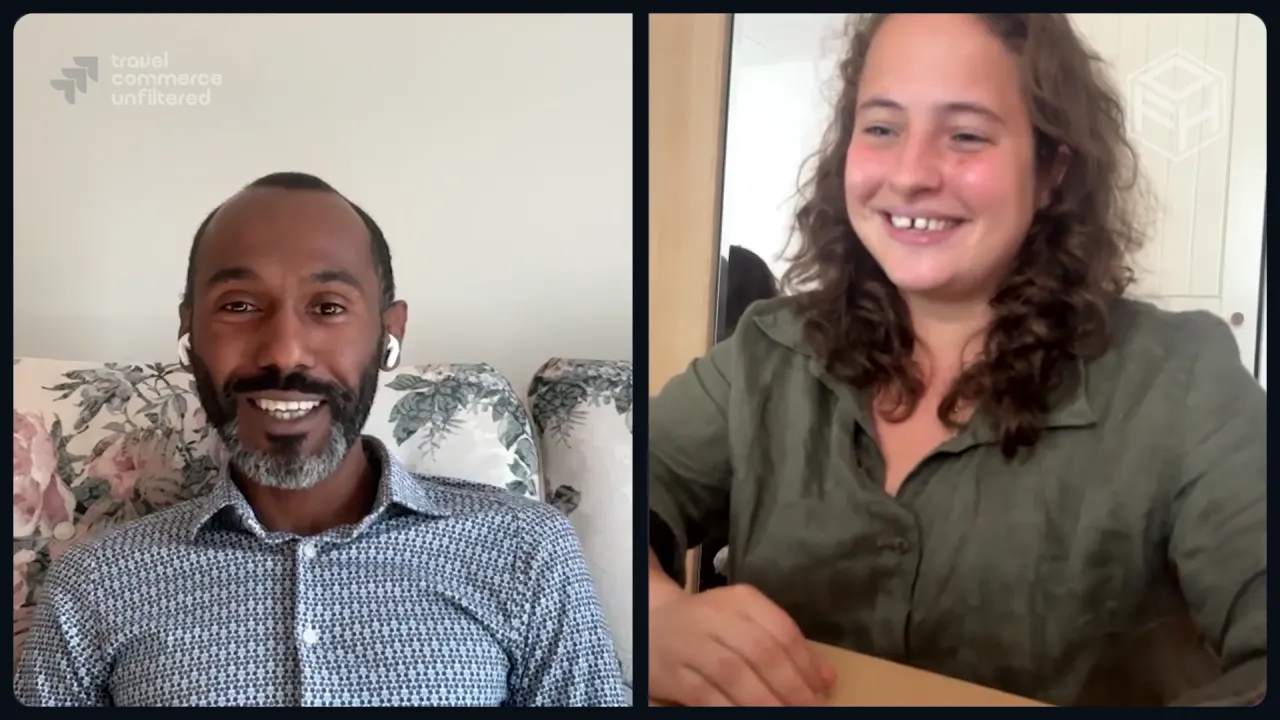
Sander Allegro, founder of Allegro INN ovations, defines high-tech hospitality for boutique hotels as 'hospitality with intention'. He explains how tech, curiosity, and collaboration future-proof boutique hotels and shares simple fixes that lift guest satisfaction. Plus why education and AI will shift back-of-house work so staff can focus on true human connection.
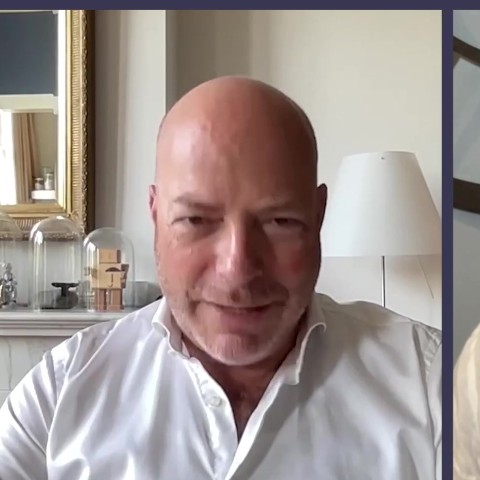 Sander AllegroOwner
KEY TAKEAWAYS
Plan by looking forward
Treat strategic hospitality as forward planning: identify forces driving change, anticipate needs of guests, team and owners, and build budgets with future scenarios rather than tweaking last year’s numbers.
Balance high tech and touch
Use technology to remove administrative noise so staff focus on meaningful personal welcomes. Apply tech at front for solution-driven stays and keep it behind the scenes for experience-driven boutique hospitality.
Lead through curiosity and presence
Earn leadership by listening and working alongside teams. Do mini traineeships across departments, build informal networks and trust with senior staff so authority grows from curiosity rather than rank.
Hospitality is about combining high tech and high touch and finding a balance.
Transcript
Click a timecode to watch from that moment.
00:00Introduction and Guest Background
13
Host introduces Sander Allegro, highlighting his early start as a general manager and his extensive experience in strategic hospitality.
"the Future of HospitalityAll right, three, two, one. Welcome to our podcast, The Future of Hospitality. I'm your host, Arjan Ekelebo. Today we talk with Scott Eddy and his story is anything but traditional. He grew up around police stations, trained to become an officer, switched careers into high finance and then walked away from it all to start over in Asia where he built the region's first big digital marketing agency and became a pioneer in social media for travel.
Scott Eddy (@MrScottEddy)Thank Thank
the Future of HospitalityToday, Scott is a hospitality influencer, a brand strategist and a globetrotting speaker. On today's show, he will reveal what he thinks about ghosting in the hospitality industry. Ghosting. Also, why the US no longer feels like home to him anymore and why he believes the real future of hospitality lies overseas. All right, Scott, welcome to our show.
Scott Eddy (@MrScottEddy)Thank Thanks so much for having me.
the Future of HospitalityYou're very very welcome. Glad to have you. We're going to talk about ghosting later on first straight from the hip What's the single biggest mistake that hospitality brands make on social media?
Scott Eddy (@MrScottEddy)I mean, these days, they treat social media like a billboard instead of a conversation. Too many hotels, resorts, cruise lines, they still post polished stock style photos with generic captions, thinking that's marketing. And that approach completely misses the psychology of why people engage online. Social media isn't showing a room or showing a pool. It's about making somebody feel something. Make them feel like they're already there. You're building trust and that emotional connection before they even book. If you're not telling authentic stories, showing real people, not perfect people, responding to comments, which is the biggest issue in the industry, and creating content designed to spark conversation, you're invisible in the algorithm and irrelevant to the guest journey.
"SanderIf it disturb, nothing will happen.
the Future of HospitalityAnd if I say you think that's not good, just say what we can do.
SanderYeah, that's not big.
the Future of HospitalityOkay, I'm to start. Three, two and one. Welcome to our podcast, The Future of Hospitality. I am your host, Arjen Eikeleboom. And today's guest became a general manager at just 21 years old. Since then, he spent 25 plus years redefining what strategic hospitality means, not just in hotels, but across business, education, and even social enterprises. Later in this episode, we'll hear why he believes collaboration is the key to the future of boutique hospitality. Sander Allegro, founder at Innovation in Amsterdam. Welcome to our show.
SanderThank you, Aryan.
the Future of HospitalityWonderful. Innovations. Can you explain a little bit what is innovations?
SanderWell, innovations is my consultancy practice that I've had for more than 25 years. I don't call it a company because it's a one man operation and I think it should never exaggerate if you're operating something of such a small size. I do work together with a lot of people, but I don't employ them. So that's why it's a practice. And what I do is that I help organizations to better implement the principles of hospitality in a strategic way in their operations, in their way of thinking, in their policies. And I try to encourage and choose and inspire them to apply those principles.
01:26Defining Strategic Hospitality
44
Sander explains strategic hospitality as hospitality with intention, focusing on anticipating future needs of all stakeholders.
the Future of HospitalityWow, okay. So, no, I totally get you. It's about authenticity. Tell the real story. That's what you say. You don't try to polish it up because people see right through that. And also an interesting thing you say is when people comment, respond.
Scott Eddy (@MrScottEddy)Yeah. I mean, that just goes back to brands don't invest in full-time social media people. And if they do have them, they have 15 other jobs that are quote unquote more important than the social media. So they don't have time to reply. You know, got to give yourself a chance. They don't understand that attention is the new currency. Currency is not what it used to be 10 years ago or 20 years ago. It's all about attention.
the Future of HospitalitySo if we cannot focus on it...
Scott Eddy (@MrScottEddy)And you got to treat every post like it's a piece of storytelling that earns the right to eventually ask for a booking.
the Future of HospitalityRight, interesting. Let's dive into that a little deeper later on. First, what is the first hotel you ever fell in love with? I wanna know.
Scott Eddy (@MrScottEddy)I'm Ampuri in Phuket, Thailand. So it's when Aman was just coming out, that was their first property. And I still use them as a case study in when I speak. I think they are the definition of perfect branding, perfect marketing. I think their verbiage is flawless. think that the color grading, the angles, the design, the minimalist style, I think that they just do things correctly. They were a client of mine many, many years ago when I first started my digital agency, when I had, I opened up in Bangkok and I visited the property many, many times. And Southeast Asia as a whole, Asia as a whole, but Southeast Asia as a whole has unbelievable properties. mean, and because hospitality is inside their DNA when they are growing up, you don't need to train them. So, you know, kindness is inside of them.
the Future of HospitalityI see what you mean. And it's not because of, it's not because they get higher tips, it's just in their DNA.
Scott Eddy (@MrScottEddy)Yeah, a lot of them will reject the tips. They just do it because that's how they were raised.
the Future of HospitalityNotice what I mean, yeah. Interesting. Boutique hotel or luxury resort?
Scott Eddy (@MrScottEddy)So it depends. Boutique for intimacy, resort for scale. It depends on what's the mood. know, do I want to go to the resort and not leave and have 15 restaurant options, bars everywhere, four pools? You know, I just came from a resort in Mexico and they had six resorts on 2,500 acres. And I mean, you didn't have to leave the property because it's a city within a city.
the Future of HospitalityJust like a cruise boat, one of those large cruise boats. Hmm, okay, so depends. Yeah, totally depends. Twitter, Instagram, or TikTok. I mean, you're all over the place. Twitter, Instagram, or TikTok.
Scott Eddy (@MrScottEddy)Correct. I mean, Twitter is irrelevant these days. It breaks my heart. Well, X, but it breaks my heart because that's where I built my brand. I still have my biggest audience there. It's just heartbreaking what it is today. I'm still holding on hope that one day it's going to come back. But the brands hire me for Instagram, sometimes TikTok, but mostly Instagram just because that's where they are. There's still a lot of brands that are non-TikTok.
the Future of Hospitalityit's X, sorry. Yeah. Yeah.
Scott Eddy (@MrScottEddy)They just don't believe in it. To be fair, they're idiots. And they just, they don't realize the power of these platforms.
the Future of HospitalityOkay. You started off on X, so Twitter at the time, that is where you started. And you're also big on LinkedIn. That's where we connected. And you said people are, I want to dive a little deep. wasn't planning on this, but why are they fools if they're not on TikTok?
Scott Eddy (@MrScottEddy)I did. I did. Yep, it is. So I just think it creates a different type of storytelling. So the reason that brands aren't on TikTok is because when TikTok first started, no different than any other platform, but it started very young, just like Facebook, just like Instagram, just like any other platform. But they were known for people doing their dances, know, 12-year-old kids dancing on the screen. And that's how, that's what the platform was known for.
the Future of HospitalityI'll remember that.
Scott Eddy (@MrScottEddy)What brands don't realize is the authentic storytelling and the short form videos that you can do on TikTok really scale inside the algorithm like no other platform. And shocking to everybody who's watching this video, the most active demographic and the most fastest growing demographic on TikTok right now is 38 to 55.
the Future of HospitalityWonderful. Okay, we're gonna find out what drove you and why you are at the top of your best in this particular industry. But first, what does strategic hospitality mean to you? In one sentence or a few sentences?
SanderWell, would say that strategic hospitality is hospitality with intention. It's future-proofed in the sense that you have thought about the consequences of future developments on all the stakeholders that are involved in the process of hospitality. So strategic hospitality is about anticipating future needs, anticipating future developments. It's about anticipating future needs not only of guests, but also of shareholders, of team members. your environment at large. So I believe that that is what is key. it is a special challenge in our industry because at the core of hospitality, the hotel operations go on seven days a week, 24 hours a day, 365 a year. So taking time out to look at what's coming towards you, what the future has in store for you is not something that many hoteliers have time for or take time for.
the Future of HospitalityRight, and if they don't, they're going to miss out.
SanderThat's always a risk.
the Future of HospitalityIf a boutique hotel wants to future prove itself tomorrow, what's the very first step they should take?
SanderI think the very most important step is try to get some understanding of what are the major forces driving change in the future. And that may be a big sentence, but it's about understanding what developments will have the biggest impact on you. We have a sort of inborn tendency when we try to make a plan for the future, let's say a new budget for next year. The first thing we take out is today's budget. And we amend it a bit based on what we feel what we've seen and think we future-proofed it But basically if you build your future plans based upon what you have behind you It's like driving a car using your rear-view mirror, which is a great way if you're driving backwards But a very dangerous way if you're driving forward So if you want to future-proof yourself, you got to look forward You got to look through the front window and try to anticipate like you would do in traffic. You're not just looking at the first
the Future of HospitalityMm-hmm.
Sanderfive yards in front of you. You're looking at, if you can, at least half a mile in front, so you can anticipate whatever is coming. And maybe you learn about the weather before you leave on your trip, or you look at traffic announcements, and you take in that type of information in order to build your itinerary. And that's exactly what you do when you put your proof your hotel.
the Future of HospitalityYeah, anticipate. Hmm, interesting. I want to go to a few quick questions. Coffee meeting or a breakfast meeting? What kind of person are you?
SanderI'm afraid the sound is breaking up, so I missed that question.
the Future of Hospitalitysorry. What would you prefer? A coffee meeting or a breakfast meeting?
SanderI still cannot hear you.
the Future of HospitalityYou don't hear me at all. You're worth my whole money.
SanderI'm going to check if my internet is in full swing.
the Future of HospitalityYeah, here too. Okay.
SanderNow I understand you, but just when I something, I both options. I only coffee.
the Future of HospitalityOkay, let's go back. Okay, I was just thinking for a few quick questions. A few quick questions from here before we go to your early days in hospitality, why and how. But first, coffee meeting or breakfast meeting?
SanderNo, go ahead. We'll just try again. Breakfast meeting.
the Future of HospitalityAnd why?
SanderWell, I'm pretty sharp early in the morning. I like to seize the day and to do that. to make the most out of your day, to start early in the morning is a great way to get the day started and it leaves you plenty of opportunity for the rest of the day.
the Future of HospitalityAnother quick question, most outdated practice in hotels?
SanderI'm about to say redoing the registration at check-in where everybody has provided all their information beforehand through your channels and then pretending you've never heard of that person before and let them fill out all kind of paperwork that simulates a post office from Eastern Europe in the 50s. For me that's really...
the Future of HospitalityHow should it be done? How should it look like at every hotel? How should it look like to check in?
SanderWell, I don't think it's for every hotel, but what I advocate is if you have all the information and if you're working wisely with the very scarce means of having actual human labour, then make sure that you put it where it adds value. So everything that is administrative can be dealt with in a technological way. So if you have all the information beforehand, then the person who receives the guests and welcomes the guests can concentrate purely on making that welcome an absolute, unforgettable good experience. And don't waste that very precious time and attention of that very precious team member on letting them redo stuff that you should have arranged and organized differently by better using your systems.
the Future of HospitalityI'm so glad you said it, it's about a personal connection.
SanderOf course.
07:12Early Career and Leadership Lessons
44
Sander shares his fascination with hotels from a young age and how curiosity and listening shaped his leadership as a young manager.
the Future of HospitalitySeriously? I was honest. I didn't know they were on there. No.
Scott Eddy (@MrScottEddy)Seriously. See, and most people don't know that because they don't try to know. You have to constantly be learning. Listen, I have been on social media since day one. I was first 2,000 users on Twitter. I grew very fast. I was the first American expat in every Asian country to have a million followers on Twitter. I can promise you I still spend two, three hours a day on YouTube. watching social media experts, know, whatever they want to call themselves. People that are bigger than me, people that are smaller than me, social media conferences, digital people, like whatever it is, like I just want to learn. I want to hear every day, seven days a week, seven days a week.
the Future of HospitalityYou still, you still want to learn? mean, I mean, yes. Okay. So is that because this, this is a particular media style that is constantly evolving and maybe even faster than we can comprehend? Is that it?
Scott Eddy (@MrScottEddy)It's faster than both of us can comprehend together. It changes all the time. So if you're not, if you don't have your finger on the pulse, if you don't constantly monitor, like what is the cap? What is the character limit on a LinkedIn caption? Do you know? Most brands don't know that it's 3000 characters. So when you're crafting that story and do you know that longer captions do better than shorter captions?
the Future of HospitalityMm-hmm. Mm-hmm.
Scott Eddy (@MrScottEddy)which is the reason. Correct. And the reason, the reason every one of my captions is almost 3000 characters. And they all do very well. You constantly have to be learning, but these things change all the time.
the Future of HospitalityThat's why I see the longer captions nowadays. I've learned something. Thank you so much for this insight. learned something. What is the best airport in the world?
Scott Eddy (@MrScottEddy)Yeah. I would have to say two, either a Savarnapum in Bangkok or Changi in Singapore. It's a hundred percent in Asia. Like it's not even close. It's not even close. American airports, they're utilitarian. They're not, because they're not built for hospitality. They're built to catch your flight. Yeah, they have restaurants. Yeah, they have bars. Yeah, they have, you know, like just, it's just different.
the Future of HospitalityWhat makes the... I lost... Yeah. Okay. Tell me why, tell me why, tell us why. business. Yeah, Most overrated travel destination.
Scott Eddy (@MrScottEddy)any place that's chasing trends without authenticity. I don't have a specific one that I can come up with, but that would be my answer.
the Future of HospitalityRight, and the most underrated?
Scott Eddy (@MrScottEddy)Sri Lanka. I lived, I lived in Colombo for a year and it absolutely blew my mind. I think it's still raw. The tourism has not ruined the country yet. you still get that warmth of Southeast Asia, South Asia, really. and it's just, I mean, it's wonderful. It's, it's a fantastic place. It's not my favorite place in the world. We already touched on this. It's Thailand, but
the Future of Hospitalitywhy is that? Okay. Yeah.
Scott Eddy (@MrScottEddy)but Sri Lanka is just completely raw and untouched.
the Future of HospitalityAll right, okay, we'll remember that for the next travel. What was the exact moment, Scott, that you knew hospitality and not finance was where you belonged?
Scott Eddy (@MrScottEddy)Well, for a decade I worked in investment banking. I was young and driven and chasing the almighty dollar, but I always knew something was missing. The real turning point came before finance. I was 18, I was just about to graduate high school and suddenly my whole life felt uncertain. I was about to become a police officer, my father was killed in the line of duty and... Finance just happened to appear a friend of a friend 18
the Future of HospitalityI won't, sorry, I don't want to skip just that you're dead. You were 18 when your dad passed away in the line of duty.
Scott Eddy (@MrScottEddy)Yes, I turned 18 on April 14th. My father was killed on May 25th. So it was a month and a half.
the Future of HospitalityThat must have impacted every choice.
Scott Eddy (@MrScottEddy)Every choice. mean, listen, even today, I consider myself, I have one skill, and that's to be a law enforcement officer, because I was raised in it, my whole family's it, my, you know, I just talked to my cousin, he's on, you know, Miami and I, FBI, DEA, I mean, it's just so in my blood. It's the only thing I know. I just, I think of myself trained as a law enforcement officer, but
the Future of HospitalityMm-hmm.
Scott Eddy (@MrScottEddy)I happen to know social media and sales. So that's how I view myself. And I think it's, you know, it's worked. you know, after 10 years, I left finance and, and I'll tell you the story. The guy who sat next to me, his best friend was an expat who worked in Bangkok. And every time he used to come visit South Florida where he's from, he always used to tell me to come visit him. And I worked 90 hours a week. I was like, There's no way I can't take that long of a flight. And January of 99, it was a Friday, they came out of the office and said, we just sold the firm. And if you show up on Monday, you're going have a new owner. So myself, as well as probably half the firm resigned. And the guy called me the next day on Saturday and said, come over, you have no job. That Sunday, about a two week ticket. And after four days, I called my mother. like, I'm never coming home. I love Thailand and I never used my return ticket.
the Future of HospitalityDamn!
Scott Eddy (@MrScottEddy)I had been living in Bangkok for 11 years. I just fell in love with everything about Asia. You know, the culture, the people, the sense of connection. You know, what stood out to me most is how people treated each other. How respectful and respect and hospitality weren't just a job, part of everyday life. You know, that's when I realized finance was transactional. Hospitality was transformational.
the Future of HospitalityMm-hmm.
Scott Eddy (@MrScottEddy)Hospitality is about the longing. And that's when I knew that's where I wanted to build my life. And I did for 11 years.
the Future of HospitalitySo you've been living in Thailand, Southeast Asia, not just Thailand. You moved around, but predominantly in Thailand. And we touched it right at the start of this show. The US doesn't feel like home anymore. Can you elaborate on that a little bit?
Scott Eddy (@MrScottEddy)Mm-hmm. Mm-hmm. No, Yeah, you know, it's, I think that living in Europe and Asia for so long, I, and I do this to myself. Of course it would feel like home if I planted roots, if I bought a house, if I got married, if I had kids, of course I could make it feel like home, but I really don't want to. I like being the global citizen. I like being able to say, well I have nothing to do in November. Let me go rent an Airbnb in Lisbon for a month. Let me go to Thailand in December. Let me go visit a friend in Perth. for a month. You know, like I like being able to do that. And I think it gives me a global perspective that being here and like most people, and it's not necessarily a bad thing. It's how people's lives are set up. You know, you get married, you have kids, you have a house and you're handcuffed for lack of a better word. You know, you can't leave your job because you need that money to pay the bills for the family, then the wife and the, you know, and
the Future of HospitalityYeah.
Scott Eddy (@MrScottEddy)It's not necessarily a bad thing. mean, you can have a wonderful life. My parents were beyond happiest. I mean, and they had that life. They had it, you know, even though my mother...
the Future of HospitalityRight. Your personal story. You had a fascination with hotels at very young age. What sparked that curiosity?
SanderYeah, that's a good question. I think I like the vibe in a hotel. We didn't go to hotels that often, but at least once a year. And I was also fascinated by everything that took place there, whatever was going on behind the scenes, as long as I could see things, because obviously I was not invited behind the scenes. But I liked the atmosphere, the place where there was a certain optimism, where people were nice to each other, where... There was lot of laughter and joy and it spoke to me. It was an environment where I felt this is where I feel an energy that I like. At least that's how I see it now. I'm not sure if I would put it in that words as my 12 year old self.
the Future of HospitalityYou were 12 year old. you, what you, you said we didn't go to hotels, but you had a fascination for hotels at that age. Can you define that a little bit more? sorry. didn't.
SanderNo, we went to hotels, but we didn't stay there for an extended period of time. We would go on holiday and either go camping or rent a house, but on the way over we would sleep in hotels. Occasionally for smaller holidays we would stay a few days in hotels. That sparked that interest. I remember we were going to the south of France and we went camping, but we went to the seaside, the beach in Cannes.
the Future of HospitalityRight.
Sanderand I was fascinated by the Carlton Hotel and I have pictures from different ages that I posed in front of that hotel for some reason I was fascinated by it and when I was 19 I actually worked there so that was quite an interesting occurrence.
the Future of HospitalityAnd you became a GM at 21. So that is a very young age to become a general manager. Looking back, what shaped your leadership in those early years?
SanderWell, maybe I should play it down a little bit. I replaced the GM. I was more a resident manager. The hotel was on the island of Bonaire, the Dutch Caribbean, and all the staff functions like HR and finance were taken care of by a head office on the island. But I was responsible for the daily operations. And there was quite a challenge because I was extremely young and extremely unexperienced. And I was from a completely different part of the world than the majority of the people there.
the Future of HospitalityOkay, still.
SanderAnd at 21, I knew very little. But luckily I realized that I couldn't know everything. And I think that forced me to learn to listen and to trust people who were older and more experienced than me. And if I look back upon it, it was certainly not a way I would frame it then, is that I learned to lead via curiosity rather than authority. And one of the things I did, which was, well, more coincidence than I well thought I did, but it turned out to prove its value, is that I did mini traineeships in all departments. So I joined housekeeping for two days, made beds, cleaned bathrooms. I went with the maintenance people and tried to repair a sink, I did a good job in any way. That way I gained trust and people saw, he's not just coming here to tell us what to do, he's really interested in what we're doing. And that gave me some support. And I also discovered the power of an informal network because the actual leader in the company was the lady who was the executive housekeeper. And she was named Mimi. And Mimi called me mister all the time. And I said, but you cannot call me mister. that you could be my mother, please use my first name. And she said, okay, I will call you by your first name if you'll call me mama. But I said, I already have a mama, she'll be jealous. And she said, I'll be your big black mama. And that's how I had coffee with her every day. And she would tell me where the problems were in the organizations, not by telling on other people or bringing them into trouble, but just by telling me you should watch this or make sure you check that. And she really helped me through that.
the Future of HospitalityOOF my god.
Sandertime and unfortunately she's no longer with us, she passed away a long time ago but I learned from that that real power in organizations is not to be found at the top but it's throughout the organization. If you want to get things done you got to work with the system and you got to acknowledge those people and work with them.
the Future of HospitalityTotally agree. And I have to add to that curiosity definitely did not kill the cat in this particular case. Driven by curiosity. like it. You walked away from being in general management. You started your own company or while you don't, it's a one man show, didn't call it a company, but why did you decide to start working for yourself?
SanderWell, I had been working for a consultancy company for almost 10 years, or maybe a little shorter, seven or eight years. And I started there as a junior consultant. And at some point, I was asked if I wanted to be the general manager of that organization. But there were other people in the organization who had actually applied for the job, and I had not. And I wasn't aware of that process. But because of that process, things didn't go as planned and there was a lot of resistance from the person and the people who actually did apply for the job that I was appointed not having shown any interest before. So that created quite a tension in that small organization and I decided to deal with it. But then our board of director or board of the non-executive board all of a sudden, so I forgot something, as a compromise they decided I would be vice So not the overall, but there would be a president who would only work like half a day a week, but that would sort of appease everyone and it would make it acceptable. And then after half a year or after a year, the non-executive board said, okay, from next week you will just be the president or the executive director. don't remember the name, managing director probably. And they didn't consult me, they didn't consult anybody else. And I thought, well, this happened once, I'm not going to do this twice. So much to their big surprise, I said, I declined the offer and I decided to quit. And well, that was quite a move. There were some other things going on my life at the time. I really had a need for change. And I decided, well, to take a few months off and to think about what my next move was going to be. And within two weeks, I received all kinds of calls from former companies, companies I had done projects for and said, well, I heard you're no longer working there. We'd like to engage you in this project. Can you do that? And I said, well, I'm going to find a way to do that. So literally, I bike to the Chamber of Commerce and said, well, I want to register my company. And that's what I did. And that's how it all started. But what I've done throughout my career is that I've always had one or two days a week part of a bigger organization and I think that's extremely important because if you do everything yourself you risk becoming your own measure of things. So if you don't get the pushback which everybody needs from time to time or confirmation for that matter from people around you, you will never sharpen yourself. You need other minds to sharpen yourself and it helps to be part of a bigger organization. It helps you in better understanding processes, in learning different perspectives. So I've always found that throughout my career to have at least one or two days a week to be part of a bigger organization and therefore to be part of a team, which also speaks to me.
15:34Role at Quality Lodgings and Industry Collaboration
25
Discussion about Sander's role as chair of Quality Lodgings and the importance of networking and strategic support for independent hotels.
the Future of Hospitalitybut that was not in the cards for you. So you're still, you're like a digital note.
Scott Eddy (@MrScottEddy)It was in the beginning. It wasn't in beginning. It wasn't until I went overseas and that really changed everything for
the Future of HospitalityYeah. So you became a digital nomad, nomad as they call it nowadays. Yeah, before that I was going to say, because now it's a thing, Portugal, Bali. Yeah, yeah, you go. But yeah, that is, that is, that is, that has been your life for a long time. So, Asia and America, Europe, total different, personalities, behavior, communication. Let's dive into the main subject. That's why I wanted to talk to you.
Scott Eddy (@MrScottEddy)Before they were cool. Right, Yeah.
the Future of Hospitalitylet's build that bridge from there. So last week I saw a LinkedIn post that you shared, you wrote, and that was about ghosting. And I was like, damn. So I read your post and I commented and then I was like, know. Yeah, I comment. And I was like, I need to send you a message and then realized that we have been chatting, but I totally forgot to follow up on that. So I was so much. Yeah, I was not really ghosting you, but I didn't respond. I didn't respond. That's a big difference. There's a big difference. But you triggered my mind. was like, and a lot of people commented on that post. I was like, you touch something here. Because can you give me your definition, especially when you, I mean, I've traveled in Southeast Asia myself, so I know how the people treat one another. A lot more respect, humbleness, et cetera, et cetera. I don't think the word ghosting is
Scott Eddy (@MrScottEddy)Yeah. Yeah.
the Future of HospitalityI don't know, but maybe it doesn't even exist there or maybe it does now. But can you give me your definition of ghosting and why did you make a post about it? What is the difference between Asia and the West when it comes to that? And let's talk about it, why people do it in the first place.
Scott Eddy (@MrScottEddy)So it's a global problem. It is not a Asia, US, Europe problem because listen, hospitality. I mean, there's lots of Americans and Europeans and Asians working in Asia. So you're communicating with all nationality types. So it's not a regional thing. know, ghosting and this is one man's opinion, but I know
the Future of HospitalityYeah.
Scott Eddy (@MrScottEddy)It's a lot of people's opinion. Ghosting is one of the most disrespectful habits in business. And unfortunately it's rampant in hospitality. This is an industry built on communication and care. When a brand, a hotel, a tourism board ghosts someone, whether it's an employee, a partner, or even a guest, they're saying without words, you don't matter. That destroys trust and trust is the livelihood of hospitality. I've had hotels and tourism boards ghost me after in-depth discussions about partnerships, strategy, working together. And what's ironic is these same organizations talk nonstop about guest experience. It's garbage. It's real garbage. You can't deliver a world-class guest experience if you can't even return a message or follow up with someone professionally. I don't care if you don't want to work with me. Tell me no.
the Future of HospitalityThey don't even know the meeting. They don't even... But at least say something, because that is the issue.
Scott Eddy (@MrScottEddy)Correct! Like how were you raised? Ghosting kills culture internally. Once culture is broken inside, it shows on the outside with guests.
the Future of HospitalityI know, do you?
Scott Eddy (@MrScottEddy)Hospitality must... Ghosting kills internally and once culture is broken inside it shows on the outside with guests.
the Future of HospitalityCan you repeat that? Can you repeat that one more time? I like that one. Do you think people realize that they are ghosting?
the Future of HospitalitySo that's why you became a chair also of Quality Logistics.
SanderYeah, that's what I currently do and what I've been doing for the past five and a half years.
the Future of HospitalityOkay, tell me a little bit more about that. What is that? What is quality logins and you are a chair? What does that entail?
SanderQuality Lodgings is an organisation that brings together a wonderful group of hoteliers, first and foremost. But towards the market, they're not presented as hoteliers, but as hotels. It's a collection of independent hotels who all have a fantastic offer in terms of a high-end hospitality product in a fantastic environment, a bedazzling building offering the best hospitality and also a very good culinary offer at the same time. And these hotels have very strong names within their own vicinity, but it's hard for them to actually reach audiences on a bit of a larger scale. And what we support them in is putting them out there, bringing them as part of a collection towards the market, but also offering them support in terms of procurement benefits that we offer and not at the least We also bring them together. They were a network, so they also find each other because they understand each other's problems. If you have 35 rooms, you don't have a dedicated IT person, you don't have a dedicated HR person, you don't have somebody who's in charge of building and maintenance and repair all the time. So you need to find your way and having people around you who are in a similar situation that you can consult is a very important part of that. And when it comes to my role, which was your second question,
the Future of HospitalitySo it.
SanderI help in the development of the strategic direction. Don't let anybody be fooled. have a wonderful job title as chair, but Pauline is our managing director. She's there on a daily basis with the team, working very hard and passionate and with great results to move forward. And I assist her and support her and the team in the area of strategy development, strategic liaisons that we enter into. But since we're a small team, also occasionally make the coffee and do the dishes. So that's what you do in a small company.
the Future of HospitalityYeah, absolutely. How do you define strategic hospitality? What does it look like outside hotels? Because you're not just working in the hotel industry, but also outside of it. So how do you define?
SanderYeah, like we talked about earlier, strategy means that you prepare yourself for the future and you think about the best way to get there. So there are different strategies of getting to a certain goal. Making money is never a goal. For me, that's a result. But your objective or your goal could be that you want to be the biggest or that you want to be the smartest or that you want to be whatever you want to be in 20 countries or... you want to be the most liked, you can have a whole set of goals. But there are always different ways of getting there. So choosing the path that you want to follow and staying there and finding the right way to keep on that path and to stay there or to reevaluate if needed if you're still going in the right direction. That's what strategy is about. Because the road to success is never one straight road. There are different options that you can take into account.
the Future of HospitalityWhatever you're, yeah.
SanderAnd it's not only about choosing one because that's direction, but then strategies, how am I going to get there? It's like playing chess. If you want to, I'm not a big chess player, so I'm making this up as we go. But if you are preparing for a move, a great chess player can think like four, five, six, or even if you're a world champion, probably 20 moves ahead. And that's what strategy is about. Everybody wants to win, but how are you going to do it? And how are you going to respond? to the changes in chess, it's your opponent, but in real life it's all the changes in life. How are you going to react to that and stay focused on what your goal is?
19:41Technology's Role in Hospitality
96
Sander emphasizes balancing high tech and high touch, using technology to enhance efficiency while preserving personal connection.
Scott Eddy (@MrScottEddy)I think some do, most do, some don't.
the Future of HospitalityIt became normal.
Scott Eddy (@MrScottEddy)You know what it is? And some are going to use the excuse that, I'm just so busy. And if your, your email didn't make sense, why should I reply? I don't have time.
the Future of HospitalityThat's disrespectful. Totally. I have a good experience. My good friend, is applying, you're looking for something new. Well-educated, 30 years plus years experience in sea level hospitality. Knows everything about communication. I mean, our age. Is being ghosted a lot.
Scott Eddy (@MrScottEddy)Couldn't agree more. Couldn't agree.
the Future of HospitalityI have to say with sending out resume, have a first call, then it takes some time for the second. And then there is a promise we will hear something within a week and we will update you. And then there is no communication at all. That's frustrating because there is someone at the end.
Scott Eddy (@MrScottEddy)Yeah. So I want to say one more thing. There is a difference between. sending out a proposal or an initial email or a resume or whatever, and this person's getting a thousand of those a day and you don't get a response. What I am talking about is the conversation starts and then it doesn't complete. That is what I'm talking about. I'm not talking, because those are two different things. I mean, I think everything should be replied to.
the Future of HospitalityYeah, once there is a conversation, yeah, yeah, yeah.
Scott Eddy (@MrScottEddy)But I understand if you're getting, listen, I get several hundred DMs per week. It's a full-time job to reply to everyone. I do it because I'm human and I was just built that way, but I understand how people can't. But if you're in the middle of a conversation, close it out.
the Future of HospitalityOne, two. Yeah, that's what I mean. That is the example that I was giving my friend who was in the middle of a conversation and he didn't hear anything back. And I told him, I said, funny enough, I'm going to talk with Scott about ghosting. And I said, this is for me, unacceptable ghosting. At least, I had it myself a few weeks ago and there was a list of people waiting for an answer. I my business partner, said, well, how long is it to go that you receive those messages?
Scott Eddy (@MrScottEddy)Right. Right. Yeah. Yeah, you're great.
the Future of Hospitalitya days. said, I'm going to answer every single one of them today, at least to let them know you're going to hear from us. I mean, that is the least I can do because I want to be treated like that. So I'm going to treat people the same way. Yeah, yeah, yeah, yeah, yeah, yeah. On your posts on LinkedIn, what is the overall comments or what are the most interesting comments that you received? Do you remember that?
Scott Eddy (@MrScottEddy)Exactly! Exactly. What do you mean? What do you I'm the ghosting. mean, listen, people know it's a problem. People know it's a problem. And I got news for you. So if you see that I get a hundred comments on a, on a post, know that I get probably three or four times that DM. So I get a lot of posts from people that work for big household names.
the Future of HospitalityOn the ghosting, linting post that you... Yeah.
Scott Eddy (@MrScottEddy)that they're afraid if they post publicly that they'll be fired. Seriously? Yeah.
the Future of HospitalityThat comes as a surprise. How?
Scott Eddy (@MrScottEddy)I mean, just, you know, maybe their boss sees it, maybe their boss is active or whatever. mean, you know, maybe not fired, maybe reprimanded, maybe talked to, maybe whatever, but it's not a good thing. And, you know, I find that the companies that do that to their employees are the ones that are treating them wrong to, to begin with. Like, what do you have to hide? You know what I'm saying?
the Future of Hospitalitylord. Yeah, I know. But this is all about communication. I encourage people in my team to, I mean, yeah, it happens on LinkedIn, especially a lot happens there.
Scott Eddy (@MrScottEddy)It's a big problem.
the Future of HospitalityIt's a big problem. I want to move on to a strategy for hotels. What's one strategy? What I'm talking about social media again, promoting themselves. So what's one strategy that consistently drives loyalty for hotels and cruise lines that you work with?
Scott Eddy (@MrScottEddy)So the single biggest driver of loyalty is how employees are treated. Cause that trickles down to the guests. Guests can feel it immediately. You can build them. Yeah, correct. You can build the most beautiful building in the world, but if your staff is unhappy, underappreciated or ignored, guests will pick up on it in seconds. I've walked into hotels where the building was five star, but the energy was flat. And I've walked into smaller.
the Future of HospitalityJust like that ghosting stuff. It's, it's, yeah. All right. i feel it i feel that energy right away yet
Scott Eddy (@MrScottEddy)Yeah. And I've walked into smaller properties where the staff has greeted me like family. And I remembered that experience forever. Brands that treat their employees as their first guests create a cycle. Okay. They create a cycle of loyalty. Empower your people, investing training, celebrate the wins. That energy, it gets passed on to every single guest. Loyalty is not built on marble lobbies. It is built on smiles and stories and respect. That's a strategy that it's hard to write down.
the Future of HospitalityYeah, but it comes from the inside. It's something we all should know by nature.
Scott Eddy (@MrScottEddy)And this is also, you know, the revenue department's always talking about ROI and what am I going to see? Like, you can't measure that ROI. But it's something that should be done.
the Future of HospitalityIt's unmeasurable. Yeah. How is that compared, I mean, you're in the business now for two and a half decades, at least. How is that before social media and now in the landscape of very busy social media? Is there any difference?
Scott Eddy (@MrScottEddy)What do you mean? Give me a little bit more context.
the Future of HospitalityIt's about communication. That's what we were talking about. a lot of time they get it wrong. That's what you said. So I wonder, has that changed over the years?
Scott Eddy (@MrScottEddy)It changes all the time, but the fundamentals never change. The fundamental of treating employee good, creating good culture and it trickling down to your guests, that doesn't change. That doesn't change for years.
the Future of HospitalityOkay. people pick up on that, I mean, it's the energy around you. Yeah, yeah.
Scott Eddy (@MrScottEddy)Yeah, 100%. You know, little nuances change. They change with time, you know? Everything changes. That's the one constant in life, is that things change.
the Future of HospitalityYeah, I'm glad I'm speaking with you about this because I see it all around me and people have difficulties with the change. But when you think about it, it's all about the communication that you would want to have with people around you and you want to be treated the same way. And that is what we need to take with us, I think, in hospitality as well. Interesting. What's the biggest shift that you have seen when everyone
Scott Eddy (@MrScottEddy)you
the Future of Hospitalityin social media, I mean, for over the last five years.
Scott Eddy (@MrScottEddy)biggest shift is from brand first to people first. Guests don't follow logos. They follow people. They want human connection. That's why influencer marketing has exploded because people trust people more than brands. Another huge shift recently is AI. Some people will ask AI, what's the best resort in the Caribbean? AI won't prioritize the property with the biggest ad spend. It'll surface the brand with the most consistent, authentic digital footprint. That means the winners will be the brands telling real stories through people, not polished ads. The psychology here is credibility. People create voices they can trust, not slogans. Those days are gone. Again, gotta keep your finger on the pulse.
the Future of Hospitalityhuh. Yeah, right. So you, in your work. There's people talk a lot about influences, but I sometimes see influence. I'm very critical when it comes to influences. Is that a real one or is that an influencer just to be an influencer for themselves? Very polished. So I see the difference there. I know totally see what you mean. That's why I liked what you do. What I saw until now, that's authentic. You don't try to be pretend someone else or anything else, but this is who you are.
Scott Eddy (@MrScottEddy)Yeah. Yeah. you
the Future of Hospitalityin comparison to a lot of influencers, but those are not probably the ones that are being hired by hotels, I can only imagine. So what makes a good influencer? yeah, authenticity, realness, right?
Scott Eddy (@MrScottEddy)Yes. mean, listen, post pandemic, so many people got in this business. I mean, it's so saturated. I mean, you have to be real, you know, I mean, I get contacted, listen, it's the main reason people reach out to me because I have a huge audience and they want to work with me about my audience. So that is the lowest hanging fruit for me. But you'd be shocked how many people reach out to me and say,
the Future of HospitalityMm-hmm.
Scott Eddy (@MrScottEddy)I want to work with you, you know, can you do this type of content? And I say, did you look through my social media at all? Because if you would have, you would have saw I don't do that type of content. I mean, you would be astounded how many people do not do research before they reach out to people.
the Future of HospitalityIs that laziness? I wonder why.
Scott Eddy (@MrScottEddy)Of course it is. But to them, they will say, I don't have the time.
the Future of HospitalityOkay, the time, I don't have time, yeah, excuse, I see what you mean. Okay, yeah. How can...
Scott Eddy (@MrScottEddy)But of course it's laziness! Of course! Like... Yeah, I mean, you wanna invest in something, make it worthwhile.
the Future of HospitalityYeah. So how can brands use storytelling? I believe it's all about storytelling. I do that myself. I see you do that. How can brands use storytelling, not just marketing, but realness? mean, authentic storytelling to create trust. Because you mentioned the word trust. It's all about trust. So how can brands use storytelling? What is the best way you think for them? that? Yeah, go ahead. I want to know that from you.
Scott Eddy (@MrScottEddy)Yeah. mean, yeah. Yeah. The psychology of hospitality social media marketing today is simple. People don't want to be sold to. They want to be moved. Storytelling works because it taps into emotions, not just logic. A book now post is marketing. A story about a chef who learned recipes from her grandmother is a connection. People may not remember the price of a room, but they'll remember how your story made them feel.
the Future of HospitalityThat's marketing.
Scott Eddy (@MrScottEddy)The psychology here is trust. When people hear authentic storytelling, authentic stories about your people, your culture, your values, they begin to trust you. Trust leads to loyalty. Loyalty leads to bookings. This is the difference between shouting promotions and inviting someone into your story.
the Future of HospitalityYou I just love that. No, honestly, I'm just listening. I feel nothing to ask. I'm just listening. but I'm going to ask anyway because I've prepared this. How do you help brands stand out when everyone is fighting for that? I mean, there's only little bit of attention span. So how do you help them stand out?
Scott Eddy (@MrScottEddy)Hahaha! Okay, I'm really glad that you brought up the attention span thing. Yes, attention spans are shorting, but attention spans are shorting for boring content. People still binge watch a whole season of Netflix in one day on a Saturday or Sunday or a Thursday night. So attention spans aren't necessarily shortening, they're shortening when they want it to be shortened. It's shortened for boring content. You know, most brands make the mistake of marketing features instead of feelings. They say, we have the biggest pool instead of this is where families reconnect. Hospitality. Yeah. Hospitality marketing. It's about psychology. Guests want to feel aspiration, connection and belonging. I help brands flip their content so it speaks to emotion. not just amenities, that's what makes them stand out. The digital world is overcrowded. That's not gonna change. But attention flows to whoever tells the most human story.
the Future of HospitalitySo. Amen. I'm so glad you mentioned this. It's true. Back to basic. That's, that's yeah. I mean, yeah, I totally agree. so Asia and America or Asia and the West, what's working in Asia right now that us hospitality still hasn't caught up on.
Scott Eddy (@MrScottEddy)personalization. In Asia, even digitally, you're treated like an individual. From pre-arrival surveys to customized dinner experiences, personalization is built into the culture. The U.S. is still heavily transactional. Guests often feel like a number, not a person. The psychology here is recognition. When guests feel seen,
the Future of Hospitalityperson.
Scott Eddy (@MrScottEddy)They spend more, they return, they share the story. Personalization is the ultimate, the ultimate form of respect.
the Future of HospitalityOkay. I knew that already. I want to say something, but I will not promote my own company, but guestjourney.ai. just mentioned this, guestjourney.ai. I will move on. It's right. Personalization. People want to be seen. I feel much better, feel amazing when I'm being seen, when people mention my name. When twice it's, that person knows me. I mean, it's really those little things.
Scott Eddy (@MrScottEddy)Yeah There you go. Yeah, I get it. Yeah.
the Future of HospitalityYeah, yeah, yeah, yeah. A lot of stories come to mind that from the interviews that I had with people on this podcast, general managers who told me their personal story and what they experienced and how they grew and it's all about being seen, just like you said. Move on to your work. Have you ever launched a campaign that didn't work? And what did you learn from that?
Scott Eddy (@MrScottEddy)Yeah. Yeah. Sure. Early on, I worked on a campaign with a major brand. We don't need to get into the brand. But they refused to let go of the old school tactics. They insisted on focusing on billboards, brochures, glossy ads, while the audience have already shifted to digital and mobile. They spent a fortune, but it failed to connect. The lesson was clear. Don't fight the market. The market doesn't care what worked 20 years ago. You either adapt or you get left behind in the dust. That's it. Period. Yeah.
the Future of Hospitalityshit Well, that's clear. And what do brands waste money on when it comes to digital?
Scott Eddy (@MrScottEddy)vanity metrics. They throw money at boosting posts without a strategy behind them, buying followers just because they want to look bigger than they are, chasing the likes, creating campaigns that look good in boardrooms and in presentations, but they have no ROI. They spend for the sake of activity, not for effectiveness. The psychology here is insecurity. Brands want to look busy. So they buy the illusion of success instead of investing in the long-term trust in community. So if you notice, I speak a lot about the psychology because I dive deep into the psychology side of social media marketing, because once you get into the psyche of the guests, all things change. And then I reverse engineer everything.
the Future of HospitalityGood. Then we have a few tools and one of them is advanced technology. What in your opinion, what role does technology play in balancing efficiency with human touch?
SanderWell, I've always used the catchphrase, hospitality is about combining high tech and high touch and finding a balance. yes, so high tech then represents technology and high touch, the more human side of it. It was not developed by me, but by John Nacebitt, who wrote a book on that in the year 1999. It's about balancing those two components. And I believe in hospitality.
the Future of HospitalityHigh-tech high touch, like that.
Sanderwe have such a strong belief, and I'm one of the people who believe that, that the personal contact is important, that we make the mistake of thinking that because it's so central and so important and so instrumental to successful hospitality, that everything has been done through human beings. And I think what we need to do is very carefully reevaluate every step of the way and say, okay, where does the human aspect add real value and where... does it not? And if you come to the conclusion that it doesn't, then that's exactly where you put technology. Previously, we told about the arrival experience, having to do admin. That's something you can cut out. And there's a lot of other tasks that you can cut out and make sure that the people who work for you actually can do what they do best, and that is relate to other people. So when it comes to technology, everything behind the scenes And it depends on the type of hospitality. Sometimes you can bring it forward. If you're working in a mid-segment or budget hotel, you can bring as much technology in there as you want. But if you're in a five-star hotel at an airport, I would definitely offer people the option to check in with their phone or with other technology. Because they're not there for the arrival experience. They're there because they their bloody flight and they just want a solution.
the Future of HospitalityNo, it's just moving through.
Sandertake on it is we like to talk about experience. I think what the whole concept of the experience economy by Pine and Gilmore to Harvard scholars is a great concept. But for me, experience is one end of continuum. You either offer a solution or an experience. So if you just want to grab a sandwich, that's more a solution. You're hungry, you're on the go, you want something. If you want a wonderful dinner with your partner, you go to a gourmet restaurant. You want an experience. The same is true for hotels. somewhere along that continuum, you got to find your spot. And the more you lean towards a solution, the more room there is to bring technology to the front. And when it comes to experience, I feel that in many ways, technology should be in the back, unless you're concept is about technology, obviously then they can bring it as forwardly seen as you want.
the Future of HospitalityI like the way how you explain that. High tech, high touch. Love that phrase. Can you share maybe a consulting case of yours where a small change completely shifted the guest satisfaction that was measurable?
Sanderyeah, one of the things that come to mind is in a completely different industry where, even two things come to mind. I did a project for, a group of dentist practices, dental practices and dental practices. They, they employ at that time, they employed about a hundred dentists. They didn't really employ them because they were self-employed, but they offered them the opportunity to have their practice in their properties. But we engineered together with the guy who initiated it, who is extremely bright entrepreneur. We developed a whole process from two sides. So from the efficiency side, from the dentistry side, but also from the guest perspective. And I call it guest, although it would be called patient. And one of the things that came out very strongly is that If people have a dental problem, they need help, they want help. And in the Netherlands, we have a tendency to, if you call somebody for help and you're not in a true emergency, they will not help you if it's during the weekend or in the evening or anything. But people actually have problems and with dental work, you pay for it yourself. Only a few people have insurance for that. Most people pay it out of their pocket.
the Future of HospitalityYou can wait.
SanderSo in these practices, the rule is when anybody calls, they have a problem. Even if they're not a registered patient, we help them. Because that's at the core of what you want to do. You want to help other people who are in distress or you want to prevent them from being in distress. So if anybody calls, they will do their utmost to help you the same day. whether that's on Monday morning or on Christmas Eve, a person in pain is a person in pain that should be helped. One of the results that we had from that policy is that we learned that we got a massive amount of new patients that came to us via an emergency procedure. So they were so happy that they found somebody who helped them. They said, this is the type of response that I have. So it was not the intention to let it work that way, but it was an outcome of having a very open policy.
the Future of HospitalitySo simple, but so effective.
SanderAnd there's another one that comes to mind. a company, a housing company, a development company that developed mid-segment and high-end condominiums and apartments, the situation was such that people would buy their apartment before the building project had started. They wanted to be involved in the project and in the process of building. But for the building company, the last thing they wanted to see was a customer, because they would disturb the process, which is a general thing. The guest is always disturbing the process. That's in any, here you have something prepared and they want something else. But that's what makes our lives so interesting. But in the building situation, so they...
the Future of HospitalityYeah. Funny how that is. Yes, I like this.
Sanderdid not want the buyers, the prospective owners who felt they already owned it to be involved. So there was always a fight. They wanted to see things and then they wanted to ask and the builders weren't ready for it. And then there was another thing. At the time, they finally got the key. They were told that within 48 hours, they had to fill out a list of anything that was wrong with the apartment. If they did not report it within 48 hours, It would not be considered reported and it would not be done. So here's the situation. You have waited a year or maybe two years for your apartment to be ready. You finally got your house. It looks beautiful, but the process forces you not to look at how beautiful is this. The only thing you do is go around and see what's wrong with this. Where can I find anything missing or default or anything?
the Future of HospitalityWhat is not good? Yeah.
SanderWe changed that. We said, OK, you have two weeks instead of two days. But we turn around the process. Not you, but somebody from the company, the building company, the project development company, will come to your house. And he or she, mostly he, will be available for 10 hours for you, or eight hours, to look with you to see if they can find anything that's wrong, and whatever they can change on the spot, they will do. So instead of. Having to do it yourself, you get a handyman for a full day that if there are no things that are really wrong with your house, you can ask him to hang a painting on the wall or to help you install the washer dryer, whatever. And that changed the whole concept of how people looked at the quality of that building. At the same process, we organized visits to the apartment differently. Not during the week when the builders were there, but in weekends with specially assigned security people that make sure that everybody wear a helmet and stuff and they could answer all the questions that were differently trained from the people who actually did the building and because of that the actual review score of that developer went up from a 7.2 to an 8.9 which is unheard of in that sector so it's that type of smaller things that can really make a difference by understanding the needs of the person
the Future of HospitalityI love it. It's two great examples. you made it sound so simple, but it's indeed what in hospitality is so important. It's pretty much important in any, any industry when you have a, have a, have a consumer or well, there's always a, another party and it's about, Hey, I want to be involved. It's about me because I'm spending money on it and this is going to be mine. And I want to
SanderIt is.
the Future of Hospitalitybe part of that process. And that is exactly what is in a hospitality. What a lot of people can learn from what you just said. Sorry, I'm just making it mixed up in my head. All right. We talked about the technology is a tool. are things we can replace at the front end in our communication, our...
SanderHahaha.
the Future of Hospitalityin the hotel's operations, sorry.
SanderNo, I don't think so. I've been in the industry so long that I vividly remember the internet revolution. I was so lucky to be assigned to Mike Olson, an American scholar and professor who was doing an assignment for the International Hotel Association to write a report about the future of hospitality. It was called Leaping into the New Millennium. In the 90s that was the big thing we were going into.
the Future of HospitalityY2K.
SanderYes, and he had research assistants all over the world. And I was his assistant in the Netherlands, being linked to Hotel School The Hague. And I caught his attention because he asked me to find something. And I said, do you mind if I add some extra questions to it? Because I'm interested to know that. And I also asked him, why did you ask that question? Wouldn't it be better to do something like that? And he said, I never get that question. Because in most countries, if you're the professor and the other is the junior, they don't interfere with any thoughts of the professor, they just follow suit. And he called the Dutch the yes-but people, because we always know it better. But he liked it, and so he picked me as his assistant. So we traveled the world, and we put people in groups, hotel executives from the major chains in India and South Africa, literally everywhere.
the Future of HospitalityYeah, but yeah, but my god
SanderI did, he did a real hot shot, so I did second class people in his view, but there were still hot shots in my view. And I learned so much and we talked about technology and you could see in those beginning years that some picked up on it and some had no idea what was hitting them. And on these conferences of the International Hotel Association, which I started to frequent and be part of, there was lots of speakers on what internet was going to bring and you saw all these executives who were then my current age, mid-50s, sort of nodding their head like this is not going to happen and go away, all these young people with these stupid ideas. And things only started to develop when a gentleman from Intercontinental, I remember his name, John Cale, he was also in his 50s, he was vice president of systems at Intercontinental hotels.
the Future of Hospitalitymy God.
SanderAnd he started talking about the Internet and all of a sudden everybody was upright because now it was a peer who was talking about it and it caught everybody's attention. I wouldn't say he changed the world, but he played a role in that conference at the time. And we knew everything was going to change, but nobody understood what it was. And Mike Olsen wrote a report and if you look at it now, it's incredible because he... predicted everything and one of the things he said hotels are going to lose control over their inventory of rooms in distribution and what he basically Forecasted was the rise of the booking.com's and the other LTA's Now forward to today we're at the brink of another revolution We've had the internet revolution and we're now in the artificial intelligence and probably I frame it the wrong way and there's a better term for it And it's gonna bring about a lot of change
the Future of HospitalityYeah. I always use the term advanced technology because I don't know where. Yeah, go ahead.
SanderAdvanced technology. We'll settle for that. the thing is with this type of development is that it's a change of paradigm. So everybody goes back to zero. And those who are young and have not invested a lot in the current paradigm can move easily. And those who have been in the industry for a long time have a lot to lose. if they acknowledge there is a new paradigm out there. So the first inclination is let's keep it the way it is because then I can keep... then my knowledge is valid and I'm still needed. So when I look at what's happening now, we're very much going through a paradigm change and it can be scary if you feel that you've got a lot to lose. And it's a wonderful time if you're a curious person and happy to... be part of it. And it sounds like I read a lot of books and it's not that many that I read, but some stick with me. And there's a book called Blur. And it really was an eye opener for me from a strategy point of view, because what it basically says is we were always trained before making a decision to get a clear picture and make a decision based upon we've got all the facts lined up and spread out and it's clear. Things are going so fast and so difficult to track that you've got to trust more on a more blurry view. Of course you need facts, but if you wait until you understand everything, you're too late. And you can compare it like landing a plane in fog. If you have a radar, you've got to trust on the radar. Maybe you have no visibility, but you can still land the plane safely. And I think that's the same, or I'd rather use a takeoff process because that's going up and forward.
the Future of HospitalityYeah, because there will be a news thing.
SanderThat's the same thing here. You've got to trust and make decisions and understand what's going on, but also be ready to take a risk and decide based on sometimes incomplete information, but then go from the best way of assessing what the situation is.
the Future of Hospitalityand a bit of gut feeling in this case, I think that plays an important
SanderYeah, I was going to say, but at the same time, I thought everything is so data driven now that it's very important to also be data driven. But if you really want to make a difference, then sometimes also throw in some gut feeling, not to replace the data, but in addition to the data. If the data offer you two choices, then go with the gut feeling. Don't just use your gut feeling to make any choice, but use the data to get to a good choice and then go from there.
the Future of HospitalityNo. Yeah. Yeah. The tomb. No, no, no. Yeah. What role would you think that education will play in shaping hospitality's future? Now we're talking about it.
36:14Education and Future of Hospitality
80
Sander highlights the importance of involving digital-native students in shaping hospitality's future and adapting education methods.
the Future of HospitalityYeah, you do,
Scott Eddy (@MrScottEddy)So what do you want to have happen and work backwards from there and then build out the strategy?
the Future of HospitalityWell, it's like still building a business. When you build a business, you go to the end goal first, I want to be there. This is my goal. This is what I want to do at this. And then you walk back, you walk back. Okay, now I'm here. So I know the steps and now I know which steps to make. And that's the exact same thing, what you just said. And I believe it is you have to have the guts almost to connect with your guests, your future guests, understand who is.
Scott Eddy (@MrScottEddy)Exactly.
the Future of HospitalityWho wants to walk through that door? Who is that person? Yeah, I totally see you. I like this. What is the wrong way to build an audience? Is there a wrong way?
Scott Eddy (@MrScottEddy)Hooray. Hehehe. Yes, talking at people instead of with them. Hospitality, it's a conversation. It's not a billboard. If your social media is just blasting promotions, you see them all the time, the hotels. my God, it's so ridiculous. You're invisible. The wrong way is pushing. The right way is pulling people in with stories and conversations. I did this post a couple of days ago, pulling versus pushing.
the Future of Hospitalitywith people, right? You get tired. Yeah, you get tired of it. Yeah, yeah, yeah.
Scott Eddy (@MrScottEddy)The psychology here is belonging. People want to feel like they're part of a community, not just a target.
the Future of HospitalityIdentification. Hey, I'm that person. That's me. That's me. That's me on that that lounger there.
Scott Eddy (@MrScottEddy)Of course! It's only thing that matters! Yeah!
the Future of HospitalitySo you worked with both giant corporations and small independents. And what is one mistake they both share?
Scott Eddy (@MrScottEddy)hate to say it, they undervalue their own people. Corporations hate
the Future of HospitalityUnder, they undervalue the wrong people. All right. their own people. Their own people, they're under... You should put all your people there. That's what I would do. Yeah.
Scott Eddy (@MrScottEddy)their own people. Yes. So corporate, yeah. So corporations, corporations hide behind their systems. Independence think they can get by without training. Both under invest in their own teams. The psychology here is simple. Staff are the heartbeat of hospitality. Ignore them. You'll never win the loyalty from guests. Now don't get me wrong. A lot of the independents are doing it right.
the Future of HospitalityNo
Scott Eddy (@MrScottEddy)They really care for their employees. They really go deep with their staff. They treat them right, but a lot of them still do it wrong.
the Future of HospitalityYou know what, was every time you, you mentioned this a few times now, it keeps coming back. And every time you mentioned it, this little private, my own experience, this is from 40 years ago, almost. was an assistant manager in a big restaurant in the Netherlands in Rotterdam. We had 50 staff. I think there were like 300 seats, big restaurant. And I remember there was this lady at a table.
Scott Eddy (@MrScottEddy)V.
the Future of HospitalityAnd she said, we come here. I said, I know you, come here. Yeah, we come here a lot. And our friends are coming here. You know what I like about you guys? You are a team. You got everything under control. I can see that in every single person, you guys, interact with one another. This is the health. She said it. She said, this is such a healthy team. I'm so proud. said, thank you. But we were. And I said it, I mentioned that to the whole team at the end of our shift. I said, guys, this is what Lady Suchichelle said. my God, did she say that? And everybody was happy. Yeah, but we were a team. It's exactly what you said. I mean, everyone, everyone in our team felt appreciated. And that's how we move forward. We were always sold out always. Yeah. So yeah, that makes makes total sense what you just, what you said. Okay. A few final questions. Is hospitality too obsessed with luxury and not enough with authenticity?
Scott Eddy (@MrScottEddy)Yeah. Yeah. Yes.
the Future of HospitalityYeah, I thought so. I was afraid of that answer. Why do you think that is? Is that maybe part of the desperate fights to get that guest?
Scott Eddy (@MrScottEddy)because they think that that's what works. And they look at the aesthetics more than they look at the reality of. So they're playing the short game and not the long game. That's the end of the, mean, that's the bottom line.
the Future of HospitalityOkay. In social media, we talked about influences. Is social media influence undervalued or overhyped in travel?
Scott Eddy (@MrScottEddy)It's overhyped when brands chase vanity numbers, undervalued when brands see it as real community building. Influence isn't about fame. It's about trust. know, listen, I hate the word influencer, even though it's the word I get most referred to as because I hate it because people get into this business just for the free stuff, just to become famous. just for the egotistical value. And I hate that. You know, I just happened to become an influencer. I didn't set out to become one. And doing influencer campaigns is like 20 % of my total work that I do in a year.
the Future of HospitalityWhat made you the influencer that you were? How did that happen?
Scott Eddy (@MrScottEddy)I was early. I mean, that's the only word to describe it. I was early, very, very active. I realized a long time ago that I could, it had nothing to do with business. I've always been a people person. I mean, I learned that from my father, you know, being a cop and you have to be that way. So I've always been a people person. When I realized that I could make friends online, globally, 24 hours a day, I was like, whoa, this is awesome.
the Future of HospitalityThank you.
Scott Eddy (@MrScottEddy)I went all in. just was very, very active. mean, it was not uncommon when I was on Twitter back in the day to tweet 15, 20 times a day, seven days a week. And I probably did that for five years. And I replied to every comment, every DM, every, you know, Twitter X is the only platform now that I don't reply to DMS just because, and I have it in my bio, just because I get, not, not these days, but When I'm active on there, I mean, I'll get hundreds of per day. So it's just, it's too much. And most of them are just garbage. but yeah, it's, I went all in and, and I, I mean, it was the right decision because now I'm steady in this business, but yeah. I, for me, it was about making friends.
the Future of HospitalityMm-hmm. Wow, okay. And it turned out you became a huge influencer because of that. Because of responding to messages, because of valuing people's time. I totally see what happened. Cruise lines. Do you think cruise lines are the future of travel or are they already outdated?
Scott Eddy (@MrScottEddy)Yeah. Yeah. Yeah. Yeah. They're not outdated. Cruising is booming. It's probably one of the fastest sectors of the travel industry, especially expedition and small ships, because they offer immersion, exploration, and community. There's no other form of travel that can combine that. Far from outdated. They're evolving faster than any hotel can possibly grow. I mean, think about this.
the Future of HospitalityOkay.
Scott Eddy (@MrScottEddy)In normal travel, there's a lot of moving parts. Say I leave my house in Miami. I take an Uber to the airport. I fly to my destination. I take an Uber to the hotel. I check in. Breakfast, lunch, and dinner. I'm either eating on property or I have to take a transportation to, from, plan out my activities, this and that. Cruise? I just have to get to the ship. That's it. I unpack once and the country's come to me. It's so easy. It's so simple. I, I mean, I grew up in Fort Lauderdale and, and back then Fort Lauderdale had the biggest cruise port in the world. Now it's Miami, it's 30 minutes up the road. I grew up cruising was a, already a part of my family vacation every year. So I grew up cruising. I've done 122 cruises in my life and I work heavily with the cruise lines. but
the Future of HospitalityMm-hmm.
Scott Eddy (@MrScottEddy)it's not slowing down at all. I mean, if you look at these shipyards, these shipyards are backlogged for 10, 15 years.
the Future of HospitalityAnd getting bigger and bigger.
Scott Eddy (@MrScottEddy)And you got everything. Like we just did a cruise to all the islands, Bora Bora, Tahiti, all those French Polynesia islands. We were on a ship with 30 people. Or you can get on one of these monsters that have 8, 9,000 people. So I mean, there's everything in between.
the Future of HospitalityYeah. Yeah. I see that the expedition ones, Antarctica, the Nordic, mean, yeah, yeah, yeah, yeah. And it's also a bigger audience. I China is getting, I mean, more more Chinese people are traveling.
Scott Eddy (@MrScottEddy)those are nice. they're so, yeah, they're so big in expeditions, yeah.
the Future of HospitalitySo the whole travel industry is just maybe at the start of a new growth spurt. That's possible. If you had to bet on one market shaping the next decade of travel, where would it be?
Scott Eddy (@MrScottEddy)What do you mean? Like the where the guests coming from?
the Future of HospitalityYes, we talked just I mentioned the Chinese market.
Scott Eddy (@MrScottEddy)So, well, listen, there's still ways for them to go to take over anything. So in cruising globally across all cruise lines, I would say more than 50 % are Americans. But Canada's right after them, UK, Australia, Asia, they're all growing, but nobody cruises more than Americans just because it's the most popular and the most profitable cruise region in the world is the Caribbean.
the Future of Hospitalitydevil. Yeah, true, true, true. And then the...
Scott Eddy (@MrScottEddy)And that's not going away anytime soon because they have these private islands and they just make so much money on these private islands. It's ridiculous.
the Future of HospitalitySo what do you see the next 10 years in cruise? Let's focus on the cruising industry. How do you see that develop in the next 10 years then?
Scott Eddy (@MrScottEddy)I think expeditions are going to become even bigger than they are. think, I think, you know, now you have all the brands coming out, know, Ritz Carlton is coming out, Seasons, Ritz Carlton is out. I think they have three ships now. Four Seasons is coming out soon. Amman's coming out soon. Orient Express, I think, is coming out with a ship. I mean, you're going to see branded ships come out for all these big brands. know, hotels see the growth and they're diving in head first.
the Future of HospitalityMmm.
Scott Eddy (@MrScottEddy)I don't think you'll see a Marriott ship anytime soon, but you will see some of the smaller brands.
the Future of HospitalityBut you know what? I've also seen that luxury brands like Louis Vuitton and Gucci are also moving their way into hotels, fully designed in Gucci. I've got about to name a few.
Scott Eddy (@MrScottEddy)Well, what's big is the branded residences now, the condos. I mean, we have the Porsche Tower in Miami. We have Austin Martin. The Austin Martin building in downtown Miami is one of the most beautiful condos I've ever seen. I mean, it is stunning. Yeah.
the Future of HospitalityYeah. Oscar Martin in Miami, yeah. Really? talking about the future of hospitality. Two more things I almost forgot. You've been part of the Star Alliance campaign back then. Yeah, can you tell us a little bit more about that? What worked and why?
Scott Eddy (@MrScottEddy)Yeah. So it was the first, yeah, so Star Alliance didn't really go deep into social media and I was part of their first round the world campaign. This is many years ago, way pre-pandemic. And I think there were six of us and each one of us had a different sector and I had food and wine just because back then I was big in the wine world. And it worked because it wasn't about the planes. It was about the people. highlighted the connections travelers make, the stories behind the journey, not just the schedule. know, people don't fall in love with flight times. They fall in love with the experiences. That's why the campaign resonated. It was emotional and it was great. We did five continents in 35 days, four days in each one. It was awesome. Yeah, it was really cool.
the Future of HospitalityExperience, yeah. Nice one. Wow. wow. What's one partnership that you're most proud of? What did it achieve?
Scott Eddy (@MrScottEddy)So I'll give you one that's recent. There's lots that I'm proud of. As I mentioned, my mother was born in Jamaica, so I work heavily with the tourism board there and a lot of hotels down there. There's a brand down there called S Hotels. It's S Hotel Kingston and S Hotel Montego Bay. And I'm really good friends with the family that owns it. So we went down there and we... Did a campaign for both properties and really like dove deep, you know, we didn't showcase the rooms We told the story of Jamaica itself the culture the ownership the legacy of the issa family the the guy that owns it and It wasn't about selling nights as it was about creating pride and connection and the campaign Elevated the hotel beyond a property and it positioned it as part of Jamaica's identity
the Future of HospitalityThat's good. I like that. When tourism boards approach you, what do they usually want and what do you give them instead?
Scott Eddy (@MrScottEddy)Mm-hmm. So they usually want exposure. They want numbers, clicks, impressions. What I give them instead is strategy. So exposure without engagement is worthless. It's like an empty bottle of wine. I help them craft stories that drive emotion and build reputation. Impressions disappear. Stories last.
the Future of HospitalityStory last, yeah, I mean, it's a reoccurring thing. It's a boomerang. This whole conversation is trust, storytelling, authenticity. I mean, and that keeps coming back. It's really, really simple actually when you think about it. Last question, what is the most creative upsell you've ever seen work in hospitality?
Scott Eddy (@MrScottEddy)Yeah. Yeah. What do you mean? Give me a little bit more contact.
the Future of HospitalityCreative upsell. Upsell. Hotels, all... Yeah.
Scott Eddy (@MrScottEddy)Okay, okay. so I, I did a cruise one time where the chef invited guests into the galley for a private dinner. It turned a standard meal into a story.
the Future of HospitalityThere you go.
Scott Eddy (@MrScottEddy)That's what hospitality upselling should be, turning transactions into stories.
the Future of Hospitalityinto stories and experiences and never, never a memorable experiences. That's the word. Right. I think we should do a part two. And also, because this is we're almost almost an hour. I usually do 30 minutes, but I know honestly, I feel that and that it was my whole thing. I'm gonna see you again, because we're gonna do some round tables with students in the near future.
Scott Eddy (@MrScottEddy)correct. Yeah Hehehehehe
the Future of HospitalitySo I will have you, yeah, yeah, yeah, yeah. I'm preparing that as we speak. For now, Scott, I want to end part one because we're going to have a part two because I want to dive deeper into, yeah, I want to dive deeper into the subjects that we touched upon, which I believe have a lot more depth and I want to dive into that with you. Okay, let's do that. All right. Thank you.
Scott Eddy (@MrScottEddy)Yeah, that'd be fun. Yeah, we should go deeper. We should go deeper. Yeah? Yeah? Are you r- Thank you for having me. Appreciate it.
the Future of HospitalityOkay, I think that was the right... "
SanderWhen I think about education, I think about the main characters in it, which are the students. And they are the future of our industry. So they will shape us. if we're wise, we give them a lot of room because they come. We are all digital immigrants and they are digital natives. So things that are still, although we work with it on a daily basis, is an acquired skill. To them it's also acquired but from a very young age. So I think we should involve them more. I'm a very big fan of having a sort of shadow, non-executive boards of young people. Although sometimes I don't even think you should have them, a shadow board, can invite them on the board in some situations. And make them part of the process. I have the... a wonderful opportunity to interact with them on a regular basis, being guest lecturers in two wonderful institutes in Lisbon and in Amsterdam. And I prepare as much as I can, the same way I would do for a group of executives, because I want to catch their attention and it's difficult because it's a new type of thinking and a new type of people in a way. But I learn so much from them and their questions and the projects that we do together.
the Future of HospitalityMm-hmm.
SanderIt's amazing for me to see, there's a course I've now run for five years, I make adjustments every year, but if I compare the work that was delivered five years ago and the work that's delivered now with the help of Chet GPT, with video technology, they have to develop a concept. It's incredible how much advanced it is and what they can do with very limited means. So I think education is extremely important. At the same time, education hasn't changed that much. since the time I was in college. You still lock a group of young people up in a big room with a lecturer and I feel it's really time to change that paradigm as well.
the Future of HospitalityYeah, well, we talked about it before we started it past, but I can mention it now there's going to be a series on this podcast channel, roundtables with students, lecturers and people from the industry to bring them together. Let's talk and talk about pain points and most importantly, their vision. yeah, like you just said, and I think this is for me, you cleared up. One important thing is that we are so used to Well, not you and me, but a lot of people too, how things are right now. And they don't like it to be changed, especially as you get older. But the younger generation, and I mean the generation that is now graduating or about to graduate in the next few years, there is no history to that. For them, this is what we are, that's what's happening is the future. There is nothing else. So you just, you just explained it perfectly. Thank you for that. It's 2035, 10 years from now, a guest walks into a boutique hotel.
SanderYeah.
the Future of HospitalityWhat's different?
SanderThat's a good question. think that's one of the parts of this very big industry that will not show that much change in the front of house. In the heart of the house, which is a better name for the back of the house, you will see completely different things. Because I believe that the way the whole process of orientation and reservations are currently made is going to change completely. I do believe in the scenario that we will all have some kind of personal AI assistant that will know our preferences, will know our budgets, that will have our credit card details, that we send out to make a selection based upon the criteria that we have, book something for us, negotiate with the hotel, share anything that might be important to us in terms of special requirements. Also, unexpressed wishes that people don't... usually share when they reserve, like they would really love a view over the water if they can or whatever without having to pay extra. It can be all kinds of things or a special type of pillow or being far away or close to the elevator, all kinds of minor things that people don't share but in the end are a part of the equation of quality. So I think that will be all known, it will be matched, will be read, it will be somehow prepared. there will be lot more done before the guest arrives. And when the guest arrives, it can be all about that personal welcome that has made this industry so special since humanity began, I think. So front of house, I won't expect many changes. Back of house, completely different. For a boutique hotel.
the Future of HospitalityI like it. Yeah, and the completely difference. Yeah, yeah, yeah. But because, that is thanks to modern technology or advanced technology, hotels will have more information, like you said, about your desires, your preferences, et cetera, which you do not always share, but they will be known because of AI. Let's just call it by name, which then means that in the future, AI or modern advanced technology can only make the experience more personal because you know so much more.
Sanderdefinitely. That's a good example of high tech, touch. I mean, if I really know what drives you, what makes you tick, what you really disliked in previous visits to any hotel, what really helps you to have a wonderful experience. If that can somehow be translated and passed on to a new hospitality experience that spells out a number of things on how you want to be addressed, on how you want to... your room temperature to be. This could be small things that a boutique hotel currently can do, but if you have an automated system it can be done automatically. These are all small things and I believe that in the end you will only be happy because of that personal touch, but they will have all the time to do that because all the other things, the noise if you want, is cancelled out. So you can really concentrate on making it really really good.
the Future of HospitalityThe future of hospitality looks bright. Sander, Sander. I like it, geweldig. Sander Allegro, thank you for being on our show.
SanderI think it does, yes. It's here to stay. It was an honor. Thank you so much, Aryeh.
the Future of HospitalityAnd to our viewers, if you enjoyed today's insight, follow us on LinkedIn, Instagram, TikTok, and thefutureofhospitality.org. The Future of Hospitality is about building communities, not just properties. And I think that is exactly what you just talked about. I love it.
SanderThank you... "