










the Future of Hospitality
← NewsARTIKEL
Insights

Repositionieren mit Blick auf den Exit: was der Fall Grand Hotel Central Barcelona Asset Managern zeigt

the Future of Hospitality · 3 Sep 2026 · 18 MIN LESEZEIT

Repositionieren mit Blick auf den Exit: was der Fall Grand Hotel Central Barcelona Asset Managern zeigt

Repositionieren mit Blick auf den Exit ist einer dieser Sätze, die im Sitzungssaal selbstverständlich klingen und im sechsten Monat jedes Hotelprojekts vergessen sind. Der Fall des Grand Hotel Central Barcelona, den das Team von Schroders Capital zwischen Ende 2021 und Anfang 2026 geführt hat, zeigt, was passiert, wenn ein Team sich weigert, ihn zu vergessen. Der RGI stieg von 64 auf 108. Das Hotel ist bereits am Markt. Und der Plan für den nächsten Eigentümer stand vom ersten Tag an in der Strategie.

Ein guter Asset Manager liest die Zahlen. Ein großartiger liest, was dahintersteckt.

Der Abstand zwischen einem kompetenten und einem großartigen Asset Manager ist kleiner, als die meisten Eigentümer annehmen, und größer, als die meisten Lebensläufe vermuten lassen. Ein kompetenter Asset Manager kann eine P&L lesen, ein Budget hinterfragen und RevPAR, GOP und Cashflow im Blick behalten. Das ist die technische Grundlage. Ohne sie ist man nicht im Gespräch.

Das Problem ist, dass Zahlen immer zu spät kommen. Wenn ein schwacher Monat im Reporting auftaucht, ist die Preisdisziplin schon Wochen vorher abgerutscht, der General Manager hat seine Zeit längst in den falschen Kampf gesteckt, und die CapEx-Position, die den Wert heben sollte, hat still und leise das Produkt verbessert, ohne den Preis des Assets zu bewegen.

Das ist die Ebene des Urteils. Sie unterscheidet Berichten von Entscheiden.

Ein kompetenter Asset Manager schickt dem Eigentümer einen Abweichungsbericht. Ein großartiger macht daraus eine Entscheidung: Was ändert sich, wer entscheidet, bis wann, und was passiert, wenn wir nichts tun. Das Reporting ist in beiden Fällen dasselbe. Der Nutzen für den Investor ist völlig verschieden.

Es gibt eine zweite Lücke, die unter Druck sichtbar wird. Hotels sind operative Betriebe, geführt von Betreibern, denen Gäste, Servicestandards und Mitarbeitende wichtig sind, und finanziert von Investoren, denen IRR, Haltedauern und Exit-Multiples wichtig sind. Beide Seiten haben recht. Beide Seiten hören einander oft nach dem zweiten Satz nicht mehr zu.

Der Asset Manager sitzt dazwischen. Wer nur eine dieser Sprachen fließend spricht, wird von der anderen Seite geduldet, aber nie vertraut. Wer beide spricht, wird die Person, die vor der Entscheidung angerufen wird, nicht danach. Genau dort entsteht der Wert.

Wer hinter dem Barcelona-Fall steht: Emmanuel Disset und Dario Filipponi von Schroders Capital

Das Grand Hotel Central Barcelona gehört zum Hotelportfolio von Schroders, und dieses Portfolio ist nicht klein. Emmanuel Disset ist Head of Asset Management für Schroders Hotels. Er verantwortet 45 Hotels in 9 Ländern mit einem Wert von rund 3,6 Milliarden Euro.

Diese Größenordnung erklärt, wie der Barcelona-Fall geführt wurde. Wer 45 Assets steuert, kann sich für jedes einzelne kein neues Drehbuch leisten. Man braucht eine wiederholbare Denkweise über Wertschöpfung, Zeitpläne und Exit, und man braucht Menschen, die sie vor Ort anwenden, ohne für jede Entscheidung auf die Zentrale zu warten.

Dario Filipponi ist einer der Asset Manager in diesem Team. Er verantwortet 6 Assets zwischen Polen und Spanien, was viele Flughäfen bedeutet und Arbeitswissen über zwei sehr unterschiedliche regulatorische und operative Umfelder. Er führt das Grand Hotel Central seit 2021, also über die gesamte Haltedauer.

Bei dieser Kontinuität lohnt es sich innezuhalten. Eine Haltedauer von fünf Jahren mit demselben Asset Manager vom Ankauf bis zum Verkauf ist in der Branche nicht die Regel. In vielen Fonds ist die Person, die das Asset kauft, nicht die Person, die es verkauft, und bei jedem Wechsel sickert stillschweigend Wissen aus der Akte.

Hier ist die Person, die den ursprünglichen Businessplan freigegeben hat, auch die Person, die den Verkaufspreis verteidigt. Das ist kein weicher Vorteil. Es ist genau das, was dem Team erlaubt hat, den Exit vom ersten Tag an im Blick zu behalten, weil der Kopf, der den Exit hielt, auf halbem Weg nicht gewechselt hat.

Emmanuel und Dario haben lange vor Barcelona zusammengearbeitet, und das ist der zweite Grund, warum die interne Entscheidungsschleife kurz blieb. Als der lokale Betreiber sie überraschte, oder als der F&B-Relaunch innerhalb von Tagen statt Wochen eine Entscheidung brauchte, mussten sie kein Vertrauen mehr aufbauen.

Es gibt keinen geraden Weg ins Hotel Asset Management, und genau das ist der Punkt

Niemand beginnt eine Laufbahn mit dem Wunsch, Hotel Asset Manager zu werden. Emmanuel startete Anfang der Neunziger im operativen Bereich, als Analyst im Intercontinental in Berlin. Danach wechselte er in die Finanzabteilung, als Buchhalter im damaligen Churchill Intercontinental in London, heute ein Hyatt.

Diese Kombination, Operatives auf der einen und finanzielle Disziplin auf der anderen Seite, ist die Grundlage, die er bis heute als den nützlichsten Teil seines Lebenslaufs beschreibt. Seine erste richtige Asset-Management-Rolle kam bei IHG in Großbritannien, danach arbeitete er für Eigentümer von Hilton-Hotels. Schritt für Schritt lernte er, wie Hotels vor Ort wirklich funktionieren und was Eigentümer von einem Portfolio tatsächlich erwarten.

Darios Weg sieht anders aus und endet am selben Ort. Nach ersten operativen Jahren wechselte er direkt nach der Finanzkrise 2008 in die Strategieberatung. Er war in Afrika stationiert und beriet Eigentümer auf dem ganzen Kontinent, die neue Hotels eröffneten oder, häufiger noch, die bereits beschlossenen Pläne zu retten versuchten.

Asset-Management-Mandate kamen hinzu, weil Eigentümer ihre Strategien nach der Krise neu ordnen und schnell umsetzen mussten. Er betreute ein Hotel auf Mauritius, dann eines in Kapstadt, und baute nach und nach die Bandbreite an Situationen auf, die man nur durch Erleben lernt.

Die Lehre für alle, die einstellen wollen, oder für alle, die einsteigen wollen: Operatives, Finanzen, Development, Beratung und Revenue Management führen alle zur selben Tür. Entscheidend ist, ob man die Hotelrealität mit den finanziellen Zielen des Eigentümers verbinden kann, ohne eine der beiden Seiten zu verlieren.

Das Grand Hotel Central Barcelona: 146 Zimmer, 8 Millionen Euro CapEx und die Entscheidung für den Eigenbetrieb

Das Asset selbst ist ein Hotel mit 146 Zimmern im gotischen Viertel von Barcelona, mit drei Food-and-Beverage-Outlets. Schroders erwarb es Ende 2021. Für eine vollständige Renovierung und Repositionierung wurden gut 8 Millionen Euro ausgegeben.

Die strukturelle Entscheidung, die alles andere prägte, war der Wechsel von einem klassischen Hotelmanagementvertrag zum Eigenbetrieb. Das ist kein kosmetischer Schritt. Er verändert, wer Preise, Personal, Markenstimme und F&B-Strategie steuert, und er verändert, was ein künftiger Käufer erbt.

Die Zahlen erzählen die Geschichte knapp. Der RGI stieg von 64 im Jahr 2022 auf 108 im Jahr 2026. Für alle außerhalb des Fachs: Der Revenue Generation Index setzt den Zimmerumsatz eines Hotels ins Verhältnis zu seinem Wettbewerbsset. Von 64 auf 108 ist kein Schubs. Das ist eine Repositionierung, die den Markt überholt hat.

Das Hotel ist bereits am Markt. Das erste Kapitel ist, wie Emmanuel es formuliert, erfolgreich geschrieben, und Schroders verkauft nun mit bewiesenem statt versprochenem Wert.

"Das ist eine so erfolgreiche Geschichte, dass wir das Hotel bereits jetzt verkaufen, weil das erste Kapitel erfolgreich geschrieben ist."

Was man in diesem Satz leicht übersieht, ist der Zeitrahmen. Ende 2021 bis Anfang 2026 sind knapp fünf Jahre für eine vollständige Repositionierung, einen Wechsel des Betriebsmodells, ein Renovierungsprogramm über 8 Millionen Euro und einen vorbereiteten Exit.

Barcelona ist eine Freizeitstadt. Das Hotel war auf Geschäftsreisende ausgelegt.

Als das Team das Asset zum ersten Mal ablief, war das Rätsel sofort da. Das Hotel lag am Einstieg der Fünf-Sterne-Klasse oder am oberen Ende der Vier-Sterne-Klasse und neigte zur Geschäftsnachfrage. In den Zimmern standen große Schreibtische. Die Farben waren hart und dunkel. Das ganze Produkt wirkte gebaut für ein Segment, das es nicht füllen würde.

Barcelona ist keine Geschäftsstadt wie Frankfurt oder Zürich. Sein Schwerpunkt liegt bei Freizeit, und das ist auch das Segment, mit dem sich die ADR heben lässt. Ein zentral gelegenes Hotel im gotischen Viertel zielte kommerziell auf den falschen Gast.

Die zweite Überraschung war das Gebäude selbst. Dario betrat es zum ersten Mal und fand ein Haus vor, das in echt schöner war als auf seinen eigenen Marketingfotos. Das ist ungewöhnlich. Die meisten Hotels verkaufen sich online zu gut. Dieses verkaufte sich still und leise unter Wert.

Der Plan folgte aus diesen beiden Beobachtungen. Die Zimmer wärmer und stärker auf Freizeit ausgerichtet neu gestalten. Das F&B-Angebot überarbeiten, mit einem vollständig neu gebauten Restaurant. Die öffentlichen Bereiche behutsam auffrischen. Das Marketing hin zu einem lebensfrohen Lifestyle-Hotel repositionieren, für das ein Freizeitgast sich tatsächlich entscheidet.

Auch der Businessplan musste während der Akquisition neu zugeschnitten werden, weil sich die Marktbedingungen bewegten und Verkäufer höhere Werte verlangten. Das Team schrieb den Leistungsumfang schnell um, statt an einem veralteten Plan festzuhalten, und Dario sagt klar, dass diese frühe Bereitschaft zur Änderung eine der Entscheidungen war, die den Rest des Projekts möglich gemacht haben.

Warum sie bewusst keine internationale Marke ans Haus gehängt haben

Der naheliegende Schritt für ein Hotel dieses Kalibers im Zentrum von Barcelona wäre ein langfristiger Management- oder Franchisevertrag mit einer bekannten internationalen Marke gewesen. Interesse gab es, wenig überraschend, reichlich.

Schroders entschied sich dagegen. Die Begründung stand von Anfang an in der Investmentthese. Sie hatten nicht vor, das Asset dreißig Jahre zu halten. Ein Teil des Werts sollte während ihrer Haltedauer gehoben werden, und ein bedeutender Teil sollte für den nächsten Eigentümer liegen bleiben.

Ein langfristiger Markenvertrag verengt, was der nächste Eigentümer tun kann. Er fixiert Gebühren, Standards und oft auch einen Betreiber. Indem Schroders den Betrieb im Haus behielt und das Hotel unter eigenem Namen führte, blieb die Option eines Rebrandings als Werttreiber für den Käufer erhalten.

Diese Option ist nicht theoretisch. Ein Käufer, der das Hotel glaubwürdig auf eine von mehreren internationalen Marken umstellen oder unabhängig weiterführen kann, rechnet das Asset anders als ein Käufer, der einen Zwanzigjahresvertrag erbt, den er nicht aufbrechen kann.

"Wir wollten einen Teil des Werts heben, und ein Teil des verbleibenden Werts sollte mit künftigen Eigentümern geteilt werden."

So sieht Repositionieren mit Blick auf den Exit im Vertragsschrank aus. Es ist kein Slogan auf einer Folie. Es ist die Entscheidung, den Vertrag nicht zu unterschreiben, der am schnellsten gezahlt hätte, weil er beim Exit mehr gekostet hätte, als er während der Haltedauer eingebracht hätte.

Das Schwierigste war, alles gleichzeitig zu tun

Fragt man Dario, was am Plan das Schwierigste war, nennt er keinen einzelnen Arbeitsstrang. Er nennt die Tatsache, dass alle parallel liefen.

Man definiert und setzt Baumaßnahmen um. Man hält den Betrieb am Laufen, während Handwerker im Haus sind. Man repositioniert die Marke ohne die Marketingmaschine einer internationalen Kette im Rücken. Man nimmt Risiko aus einem Asset, das täglich von einem lokalen Betreiber geführt wird, der die internen Richtlinien eines globalen Konzerns nicht befolgt.

Obendrauf relauncht man F&B-Outlets und tauscht Schlüsselpositionen. Jedes davon ist für sich ein Projekt. Sie gleichzeitig zu fahren vervielfacht das Risiko, denn wenn ein Teil nicht zu den anderen passt, bricht die Gesamtstrategie still in der Mitte.

An dieser Stelle scheitern viele Repositionierungen. Nicht weil eine einzelne Entscheidung falsch war, sondern weil die Reihenfolge zu Beginn unterschätzt wurde und das Team im achtzehnten Monat Brände löscht statt umzusetzen.

Das Schroders-Team entging diesem Ausgang teils durch Kapitaldisziplin, teils durch Menschen. Den richtigen General Manager, die richtige F&B-Leitung und die richtige Asset-Management-Abdeckung gleichzeitig an Bord zu haben, hielt die parallelen Arbeitsstränge zusammen.

Menschen und Kapital bewegen die Zahl wirklich

Gefragt, welcher einzelne Hebel am meisten zählte, ist Dario ehrlich über die Versuchung, das Asset-Management-Team zu loben. Die wahre Antwort, sagt er, sind Kapitaleinsatz und Menschen, in dieser Reihenfolge oder austauschbar.

Kapitaleinsatz macht die physische Repositionierung erst möglich. Ohne die 8 Millionen Euro hätte keine noch so kluge Preisstrategie ein Businesshotel mit dunklen Zimmern in ein Freizeitziel verwandelt, das die ADR heben kann. Das Geld musste ausgegeben werden, und es musste für die richtigen Dinge ausgegeben werden.

Menschen sind die andere Hälfte. Das heißt das Personal vor Ort, vor allem der General Manager und die F&B-Leitung, und das Asset-Management-Team dahinter. Die Abstimmung zwischen diesen beiden Gruppen macht aus einem Plan wöchentliche Umsetzung.

Emmanuel ergänzt einen dritten Faktor: Taktung. Ende 2021 kaufen und Anfang 2026 verkaufen sind knapp fünf Jahre für ein Projekt dieses Umfangs, und dieses Tempo funktioniert nur, wenn das Team den Exit in jedem Quartal im Blick behält.

"Wir hatten die ganze Zeit den Exit im Blick. Wir konnten schnell sein und genau das anvisieren, was wir vom ersten Tag an anvisieren wollten."

Sobald das Endziel verloren geht, dehnt sich die Zeit und der Wert schrumpft. Projekte, die abdriften, sind fast immer Projekte, bei denen der Exit im ersten Jahr unscharf war.

Fünf Jahre sind schnell für Schroders, und darum geht es in diesem Fall

Haltedauern hängen stark vom Kapital hinter dem Asset ab. Schroders arbeitet mit sehr unterschiedlichen Eigentümern und Investoren, und Emmanuel sagt klar, dass Private Equity schneller unterwegs ist als der Durchschnitt. Manche Assets wurden weniger als drei Jahre gehalten. In einem ungewöhnlichen Fall weniger als drei Monate.

Der allgemeine Horizont von Schroders liegt bei 5 bis 7 Jahren, bei großen institutionellen Investoren, die stabile Erträge statt eines Wertschöpfungszyklus suchen, teils deutlich länger. Gemessen daran liegen fünf Jahre für Barcelona am schnellen Ende.

Ungewöhnlich ist an diesem Fall nicht das Tempo allein. Es ist die Kombination aus fünf Jahren Haltedauer, einer vollständigen Repositionierung, einem Wechsel des Betriebsmodells und einem spürbaren Zuwachs beim Exitwert. Jedes davon in fünf Jahren ist normal. Alles zusammen nicht.

Der Zeitplan hielt, weil das Team den Exit nie als eigene Phase behandelt hat. Jede operative Entscheidung wurde daran gemessen, was ein künftiger Käufer im Datenraum sehen würde. F&B-Entscheidungen, Personalentscheidungen, Vertragsentscheidungen, die Reihenfolge der Investitionen, alles.

Das ist die praktische Bedeutung des Satzes, um den dieser Fall gebaut ist. Es geht nicht darum, früh zu verkaufen. Es geht darum, dass der Betriebsplan und der Exitplan dasselbe Dokument sind.

Was Dario anders machen würde: den Anfang entschleunigen

Gefragt, was er ändern würde, zeigt Dario nicht auf die Repositionierung oder das Betriebsmodell. Er zeigt auf die technische Due Diligence.

Er hätte mehr Zeit darauf verwendet, das Asset vor der Unterschrift zu prüfen, und mehr Zeit auf die erste Konsolidierung der Unterlagen. Nicht weil der Plan falsch war, sondern weil ein stärkerer Anfang später Reibung gespart hätte, als das Team bereits die beschriebenen parallelen Arbeitsstränge fuhr.

Verkürzt wurden diese Punkte durch die Transaktionsdynamik. Um Hotels in Barcelona wurde Ende 2021 gekämpft, und der Zeitplan der Akquisition wurde vom Markt gesetzt, nicht vom Käufer. In einem heißen Deal nimmt man diesen Kompromiss in Kauf. Man akzeptiert eine dünnere Due Diligence im Tausch gegen den Zuschlag.

Dieser Kompromiss gehört ausgesprochen, denn in den meisten Nachbetrachtungen ist die technische Due Diligence der Punkt, bei dem sich alle insgeheim wünschen, sie hätten ihn besser gemacht. Über die Repositionierungsstrategie sagt das fast niemand.

Die Lehre ist nicht, jede Akquisition zu verlangsamen. Die Lehre ist, im Moment der Unterschrift zu wissen, welche Teile der Due Diligence man bewusst gekürzt hat, und die ersten sechs Monate der Haltedauer so anzulegen, dass genau diese Lücken geschlossen werden, bevor sie sich im dritten Jahr zu Überraschungen auswachsen.

Ein Hotel zu repositionieren ist nicht der schwierige Teil. Ein Hotel zu repositionieren und dabei bei jeder Investitionsposition, jeder Vertragsklausel und jeder F&B-Entscheidung den Exit im Blick zu behalten, das ist der schwierige Teil. Das Grand Hotel Central Barcelona ging in weniger als fünf Jahren von RGI 64 auf 108, weil das Team den Betriebsplan nie vom Exitplan getrennt hat. Wenn Ihre nächste Akquisition mit einer klaren Haltedauer gerechnet wird, lautet die Frage, die sich am ersten Tag lohnt, nicht, was dieses Hotel besser macht. Sie lautet, was der nächste Eigentümer zahlen wird, um es zu erben, und welche Ihrer Entscheidungen im ersten Jahr diesen Betrag bereits senkt.

60 Zeilen

Auf eine Zeitmarke klicken, um ab dort zu sehen. Die Aufnahme ist auf Englisch.

Transkript

60

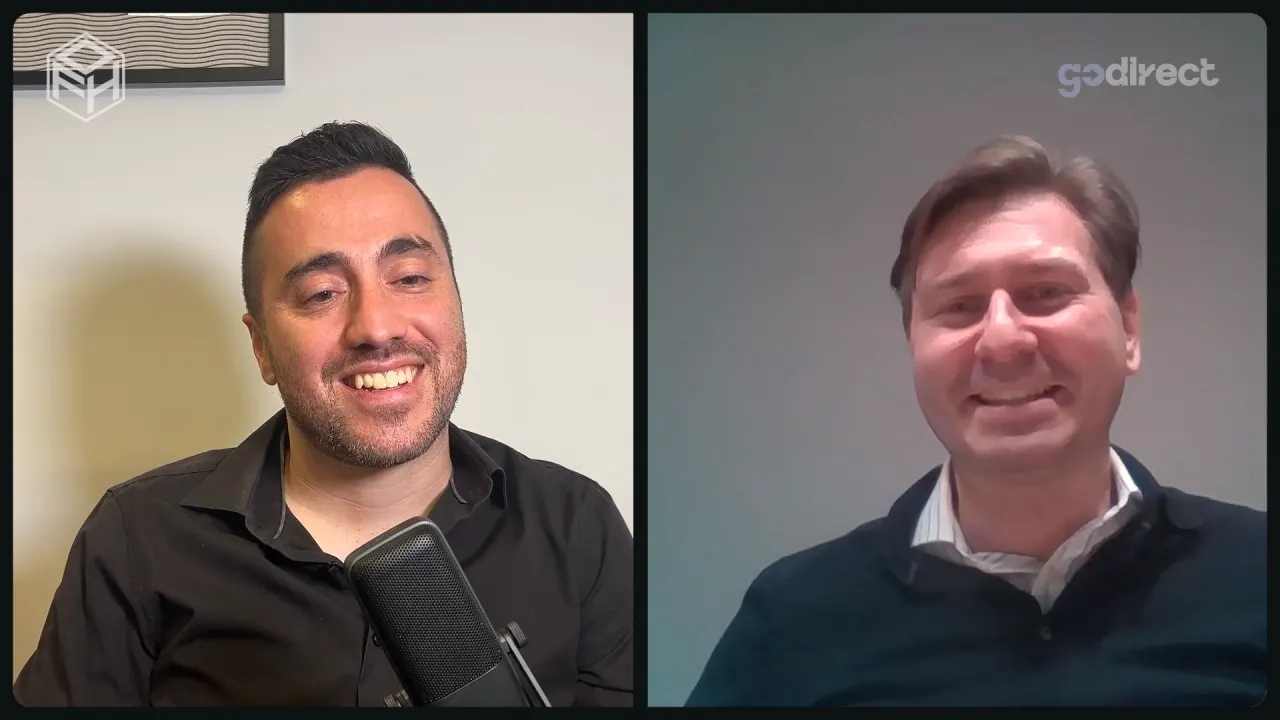
A good asset manager understands the number. A great asset manager understands what's behind the number. All right, welcome to Inside Hotel Asset Management. This is a Future of Hospitality podcast. So in this series, we are exploring the world of hotel asset management through real, real case studies, and they're being brought to you by industry leaders. So hotel asset management is all about value, so, and value creation.

So today we're going to talk about the Grand Hotel Central Barcelona in Spain. So we are going to hear from the Schroeder Capital team. So they have implemented a very smart repositioning strategy. And by doing that, they not only set up the hotel for long-term growth, but they also prepared it for the exit or for the sale. So maybe a quick reminder for everyone. So in a

hotel, you would usually see 3 entities. So the owner, who would have like an asset manager, someone who manages the investment, um, the operator, and the brand. Some of these entities can be you know, one and the same company. We'll talk about that later as well. So, um, my name is Luc Boschmans. I work for Red Sea Global based in Riyadh in Saudi Arabia, and today we

will be hearing from Emmanuel Disset and Dario Filipponi from Schroeders. Gentlemen, please introduce yourselves. Emmanuel, would you like to start? Head of Asset Management for Schroders Hotels. I look after a portfolio of 45 hotels in 9 different countries worth €3.6 billion. Fantastic. So Dario, please. Yeah, my name is Dario Filippone. I'm one of the asset managers of Schroders Capital. I I'm in charge of 6 assets located

between Poland and Spain. So yes, I travel a lot and I work with Emmanuel now for quite a long time and we are involved in this specific asset of the Grand Hotel Central in Barcelona. Great. So maybe question for Emmanuel. So Emmanuel, how did you become involved in hotel asset management? How did that happen? Honestly, nobody starts a career saying, I want to be a hotel asset

manager. And I think my path was really accidental. I started in operations as an analyst at the Intercontinental in Berlin in the early '90s. Then I moved into finance as an accountant at the, at the time, Churchill Intercontinental in London. Now it's a Hyatt. And that combination, operations on one side and financial discipline on the other, became really the foundation of my career. From there, I moved

into my first proper asset management role with IHG in the UK, and then I worked for owners of Hilton Hotels. And step by step, I really learned the tricks of understanding both how hotels work on the operation side And what are the key objectives of owners and what do you do to value and to maximize the value of a portfolio? So I suppose I'm the living proof

that there isn't one single path into asset management. You can come from operations, finance, development, revenue management. What matters is learning to connect the hotel operations reality with the owner's financial objectives. Okay, thank you, Emmanuel. What about you, Dario? Well, you know, similar to Emmanuel, really it happens by, by chance. Actually, I, after some initial operational experience, I moved into strategic consultancy, and at that time actually

was post the the great financial crisis of 2008, and I was in Africa and I was consulting for owners around the continent for establishing new hotels. And some asset management assignments started to come because clearly the owners needed to reshuffle or reformulate their strategy after that crisis and implement it. And well, This is how we started. I had the chance to asset manage initially an asset in

Mauritius and then another one in Cape Town. And then little by little I grew, you know, in that sense. And then I was called by Schroders and I started, you know, doing it with Emmanuel. Great, thank you. So I was really fascinated, you know, to, to, to read about what you guys did at the Grand Hotel Central in Barcelona. So, um, yeah, I'm, I'm, I would like

to hear more about it. So Emmanuel, would you like to, you know, explain us a little bit what you guys have done there, why, why you've done that, and then we can go into a little bit more detail with Dario? Sure, sure, I'll give a quick introduction and then Dario who has been looking after these assets since— this asset since 2021, is the specialist of this hotel.

Basically, we're talking about the Grand Hotel Central Barcelona. It's a 146-bedroom hotel located in the Gothic district of Barcelona. It's a beautiful building. It has 3 food and beverage outlets, and we acquired it at the end of 2021. We spent a bit more than €8 million to fully refurbish it, reposition it. We went from a classic hotel management contract to direct operations, and Dario will tell you

much more about that. And we basically grew the RGI from 64 in 2022 to 108 in 2026. Wow. This is such a successful story that we are already selling the hotel at the moment because the first chapter of the story has been successfully written. Great. And maybe just, you know, for, for, you know, if we have listeners who, who, who, you know, don't know that much about

hotel asset management, so RGI is the revenue generation index. That's what we use to compare rooms revenues amongst other hotels, right, to see whether we're doing well. So this is, this is a clear example that there's been, you know, quite a big success. Dario, would you like to give a bit more, you know, details? Yeah, absolutely. Listen, this hotel, it's really a great story in the sense

that when we first looked at it, this hotel was kind of positioned in the entry level of the 5-star, maybe higher 4-star if you can to put it this way, upper scale. And what was kind of surprising for us was the fact that although it is in the very city centre of Barcelona, it seemed to be more focused on business rather than leisure, with these rooms that

had big desks. The colours were kind of stark and dark. And when we looked at it, you know, we saw a hotel that could have much potential to actually increase the share of the leisure clientele, which is the one that allows you to increase also the ADR and the performance of the hotel. And then, you know, when we passed through the acquisition period that has been very

quick because of the transaction dynamic, we got into the real life of this hotel. And, you know, we had some initial issues because we actually, we had to rethink a little bit the business plan because some of the market conditions were changed. You know, the owners were probably asking higher value at that time. And, you know, we have been very quick at reshaping the business plan. And

defined or redefined the scope of work for this hotel. So, very interesting, interesting, we changed the scope of work and, you know, after a few years it was definitely the good decision to take. We have redecorated the rooms, changed completely the F&B offer, one restaurant is completely redone, new. We have soft-touched some of the common area, and, you know, we have repositioned the hotel from a marketing

standpoint towards a more lifestyle, joyful type of hotel, again to cater for this leisure clientele. Okay, yeah, interesting, fascinating. I mean, it's It's kind of, yeah, amazing that, you know, you would find a hotel like this, which in a city with so many tourist attractions and such a, you know, great business mix with a lot of leisure travelers and, you know, finding such a centrally located hotel

but actually equipped for business travelers. That's— Yeah, it was surprising to us actually. The biggest surprise, I think it was the first time that I entered into the hotel and I see that it was much more beautiful in real life than in the pictures, you know, like, you know, sometimes you always see these hotels try to oversell or overpromise through the web. And in this case for

us was kind of the opposite. They say, no, no, but this hotel is so beautiful, it's so great. So we need to, give justice, you know, to this beauty of this building and do something very, very nice. It's good. And then you, you decided not to rebrand in terms of, you know, linking the hotel to an international brand, you know. What was the thinking behind that? Listen,

the, the, the strategy was clear from the beginning that, you know, we were not necessarily there for the next 30 years. Okay, you know, we had a clear strategy with our investors that we wanted to extract some of the value, and a part of the remaining value should have been shared with future owners. Okay, and as a result, we thought that it was best, also thanks to

internal capabilities, basically to operate we create the hotel ourselves so that we could give the flexibility to future owners to decide, you know, which type of brand, you know, potential repositioning, you know, and this flexibility as a value for investors that at the end of the day it's very, very interesting and valuable, and this is why we decided not to use, you know, or to rebrand the

property with an internationally renowned brand. Although we know that there is quite a lot of interest, of course. I can imagine. To manage and brand a hotel in this location in Barcelona. So by taking the decision not to sign a long-term management agreement with, you know, well-known international brand or a franchise agreement, you were actually already thinking about, you know, what, you know, in our graph here

would be then the last phase, so the exit, right? Yes, this is very critical in asset management, Luc. You know, it's important to have a clear investment thesis and timeline for whichever target you want to achieve. The targets can be very different in asset management depending on the capital that is behind the investments and And we as asset managers need to make sure that we deliver on

investors' expectations, you know, and that it was clear for us since the beginning, again, that the timeline and the time horizons was not indefinite. And therefore, you know, we had to study the step by steps to achieve the best results possible for our investors. Okay, and so within the whole plan you came up with and implemented, what was the most difficult part of that whole plan? I

would say that the most difficult part was to manage at the same time all the complexities of this investment, which was like the definition and implementation of the works, its timing, the ongoing operations at the same time, the repositioning without a big brand that of course facilitates, you know, such marketing rebranding, you know, working at the same time in de-risking the asset that was managed by a

local operator and naturally, you know, doesn't abide to the international operator's, let's say, policies. So it was very very critical. Also, for example, we had to relaunch, relaunch F&B, F&B outlets, change of key personnel. So doing all of this at the same time is extremely complex, and you have high risk of things going wrong because if one of these pieces doesn't fit with the rest, then you

really risk undermining the overall strategy. That's a good point. So what do you think, you know, which part of the plan had really the biggest impact? What was the, you know, which was the most defining? Yeah, we love to believe that it's us, but of course, you know, then The reality is that, you know, capital deployment is definitely a key element to be able to achieve and

to extract the value of the asset. Definitely, you know, being able to have the right personnel around, so the personnel on site the people in the asset management team. So this alignment that Emmanuel was commenting in his introduction, it's definitely the key to achieve the results in an orderly and quick manner, I would say. So, you know, it is many things at the same time, but definitely

people and capital are definitely the two things that can can make the magic happen. Yeah, people and capital. Yes, Emmanuel, I may, um, just another point on that. I think what made this project particularly successful is the cadence we went through. When you think that we bought in late '21 and we're selling in early '26, that's barely 5 years. And one of the key success of this

this particular project is that we had all the time the exit in mind. We were able to go fast and to target exactly what would we— what we wanted to target from day one. Hence we are where we are because, you know, we started immediately with that mind spirit, that mind frame into we want to go fast, this is what we want to do, and we're just

going to do it. Sometimes you lose track a little bit if you are not that focused, uh, you know, time goes very, very fast, you lose the end objectives and you waste time. On this particular project, we were very successful at keeping the cadence and all the time having the exit in mind. Is the 5 years, is that like a typical hold period for Schroeder's Capital, or

is it, or Does it depend on— No, we tend to— I mean, it depends. We work with lots of different owners and investors. We do work with private equity. Private equity is even faster than that. We've done sometimes hotels that we kept for less than 3 years. We are— Sorry, sometimes less than 3 months, possibly. We had a case indeed where we kept a hotel for less

than 3 months. But I would say that generally speaking, our, our time horizon is about 5 to 7 years, sometimes much, much longer when we work with big institutions. So 5 years is on the faster side. And what's striking is what we highlighted at the very beginning is the successful story within 5 years is just not an okay story. It's a fantastic story. Yeah, within 5 years.

And that's actually the challenge. Great. Is there anything you say now, you know, oh, maybe this or that we, we could have done differently? Or, you know, looking back at the whole, um, repositioning, uh, strategy you had? Um, listen, uh, probably I, I would have improved, uh, the initial technical due diligence. Probably spending a little bit more time investigating the asset. Probably we could have spent a

little bit more time at the beginning in the consolidation of the documentation. But these things had been driven by the speed of the acquisition that again was very high because of the transaction dynamics that we had at that time. But, uh, beside that, I, I believe that the, the, the story and the, and the asset management initiatives were the right one and at the right time, as

Emmanuel commented. Okay. And so, so how would you then, you know, measure the success of such a strategy? I mean, Emmanuel mentioned, you know, the RGI in the beginning, so the market share, which is a clear indication that we are— that, you know, with your, your hotel, you're, you're gaining market share from the competitors. Is, you know, are there any other indicators you look at? Yeah, absolutely.

I mean, please go ahead. Some details, but for me, and without disclosing any numbers, uh, the difference between how much we bought for and how much we're going to sell for is definitely the biggest success that we have, without going into details. Yeah, no, no, definitely. So I understand, you know, the hotel is currently on the market, so you're preparing the exit, you're already advanced. And so

this is going to be very interesting, of course, for your whole team to see, okay, what is now, you know, how are we going to be able to reap the results of this whole strategy of these, you know, 5 years of working on this project. Absolutely. Yeah, absolutely. Clearly, you know, that is the ultimate, you know, measure of success. This is what our investors and co-investors are

judging us on. But let's say that, you know, in order to achieve that ultimate goal, it's important to set the different, let's say, KPIs. That helps you during, you know, the implementation of the asset management initiative that leads eventually to the increasing value of the asset. So, you know, the most important, it's the net operating income of the hotel, how you make it grow. Okay. And then

you ask about how you make it grow. Then it's basically an increase in revenues driven by the change of the segmentation mix that you have. The increase in prices, increase in volume, the repositioning of the F&B outlets. For example, one of the outlets is now Michelin Guide recommended, which is, you know, quite interesting for a restaurant in a hotel, and this improved the overall experience of the

clients staying in the bedrooms, which eventually leads to higher average rates. You know, another key point for me is how you are able to, let's say, de-risk the asset so that the new buyer has a clear framework, a clear idea of what it remains to do to extract, you know, the value that is still in the property. And that is a key measure of success. So when

you move from a technical or legal due diligence that is, I don't know, many pages long, and then at the end of the process, it's focused on just a few items, that is a key measure of success because you have prepared indeed the asset for the next buyer so that he has an easier life. Got it. Yeah. So no, I can really feel what you guys are

saying, how focused you are on this, preparing the asset for the next buyer, make sure he has still some upside. But in the meantime, that the sale will go in easily as well. So that's, that's, that's good. Yeah, that's, that's the key. Yeah. So no, congratulations. I mean, fantastic. Very nice, very nice case study. Very, very good. Very good job. Um, maybe in general, you know, so

a few, a few more questions before we close. So, um, what do you think, you know, what, what do you think what makes an asset— a good asset manager great? So what will be the difference between a good asset manager and a great one? Well, the, the difference is smaller than people think, but it's actually also bigger than most people think. A good asset manager understands the

number. A great asset manager understands what's behind the number. A good asset manager can read the P&L, challenge a budget, monitor RevPAR, GOP, cash flow, etc. That, that's the technical foundation. That's the minimum you need to to be able to do. But a great asset manager knows that the numbers are always late. Let me explain. Uh, hotels show problems before the spreadsheet. Weak pricing discipline, a GM

spending time on the wrong battles, a CapEx project that's improving the product but not the value. That difference, that's the judgment. A good asset manager will report performance. A great asset management like Dario will convert the performance into decision. What do we change? Who decides? By when? What happens if we do nothing? Etc. And the best asset manager can speak both the languages of the operator, of

the hotel manager, and the capital language of the owner. Yeah, I fully agree. Yeah, Dario, you want to add something? I mean, Manuel has a clear view of what is a great asset manager. If I had to add something, I would say that, you know, a great asset manager is also somebody that is able to absorb, chew, digest all these operational issues that we have been commenting

with Emmanuel and translate it into a language that an investor that sometimes has no information, no knowledge on the industry is able to understand. That is also, you know, a key characteristic for me for an asset manager. You know, many of the investors in the industry, they are not really interested in understanding whether the shrimp shall be served in one way or another, or, you know, whatever

operational issues. And, but at the end of the day, that net operating income comes from that detail. So the ability or the greatness of the asset manager is to really take all these operational, financial, legal compliance issues and to be able to explain in very clear terms to somebody that has nothing to do with this, with this detail, and able to convince them and get them on

board and make them understand that this industry is probably one of the best in the world. Very well said. Very good, Dario. Thank you. So You know, in my role, I'm also in charge of our, you know, training plan for our junior colleagues. And, you know, we have around, you know, 10 people in our team who are really interested in learning more about hotel asset management. And

that's one of the reasons why I do this podcast, because I think it's great content for them. So what would you— are there any recommendations or any— is there any advice you could give to young people who say, you know, I would love to become a hotel asset manager? What would you tell them? I would say that that would be, first of all, a great decision, you

know, for somebody who is willing to become an asset manager. And the nice part is that there is no preset path to become one. I would say that they need to understand how to be street smart and then have a very multidisciplinary approach. So learning the operations, learning the finance, learning the investment side, the brokerage, you know, the broader is your understanding of the industry, possibly the

more successful you are going to be in the role because you will understand the different, let's say, angles of different investors, operators, people in operations, banks involved. So that would be my advice, would be Great idea. Start with whatever you want, move to other, you know, roles, learn as much as possible, and that would be the way you can become a great asset manager. If I may

add, sorry, I think you need also to be very ready to handle uncertainty, being able to change the plans if you understand that something is not going as planned. You must be focused or sometimes obsessed with the value creation. You know, that is the key. Our job is really to create value and, you know, as you said, Luc, there are several ways of creating value and You

know, you as asset manager, you need to understand a little bit of everything to really be able to drive that value creation that, you know, in different assets can come from different things. Great. Yeah, so no, I, I, you know, I like it, you know, you said, you know, be obsessed with value creation and as well, you know, try to learn as much as possible. You know

what I always tell, uh, you know, our younger people as well, you know, be and stay curious, you know, ask questions, you know, if it's not clear, don't worry, ask questions, you know, we all started somewhere. So, so we all learned, we all, you know, started with nothing, so to say. So that's a, that's a very good point. In order to conclude the session, first of all,

many thanks to Emmanuel Desez and Dario Filipponi from Schroeder Capital. I think this was a, you know, a great conversation. I really loved it. And, you know, if you people out there listening or watching this, you know, if you enjoyed this conversation, please follow, like, and subscribe and support the channel for future conversations. There's more coming up. We have, you know, some very interesting industry leaders lined

up as well for this Inside Hotel Asset Management podcast. So thank you very much. Thank you for my two guests, and see you soon.

NEWSLETTER

Bleiben Sie auf dem Laufenden

Jeden zweiten Dienstag senden wir Ihnen die neueste Folge, die zentrale Debatte darin und die eine Zahl, die Sie sich merken sollten. Zwei Minuten Lesezeit, kein Spam.

Gelesen von 4,200 Hospitality-Führungskräften

Unsubscribe in one click, any time.