

















 EPISODE · 72 MIN
Sustainability in hotel operations: what works and what fails
Gavin Fraser, Remco Groenhuijzen, Chrys Filimegkas, and Eric Van Lambalgen join The Sustainable Stay to separate the sustainability in hotel operations that delivers from the kind that stalls. From keycard heating that guests defeat to scope 3 supplier emissions, this episode explores what survives a busy Saturday night and what disappears after the first pilot.
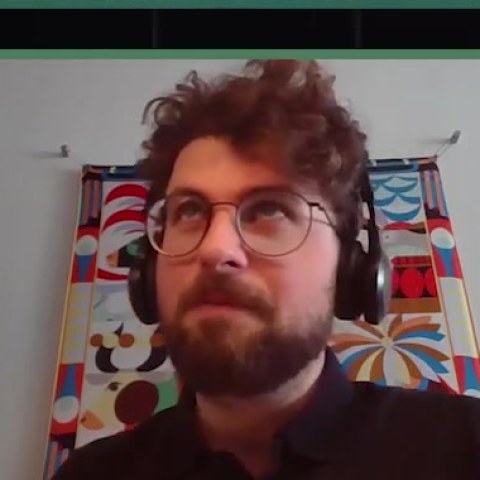 Gavin Fraser
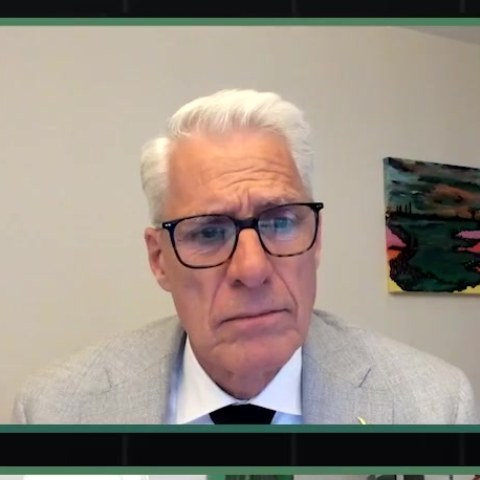 Remco Groenhuijzen
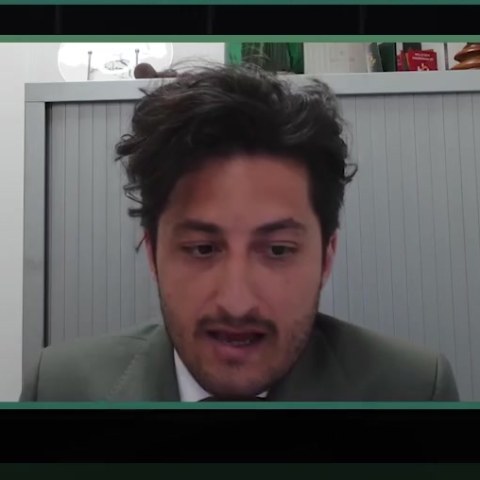 Chrys Filimegkas
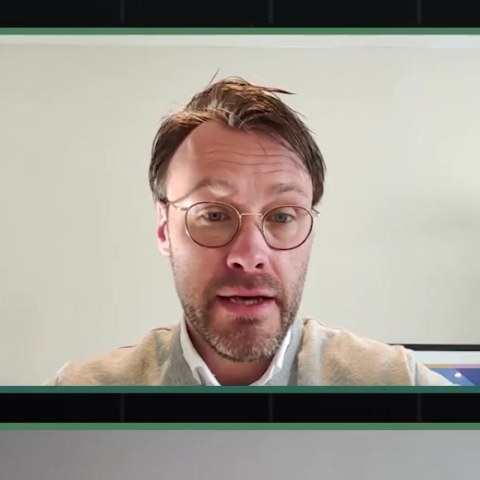 Eric Van Lambalgen
KEY TAKEAWAYS
Behavior decides the result
keycard heating and biodegradable products fail less on technology and more on what guests actually do with them.
Fast ROI wins first
opt-out room cleaning saved roughly 200,000 euros a year with almost no upfront cost, while heat pumps cut energy use by half.
Certifications can be marketing
not all are equal, many serve as a sales label rather than real-world value, so treat them as a diagnostics tool instead.
If it does not work for the team, it will not work at all.
Transcript
Click a timecode to watch from that moment.
00:00Welcome and the central question
1
Cesar WurmSo there we go. Everybody ready? All right. Welcome to the Sustainable Stay, a future of hospitality podcast. Today we're sitting down with a group of hotel leaders and industry voices across operations, finance and design. People who are directly involved in the decisions that shape hotel operations. And that's exactly where we're going. Sustainability in operations. What works, what doesn't, and where things break down in real life. because that is the space where impact is either real or it isn't. So the question for today, is sustainability in operations delivering real impact or is it part of it still an illusion? And before we get into it, I'd like to briefly introduce our guest. And first of all, thank you all for being part of this conversation. And if you can go around the table, mention your name, your role. and why you felt this was a conversation worth joining. Let me start with Gavin.
01:06The roundtable introduces itself
17
Gavin FraserNo pressure. My name is Gavin Fraser. I'm Group Director of Built Environment and Sustainability with Circle Collection in Amsterdam. And why I think this is an important discussion to be a part of is because what I see in hospitality is a lot of competition. Of course, we are competing with each other and to a large extent, with sustainability, that's not something that we actually should be doing. So it should be a roundtable discussion between hotels. It should be an open discussion. And I'm happy to be part of any discussion which includes other hotel groups.
Cesar WurmI like it, Remco.
Remco GroenhuijzenMy name is Rem Groenhuijsen, I'm the General Manager of the Meufenpik Hotel in Amsterdam at the waterfront and I work for over 30 years for ACORE, actually most of time in Amsterdam. Why I think this is important, as you said, is a lot being said about sustainability, it becomes like a little blur.
Cesar Wurm.
Remco Groenhuijzenword because it helps a lot of things. think on social aspects, on sustainability, energy, things like that. So it's much involved and it becomes a little hip word. I think we really have to talk about what is really, as you mentioned, and that's why I think it's interesting what is really working and what is not working. And what is also, I think, an interesting discussion, what happens in the back end of a hotel, what the guest doesn't see.
Cesar WurmSure. Yes, yeah, we come back to that. No, we're, no, but thank you for sharing. Chris.
Remco GroenhuijzenBut okay, we come back to that in a couple days.
Chrys FilimegkasGood morning everyone. Pleasure being here first of all. Thanks for the invitation. My name is Chris Filimegas and I'm the Director of Operations in the Grand Hotel Amsterdam, part of a core where Remco also used to run for a while. Nice meeting you Remco as well. Why I'm being here, first of all, talking about sustainability, it's not an option, it's the way to move forward. And we as Hotel Yes, we need to keep the dialogue open as Remco already fully mentioned. The term of sustainability becomes a little bit blur. So we as leaders in the industry, we need to clarify and also steal or adopt ideas from fellow colleagues on how we can improve ourselves. I think we still have a lot of steps. to do in order to improve on that fund. So yeah, happy to be here and contribute to this conversation.
Cesar WurmThank you, Chris. What about you, Eric?
Eric Van LambalgenYeah, hi. Eric, thanks for having me on this podcast. It's great to be able to share my view. So I advise hotels and hotel groups on board level on finance and sustainability. So most recently I've been CEO for the usual hotel group, a startup regenerative lifestyle hospitality group, working from the Netherlands with a kind pan-European focus.
Cesar Wurm.
Remco GroenhuijzenThank
Eric Van Lambalgenbring them the name the usual, do unusual things in terms of sustainability and make that the usual. So that's kind of what we're trying to do. And at the moment I'm advising different groups on their sustainability and regenerative journey that they like to take. is driving me is I'd like to showcase that profitability and sustainability
Remco GroenhuijzenThank Okay.
Remco GroenhuijzenThank
Eric Van Lambalgenlight-style design, comfort can actually go hand-in-hand and that there is a know sustainability or sustainable measures are still operationally and commercially viable. So that's really what I like to do.
Remco GroenhuijzenThanks.
05:13Initiatives that looked great on paper
27
Cesar WurmWonderful, thank you so much. Let's go straight into it. If you are completely honest, what is one sustainability initiative that looked great on paper, but it didn't work in reality? Not the way you expected.
Remco GroenhuijzenThank you.
Cesar Wurmand what happened who is the one who wants to comment on this first
Remco GroenhuijzenI would like to do one thing differently nowadays. You have your key card and you come in the room and you have to your key card in a slot. By doing this you initiate the heating or the cooling system. So that sounds very good. But to be honest, the guests when it's warm, when they leave the room, they don't take out the card. They leave the card in because they say that my room stays cool. So you know that the philosophy behind it is not completely working. And second of all, in our hotel, so it sounds great when you open the window, the ventilation stops because you said, yeah, we're not heating or cooling for the outside world. But yeah, guests don't understand that, you know, when we see that they also complaining about this. And once you introduce this, this is built in a hotel, it's very hard to disconnect these things. So it's by implementing something that should be also very logical for your guests. And you would think it's an easy one. You put your card in, when you open the window, it's easy, easy, but we see a lot of discussions on
Cesar WurmBehavior. Behavior.
Remco GroenhuijzenYeah. Yeah.
Cesar Wurmbehavioral change that needs to happen. Gevin, Gevin, what do you think about that?
Gavin FraserI agree. I've seen several different examples of this on a big and a small scale. So one, which I think is quite interesting, because I have seen it done well, but... not in my experience, is where we were working in, this is already several years ago, in a construction project, interior project, where we started to use more circular materials. was particularly certain kinds of circular tiling, which was a great idea, of course, but it was still relatively new thing. And what we saw later was that it wasn't able to stand up to wear. Of course, hotels are very much hard wearing. People use hotels very,
Remco Groenhuijzenyou
Gavin Fraserintensively, they can be damaged very easily, so you need very strong and robust materials. But where I have seen it well, was just going to mention the usual in Rotterdam because I know for example there circular materials are used actually quite well in a very robust way. So I think that's already evolved past when we tried it, so that's something we'll come back to probably. And then I think another thing in the operations what I have seen was
Cesar WurmMm-hmm.
Remco Groenhuijzenyou
Cesar WurmYeah.
Gavin Fraserthere was a of a move towards a lot of paper, bamboo, biodegradable products. And what we've seen is... We get mixed feedback to that. One is that sometimes the guests complain about this, if there's a perceived lack in quality, but also in a way you're still creating a disposable product which gets thrown away. So the priority is shifted for us more towards just reusable items which are not made from bamboo, but can be washed and reused 10,000 times instead of something which is disposable.
Remco GroenhuijzenYou
Cesar WurmInteresting take. Chris, do you have something to say about that?
Chrys FilimegkasI think we all have quite some examples. can give, for example, something similar to what Kevin mentioned, the in-room directory or in-room dining experience menus. We chose to not print them for obvious reasons. However, we saw that the... The guest feedback is also mixed. Sometimes people appreciate it, some others find it difficult to navigate themselves through the screens that we provide in the rooms and find the menu via the screens. So that's one example. Something else that it's also linked to what Remco mentioned more into behavioral change is the Veganuary Initiative that we run in January.
Cesar Wurm. .
Chrys Filimegkasa month that we created a fantastic menu with locally sourced ingredients, vegetarian menus. However, it was not as popular as we wish to be. And we see that we need to be persistent and the years to come to contribute in that behavioral change. Yeah.
Cesar WurmFantastic. Eric.
Eric Van LambalgenYeah, I think I agree to the kind of the behavioral change. I think that's where the biggest issue sits. You know, we often find
Remco Groenhuijzenyou
Eric Van Lambalgenthe usual, but also with other brands that I'm supporting, that we want to take the next step, but our guests are actually not yet ready for that next step. know, we fetched a menu with the usual when we started, we wanted to be 100 % plant based. And that is just not something our guests are ready for. So I think it's not necessarily a product or an element that, you know, we find that doesn't work. What we did find is that, you know, we need to start teaching and educating our guests.
Cesar WurmHmm.
Eric Van Lambalgenand our suppliers and our employees as well about the changes that we're making, why we're making those changes and particularly what kind of impact they have on our environment, the environment we're working
Cesar Wurm.
Eric Van LambalgenSo yes, I think that's where the biggest thing sits. We want to go too fast. We want to start with initiatives that people don't understand. And we spend a lot of time trying to explain reasons behind that. I think that is what is the most difficult part at the moment.
11:25Cost versus impact
1
Cesar WurmI think you're right. It's early stage, even though in my mindset we are on this road for many years, but for a lot of people this is only just starting. That brings me to the subject cost versus impact. Where do you see sustainability clearly creating value today? And where is it still more a belief than a business case? Anyone who wants to go first.
11:52Hotels for Trees and a 200,000 euro saving
4
Remco GroenhuijzenFor me, think what is very clear is also what we see saves our cost is Hotels for Trees. Floris is not here, but we introduced this and people who don't know it, it's very simple. We have a card, it's called Hotels for Trees. You ask the guest to hang it on the door and we don't clean the room. Of course they can do a little of a disturbance but this gives them more of feeling like okay I'm doing something back. And we must say we really see growth in that. Just to give you an idea, think I saved, okay this is a 408 room hotel, 408 rooms we have, we saved in 2025 about 200,000 euros on cost, on cleaning cost. But it costed me also.
Cesar WurmOkay.
Remco GroenhuijzenIt also 70,000 euros because the hotels and trees ask for 5 euros for the whole organization and to plant a tree. And we know they're also doing it, they're certified in that thing. But there you can see really the guests appreciate it that we do this. Because they also can choose to the disturb or whatever, but they put really this card. So I think that is a positive one.
Cesar WurmAnyone else?
13:23Heat pumps, LED, and clear ROI
11
Chrys FilimegkasI think if I may, where we see real impact is when we have clear ROIs. This is in our case, the energy infrastructure. During COVID, we had the chance to implement an ATS system with heat pumps that effectively reduce our energy consumption by 50%. And in... in today's world with all this geopolitical instability, the war from Ukraine that was the first example that really gave us back in terms of numbers. It's something that we really see a good return of investment. And I think this is in general, we are swapping as most of the hotels LED
Cesar Wurm.
Remco Groenhuijzenyou
Remco Groenhuijzenyou
Chrys FilimegkasLamps. So these are technologies that give clear ROI and I think it's a focus that hotels are having currently or should have in my opinion.
Cesar WurmAll right.
Gavin FraserI think I'll just jump in there as well. I would agree a lot of the tangible, let's say measurable savings, because that's of course the key, it's how we can measure it, comes a lot from our energy and water use in the hotels, which is, everybody knows this for a very long time, but hotels are some of the most energy and water intensive buildings in the world of any building type.
Cesar WurmTrue. .
Gavin FraserSo and water specifically, I mean, if you look at how much hotels, how much water hotels use, it's quite shocking. And I think saving water also saves in a lot of time your heating and your heating energy, so your gas or whatever else you use to heat your water. So we see that as a direct saving.
Cesar WurmMm-hmm.
Gavin FraserAnd of course, but the challenge there in a lot of ways is it has the highest upfront investment. So that's where your challenge is. Something like Hotel for Trees or other like room cleaning opt out system has a very fast ROI because there's almost no investment into that system. Whereas something like changing an air conditioning units for a more modern system has a very high investment, although it has a very good return on investment long-term. So I would say utilities has probably one of the highest impacts or real measurable savings in terms of the least because I think the question was also like what do we see as not being and I think it depends but from what we see is there are a lot of certifications for example.
16:08The greenwashing risk in certifications
8
Remco Groenhuijzenyou
Cesar WurmGreenwashing.
Gavin Fraserwhich is very controversial. Not all certifications are actually equal to each other. That's one. And a lot of certifications are only there as a marketing tool. So they will not actually give you real world value. Yeah, and you could argue, for example, having a sustainability certification brings you more customers, more corporate clients. But to be honest with you, from our corporate bookings, all of our corporate bookings demand this regardless. So all of the hotels have it anyway. And if you're talking about something like Amsterdam specifically, almost probably every hotel has a sustainability certification. So I would say that is where you have to question, as maybe a small hotel, if that's something that you...
Cesar WurmRight.
Remco GroenhuijzenThank you. I don't see that.
Gavin Fraserneed although the advantage of it is that maybe depending on the certification but some give you quite good insights into how your hotel runs and where you can maybe save money. So it can also be used as a diagnostics tool as well.
Cesar WurmHmm.
Remco GroenhuijzenHmm.
17:14Off the gas grid and government subsidy
20
Eric Van LambalgenYeah, and I think what you said, you need to think when you start building your buildings on the systems you're using, the equipment you put into your hotel, that in the long run will save you a lot of money. You know, ventilation systems.
Cesar WurmOkay.
Eric Van Lambalgenusage of gas or getting off the gas grid completely. You need to have some investments there. with our hotels, for example, the usual hotels in both Rotterdam and Brussels, we deliberately took the decision to take them off the gas grid. That needed a lot of investment, but we really see the benefit from it. We have two hotels that do not rely on gas. We've all seen the gas prices going up. So there's a direct saving there as well. Plus, it is a great story.
Chrys Filimegkasyou
Eric Van Lambalgenand we use very different sustainable. utensils, utilities. So you need to be very smart about the investments that you take. And I also hear the conversation around the certifications that you have. There's a lot of focus on likes of Green Key that has been around for a very long time. It's very good. That's really the start of certifications for hotels. European Union woken up. They started with certification, corporate
Cesar Wurmand they have a very good technical and technical experience the company.
Eric Van Lambalgensustainability reporting directive, example, CSDR, to name a few. But there's so many things that you can do and there's so many tools in there as well. And it shows you where you can save money or where you can put your money to. to get some savings in. And what a lot of, you know, we, or the usual used to own and operate their own buildings. I'm supporting other groups that also, you know, their buildings or only the prop co, as we would say. You know, where's another cost saving element or what supportive element a lot of governments actually subsidized, you know, specific investment. So it's always worthwhile to look into that because
Cesar Wurmyou
Remco GroenhuijzenThanks.
Eric Van Lambalgenyou do get half or quarter of your investment back from government. It's a lot of work to get that done, but it's 100 % worth it. it helps you kind of go back to investors, say, this is amount X, we're saving X, Y, Z amount on that. On top of that, get the subsidy that we need to really put this investment over the line.
Cesar WurmMm-hmm.
Remco GroenhuijzenYeah.
Cesar WurmLet's go to the gas factor. We often say that guests care about sustainability, but if you look at actual behavior, are they really supporting it or is this mainly a theory? And I spoke with Gavin before, you have a nice example about that, I think.
Gavin FraserOh, do I? I thought... I can't...
Cesar WurmDo I? Well, I remember you saying where we talked before, you talked to someone, I don't know who it was, and that person said, guys don't care.
Chrys FilimegkasThank
Gavin FraserYeah, yeah, yeah, yeah. So, yeah, I'm not going to name drop anyone in this call, but it someone senior, a senior person from one of the very, very large groups, which I'll remain nameless, who was in their carbon team. And the discussion, it was part of a bigger discussion at a conference about the role, what hotels and what staff can do to reduce or improve the sustainability of hotels.
Remco GroenhuijzenThank
Gavin FraserAnd the question was asked, what role does the guest have? And he said that they have no responsibility at all because it's too complex for them and it's too challenging for them to understand. And I told you. I think that's a very, very lazy answer because in a way, we can design a building only so far and we can operate a building only so far, whereas we do everything we possibly can in the latent systems, the systems which do not have guest control to make them as sustainable as possible. But at the end of the day, the guests are the majority of the people in the hotel using the building and consuming. So they do have responsibility.
Cesar WurmIt is. .
21:38Flying 50,000 eggs a day from France
6
Gavin Fraserbut I think responsibility might not be even the right word, but I think the key is how you communicate it. another example to that is another discussion I had was with about sustainable procurement and another hotel group, large hotel group. Their head of procurement was discussing as part of a sustainability conference that they have 50 hotels in Dubai, in the UAE, and they're They have a corporate policy that they cannot have caged eggs. They have to be cage free eggs that they use in their supply chain. But they cannot supply them from Dubai. So he was explaining that they fly 50,000 eggs a day in from France. he explained that that was because that's what the guest wanted.
Cesar WurmWow.
Gavin FraserAnd again, I can only think about myself because I am also a state of hotels. I would be quite happy to give up horrible scrambled eggs and have something more local. And I think it's when you assume. I think when we assume what the guest wants and what the guest is willing to do, I think that's where we already fail. I think it needs to be more of a conversation with the guest to see.
Cesar WurmAbout communication.
Eric Van LambalgenI yeah if I what you said it's a very lazy answer
Gavin FraserI don't
23:05The 88 percent booking decision data
15
Remco Groenhuijzenyou
Eric Van LambalgenI think if you really look at statistics and there's quite a few groups and companies that measure statistics and do their research, I'll name a few from the top of my head, but I know a Leamington group, which is a group based in London recently done a study and they found that 88 % of the travelers say sustainability is now an important factor in their booking decision. So if you can't be that sustainable brand, 88 % will consider somewhere else. And three quarters of the group that they've questioned says they plan to travel in a more sustainable way this year. So again, you need to have lots of influence on there. If you look at more the up style, the luxury market, Virtuoso done a good report last year. they found that 62 % of the travelers that they questioned, again, Virtuoso very luxury travel. really enhance their vacation experience. And these are not small companies. They work with real guests and they question real guests. And those numbers are only going up. If you would have done the same study a few years ago, those numbers would be very different. Like you say, 100 % of the companies nowadays want a form of sustainability in their booking program as well. So it might not be the guest that is taking the decision.
Cesar WurmMm. .
Eric Van Lambalgenbut the way that guest companies book nowadays will definitely influence the way that we need to treat sustainability. It's no longer a nice to have. The modern traveler really sees it as a... They want to have the guilt-free indulgence. So it ultimately defines the way we need to run our businesses.
Chrys Filimegkasyou
Cesar WurmYeah, it's more like I flew 3,000 miles, paid a lot of money for a kerosene, et cetera, but I want to do something sustainable when I get to play my part at some point.
Eric Van LambalgenWell, you're saying something very important there because our conversation is always around what can we do within our building.
Cesar WurmMm-hmm.
Eric Van LambalgenBut actually, if you look at kind of the wider footprint that we have, you know, our building is a percentage of it. The way, like you say, the way our guests travel to us, our employees travel to us, our suppliers get our goods to us. There's a massive impact there as well that, you know, nobody really talks about yet. So we really need to start looking into that as well.
Remco Groenhuijzenyou
Remco GroenhuijzenYep.
Eric Van LambalgenYeah, I mean, there's a whole kind of, you know, scope in emissions and where your emissions sit and that scope three, which is kind of that external factor. That's where, you know, we should have the most influence on. So, yeah.
Remco Groenhuijzenyou
Cesar WurmYeah, Chris do you see that too and in the grand
Gavin Fraserand I'll
26:13Luxury, storytelling, and the buffet
57
Chrys FilimegkasYeah, absolutely. it's for me sustainability. Guests are fans of sustainability when it does a compromise luxury, at least on the luxury segment. It's this fine line between storytelling, how you engage the guests. I'll give you a quick example. In five star hotels, guests are used to have this lavish
Remco Groenhuijzenyou
Remco GroenhuijzenThank
Chrys Filimegkasendless buffets for breakfast. And, you know, we inherited this behavior. So again, it's a balance between trying to teach your guests, but at the same time, do not compromise their luxury feeling. They want to indulge in comfort, they want to indulge into what they pay for. And so the challenge for us in the luxury market is
Remco GroenhuijzenSo.
Cesar WurmSo,
Chrys Filimegkasfind this balance on engaging the guests, keep on teaching them on, for example, why we choose to have a smaller buffet or a completely a la carte breakfast menu while you're engaging them and kind of teaching them that way. But what we also see, and Eric mentioned it also with numbers, while in general, 88 % of the guests are favorable on sustainability-driven hotels,
Cesar WurmHmm. .
Chrys FilimegkasOn the luxury market, we see that those numbers are a little bit lower, but still it's our responsibility to keep on insisting on this behavioral change. But for me, it's this fine line between sticking to the authenticity and don't use sustainability just as... We are part of Amsterdam hotels and every hotel in Amsterdam is sustainable, but really preach it on every step of the guest journey. Engage the guest in every opportunity and of course use the storytelling to explain the initiatives that you are taking.
Remco GroenhuijzenThank
Remco Groenhuijzenyou
Cesar WurmGood.
Eric Van LambalgenI'm going to go. Say one thing, there's a lot of things around luxury travel and sustainability. You say, you know, that they're less willing. Actually, a lot of studies show opposite that, you know, most guests, for example, kind of up style or budget hotels, they're not necessarily willing to pay a surcharge for, you know, sustainability measures, but it's taken into the booking decisions where if they have same price category and sustainable versus non-sustainable, they prefer sustainable over non-sustainable. The luxury guests are actually the only guests that are willing to pay surplus for that part of sustainability element in there.
Chrys FilimegkasI agree. I agree on that, that they are willing to pay if there is a sustainability option. What I experienced is that they are not willing to compromise the luxury feeling. I'll give you an example. For example, I'm in search of a very simple operational example. I'm in search of sustainable slippers the last three, four months, I believe. But I'm still struggling to find the quality of sustainable slippers.
Cesar WurmNo.
Eric Van LambalgenNo, no, no, no, no, no.
Chrys Filimegkasto match the quality of a non-sustainable slippers, let's say. And I know for a fact that even if I pay more, so I can transfer this price to the guests, they might want to pay, but they are not willing to compromise the luxury feeling of the product.
Remco GroenhuijzenThank
Eric Van LambalgenNo, absolutely not. The luxury needs to remain the same or even be enhanced by sustainability.
Chrys FilimegkasAnd this is, think, also the challenge that we are facing still because although sustainability has been a hot topic for at least the last 20 years, the products are still, we see a lot of challenges on the procurement side to match this luxury feeling, look and feel sometimes. Some others, we have great examples that we have sustainable products way superior than the normal, say.
Remco Groenhuijzenyou
Cesar WurmMm. Thank
Remco GroenhuijzenThank
Cesar WurmWhat's your take on this Remco?
Gavin FraserGood, good.
Remco GroenhuijzenMaybe I'm a little bit more negative. To give you an idea, we put water in the fridge. In every room there are two Tetra packs of water. Why do we have Tetra packs? Because we have 400 rooms, so that would be 800 bottles. And to bring 800 bottles down and up for the staff is not right. Tetra packs are not the most sustainable items you can have.
Chrys FilimegkasOkay.
Cesar WurmHmm
Cesar WurmNo.
Remco GroenhuijzenBut you can drink the water from the tap. And you see that the guest is not... When we tell them that, they get angry. They tell you, no, I need water. And it depends where they come from. And I also should not take all guests by one or two remarks. One guy in our corps is sending out always a questionnaire after your stay. One of questions is what do you think about the sustainability issue of items we have in the hotel and did you found it? And one guy wrote, I would not care less. know, so some people are really not... But I think sometimes it's, I mentioned about the heating in the room with the cart. Look at, you know, in our lobby and in our hotel, at the meeting space, we have all the garbage. We've split paper waste and...
Cesar WurmYeah.
Remco GroenhuijzenWell, have a look at it now. I mean, you know, we can only throw it by the normal garbage because it's all mixed. know, what I, yeah, we was just saying about we should not educate the guest when he come in and tell him, you should do this, you do that. But yeah, let's say it bothers me. know, we have for the meeting space, created, our core created the CO2 tool. So you can.
Cesar WurmOkay. you.
Remco GroenhuijzenWhen you have a meeting, can fill in how many delegates, how did they come, how did they travel. So you get a amount out of it, you know, that you can donate and they can even choose where to donate it to. You know, and when we tell them that in the initial phase, they are, oh, that's very good. As we were just saying, you need to have a sustainable app. are Green Globe certified and we're platinum. So we're already over 10 years, Green Globe. So. They say, yeah, you need to have a label. When you come with this item, you tell them, okay, are you spending the money? And then the 600 euros is now, yeah, I'll leave it. So sometimes I think it's important that we all have it, but most of them have it. I do understand that you say about surges studies. I do also understand that Boko.com did quite a study and they said it's also very important. But yeah, don't feel, let's say I don't feel it a lot. But I also get, to be honest, I also get positive remarks because we have a lot of stickers by the window and it says in funny way like, okay, please keep the window closed because of the heating. You can drink the tap water, you know, things like that. And we have a water system in the lobby. So we provide bottles that people can fill. So that's also perceived as positive.
Cesar WurmOkay. Hmm.
Gavin FraserOkay.
Chrys FilimegkasYeah, just going back to Ramco, I think we're in a mission. The studies show something. In reality, we see both sides, but I think it's a continuous mission from our side to be persistent on that behavioral change that we keep on mentioning throughout this meeting.
Cesar WurmKevin. Yeah.
Gavin FraserCan I just add something very quickly there? think we're kind of dancing around one of the main challenges, which is when we look at the studies, because there have been a lot of studies around, you mentioned, of course, booking, booking have been doing their sustainability traveling survey for many years now. I think it's also the kind of questions which are asked. If you ask someone, would you to stay at more sustainable hotel? So most people would say yes to that question. Would you like to pay a little bit more for a more sustainable hotel? Yes, sure. Are you willing to make more sustainable choices? Yes. But if you ask people what explicitly they are going to do themselves personally, like as a guest, what are you going to do as a guest to make your stay more sustainable? That's a very hard question to answer because then it's not just a yes or no. You're asking people to actually give an answer as to what their actions would be. And that's where we, think, as hoteliers, or you know, there is some responsibility to try and communicate what it is that they can do. And not even that, but just what is the impact? Because if a guest comes to our hotel in Barcelona, we're not telling them that each room is using 500 litres of water per room night.
Cesar Wurm. .
Gavin FraserWe don't tell them that, but that's what it is. If they're to the hotel in Amsterdam, we're also not saying that they're 250, 300 liters of water per room night. But when you start to quantify their stay in a way that I think is also understandable and measurable, I think that's also maybe a key in communicating. And I think this is also going a little bit to the OTAs. We're talking about booking.
Cesar Wurm.
Gavin FraserThey also have a responsibility as well, I think. And now they have their traveling sustainably program with certifications. We've heard it from, I think it's quite funny, we've heard it from guests before where they say, you know, do you want to at a more sustainable hotel? Yes. And therefore I stay at a hotel which is certified.
Remco GroenhuijzenThank
Gavin FraserOkay, great. But then that absolves me for that. That's all I have to do. The only thing I have to do as a guest is stay in a hotel, which says that they're sustainable. That is of course, you know, that's sort of people see that being, okay, that's the end of my responsibility. I've made my choice. That's it. And I think we need to go a little beyond that. I think, yeah.
Remco GroenhuijzenAll right.
Cesar WurmYeah. I paid the money, I paid the money, made the choice. Yeah, yeah, yeah. It's being done for me.
Eric Van LambalgenAlthough. I have something else to say about that. think what we also need to realize is in our hotels, we welcome different generations. And the younger generations look at sustainability very different than the older generation, right? The demand for sustainability, sustainable change is a lot higher in the younger generations. And we find that, you know, running lifestyle hotels, we might have a bit more of the young generations, you that do appreciate the DJs in the lobby, cetera. But they do require an amount of sustainability and they actively question that. And actually we see the same when one of our important guests are, of course, our ambassadors, our employees. What we really noticed is an experience. When we opened the usual in Rotterdam and Brussels, for example, we had a whole recruitment plan in place with
Cesar WurmYeah.
Remco GroenhuijzenYeah.
Eric Van Lambalgenyou know, different recruitment days. But actually we found the interest of the younger generation to come work for a true sustainable brand so great that, you know, after one recruitment day, we already had all our ambassadors hired to the team. And actually we had a waiting list for people that wanted to join us. So the younger generation find it very important and they are willing to make those changes and they are actively asking for those changes. And that's also something we need to keep in mind.
Cesar WurmLet me move.
Chrys FilimegkasAnd that's what, if I may, and that's what I was referring to before Eric as well, that on the luxury market, our clientele is also on the later stage, let's say. Therefore, we also see the resistance a little bit higher. More lifestyle hotels or budget hotels have younger clientele, which are also more educated in a way or more willing to compromise sometimes or to engage on those initiatives.
Remco Groenhuijzenand
Eric Van LambalgenExactly, and soon those generations become five-star luxury guests as well. those hotels will need to start preparing for it as well.
Chrys Filimegkas100 %
Cesar WurmI saw the same thing at the hotel schools that I've been collaborating with. had a roundtable with students a few months ago and what I What I see is the change is this generation, the latest generation that are graduating right now, they are more designing their own future with a sustainable mind. And those are the new industry leaders as well. So it's not just guests, but also the new leaders. So that brings me to the innovation and operation part of this conversation. There is no shortage of good ideas. That's what we heard Remco named a few things. in operation, but what actually makes something survive in daily operations? And what makes it disappear after a first pilot? mean, Chris, you had something earlier in the conversation, but can you give me a few examples? Who wants to start?
39:57What survives a busy Saturday night
11
Chrys FilimegkasI feel that if I may, in order to something to work in these operations, it needs to be able to work on a Saturday night, it needs to be able to work on the big season. So it needs to be a systematical change and needs to be part of the process of the SOPs of the culture. So. you know, how we make something work is first of all, educate ourselves, educate our team, make them aware, being part of, you know, we run EHG onboarding trainings, we keep the dialogue open, you know, so we create the culture when it comes to our ambassadors. And then when it comes to an initiative, this needs to be part of the system as well. So...
Remco GroenhuijzenThank
Chrys Filimegkassomething that doesn't require a lot of extra effort when it comes to operations, doesn't require extra steps of service, so something that is automated and efficient.
Cesar WurmHmm.
Eric Van LambalgenYeah, if it doesn't work for the team, it won't work, right?
Chrys FilimegkasExactly. if you can incorporate in the system without adding extra work, as I said, on a busy Saturday night service, then that will survive and go through after the pilot.
Gavin Fraseror even reduce work. right. I mean, that's, I mean, that's also something that we see. I mean, we, a hotel company, we're never founded as a sustainable hotel company.
Cesar WurmHmm.
Gavin FraserWe're trying to add on everything later. So for example, we still see in many, many hotels, maybe none of the hotels in this group, where you have the physical registration cards that you have to sign, fill in manually at a hotel when you're checking in. You get this form, you have to put in your email. Nobody can read the handwriting.
Remco GroenhuijzenHold for a moment.
Gavin FraserAnd that was of course still how it was done. It's still done in many hotels now. That's how it's done. And of course then in different countries the night team have to go through this, type it up, scan it, shred it, store it, whatever. Whereas if you have a more digital system, which is a digital registration where you just put all your information in correctly, it saves a lot of work. It's got a very fast implementation. And also the team doesn't have to try and read handwriting later. And we of course capture more contact information as well. So that's, mean, this is a very basic example, but there are many, many examples like that where it's just making your operations more efficient and more streamlined and also giving your operations more actionable data as well. Meanwhile, making the, you know, given the hotel teams less work to do.
42:56Energy, water, and monitoring systems
65
Cesar WurmWe lost Remco here. wanted to ask him something, but anyway, let's move to the energy part. We talked about heat pumps. Energy, water is an important thing. Remco mentioned that earlier. When it comes to energy and buildings, what is actually delivering results right now today and what still feels too complex or too expensive to scale?
Gavin FraserYeah.
Eric Van LambalgenMm-hmm.
Eric Van LambalgenSo I'll go from a finance point of view. Again, need decisions that you take, you need to take them early on when building a hotel. You need to take good decisions. we going off the gas grid or are we staying on the gas? Do we have the systems in place to do so? But yeah, anything that you can save in terms of utilities, improve your buildings, double glazed, triple glazed windows, all those elements will help you save energy. And those are kind of the open doors already, fortunately. Those are the easy wins that you have.
Cesar WurmMm.
Eric Van LambalgenOne factor that you always need to keep in mind is when you're building or constructing these elements, how does it fit into the building? How does it fit into the operations? How does it fit in the local community? If you need to put a large ventilation system on a roof that makes lots of noise, your neighbors are also not going to appreciate that. So how do you factor all those elements in?
Cesar WurmHmm.
Chrys FilimegkasOkay.
Cesar WurmHow about you, Gavin, at Circle?
Gavin FraserYeah, I mean, I would say that what we've seen the biggest results and I mentioned it before, if you stick with Barcelona as an example, we have a very energy intensive hotel there.
Cesar Wurmyou
Gavin Fraserresource intensive. a five-star hotel so we see of course with five-star hotels that they are more demanding and it was built in 2004-2005 approximately and we've now just completed a full overhaul of all of the air conditioning system so that's of course 20 years it's been running with a previous system which is already too long actually but
Remco GroenhuijzenThanks.
Gavin FraserWe've already seen a massive reduction in energy use just from that. But again, that is of course a massive investment. And I think already what is a very useful tool for hotel, especially hotel groups with multiple hotels. So this is maybe not so relevant for independent hotels. You need to have some kind of way of just tracking your own data, monitoring your own use, energy use, water use in one system. So if we are a hotel group with 15 hotels, we have a system now where we can see all of the hotels, how they perform, some also with live data. And we can track, you know, what are the peak moments. the reason that this is important is it gives you more information about how your buildings are actually used.
Cesar WurmMm-hmm.
Gavin Fraserthe data you use, what parts of the building you use more, and gives you more information. So the monitoring system, energy management system is probably the more technical way of calling it. It's a very useful tool with a relatively, like some systems have a very low upfront cost of implementing, which give you a lot of actionable data that you can just start to understand, okay, what is the actual, you can just map out what is my actual impact now. And you'd be surprised that not a lot of hotel groups have that.
Cesar Wurm.
Gavin Fraserof course like a car and man they've got this of course because they're required to and by law and and again we have to keep in mind that we're sort of in a little bit of a bubble here in europe where a lot of hotel companies already have this but there are a lot of smaller hotel groups which don't and it's still quite a fragment they have a very fragmented approach to gathering information so having it in one place as an energy management system has a low cost but it can be give you a lot of savings because it just gives you more information that you maybe identify
Remco GroenhuijzenThank
Cesar WurmMm-hmm.
Gavin Fraserproblem that you didn't even notice before. Same with leak detection and stuff like that.
Cesar WurmWell, that's what Remco mentioned earlier. Remco, you were gone for a few seconds, but we're talking about energy in the hotel. You mentioned it earlier about saving water. You saved a lot of money with it. Can you elaborate a little bit more on that?
Remco GroenhuijzenNow on energy savings. Now what I mentioned was about the big change we had with the room hotels for trees. That was actually a big saving. I think I just missed a little bit the conversation, nowadays you have to build a building management system, of course, where you can monitor every room you can see. But I still think there is, if we talk, we didn't spoke about AI yet, but I think
Cesar WurmMm-hmm.
Cesar Wurmthat is the one.
Remco GroenhuijzenThis will, I hear some techniques about water, to manage your water system, to keep to the right flow. If there is a leakage that they detected very quickly, you know, without, you know, when a guest leaves, he leaves the tap open, you know, you can lose a lot of water. So I think those techniques will help us for sure in the future to monitor much more your energy behavior. Yeah, we, the difficulty of thinking, I don't know if you guys spoke about this.
Cesar WurmRight.
Remco GroenhuijzenBut our building is, we opened up 20 years ago and a lot of techniques have been changed. So making adjustments to the technique now, we luckily have a water system where we use the thermo from the ground, so that's built in the building. But we still use gas to give them the last bit for the Legionella and all that. But in the end, we will have to get it.
Cesar WurmYeah.
Remco Groenhuijzenget rid of it and we have to make the investments to do that. But then you get another discussion because those elements are of the building owner, know, if he's willing to invest in that. luckily we see that building owners knows that when their building is sustainable, it has much more value. So I think also that that will help us. But then you have really to work together to get this achieved because we pay the gas bill and it's their installation, but we pay the gas bill.
Cesar WurmRight. Yeah.
Cesar WurmAbsolutely. So that brings me to partners. What do hotels really need from partners? Because you cannot do it by yourself. And where do suppliers still get it wrong? Who wants to pick up on that?
Eric Van LambalgenYeah, I think what you say is suppliers or partners are incredibly important in running a sustainable hotel.
Chrys FilimegkasBye.
Eric Van LambalgenVendors are no longer vendors that supply goods, they really need to become strategic allies in telling the story that you want to tell. A lot of suppliers can help with delivering supply of sustainable goods, materials. There are hundreds of small suppliers out there. and need to start using them and utilizing them and work together with them so they can also take those next steps. We need to keep challenging them to.
Cesar WurmCan you give me a few examples of the suppliers or the impact makers that you work with? Just to give an example.
Eric Van LambalgenYeah, well, I think the usual has, for example, a very big list of suppliers that they use. They really want to focus on the regenerative or circular elements. So I'm not sure if I can name any names. Yeah, so they use... I mean, there's a list of 50 suppliers, I suppose. I won't go into it.
Cesar WurmYou can do whatever.
Cesar WurmNo, not the whole list, just the...
Remco GroenhuijzenOkay.
Eric Van Lambalgenknow, outing beds, for example, high quality beds, but they make fully circular beds. I think we all know the view that we walk through Amsterdam and we see, you know, a pile of mattresses dumped around, you know, they end up in the landfill. They make circular beds now.
Cesar Wurmyeah.
Remco Groenhuijzenand we'll see you in a
Eric Van LambalgenWe use waste materials for furniture. So Meta Design, for example, they design furniture of waste. What we've done is in Rotterdam, we worked with the Good Floor and they're using plastic from the Maas as an example, the Maas River. That we got out with Clear River, that's another initiative. we, know, half of our floor is made of plastic that we fished from the Maas River. And one of the fun facts there is we did a
Eric Van Lambalgenevent where we went litter picking. A lot of the plastics that we litter picked went to the good floor and they made some furniture for us. There's a lot of elements there, sustainable bedding by Umaco, toilets that we've been using and the sinks being used in the usual are made of wood chips, which have a quarter of the carbon footprint, third of the carbon footprint of Woodio. So there's a lot of kind of partners that you work with. If I look wider in London, there's a lot of kind of food and beverage suppliers that you see that work very local. You've got, rather than, you know, getting your wine bottles from France, there's like filling stations, know, people still want to hold a bottle of wine.
Cesar WurmSo you also, what I'm hearing is also new experiences. You're just playing with the sustainability factor and people are, guests are not compromising their comfort, their luxury. But what I'm hearing from your side is you're playing with that model a little bit. But reclaimed plastic, et cetera.
Cesar WurmAnyone else on this? Gavin, because you're in the middle of it.
Gavin FraserYeah, yeah, sure. I mean, I think, for example, because we are a larger group, Eric mentioned before, were.
Remco GroenhuijzenIt's good.
Gavin Fraserin scope for CSRD, Corporate Sustainability Reporting Directive under the EU, which that in itself actually mandates or requires groups to engage with their suppliers. So stakeholder engagement, to engage with the people that are basically selling you products. And you have to engage in many ways to basically understand what are their own, I'm talking about the suppliers, what are their own practices in terms of energy management, waste management, pollution, workers' rights.
Cesar WurmMm-hmm.
Cesar WurmRight.
Gavin Fraserchild labour, those kinds of things. We have to, we basically have to approach suppliers and ask them, you know, for their, information on those topics. Of course, they're not obliged to give it to us. We have to demonstrate that we have gone. and acquire that information, they will be obliged later. It is worth mentioning. So in a way that does a few things. One is of course it means that we, it maybe narrows down some of the suppliers that you can work with because not everyone will be able to comply with those requests or not everyone will want to comply with those requests. But it's also a good tool for us to maybe map out what is our supply chain. And that's actually maybe the, if we're talking about suppliers and vendors, I think the challenges that... a lot of hotel groups have thousands of suppliers and sub suppliers and sub, you know, it's a massive web at some point. So what we found is now we're trying to maybe consolidate a little bit of our supply chain, maybe with larger, larger partners, which then have more sustainability controls. It's a challenge and we're at the beginning of this journey, right? So it's not like we're very far. then that's CSRD is one thing, but of course we work also like Eric said,
Cesar WurmRight.
Gavin FraserWe also work with Oping, for example, and that's a very interesting one because if you say to Oping, would like to see your factory. They will be, yes, you can come, they'll give you a whole tour. You can go through the whole manufacturing process and also their circular process where they deal with waste. It's a very transparent relationship in terms of how they're actually producing your products. So I think that kind of dynamic with suppliers is really important because of course it also builds trust. know, if I can see where you make the product.
Cesar WurmYes.
Gavin Fraserand it's in the Netherlands, I hope it makes it in the Netherlands, which is of course for us even better. But if you can actually see where the materials are coming from, can demonstrate it. That for us is the most interesting. And we have other examples of that as well. it's also we can demand once you're a certain, if you're a really, really large, large hotel group, of course you have a lot of influence in the market. You can demand certain things. But I think the hotels should also be a little bit more demanding from the support
Cesar WurmHmm. .
Remco Groenhuijzenyou
Gavin Frasersuppliers. And I think for example, we have a lot of suppliers where we force them to take back packaging or, you know, they have take back packaging or, know, mono packaging, so you don't have a million pieces of plastic to deal with. And those are really basic things. But it's, again, as Remco said, if you were to look behind the curtain, behind the scenes in hotels and see just the amount of materials that are coming in and going out.
Cesar Wurm.
Gavin Fraserthat has a massive impact where you can start controlling a little bit of the suppliers actions as well.
Remco GroenhuijzenMm-hmm.
Eric Van LambalgenIf I'm, if I'm, if I'm.
Cesar WurmCool. There's a lot to talk about this.
56:37Scope 3 and supplier partnerships
26
Eric Van LambalgenYeah, if I may say something, think suppliers in this conversation is a very important topic because what we don't realize and again, you know, it's been mentioned, the scope three emissions, they're actually, you know, our largest emission and our largest footprint sits with our suppliers. And we all look into our own operation. What can we do, et cetera? But we really need to start to push our suppliers to go on that journey with us and support them and create those partnerships.
Cesar WurmMm-hmm.
Eric Van Lambalgenwith the suppliers that actually are willing to make those changes. And it goes very far from packaging to electric deliveries or bicycle deliveries or anything like that. But they have a large influence. And another thing, Evan, you mentioned this. It's not all the suppliers are willing to provide you with the data. And I think we need to be a lot stronger to our suppliers because from a compliance point of view, we want suppliers to provide data as well because ultimately we will need to start providing data as well. It becomes a mandatory piece very soon. We need to understand what our suppliers are doing. So we need to start challenging our suppliers to deliver not just products but data behind the products as well. And that also makes our story better. Of course, we need to allow them some time.
Remco GroenhuijzenThank
Eric Van Lambalgenbut we need to start creating a little bit of a fist with all the hotels together. We can do that and we can demand from our suppliers to go into the sustainable journey with us.
Cesar WurmRight.
Gavin FraserAnd I think just absorb it.
Chrys FilimegkasAnd if we can take it also one step further talking about partnership fundamentally, you're looking on benefit from both sides. So for me, a sustainable partnership in sustainability is someone that understands operations. And that doesn't go only from the hoteliers to the suppliers, not only to the suppliers towards the hoteliers. But for example, I'm operating in the city center of Amsterdam and I'm dealing with a lot of challenges when it comes to the supply chain, accessibility to the city center, and it's always going to be more challenging when it comes to operations. We know that the city is aiming to bank cars in the city center from 2028, but how we can get all the stakeholders in one table understand each one's challenges.
Remco GroenhuijzenThank
Chrys Filimegkasrather than only demanding but really, know, get getting said it, I believe, you know, go to go to the factory, understand operations there, bring them to the hotel so they understand our operations, sit with Hamente and talk about infrastructure, talk about subsidies, you know, if we're talking about electric vehicles for a factory, I'll give an example of a linen company that we're using, you know, in order this company to...
Remco Groenhuijzenyou
Chrys Filimegkasto get 20 electric tractors, it requires millions of euros of investment. how we can understand each one's challenges, because in today's world we understand that the margins are very, very, very little and every step towards a sustainable environment always comes with a cost. So how we can, again, get those three parts into a table and everyone contribute to that.
Cesar WurmYeah.
Eric Van LambalgenYou're running a marathon with them, right? It's not a sprint and it doesn't need to be resolved today, but as a marathon, you set out your path and you run that and that's what you need to do with your suppliers. And things that I find helpful with I've been advising hotels in as well as, you know, go for performance-based contracts where you set certain KPIs in terms of sustainability and, you know, measure that every so now and then and keep them responsible for that. you know, it all comes down to a very strong supplier code of conduct. You know, show what you want from the supplier.
Cesar WurmCool. Cool.
Eric Van Lambalgentell them what you want from the suppliers and let them agree to it and take it from there.
Gavin FraserNow you... You have to a very, very strict, you have to have a very strict set of guidelines for yourself as a company that you constantly review. It's not like a static thing as well, you know, it should evolve. And so we have that, if we're looking for any new supplier, we already know exactly what it is that we're looking for. And in a way, I think the EU is helping us a little bit on this journey because we have CSRD, which is forcing us or forcing suppliers and us as a supplier, because we also supply services to.
Eric Van LambalgenYeah.
Gavin Fraserto provide certain information, but that means that maybe company it's less attractive to purchase things from China, for example, if they're not as willing to comply with those that legislation. And it's also a larger risk for you as a hotel company that you cannot guarantee the source or the origin of the products that you buy or that it's not being made, you using child labor, for example. So, and then there's other things there. We see that the EU is also requiring or they're implementing a CBank
Cesar WurmHmm. Thank you.
Remco Groenhuijzenwhich I will show you.
Gavin Fraserwhich is cross-border adjustment mechanism, is a carbon tax on construction materials coming from outside of the EU as well. So even building hotels now, your material sources are more likely to be coming from the EU. So those are all actually positive things, I think. And just to build on what Eric said, think suppliers in terms of our Scope 3 emissions are key because for example, if you look at Scope 1 and 2, which is basically the energy that you're burning or consuming on site.
Remco Groenhuijzenyou
Gavin Fraseror you're importing, so gas, electricity, whatever. And we can reduce that so far, you know, but at some point you will always have, unless you go, you know, in most cases you'll always have some kind of energy use, always. So you can reduce it to a certain level. Vitroscope 3 is where you have a lot of potential because that's a massive set of emissions there where you have more options. And I think it's a topic for later as well.
Remco Groenhuijzenyou
Cesar WurmOf course, I think this is a topic for a whole new roundtable conversation. Honestly, we could, this is, thought so. So I'm glad I'm hearing all this. I want to move on to the next one. And this is the last question for each one of you. If you started again tomorrow, what would you do differently from day one? I start with Remco.
1:02:38What each leader would do differently
55
Gavin FraserYeah, well... Well...
Remco GroenhuijzenThank
Remco GroenhuijzenAm I live? You mean what?
Eric Van LambalgenThank
Cesar WurmHa ha, whatever you want.
Chrys FilimegkasMm-mm.
Remco GroenhuijzenWhat I think is difficult, what I want to say is, of course you want to change things. when I would start a hotel, I start from scratch with the hotel building. think this is of course something that we challenge. Our hotel is not even that old, it's 20 years old. Chris notes I was General Manager of the Grand. That was from 1400, but we did there.
Gavin FraserOkay
Cesar WurmMm-hmm.
Chrys FilimegkasYou
Cesar WurmI was gonna say that 600 years old that building is the former city hall.
Remco GroenhuijzenWhen I was there, we drilled a hole and it was an investment of 9 million. But the owner was willing to invest with all the new glazing and all things that came with it. But you need owners, we talk about partnership just now, you need owners who are also willing to invest in that. I think one thing we said and we go back to operations. When you start from scratch and you implement something and tell also your team that this is the way we work, it's not anymore a changing of a habit. Especially when talk about food waste or buffets and things like that. I've noticed so many times that people are stuck in old habits. I would like to start a new hotel, build a new hotel, start with a new team. And I think then you have to work the fact.
Chrys FilimegkasHahaha
Cesar WurmHow about you, Chris? How about you, Chris? Chris, you work in the grant? Yeah.
Chrys FilimegkasI want to start a new hotel because I'm blessed on the hotel that I'm operating. indeed, the biggest challenge, if I could start again, let's say, I would start something that works when it comes to the numbers rather than sounds good, looks good, feels good, but it doesn't really move the numbers. The hour is not there, so it's not really scalable, I think.
Remco GroenhuijzenOkay.
Eric Van LambalgenThank
Chrys FilimegkasI think the investment that Remco mentioned before is a good example. We talk about energy infrastructure. It's something that provenly works. operating a hotel from the 1400s, indeed, it's a big challenge and it's a marathon, as Eric mentioned before, it's a marathon on optimizing step-by-step. the building rather than making it perfect on a short term. But as long as you have indeed partners, the local authorities, but also owners that they're focusing on that, the hotel will undergo a massive renovation in the next couple of years and every step and every material in this renovation is very well.
Remco GroenhuijzenThank
Chrys Filimegkasinvestigated in order to contribute positively to the environment. So for us it's a great opportunity to improve because obviously we have a budget of innovation while when you run on a yearly capex the challenges are constantly there on improving those efficiencies. So if I could start from the beginning I would indeed invest on
Cesar WurmOkay. Okay.
Chrys Filimegkassustainability and I think every hotelier is doing it nowadays and I will work with partners and services that prove that it is working.
Cesar WurmAll right, what about you, Gavin? OK. Just name a few.
Gavin FraserSo many things. I mean, there's so many. How much time have you got? Yeah, think a few things. think one is that there's a tendency for action first. Whereas I think trying to understand the problem or the impact that you have is more important when you're starting.
Chrys Filimegkasyou
Gavin FraserYou really need to understand what is your impact before you can do anything to mitigate the impact. And also, so for example, in my job, I just started immediately trying to do projects, but you need a bigger picture, a bigger picture plan about what you're trying to do. So that was quite a harsh learning curve. And I think the other thing is I don't come from an operations background. So I never worked in hotels, in the actual hotels. So,
Cesar WurmMm-hmm.
Remco GroenhuijzenThank
Gavin FraserYou have to rely on the hotel teams because they know what they're doing. It's all great that I have an idea in the headquarters of what we should be doing and what I think works. But you have to go there to back of ours and then they can explain it within five seconds. Yeah, that's not possible because of X, Y, Z or you know, but what is possible is maybe this, you know, so that is something that I learned really quickly. And also to never assume anything because you can only
Chrys FilimegkasThank
Cesar WurmYeah.
Remco Groenhuijzenyou
Gavin Fraserassumed so far in sustainability what the guest wants, what the guest is willing to do, what the staff are willing to do or able to do, what the building's performance is. I mean, when I started at Circle, we have several hotels. We have also a hotel which is from the 1600s, it's a canal house, and you would assume that that's the worst performing hotel in terms of sustainability in the whole group, but actually it uses a quarter of the energy per room night as our other hotels, which is 20 years old.
Remco Groenhuijzenyou
Gavin FraserNo hotel is built the same. Every hotel has to have a very unique and very measured approach just to understand what is possible.
Cesar WurmSure.
Cesar WurmEric.
Eric Van LambalgenYeah, I think a lot of things have been said. Not necessarily what I would do differently, but I suppose what I do more of is support your business case with strong numbers, with strong return on investment. You know, even a 9 million euro investment of a heat pump. You know, there's a return on investment element there, which is also kind of driving the decision of an owner or somebody else in the business. So make sure you've got your numbers straight. I think that's an important piece. Yeah, don't just start running, you know, have an idea and just implement it, understand what does your business need? What's the easy wins? is the more, what are the things that need more attention, et cetera?
Remco GroenhuijzenThank
Eric Van Lambalgento get that straight for yourself and get a strategy in place there. I think that's a massive piece. What I also like to see more of is, you know, we're all claiming that we are sustainable, right? We've put a hook in our bathroom, we can put our towel on and then all of we're a sustainable hotel because we're not washing the towel straight away. You know, that's no longer sustainability. Get real claims out there, really, you know, tell the story and the steps that you take and also share that you're not perfect yet, but that you're working.
Remco GroenhuijzenThank you.
Cesar WurmMm-hmm.
Eric Van Lambalgenon it. You know, that's also part of the story. don't all have to be transparent. Yeah, be transparent. We're not all perfect, right? Sometimes the journey that we take is more important than being perfect from the start. So learn from your mistakes, learn from your investments, et cetera, and take them to the next step and be transparent about those steps. I think that's a very important piece that I would like to see more of in the industry.
Cesar WurmThe transparency, yeah. No.
Remco GroenhuijzenYeah.
Chrys FilimegkasAnd learn from each other. you know, going back to Ariane, organizing this conversation, I think it's, you know, it's also a step forward.
Eric Van Lambalgen100 %
Remco GroenhuijzenThank
Cesar WurmThank you guys. That is a great closer, by the way, Chris, because I'm listening to all your stories and it just confirmed to me that we need to have more of these conversations. There are topics that we need to dive deeper into. So we're going to do that. We're going to continue with these roundtables. For now, I want to thank you for being part of this first one. I really enjoyed it. I hope you did too. And I'm looking forward to the next one. For our viewers, please, if you like what we are doing and you want to be part of this conversation or want to follow us, please like, subscribe, and just stay close to us because more is going to happen. Guys, thank you so much. I loved it.
Remco GroenhuijzenOkay. Have a nice day. Okay. Bye-bye.
Gavin FraserThank you.
Chrys FilimegkasThank you.
Eric Van LambalgenThank you very much.
Cesar WurmYou have a great day. Bye bye. Stay online for now. Stay online. Do not go.
Eric Van LambalgenRight.

