
















 EPISODE · 56 MIN
Hospitality that gives back more than it takes
Anastasia Ivanushkina and Bouke van de Wart join Next Gen Hospitality to question what regenerative hospitality really asks of a new generation. From private equity ownership to commission-heavy platforms, this episode explores how young talent wants to give back more than the industry takes.
 Anastasia Ivanushkina
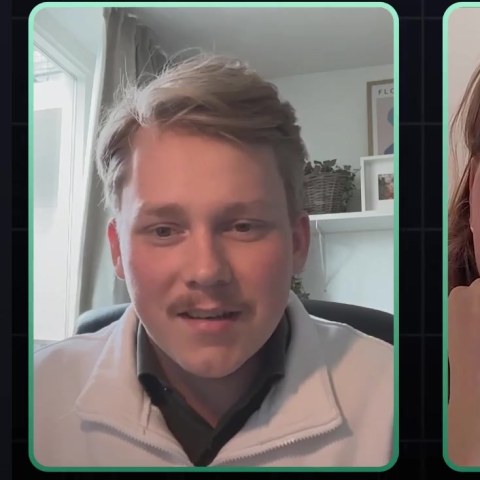 Bouke van de Wart
KEY TAKEAWAYS
Commissions drain the community
Booking platforms take up to 30 percent and add nothing to the place they sell. That fee pulls value out of local communities and toward a few large players.
Ownership decides purpose
When investment firms hold control, hospitality drifts away from being hospitable. Community-owned and ecotourism models point the other way, returning the profit to the place and the people that earn it.
Redefine what success means
A business that pays its staff well and gives back to its community is the real measure, not profit alone. For a generation that verifies claims fast, transparency beats greenwashing every time.
Value profit less, and count community contribution as success.
Transcript
Click a timecode to watch from that moment.
00:00Catch up and a travel story
35
Anemoon Schepelof these new series. so I thought, okay, who do I want to ask? then course, Anastasia, you had such a nice research project and you, Bouke, you were so critical during Rederative Society. I thought, it's good to have these two people in the first podcast. Yeah, how are you doing?
BoukeNice.
BoukeYeah.
Boukegood. I still have a bit of a jet lag but no it all went it was an amazing two weeks. I really needed to also get out of here out of the Netherlands for a second. Yeah.
Anemoon Schepelyeah.
Anemoon SchepelYeah.
Anastasia IvanushkinaFair. Some good sun.
Anemoon SchepelYeah, and did you, how was your trip?
BoukeIt went well. was a very insightful two weeks. I went there for work, but also for leisure. And it's a beautiful country, but it also maybe it links a bit to this topic as well. It's also a very poor country in lot of aspects, right? And it's also quite a dangerous country in lot of aspects. And I was very close to the danger without like...
Anemoon SchepelYeah.
Anemoon Schepelyeah.
Boukethe moment realizing it but I went to a party and it was a party that was hosted by the cartel. I was partying there, I had fun you know and I was talking to people and I'm not easily scared by people and I knew they could be from the cartel because they had a lot of face tattoos and they had tattoos you know and I was like oh it could be but I'm not really someone to judge because in their positions the cartel is not always bad right it also does a lot of good things for the people there. at of the party I was like, I'm going to go. And he was like, no, we come with you. And I was like, no, no, it's OK. I'll go to my apartment. It's all good. And I received a goodbye gift from the people. But the goodbye gift was a live bullet. So they gave it to me. And I took a picture of it when I was in the cab. And apparently it's a real threat.
Anastasia IvanushkinaWow.
Anemoon SchepelWhat does that mean?
BoukeYeah, it means like get out of here because we could kill you. We don't want you here. So it was a real threat, but I was like, oh, nice. Thank you. Yeah, yeah, yeah.
Anastasia IvanushkinaHello.
Anastasia IvanushkinaYeah, that is not good.
Anemoon SchepelWow, okay.
BoukeYeah, but it also shows they were really hospitable at the same time. They were like, come, let's have a drink, you know, let's... Yeah, yeah, but it was a unique trip. I really enjoyed it for two weeks.
Anemoon SchepelYeah.
Anastasia IvanushkinaHmm.
Anemoon SchepelYeah. Wow. It's shocked by that. You get a light. Yeah. Okay. And you.
BoukeYeah, and how was your...
Anastasia IvanushkinaWhat an introduction, yeah.
BoukeYeah, yeah, how was your vacation?
Anemoon SchepelMy vacation was nice. I went to Italy with the kids and yeah, yeah, it was very relaxing. We went to all the cultural sites, Pisa and Rome, Florence. Yeah, so that was really nice. yeah, Anastasia, how are you doing?
Boukenice.
BoukeMm-hmm. Mm-hmm.
Anastasia IvanushkinaI'm doing well, just work, internship. Nothing, yeah. Nothing special. Yeah.
Anemoon SchepelYeah. Exciting. Did you do something nice on King's Day?
Anastasia IvanushkinaYeah, but I had to work the next day so I didn't go party. just had brunch with my friends and then we just walked around for a little bit, had spent some time in the park. Because you know, you don't really want to be hangover in the office. So that was definitely a smart decision. So it was good. Yeah, yeah, definitely.
Anemoon SchepelYeah. No.
Anemoon SchepelSo, relaxing King's Day then, not too crazy. okay, so shall we get started? Do you want to get bit more insights on the questions that I'm going to ask or do you just like get excited? So what I'm going to do first is I'm going to ask you to introduce yourselves also. And yeah, whatever you want to say there, right? looking maybe at the research you're doing or but also your background a little bit on where you're from or what you're excited about. yeah. And I will just add additional quick. Yeah. OK.
Anastasia IvanushkinaMm-hmm.
Anastasia IvanushkinaI think we can jump straight in, I think.
04:44The official welcome
2
Anemoon SchepelI need to do the official sort of... So I have a little script running in the background. And I'll just look. So I'll just, if you hope I get my arm out of the way, that you don't see me scrolling through the script. But yeah, let's get started. So welcome to Next Gen Hospitality, a future of hospitality podcast.
BoukeMm-hmm.
05:12What this series is about
1
Anemoon SchepelIn this series, we explore the future of hospitality through the ideas, doubts and ambitions of the next generation entering the industry. And today's conversation focuses on regenerative hospitality. It's really looking at how to give back more than we take. And today, me, Annemar Schepel, will have a conversation with Anastasia and Bouke, two remarkable students who have been coaching. We're in the graduation phase. And so I'd like to first ask you to introduce yourselves.
05:49Introducing Bouke
6
Anastasia IvanushkinaAlright Baku, would you like to go first?
BoukeAll right. My name is Bouke. I'm needed my last year at Hotel Schooldee Heek. I'm born and raised in Nijmegen. I have been active in the hospitality industry since I was very young. I think it was my first job that I could take in the Netherlands when I was 14. I worked as a dishwasher. I've always worked in this industry and I really like it. I like being hospitable. I like opening my home to people, hosting. making food, making drinks. And I've continued to study in it with Hotels Goody Hey, but I've also noticed there that I had some different ideas than the hospitality industry, not hospitality as its word, it's on its own.
Anemoon SchepelYeah, you also had your own catering company, right?
BoukeYeah, yeah, I worked with catering indeed. had a catering company, private dining. So I love private dining for people. I cooked in their homes. I traveled for that quite a lot, which is very nice, of course. And currently I'm actually also building together with others a new thing, also in hospitality, but more on the tech side of hospitality.
Anemoon SchepelYeah, more about that later maybe.
BoukeYeah, maybe.
07:08Introducing Anastasia
4
Anastasia IvanushkinaYeah. Okay. All right. My name is Nastasia. I am half Russian, half Luxembourgish. I lived 12 of my first years in Russia and then moved to Luxembourg. And then I pursued a career in biochemistry. It was around COVID and I went to study epidemiology. But quickly enough, I found out that wasn't something I wanted to pursue. I came back to Luxembourg. And that's when I worked in the lab for a while as a chemist and then did substituting. for kindergarten and I think that's the first sort of step into outward broad hospitality when I thought, okay, you know what, I actually really enjoy working with people. And on the way, I applied to hotel school, which is how I am now in my last graduating year here. And my first hospitality job was in the Michelin star restaurant here in Amsterdam, which has taught me a lot. ever since then, I worked a lot in restoration. and now doing an internship in revenue management so a little bit more behind the scenes for myself.
Anemoon SchepelYeah, it's a very interesting route, going from biochemistry and then kindergarten to hospitality. So yeah, very different from both in that sense, So what was there a moment when hospitality for you became more than just a career choice?
Anastasia IvanushkinaYeah.
Anastasia IvanushkinaDefinitely.
08:23When hospitality became more than a career
7
BoukeYeah.
Anastasia IvanushkinaYes, definitely. think having gone through the first year of hotel school when I've made that choice to pursue this career, it felt for the first time like it felt right. think having quite an international background really connected with me that us as people in hospitality is where the connect for people who go travel to introduce ourselves to country we're representing, the culture we're bringing forward and building that bridge in between. And I think for me, that's what is the bigger purpose in hospitality that goes beyond it. So sort of like more for human connection and yeah understanding that at the baseline we're all sort of similar just all curious.
Anemoon SchepelYeah, and how is that for you, Bouke?
BoukeI think it's a bit the same because it is really a people's business. for me as well, what I really liked as hospitality was why I also decided to study forward in it to continue with it is the feeling of making someone's day or making someone's evening. The real, the real laugh you see on someone's face, the smile when they leave your building or when you serve them food, really making those moments is really what I enjoyed. And I also enjoy receiving those moments. So going to hotels, to accommodations, to restaurants and being served by someone with a passion, right? And then really leaving that place with a smile. That's something that I really enjoyed. And I was like, I can also make my career in this? That's kind of nice.
Anemoon SchepelYeah, so it's really going for these genuine connections, right? Yeah, yeah. and so if you're looking at, yeah, you already said, Bacu, where did it start for you personally? How you started off in a dishwasher place? Can you tell more about what that meant for you?
Anastasia IvanushkinaDefinitely.
BoukeYeah, yeah.
10:33From dishwasher to young chef
3
BoukeYeah, it was the restaurant, it was around the corner from where I lived. And I actually wanted to work in the kitchen, but I was way too young and you need experience and blah, blah, blah. So I was allowed to work as a dishwasher there and I was like, fine, I'll do that as well. I need money, I need a job, know, it shall be good. And I did that and I did that every week, twice a week. And I really liked it. And then there was this pastry chef there who was working there. And I got these little tasks, right? Like the typical dishwasher tasks, like peeling the green beans, cutting the strawberries, know, those kinds of tasks, I got them a lot. And then I just asked her, because I'm quite bold, I was like, hey, can I not do a shift with you in the pastry department? And she was like, yeah, that could work. We could figure it out. So I did, and I really liked it. And then slowly I became the lunch chef, and I was very young still. And that got me like, in real good places, because then afterwards she, my pastry chef, she went to a different restaurant. The restaurant was way higher in quality and way higher in produce, Bib Gros Monde. And I was just very bold. asked her, hey, can I do a day there as well? She asked the chef and I could do it. And then I got a job there. I was the youngest in the team. And so that's how I slowly came into the existence of more of the... back of the house being chef and I was very young and it was very very nice experience yeah
Anemoon SchepelYeah. And if I look at your experience, Anastasia, you said you worked in the Michelin star restaurants. Were you also working in the kitchen or?
Anastasia IvanushkinaNo, I worked in service. think kitchen for me, I wouldn't have the patience for it. So I commend you Baoka for having that amount of skill as well. Yeah, no, I started off in service and it was a very small team. It was a speakeasy restaurant. So it was a team of only nine people and it was all about creating this secretive atmosphere and delivering, you know, high end service with it was the first ever restaurant I've seen they've done 15 dishes, right? 15 courses and having never served before, like I've had a little bit of experience. I was very, very lucky to have great mentors over there who've told me from a to see every single step of you know not the perfect service but very attentive service and like Balko was speaking, seeing people's faces and building those experiences for me was very worth it. So after that, I just continued working in restoration, but I knew for me that I didn't want to stay on the front of house. building off of that, having seen how things work, how strategy that's implemented in the back is realized at the front through, you service, through kitchen and management. I just wanted to also take a look in the back and I think that's where it led me so far. So we're seeing more of like backhand operation.
13:36Revenue management and the ethics of selling
8
Anemoon SchepelYeah. And now you're doing a placement in revenue management, right? It's far more numbers and strategy and looking at, what kind of rates do we need to have? So how does that link to how you see hospitality?
Anastasia IvanushkinaI think revenue management is such an interesting position to be in and because you're sort of in the middle of finance and marketing and, you know, digital transformation that they're doing. So you sort of look at the market and you see all the shifts that are experiencing. So you're sort of the first frontline for if this trend emerges or, you know, if this global thing is happening, how will it affect us and what kind of lateral damage is going to have. And at the end of the day, you're thinking how to make my probably profitable but this has also shown me the ethical and unethical parts of this practice. And I think it has built like what we're also going to talk about, right? What are the ethics of hospitality and how do we really approach it? Of course, the people at the top always want you to be profitable, but at what cost would you like to do that? And I think having seen it now firsthand, it has shaped a very interesting image of hospitality for me, but also a little bit of a negative side. So I've been able to look at it more analytically, but at the same time, I realized that it's a bit of a, there's a lot of lies when it comes to how to
BoukeMm-hmm.
Anastasia Ivanushkinato sell your product. You know, how far you're willing to go to profit from it. So that's where I'm standing right now, sort of.
Anemoon SchepelYeah. Okay, so this is, I think, very nice link to the next part. And maybe Bauke also wants to respond to what Anastasia said.
BoukeYeah, I think it's so funny that you say that because I indeed before doing this podcast, like, we need to we have these topics, right? Let me research a bit more because I know, of course, I'm taught my hat a few things, but I didn't want to come unprepared. And one thing that I saw is indeed you have a lot of companies now that are being taken over by private equity. And that's, of course, something that's very closely aligned to profit and to revenue management. And think that's also where we lose maybe a little bit of the touch of hospitality, the being hospitable, but it's being pulled by having to make profit. And as you say, you're now currently in the middle of that position. So you see it on both sides. It's kind of, I think it's kind of interesting. Yeah.
Anemoon SchepelYeah, you know, of course, Anastasia is working with all kinds of channel managers and you started off with Wauke that you were, that you are planning something new and maybe you want to elaborate a little bit on that.
BoukeMm-hmm.
16:20Platform commissions and local communities
16
BoukeYeah. Yeah, yeah. Well, there's, of course, huge channel managers in these worlds. And they were talking about OTAs from my perspective. And in my view, in our view, they're not really adding anything to the hospitable experience. They're making things easier. They're making one platform, right? They're making things easier for guests. But they're not making any experiences more hospitable. They're not adding anything to local communities.
Anemoon SchepelMm-hmm.
BoukeA lot of those companies actually are extracting a lot of things from local communities because they get a big commission upwards to 30 % and that goes towards those bigger companies and the hotel just has to pay it. You even have the big lawsuit now going on with more than 100,000 hoteliers who sued one of those big companies because they wanted rate parity. that the price asked on those sides, even though they asked 30 % commission, is the same as the price that the hotel asks on their own side. And I was always conflicted about this the last few years and then also with corporate sustainable reporting, like what do companies actually do and what is their effect on communities. In that same time, I was asked by a former acquaintance of mine if I wanted to join him in building a new startup. And the startup is indeed that we tried to disrupt this market. I'm not gonna explain too much because it's still quite... Secretive, but we're trying to disrupt the market because this system is so old. It's from 1997 and top my head and 20
Anemoon SchepelYeah. Actually, it's even from 1967, if you're looking at really the revenue management system, they started with the airlines. So that's like really old. Yeah. Yeah.
BoukeYeah. Yeah.
Anastasia IvanushkinaYeah.
Boukeeven older yeah yeah and when you look at the tech advancement in those years it's huge so why are we still clinging on to this system
Anastasia IvanushkinaAnd I think...
Anastasia IvanushkinaYeah. And it's also definitely what you have said, you know, this huge commissions and that's the only way for you to be put on the market if you're some sort of boutique hotel that is very local and you're offering these local experiences, which is, you know, plays in a law into regenerative hospitality because you want your own culture, your own nation to benefit from it. That huge cut of 30 percent or whatever you will have to pay like
BoukeMm-hmm.
Anastasia Ivanushkinacoming from a revenue management perspective, if you want to boost your viewership, you will be sacrificing a lot and it's, yeah, you cannot emerge into the market because it's very much dominated by the bigger names. So that's pretty fair. Yeah, definitely.
BoukeMm-hmm.
BoukeYeah, they have a monopoly almost. Yeah.
Anemoon SchepelAnd it's also as a guest difficult to find these smaller hotels or companies that you feel like you do need these bigger platforms to support you in finding it. Yeah. So if you're at your own, how you already say you want to disrupt the industry in a way, what kind of hospitality professional do you want to become? And maybe I'll ask the question to Bouke first.
BoukeMm-hmm.
Anastasia Ivanushkina100%.
19:35What kind of professional to become
6
BoukeI think that's quite a difficult question because I love this industry. I really do. And I want to continue in this industry. But I'm also a very sceptic person. think maybe you know as well that I'm always like I want to look at the bright side, but I'm always kind of seeing all the bad stuff that also happens. And I want to stay in this industry, but I don't know if I'm able to. because I really love the hospitality industry and I would love to have my own boutique hotel somewhere. But that nowadays requires a lot of money, a lot of investments, a lot of network. And to obtain that, it's very difficult if you want to do it a regenerative way, if you want to do it a fair way. So what kind of professional I'll be in this industry, I don't know. I want to be able to be someone who keeps my ethics, who doesn't... kind of sell my soul, even though it would maybe be very profitable to do that, especially coming from an institution that I'm currently studying at. You get a lot of offers for a lot of money that are difficult to say no to.
Anemoon SchepelYeah. And you Anastasia? Is it similar to you?
Anastasia IvanushkinaI I definitely agree with what Bauke is saying because a lot of it is, well not only, we also have to look from the perspective of the economical market in the job market. It is very tough right now. So if we were to build something that came solely from us and as individuals, it would require a lot of work. But that, you know, then you're building your own base, then you're being as ethical and as true to yourself as you possibly can be. So I think balancing that notion of I want something that represents me as a person and hospitality in the way I think about it. But at the same time, I do want to make profit in this world and like build a life for myself and feel secure.
BoukeMm-hmm.
Anastasia Ivanushkinabalancing between those two is very difficult and especially in a time of such insecurity right now. So I would say hopefully keep my ethics but at the same time there is a huge selfish part that of course wants to be secure in the future and you know you have to really think about how do I get there.
Anemoon SchepelWhat can the current leaders maybe learn from you? How to also get you to come into the industry and to stay in the industry?
22:04What leaders can learn from this generation
4
Anastasia IvanushkinaI think for me, a lot of it comes back to you see a lot of older people in positions who feel like working for these huge conglomerate companies is really worth all the effort that they're putting in. they, a lot of the times when I have conversations with people who are doing internships, you know, at the big names, I'm not going to name the hotels, but a lot of the times they come back as, you know, the leadership is very cold. They do not like nourish and nurture the culture of the company and a lot of it gets lost in translation or whatever we are just a you know business to be a business to make profit and I think it's a lot of the time is just lost And for me, think what I'd love to see from leaders of today, first of all, is a clear vision. You know, how are you, what is your brand? Is it really adding something special to the world? You're not just there to make a profit. And most of all, how are you giving back to community with what, like, you know, with the... culture that you're providing and 100 % first and foremost putting your employees first because we already know no matter in what department you are there is huge staff shortages, a lot of people always leave because of the turnover and lack of recognition and you can't hope to have a regenerative business or society if you don't nurture the people who are standing behind you. So that's definitely for me I think a leader who cares and shows and respects something that would inspire me.
Anemoon SchepelYeah, do you also recognize that, Wauke?
BoukeYeah. Yeah. Yeah, yeah, I really recognize it. And for me, it's also a bit the same you said about values and about how you your your your point as leadership, right, your position and where you want to go, go your goals. And I think those goals need not only need to be shown in how you act and what you say and what you publish on your websites. But I think those should be aligned with your financial goals. So for me, it's personally a bit double if I work for a company that says, travel is a force of good. We want to build communities, but at same time, that company is owned by BlackRock or the company is owned by another big investment firm. Because I know that that firm doesn't have those same values. So for me, think a leader should be someone who are open. Hey, okay, we are owned by this company. So that is our goal financially.
Anemoon SchepelYeah.
24:33Transparency over greenwashing
5
Boukebut we still want to, with the limited flexibility that we have, do this. So be open about that. No more washing of the transparency. Yeah. And if something is negative, then be open about that. Like, hey, we are owned by this, or we have to do that, or we have to make this. Okay, that's fine. Tell it. Because of our new generation, we're easy with AI. We're easy with all these tech stuff. We can easily find it out.
Anastasia IvanushkinaTransparency.
BoukeAnd that's something that's, yeah.
Anastasia IvanushkinaDefinitely.
Anemoon SchepelAre there also positive things that you see in the industry with regards to regeneration, so giving back more than you take and looking at? So you might have seen examples of smaller companies or startups or other examples.
25:23Staff care and a community-owned hotel
41
BoukeMm-hmm. Yeah, I think one big shift in the industry that we're seeing that I'm very happy with is the shift of how you take care of your staff, especially in hospitality. the kitchen, coming from the kitchen, it used to be a crazy toxic world. Screaming, scolding, stuff being thrown around. It was quite normal. And then next to the 16 plus hours per day working. And nowadays we see way more that that is not being tolerated anymore. Of course, the recent most notable example was the head chef of Noma who was being accused. And those accusations are of course not proven, but I think it's good that we're open about it now. Hey, there is a toxic culture. Let's change that. And you see a lot of chefs that do want to change that. And you see a lot of HR things that are being changed. So I think that's good. And when you talk about a specific example, I think my...
Anemoon SchepelYeah.
BoukeMy maybe my hope for the future is the FOGO in Ireland. I know if you've heard of it. It's a Canadian island and it's a three star Michelin star Michelin key hotel and it's owned by the community and all the profits go to that community go to nature reserves go to the nature around because it's in all the islands in nature reserve go to the people who live in that community.
Anemoon SchepelMmm.
BoukeSo they pull tourists because it's a beautiful island, but everything they spend there actually goes towards helping that island. I think co-ops like this, so co-owned hotels in beautiful nature reserves in villages. I think that could be the future because hospitality and tourism is in something beautiful if you use the money well.
Anemoon SchepelYeah.
Anastasia IvanushkinaI agree. I 100 % agree about the kitchen and having even not worked in the kitchen, I have seen exactly that same treatment of stuff and it's horrific. And like you say, throwing things around should not be the norm. It should not be regarded as I'm coming because also the chefs always used to come in at 12 and then there until 1 a.m. and which is an insane amount of working hours. And, know, on top of that morale is low. So like you said, that shift from actually
BoukeMm-hmm.
Anastasia Ivanushkinarespecting your workers and wanting to be the better leader. And I think then you can also see it reflected in the food people put out in the menu, you know, the soul is there. And I would also like to say that I really admire Costa Rica for having done a lot of the shift to ecotourism. That's on another bit of a path that is quite hopeful for me because what they do as well is this lovely program where people can come and stay at people's houses and that fully only benefits the community and, you know, the ecosystem over there, it's a lot of just, you know, you're coming here, you have to be respectful. You're discovering it not as somebody who just wants to trample over and do a hike, but somebody who's actually guided and gets to see all of these beautiful sites, but at the same time experience the real food, the real culture, the real people. And they have really kept their tourism to that and have built a lot of eco resorts. So I that shift in the world has given me a lot of hope. and that there is a lot of people seeking this type of travel now.
Anemoon SchepelYeah.
Anastasia IvanushkinaSo hopefully we see and continue it. I think we've also seen a bit of it reflected in Amsterdam. I think also from both of our projects and the topics we've seen people do for their thesis, the way that they're thinking of capping tourism, you know, to sustain the city, not have it be overrun by people who are just coming here to make essentially a mess and destruction because of their bachelorette and bachelor parties. So I think slowly a lot of the governments are turning around and thinking, well, how can we actually
BoukeMm-hmm.
Anastasia Ivanushkinapreserve our culture and make the people experience the real thing instead of just promoting ourselves to promote. So that's what gives me hope.
Anemoon SchepelYeah, and one of the things I would like to add to this is also both of your thesis are talking about how to make a positive impact within society. So maybe Anastasia, you can also elaborate a little bit on what you've done in your research.
Anastasia IvanushkinaYeah, so my research mainly focused on Luxembourg. For me, it was quite a shock when we received the EU loneliness data from the parliament that stated that Luxembourg and Ireland came back as one of the two most loneliest countries because I personally never experienced that from myself having spent 12 years of my life there. And I thought, okay, after having a couple of conversations with you, right, you have to think of really a focus group. And for me, that came back to What did I notice when I was growing up who was isolated? And to me that was the queer community. I think we have always talked about the queer community as something of a subject in a very direct way, instead of talking about it as something historical, because it's in art, it's in literature, and it's in a way better way. can be taught this way. And I've had that idea and I went out on a limb and I had a couple of conversations also with NGOs in Luxembourg and they said, yes, there is a lot of misconception about queer communities and also lot of lack of spaces. We don't need help centers that come and then help you when somebody is mentally struggling with something. We just need people to feel like they belong. And so thought, okay, well, How can we do that if this is not a help center or a meeting, you know? I don't want it to resemble the alcoholics anonymous, here I am, this is who I am, and so far so on. So we thought about it and we thought, okay, how about we make a center and where people just come and they hang out. It's such a simple idea, but you know, people don't have that space. If we always have those spaces for ourselves as individuals to go and hang out with our friends, It must be so isolating to not know anybody who is the same as you are per se. And that was an interesting topic because I obviously don't know the ins and outs of the community. So it was very interesting to see from their perspective how that affected them. So in the end, what we've done is we created a center and every two weeks we found a focus group. First it was of eight people and it was just come hang out, play board games, get to know each other. Like this is not...
Anastasia Ivanushkinaa help center. This is just for you to meet people, right? And then what was very touching is that it grew really fast. And then you start getting kids who are 13 and they come from quite conservative countries like Kazakhstan and they don't know who to relate to and they don't know who to talk to. And now they found people that they can be friends with who can help and guide them. that was, it went very well. And that's what I wrote my thesis about. And I think for all of them, they were quite happy to just, know, okay, we're going and we're having this Christmas party and this whatever celebration together and they found their own like sort of friend group and family and you know, people of different ages rather than health professionals standing in front of them and saying, this is why you may be depressed, which doesn't address the issue. So that's what I've done. And now it's grown more and we have, they have opened another center in another city.
Anemoon SchepelYeah.
BoukeMm-hmm.
Anastasia IvanushkinaBut it's just the question of turnover, you know, because there's a lot of students coming in and out and moving in and out. So, but it lives on. So that's great. And I think that's part of hospitality where, you know, we can offer our own spaces for it. It's not like, you know, how we do a lot of the times, I think in hotels, like, this running club is coming after the run and they're having coffee here and it's a part of business, but it's also, you know, you're contributing to community. And I think those small things.
Anemoon SchepelThat's awesome.
Anemoon SchepelYeah.
Anastasia Ivanushkinacoming from hospitality, we can 100 % do.
Anemoon SchepelYeah, it's really creating genuine connection, right? That people feel connected also, that they feel like they belong. And you made an impact already for those kids, Yeah, really nice. Yeah, and Bouke, do you want to elaborate a little bit on what you're going to research?
Anastasia IvanushkinaYeah.
Anastasia IvanushkinaYeah.
BoukeI can do it a bit short. My research is mostly going to be about the impact of short-term rental platforms in an overpopulated city. So I chose Amsterdam as an example, because in Netherlands we have a huge housing crisis. And we also have a loneliness crisis. We have two crises and they're seen often as separate things. They're acted upon separately by government, by companies. And I thought already like, but there could be quite connected, right? And I tried to research that and I saw the surge in short-term rental platforms in Amsterdam around 2016. And I saw Amsterdam trying to implement policies to reduce that. But they didn't research or look into any policies connecting housing and losing your house to increasing of loneliness. and the job, the role of a short-term rental platform there, because they increase rental prices. They push people out of there. They inhabit them with experts who live there for two or three months, but don't really add anything to the community. So that's what I'm trying to research. How is that connection? And how can we then improve the situation for people who lost their ties to the community? How can we make them feel more welcome? again in their own city.
Anemoon SchepelYeah, so again, the welcome and the belonging. Yeah, sorry, I understand you wanted to respond.
Anastasia IvanushkinaDefinitely.
Anastasia IvanushkinaNo, no, I was just going to say it must be so isolating when you lose a place and you know, you already have some friends here or family for example and then you're forced to move on the outskirts or even to another city and then you know going to your work, your study becomes quite hard and I can imagine how isolating it must be to yeah live like that.
BoukeMm-hmm.
Anemoon SchepelYeah, I think what is nice is that we look at what you're doing now with your research already creating a positive impact. So looking at, how can we do something which is also giving back more than we take? Are you hopeful maybe that your generation can bring that difference from previous generations or?
BoukeMm-hmm.
Boukewant to be hopeful. I really do, but I'm not. Because I see what the world currently is, how much of a mess it is. And it's so insecure. Your life is so insecure. And if there's an insecure world, I think it's super easy to choose for something that benefits you, that is egoistic. But I don't think it's necessarily egoistic. I think it's just, just careful. Because the world is so insecure, you need to be stable. You need to have a good job. And there's so much to worry about. Let's just focus on yourself. And I think I see that in my fellow students, in people my age, is there, they're really just, I need a good paying job. I need a stable life. And if I then work for a company that has a bit of this and this, yeah, okay, I'll fall. We also see that the working hours are being turned back again to We went almost to four days per week to a 36, 32 work hour a week. And now it goes back to six days a week because you just need to work. You need to make a career, right? You need to prove to company that you are worth it. So I'm a bit skeptic about it. I'm hopeful, but I'm quite skeptic. What do you think Anastasia?
Anastasia IvanushkinaI was going to say the same thing, yes and no, yes, because I think we have a lot of bright minds and a lot of access to technology that people have not had access to before and a lot of examples we can learn from. But no, because dismantling, first of all, years and years of these practices that people have put in is very tough and very difficult. And I have had conversations with people our age who would say, oh, you know, well, I think it's nonsense.
BoukeMm-hmm.
Anastasia Ivanushkinathis nine to five thing that we don't because you won't get anywhere in life if you don't work more and it's so disheartening to think
BoukeYeah.
Anastasia IvanushkinaWell, now you've been given this absolute choice that no, it's nine to five and nothing past that is going to get you further in life because everything should be equal and everybody shouldn't be forced to work longer. What if somebody doesn't have that ability? What if they have to commute? What if they have young kids? There's a lot of factors here. And to then see people succeed just because they work longer hours, then selfishness and all that getting in. So, you know, those type of people, they get into leadership positions. they would put it in. So it's tough because I think the world is so divided in their opinions and you can only hope. That's generally just it.
BoukeYeah.
Anemoon SchepelYeah, if you're looking at if you could change one thing in the industry tomorrow, what would it be? Would that be that nine to five that we stay on that or the well-being of the staff or what would you change?
Anastasia IvanushkinaHonestly, the first thing that comes to mind is I would get rid of chains. I don't I think it's such a shame to you know, of course you have these huge American chains and beautiful hotels and It's wonderful and people have these loyalty programs and if they come from the US, it's so easy for them to come and stay in this American hotel that they know and they will know that the service will be up to their par. But I think then we lose such a touch of culture. And I think if we remove that and each country has its own... thing to offer, then we all each can build a culture within that business that suits whichever country you're living in. So if say, okay, in England, they still want to have that past nine to five culture, they can. And if in the Netherlands, it's very much, this is just a nine to five culture and this is just a Dutch hotel and a Dutch business, you know, you don't have to take orders from another country and another like, you know, headquarter and somewhere different. and follow through with that. That would be my idea.
40:34Change ownership, scale down, keep culture
37
Anemoon SchepelInteresting.
BoukeYeah. I think it's a bit the same, but for me it's also, think I would change ownership structures. I really don't like the fact that you can be in a hotel and the owner, the founder of that hotel can have a minority share because they needed investments. So I would try to change that. How can we make the owner, the owner again? How can we make the community, the owner again, the local community? So indeed a bit of the change, but I'm mostly looking at investment firms. How can we change that? Because it shouldn't be placed in our industry, in hospitality industry. It's a different world.
Anastasia IvanushkinaDefinitely.
Anemoon SchepelYeah, so you're looking at scaling down maybe and localizing, those are the things we're looking at. Also thinking, the bigger chains have of course had those lifestyle hotels, but also a lot that they try to get a lot of the local culture in. So you see that a lot that they try to do that. But indeed, they're still owned or managed at least by by the bigger firms. Yeah. Yeah.
Anastasia IvanushkinaI for me sort of a reality check was just was looking around out of curiosity and such a small island as Seychelles, seven different resorts and all of them big chains. Nothing local. There is you can find nothing local. Like what do you mean there is a Waldorf or Four Seasons, a Hyatt, a Hilton, a Marriott but...
Anemoon SchepelMm-hmm. Mm.
Anemoon SchepelMmm.
Anastasia IvanushkinaAnd it feels like that's just been stripped away from whatever, like what is the country actually offering? Like I understand that the infrastructure is going to reflect, you know, the atmosphere, but then the culture is not the same of the business that you're offering.
BoukeYeah. Yeah.
Anemoon SchepelYeah, and then it's... Go ahead.
BoukeAnd then I think there should be a difference maybe made as well with soft brands and franchising, right? Because I think with soft brands, I'm a huge fan of that. Because then you have a local company on their local name, on their local owner that maybe is not well known yet, needs to have a brand attached to it. So they become part of a soft brand. I think that's a great, great idea. Because then you can have that local ownership and local culture.
Anastasia IvanushkinaI
Boukewith the familiarity of a soft brand. So as a guest, also know, oh, it's this standard of this soft brand. And same for franchising a bit. can have some franchises and an example is in the Netherlands with Anna & Max. It's a franchise business, the local owners, they have so much freedom. They can have local produce in their store. can have... decide their own wages for their stuff, but they just have a brand attached to it because people feel that familiarity. And I think that that could be something positive, but indeed the big change who dictate, hey, you are this brand, so you need to do this and this and this. You need to buy here and here and here. That ruins local hospitality as well. Yeah.
Anastasia IvanushkinaAgreed, yeah.
Anemoon SchepelYeah. And if you're looking at maybe the people in those bigger companies, what could they be doing now? is something, what is the small action they could already take? What would you advise?
BoukeI would first of all, like if they work there, I would like ask them, are you really happy in that job? Are you really adding something to the world? Do you feel that you use your expertise? You use your probably university degree. And then I'm talking to the management, not the people who are working on the floor in those resorts, but I'm talking to management. And if not, then I would maybe check.
Anemoon SchepelYeah.
Boukehow you can satisfy your own needs. Like, hey, you have a university degree from there and there, but you're doing something that you maybe not really like. Why are you doing that? Is it because you feel that you need that safety of a job there? Because then I'm not someone to judge. Or is it because it's comfortable? It earns well. You're not thinking about what you really put out. And if you want to change something, start small, right?
Anemoon SchepelMm-hmm.
BoukeTry to be the voice for the working class. Try to be the voice for the people who are working on the floor, even though it might hurt your own reputation. Do that, because I hope in the long term it will end better for you and for them.
Anastasia IvanushkinaYeah, I think it's, you know, you have to ask yourself, ethics is such a strange world, in a way, because a lot of it is very broad.
BoukeMm-hmm.
Anastasia IvanushkinaBut we see so much of cutting costs. It's all about cutting costs. It doesn't matter where it is, whether that be a product or you hiring less staff so you can just have an extra. And you know, you're putting all these people, doesn't matter headquarters, the floor, management, everybody I think is on the brink of burning out. I don't think I've ever met somebody who's worked in hospitality industry who didn't say, oh, you know, I have been burnt out or I will be burnt out. or I'm on the edge and I think those people in who have worked their way up of course they've gone through all of these phases but then you ask yourself you have been and reflect you have been in those positions what can you do better how can you build a business that is ethically right towards the people around it in it and for yourself and I think of course you can't just change it overnight but start with small things 100 % Maybe don't get an extra, maybe actually think about hiring somebody on the floor that you need. Just small things and instead of using this product that is so much cheaper than that product and you actually want to deliver something that's better, start there.
Anemoon SchepelMm-hmm.
BoukeYeah, yeah. Yeah. And also tie this in with fair compensation, I think, because we see now that the gap between, especially in change, the gap between servers, staff who work on floor and the directors, CEOs, that pay gap is so enormous and it's getting bigger and bigger. And some examples are very published, right? We just had the CEO of KLM who got a huge bonus, even though her employees were in striking.
Anemoon SchepelYeah. Yeah.
Anastasia IvanushkinaHmm.
Boukefour times last year because they didn't get paid enough. That's something that's an example that's published because it's a well-known company. But this happens so more often. And as a manager, you're the middleman. You should be there to advocate for the rights of the people who are working for you and not help the director or CEO. I think that's also something that really needs to change.
Anastasia IvanushkinaYeah, I think we also have to think about the customer in the sense like coming back to revenue management, right? You can pay these platforms to be boosted. You can pay them to say, you know, five, 25 % discount when all you've done is actually put a higher rate, put an illusion of a discount and you're selling it at the same rate as you're selling it on your own website.
Anemoon SchepelYeah.
BoukeMm-hmm. Yeah.
BoukeMm-hmm.
Anastasia IvanushkinaLike, yes, understandably you want to be profitable, right? But you're also being unfair to the client. It's the illusion of buying something with a little bow on it. And it's not about hospitality anymore. It's about just, you It's things like these as well. We have to think of both parties.
BoukeMm-hmm.
Anemoon SchepelYep.
Anemoon SchepelYeah, so in which way can you think of hospitality? Hospitality is a broader term, let's say, not only the hospitality industry, but become this force for positive change. What do you think?
Anastasia IvanushkinaI think when we have businesses who truly and genuinely show that they care about the community, including the people who work for it and the people around it. You're not centered in the middle of a neighborhood and throwing a party at 2am and disturbing the neighborhood around you and actually giving back. I think that's when you start with the bigger change. Because that's always what it's been, you know? We started with bed and breakfasts because people needed places to stay and now we're so far away from it that it's become something completely different. It's not for the community anymore.
49:24Redefining a successful company
45
BoukeYeah, yeah, I think that's true. And I think we should value profit less, but also as an educational institute within hotel school, but also as a society. When we talk about successful companies, we always talk about how they made this much profit. Their ref bar is amazing. They invested this, they did that. But if there's a company that's coffee bar or like a restaurant on the corner here.
Anastasia IvanushkinaThat's a shame,
Boukethat pays their employees well, that takes them on a yearly trip, invests in their local community, that has a room, maybe a hotel, that has rooms that go to people who are homeless. We don't see that in the same branch as successful, even though I think we should see that as successful. That is being successful, contributing to the community, contributing to making the lives better of multiple people instead of generating profit for a few. And I think that's also a shift, a mentality shift that needs to change.
Anastasia IvanushkinaYeah, it's like just going back to the word hospitality and what it means in itself for you. Like a hospitality means I'm welcoming somebody and giving them something to drink because they may be thirsty. It's just the basic need, right? So if we come back to that basic need rather than making up all of these things to just make a profit, like you say, is where the shift needs to happen.
BoukeMm-hmm.
BoukeYeah.
Anemoon SchepelYeah, you do see companies that do this and that are indeed really giving back to the community. I love the examples that you shared as well, both you Anastasia and Bauke on Costa Rica and the islands in Canada or the Canadian island.
BoukeMm-hmm.
Anastasia IvanushkinaI earn Ireland or Canada? Fogel... yeah. Canada, yeah, camper.
BoukeFogel Island. Yeah, Canada. It's in Canada. Yeah.
Anemoon SchepelSorry?
Anemoon SchepelYeah. Yeah, and also in the Netherlands, there are lots of really nice examples of hotels or hospitality companies that really do something positive and contributes really to the community. So, yeah, let's really, you know, celebrate those. And I really like your comment that we as an institute, also as Hotelschool de Haag or as a Education finds that important, that we sort of advocate for these types of companies and share the positive change they make. Is there a question you would like to ask each other?
Anastasia IvanushkinaDefinitely.
BoukeWell, Anastasia, you made a report about the LGBTQ community, of course. And to my best knowledge, you're not part of it. Or am I asking a too personal question? No, no, no. Because I thought it was kind of interesting. Why did you, you said, it was a lonely community as from the outside.
Anastasia IvanushkinaNo, no, Not a personal... No, you're alright.
BoukeWhat did you experience from it? Because you're researching a community that you yourself are not part of. Was it very conflicting? Did you see that they went through stuff that you didn't go through? Or was it very educational or inspiring?
Anastasia IvanushkinaNo, I see what you're saying. Yes, of course. I think when we went back to think on marginalized communities, I think we all always go back. OK, well, we've all experienced loneliness. That was my first thought. We've all been lonely, I think, or didn't have friends when you've just moved schools or something along those lines. And we're all probably 13 or 14. I was like, if that's
BoukeMm-hmm.
Anastasia IvanushkinaThat was the mentality. What can I remember from that time? And I think for me it came back to I went to an international school. So many kids who would come in and didn't speak French, you know, that would be a point of isolation or English or something like that.
BoukeMhm.
Anastasia IvanushkinaAnd what came back to me over and over again that those people would integrate at some point, but anybody who felt like they were a little bit outside of the norm and the way they were dressing, the things they liked, watched, like interacted with, they would always be on the outside. And I remembered the person I went to school with and I contacted them and I was like, can I talk to you about your school experience? Because
BoukeMm-hmm.
Anastasia IvanushkinaI feel like it was completely different from mine. And that's what it ended up being. And I think it was so interesting and so sort of heartbreaking to see that from her perspective, she's like, you know, all these microaggressions that went unnoticed and things we weren't allowed to talk about. And I didn't know where to go and who to speak to. And even, you know, the singular bar that we had in the city center was only for 21 and above. And there was just nothing. And it felt so isolating for her. And then from there, it was like, very like snowball effect, sort of, you know, then it came back to somebody who was in a football team who was queer and couldn't express it and it was so weird for them. And now they're like studying sports science and they feel like also they've gone away and traveled to other countries and I've seen the resources that even, you know, Netherlands, Ireland holds and they're like, this would be the dream. So why are we not doing it? And I think for me as well, from an educational perspective, I see having seen and talked to the NGOs. Let's say, you know, there's a lot of parents who protest these topics. Look, okay, why? And for them, because the parents think, it's about intercourse, it's about something vulgar, but how can it be taught differently? You know, and how can we just go back to the root of let's just connect, let's allow these people to exist within the community because are they really harming you or are you harming the community by having a harmful thought about it? So for me, it was eye-opening because...
BoukeMm-hmm. Yeah.
Anastasia IvanushkinaI've never experienced something like this. And it was a shame that they didn't have the resources you or I might have as somebody who was isolated.
BoukeYeah. Yeah.
Anastasia IvanushkinaThat's for me. And I also wanted to ask you, because you talked a lot about catering and working as well as a chef. Do you think those skills in such a high-paced environment has really shaped your idea going forward? What you would like the ideal image of hospitality in the working environment be for you? Or was it something different?
Anemoon SchepelYeah.
BoukeI think it really helped me. think I can handle stress quite well. And I know what it feels like to have a lot of people waiting for something, right? And you are the responsible one. I think it also created a false image because I have high expectations of others when they're working for me or when they're my colleagues. And I had this...
Anastasia IvanushkinaHmm.
BoukeI really had this problem when we had managing an outlet, which is of course, of course at the hotel school where you are the manager of a restaurant and I was the executive chef. And because I have such high expectations of others, that often became my own trap. And still to this day, when I ask my current managers or my current colleagues feedback, they always say, yeah, you have high expectations and that's good, but... Try to teach people or show people how you want to have it done and not just have those expectations And I think that came really from the old system of a chef because if I made a mistake It was just pots being thrown around it was just screaming I was schooled it out and I kind of took over that behavior I wasn't aggressive but I had that expectations and when people let me down I was like, okay, then I don't want you. I don't want you to work here. I don't you know and
Anastasia IvanushkinaHmm.
BoukeThat's something that I'm still trying to work on. think that was the main takeaway for me. It's good to have high expectations. I took that away. I really am glad I have those. But now I need to change on how I expect that from people. I shouldn't expect that. Yeah.
Anastasia IvanushkinaYeah, it's interesting that that you, the leadership you don't want to see is something you still end up with because of your own environment. Yeah. Definitely, I can, I can see, I can understand that. But that, think, always comes back to like the leaders of tomorrow, you know.
BoukeYeah, yeah, and it's still behavior I have and I hate that I have it. It's still something that I do. Yeah Yeah
Anemoon SchepelYeah. Is there something?
Anemoon SchepelYeah. Yeah, I think looking at what you both said, it's really nice. Also the questions that you're asking each other, I really like those, which get you thinking. Is there anything you feel like you left unsaid or that you feel like, I still would like to discuss that?
Anastasia IvanushkinaI think for me I just want to say that we, lot of the people all the time in business, disregard hospitality and it's a shame. And I think hospitality needs to be recognized as a way bigger driver for the things that happen, not just in tourism. I think it applies for every single business and that everybody would benefit learning a little bit about hospitality from ISAT.
BoukeI think my latest comment would be if you currently are looking for job or if you're working in fields, really look at do I want to receive monetary value only or do I also want to have the feeling that I add something to society? Do I want to tell later my kids or my friends, hey, I did this or I did that and I saw people smile? Or do I just want to have a big house and a nice car? And I think it's important now to, of course, keep yourself grounded and make sure that you're comfortable, make sure that you can pay your rent, you can pay your house, whatever. That's very important, of course. But then after that, look at how can we make this world a bit nicer and not just looking at your own self individual.
Anemoon SchepelYeah, thank you for saying that. I think it would be nice to sort of, I want to thank you for having this first one-off or first-off sort of conversation on this podcast. And thank you for the others joining us for this episode of Next Gen Hospitality.
Anastasia IvanushkinaDefinitely.
Anemoon SchepelAnd yeah, if you enjoyed this conversation, please follow, like and subscribe to support the channel and future conversations. I think that's it. think I will just now need to press stop unless you still want to say something.
Anastasia IvanushkinaNo, I think we're all good.
Anemoon SchepelYou were a good job.
BoukeYes.