
















 EPISODE · 38 MIN
Smith Travel Research: Die Kraft von Hoteldaten erschließen
Isaac J. Collazo liefert Smith Travel Research Hoteldaten-Einblicke und erklärt, wie umfangreiche Hoteldaten Entscheidungen verändern, warum der Markt holprig bleiben wird und wie KI die Erkenntnisse verbessert, ohne den Menschen zu ersetzen. Er bietet umsetzbare Beispiele und schnelle Tipps, die Eigentümer und Manager nutzen können, um Daten mit echten Gästen zu verbinden. Ein Muss zum Anhören.
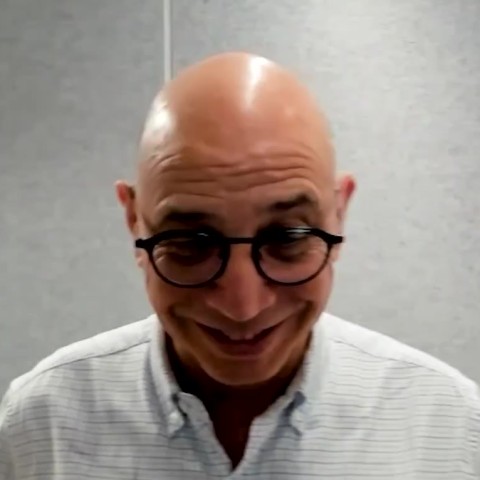 Isaac J. CollazoVice President, Analytics
WICHTIGSTE ERKENNTNISSE
Feinheiten der Datenextraktion beherrschen
Lernen Sie die Details der Extraktion und Filterung von STR-Daten: Verstehen Sie die Schutzmechanismen, verborgenen Filter und den Prozess des Berichtsaufbaus, damit Sie zuverlässige Kundenberichte reproduzieren und Fehlinterpretationen von Kennzahlen vermeiden können.
Comp-Sets auf Abruf erstellen
Nutzen Sie die integrierten Online-CoStar-Daten von STR, um schnell Comp-Sets zu erstellen, ähnliche Städte zu vergleichen und Pro-formas für Entwicklung, Akquise und Neusegmentierung zu modellieren, ohne auf individuelle Trendberichte warten zu müssen.
Daten mit Beobachtung der Gäste verbinden
Verbinden Sie langfristige Analysen mit dem Zuhören vor Ort: Prüfen Sie Submarkt-Trends, Herkunft der Gäste und Fragen des Gästemix, und setzen Sie sich dann in die Lobby, um zu erfahren, warum Gäste bleiben, damit Sie Kennzahlen in Maßnahmen übersetzen können, die den GOP verbessern.
Setzen Sie sich in die Lobby und hören Sie den Menschen zu. Sie lernen viel über Ihr Hotel.
Transkript
Auf eine Zeitmarke klicken, um ab dort zu sehen. Die Aufnahme ist auf Englisch.
00:00Begrüßung und Einführung
8
Gastgeber Cesar Vorm stellt Isaac J. Collazo vor und bereitet die Bühne für das Gespräch über Gastfreundschaft und Daten.
Isaac J. CollazoEveryone's looking at year to date, but, you know, how's this hotel? If I was doing a hotel, I wanna know what the trends were. What was my demand like? What's my occupancy? And then I wanna know more about the market, not only necessarily the comp set. I wanna know more about the submarket. So am I keeping up? Are we losing ground? Who are the competitors? So for me, it's like taking more holistic because I think people can become very myopic in just looking at one number. And I'm not sure one number is great because that may be what your performance clause is. You have to know that. But then take that bigger view. It's like, okay. What's happening in the marketplace?
the Future of HospitalityHi everybody. Welcome to the Future of Hospitality. My name is Cesar Vorum, and I'm honored to have today Isaac Collazo from STR. He's truly, as you're going to find out shortly, he is one of the most exciting, if not the most exciting data guy you ever meet. And, yeah, I'm just thrilled to be connecting you with you, Isaac. I you know, we're gonna get a little bit into it, but we got to know each other pretty well, especially during COVID on weekly calls or, I think, daily perhaps.
Isaac J. CollazoAnd, yeah, thank you. Thank you for joining. Either. It's a pleasure to be here with you, and it's good to see you as well. Yes.
the Future of HospitalityYes. It has been a while. It has been a while. By the way, before we officially start going into the podcast questions, are you still jogging?
Isaac J. CollazoYes and no. Not as much as I used to, but I have to get started again. So my goal is to be back a 100% into my runs, before the end of the year. In fact, I'll be in Dubai next week, and I'll jog there. And I'm gonna be in London the following week, and I'll be jogging and running there. So, yeah, I took a vacation because, I'm having so much fun in Nashville that it was hard for me to get out of bed to go to go run. So but I've gotta get started again.
the Future of HospitalityAlright. Okay. Now you're on tape, man. I know. Everyone
Isaac J. Collazohere, everyone's bothering. Even the there's the security guard at our building. Every morning, he asked, did you run? Did you run? And so I had been saying yes, but I'm not running as much as I used to run when I used to run at least four or five times a week. So right now, I am not there yet. I gotta get back. Right. Well, gained weight. That's my problem.
the Future of HospitalityYes. Yes. Well, we'll we'll help you keep you accountable. So good. So you you've had a, you know, a very you know, a really amazing hospitality career so far, and you're still doing great things. We worked together at HG for a few years. Prior to HG, you were with Marriott for also many years, if I'm not mistaken. How was the transition coming from the hotel side to the STR side where you have all this data? And I think it's like heaven for who likes data because you see so much, you play so much. And but how was that, and was that like did you did you was it like what you expected? Did you find out way more or less? I don't know. Share
02:40Übergang vom Hotel zu STR
3
Isaac spricht über den Wechsel vom Hotelbetrieb zu STR, die Herausforderungen des Datenzugangs und die Begeisterung, mit einem breiten Kundenstamm zu arbeiten.
Isaac J. Collazointeresting transition because I joined STR in January 2021. Right? So no one was in the office. I was still in Atlanta. STR is based here in Nashville. So, really, the transition was unlike anything I've ever experienced. And like many others during the COVID period where you join a company and you're you're at your house, it's not you've left one company and you're in a new company, but you're still in your same office, right, in your home office. So the data itself was pretty simple because I knew the data. I was a client for or with STR since 1990, I think. So I think I was one of the longest clients they had. So I knew the data intimately.
Isaac J. CollazoThe most difficult part was being able to access the data and replicate what we give to our clients. Right? So I spent most of my transition time just learning how to get the data out, not how to use it, how to make sure that I got it out, all the right filters, all the little nuances that I didn't know happens behind the scenes, and so that I could actually replicate reports. Now that I know that, it's it's great. I'm a kid in a a sand in a in a toy I don't know. A candy store. A kid in the candy store. Right? Because we have access to, you know, 90,000 hotels on a monthly basis. Right? So I think it's 92,000 what we have now. And then we our data goes back all the way to 87 on a monthly basis and the 2,000 on a daily basis. So you can really do a lot with it. But, again, it took a it took me more time than I imagined to be able to extract and rebuild reports and things. Because, again, all the all the little nuances of what we do here to protect the data and to maintain the integrity of the data. So but other than that, it is also, the coolest part about the transition is, you know, at IHG or Marriott, my only client was IHG or Marriott, right, because that's who I worked for. Here, everyone's my client. So I'm learning about I get to learn about every company and how similar and dissimilar companies are. So that's a really insightful thing for a guy like me because I just meet I talk to everyone. I I work with all our major clients. So it's it's it's different. It's fun, but it's very different.
the Future of HospitalityYeah. Yeah. I can imagine. Yeah. And then, you know, one thing that has been interesting, and now I'm you know, I haven't been working at a hotel level for a while, so I'm not as, in tune with their reporting. But certainly, STR has been in a journey almost like going from a push reporting to pull where it's more on demand and the access, I think, to be hotels more real time. How do you see that changing the ability and your customers, to your point, these 90,000 hotels across the globe, their ability to shift decisions, or do you see any change in patterns or behavior?
06:00Entwicklung von Datenzugang und -nutzung
6
Betrachtung von STRs Wandel zu On-Demand-Daten, der Integration von Produkten und wie Hotels beginnen, Daten ganzheitlicher zu nutzen.
Isaac J. CollazoNot yet. It's still early on. I mean, think about what we're doing is, like, renovations. Right? It's like when you renovate a house or you renovate a hotel. You don't know what you're gonna find until you take out the drywall. And then you realize that you have to replace the plumbing or you have to replace the electricals or whatever, right, the studs. That's what it's been like here. So we've been working on this journey. We were purchased by CoStar in October 2019, and we've been in transition mode ever since. We're getting closer, and now that we have people on the actual online product and getting the data, but it's still it it's really still early days because right now, all we're doing is giving you the same data we gave you before, although you can now get more of a time span. It used to be get a star report and it was for the week, or you get a trend report, was for five years. Well, now you can look at all our data. Because if you're online, you have access to our history.
Isaac J. CollazoBut in the future, I think what we're gonna do so right now, think hoteliers are still very much using the data as they always did. Most of people are still just looking at the weekly star report. How did I do against my comp set? But, I mean, there's a lot more. And what we hope to do in the future is to, enable even deeper, utilization of the data to build models and to build more, put more science behind just looking at a number for the week and say, oh, I I won or I lost. And so we're gonna give a lot more tools. We're integrating all our products because right now, you know, if you were a star client, you only got your star report. If you were a p and l client, you got the p and l, but they were never combined. We're combining everything and then with four stars. So, again, the reach will be so much bigger, and it'd be more inclusive and holistic versus versus the piecemeal that we had in the past. But, you know, it's it's just we're we're still on a journey. I'd I'd say it's a couple years away before people can utilize it fully.
Isaac J. CollazoAnd then then you have all the CoStar Suite. So if you're a a a CoStar if you're a star customer, now you have access to CoStar data. And with CoStar data, literally, you can find out who's in the building next to your hotel. Things like that that no one you know, people didn't so for prospecting, it's great. Or for development, hey. I'm gonna build a hotel here. Who could the clients be? And so, yeah, it's gonna be different. It's just gonna take a it's gonna take time to educate and for people to increase their utility of the tool.
the Future of HospitalitySo I think that Yeah. Yeah. It's interesting you bring that up because that data is gold because I remember when working on, okay, how can we resegment a hotel? How can we, to your point, what accounts we have that are there, the ones that we can go after. That is really good information and especially also development of hotels, the brand of the hotel, what could be a good fit. Everything.
Isaac J. CollazoBecause yesterday, I was working with a client who's trying to build a comp set because he they were looking at building a new hotel in a in a market they see is underserved. Well, because they have access to our data now through through the online platform, they're able to they were creating a comp set of cities that were similar so they could kind of create their pro form pro form a based on, hey. This city is a lot like the city we're going into. That might be a good way to look at what's happening there. And they're able to do all this they really couldn't have done. They could have done it through us, but they would have to call and create trend reports. Now they can create a lot of this on the fly and just create and start thinking about it in a totally different way.
Isaac J. CollazoAnd so I think that was cool. And these folks were developers, obviously. And so but they were really thinking of and they called because they wanted my they they wanted to just talk about how do I do this? How do I think about this? And so it's awesome. Interesting.
10:30Kunden und Markttrends verstehen
14
Isaac teilt Einblicke in verschiedene Kundenperspektiven, zentrale Erfolgsfaktoren wie Lage und Markenpassung und die Bedeutung, seinen Kunden zu kennen.
the Future of HospitalityAnd, you know, Isaac, some of the listeners of this podcast, like, are students or people that are just about to enter the workforce or they just began. When you look at the different type of clients you have, right? To your point, you said, hey, I was working with an owner. Then I know you work with asset managers. Then you work with management companies, hotel teams. What can you say about, like, what do they look that's somewhat similar and then differences on perspectives
Isaac J. Collazoor anything that jumps at you there? I mean, everyone brings a little different view of our data. When I think about it, you know, an asset manager is very much more concerned with the p and l side of it. Right? Not only the revenue, because they have to know about the revenue. So they do wanna know what RevPAR is, but they're looking at the expense side. They're looking at everything because they're trying to maximize profitability. Right? And the same thing with management companies to a different degree. So everyone uses the data differently, But at the end of the day, you know, RevPAR and revenues, you know, rooms revenue, are we getting our fair share is still the biggest, you know, the biggest metric that they're looking at. And they're really trying to make certain or they're looking at trends. Are we bucking the trends? If ADR is going up, why isn't our ADR going up? Do we have a different mix? You know? Is it a mix issue? Is it a market issue? Whatever that may be. But I think most people still look at those basic the very basic, and then they put their other lens on it based on their what they're looking for. You know, owners are all about GOP.
Isaac J. CollazoExactly. They they tell me where my profits are coming from. Right? And let me you know, how do I you know, what is it that my management company is not doing right or my asset manager is not doing right? You know, whatever. And they're just looking, for that little, I guess, that little stick so they can, you know, keep people alive. You know? Like, what do I want what do I want out of this? So but most people are gonna still RevPAR is the biggest thing. People that's the first thing I get asked about.
the Future of HospitalityAnd so Yeah. That's yeah. Same here. Right? I mean, we've been in this revenue generation arena for, I don't know, twenty five, yeah, twenty five years, basically. And, yeah, it hasn't changed.
Isaac J. CollazoRight? Nothing's changed.
the Future of HospitalityYeah. Yeah. Nothing's really changed. Yeah. Yeah. And then, like, when you look at, you know, certain I'm not asking for any secrets here or anything proprietary, but when you look at the properties or portfolios that tend to be successful, right, that do really well, what are some of the similarities you find that, you know, people can try to think or consider as they always look to evolve and become better at what they do. Are there any any trends, any anything, or it just vary a lot? It varies a lot. I think, ultimately,
Isaac J. Collazowhat I do see is location still is a key driver. Right? So finding that right location, which we've always known location, location, location. Right? So that's not new. But then also just, knowing your customer. And so some of that is the brand side. Some of that's the loyalty side. So there's but I don't think it's anything new without re I mean, it's what you think it is, and that's what it is. Right? And so brands do perform differently. I mean, they just like any other brand that doesn't clothing, they're just different. And they're and you have to understand that. And based on the and a lot of it has to do with the location. Certain brands do better in location a versus some others do better in b, c, d. It just really depends. So knowing the strengths of the brand you have and then knowing what the needs of that location or that market, whatever you wanna call it, are and matching that up. And I think that's what successful developers and owners do. They match up the right brand with the right market at the right location.
Isaac J. CollazoRight? So they're just and and so it it is under again, having all the data in front of you and just really understanding it.
the Future of HospitalityGot it. Yeah. And that's and that brings an interesting point. So I think one thing that has changed, and I don't know if you agree with me, but especially if we look a couple of decades ago, I think hotels used to be fairly what's the word? Hologenious in a way, right? You had traditional hotels, standalone building, whatever city center resort, but then now and the brands, right? And now there is, of course, certainly the niche brands, a lot of more independents, but also mixed use developments, right, where you just don't have a hotel, you do have some office space, some people living, retail, and brand fragmentation as well. So when you look at from that perspective, does that change, like, fundamentally a way to compare things?
Isaac J. CollazoOr Not to what's your take on that? Not to compare things per se. I think every brand that's designed is trying to serve a different need. I think the biggest issue on, you know, young brands is lack of awareness. But you know? And we you know, you and I were at IHG. We had brands that just started up, and it just takes time to create that awareness. But, fundamentally, they're designed to meet a specific consumer need. Right? It's like someone who wants a a great f and b experience, and so this is a foodie brand. I I don't think that a foodie brand exists, but I'm gonna pick on something like that so I don't get in trouble. But, you know, say there was a brand that it was just about food.
Isaac J. CollazoAnd but they're looking for people who are foodies, and that's gonna be their thing. Right? And so but understanding the depth of that market, understanding what, you know, what you can do, how different does it have to be. Because at the end of the day, it is just a room with four walls, maybe more than four walls, but at least four walls. Right? And so but the people just trying to frank trying to not fragment, but segment and and define that right consumer. And they're also looking for a consumer that has longevity. Right? That this would be the person who will come to this hotel because of this over and over and over again.
Isaac J. CollazoAnd so but I don't think it's changed very much. I don't think even going back to the Kevin Wilson's day when he identified a need that people were driving and they needed to be able to stop. I mean, it was as simple as that, right, on the interstate, like, in Holiday Inn. It was that simple, and he was right. And and people are still chasing that, trying to find that one thing that will be that appeal and that will continue to have people come back.
the Future of HospitalityYeah. Yeah. And that's the thing. Right? A lot of times, simple works extremely well. Right?
Isaac J. CollazoAnd or just, you know, something different. I mean, we've all worked again, having our both our backgrounds in hotels, we know that some things just hit it, just dead on. They're just dead on. And some of them are simple. Some of them are maybe not as simple, but still they meet the need. The thing is, you know, the mentality right now is that you need lots of you you know, you wanna just you wanna develop everywhere. Well, some brands have just limited reach. Right? Only because you can only have these kind of brands and x, y, and z. So it's just different. So I think it I think we'll continue to see brand develop, and I think we'll still continue there's every there's so many different needs out there. I'm waiting for the music hotel. When the music hotel gets, then I'll go. Then you go.
18:00Präsentationen, Storytelling und Branchenausblick
21
Isaac spricht über die Freuden und den Stress des Präsentierens, den Wert des Storytellings mit Daten und seine Sicht auf aktuelle und kommende Trends der Hotellerie.
Isaac J. CollazoYeah.
the Future of HospitalityThat's funny. And, you know, you in the beginning of the conversation, you said you're gonna be traveling, gonna do some presentations, and you do it often. Right? I I don't know how many how many presentations or conferences and all that you do, but I know it's a lot. What are the things that you kind of really enjoy about it and what are some things that may not be, like, amazing?
Isaac J. CollazoNo. The thing I enjoy about it is meeting people and getting to know the different companies. So I again, being with STR now and in the past, when I was with IHG, Marriott, and then my other companies, you only you met your GMs. You met your sales folks. You met the people at in the company. Right? Well, with this job, I'm meeting just, you know, same thing, but now it it's a much wider net. And so I really do like that. So I in fact, you'll be you're seeing me check my phone because I told you I'm going to visit, to, to a event this evening, and that's from a person I met at a hotel conference.
Isaac J. CollazoAnd she works for a major brand, and, and that's I would never have met this person other than presenting at their conference. Right? And that's what I really, really love is the people side of it, learning about the brands because then it gives me context when we're doing analysis. And or and then not only learning about the brand, but learning about what they're hearing, what they're seeing. As an analyst and as a and leading up this analytic organization, we need input. We need to know what you guys what everyone is seeing, feeling. Are we so when we interpret the data, are we interpreting it the same way with your lens? Right? Are you thinking the same thing, or are we completely off base?
Isaac J. CollazoAnd so when I say, hey. Demand is is is declining because lower income people are not traveling as much because of higher cost of living. Well, I wonder if that's true or not. And someone who has brands that appeals to those to that individual say, yeah. That's true or no. That's not true. You're completely missing it. Here it is. That's what being out there, gives me, the insight that I just don't get from the data. What I don't like about it, essentially, some of it is just, the it's not even the travel. It's the the stress that comes together trying to get everything put together, the the support.
Isaac J. CollazoRight? Like, right now, I I'm kinda behind the gun putting together a presentation for next week. Even though it's next week, everyone, especially when it's a big event, they want the presentation ahead of time. Right? At least a week. And we are in I'm a just in time kinda guy, really, because we have so much going on, and sometimes I don't have time to sit down to put the presentation together. Even though I know the data, but I tailor I try to tailor every presentation to the audience. And, again, this event that I'm going to overseas has two audiences, a hotel audience and a buyer audience, people who contract for hotels.
Isaac J. CollazoTotally different audience, and you have to have you gotta really think it through. The hotel side's easy because that's what we do. I can talk to that. But the nonhotel side, you've got a what are they looking for? What do they wanna hear? What's what's gonna interest them? And so, that's harder. And that take those take that takes a lot of time. So I spend a lot of time working. That's the the stressful part. And every presentation is bespoke. Even though there's commonality, they're all bespoke based on who we're presenting to. And so but when someone on stage is fun. That that's the fun part. That's the easy part. Yeah.
the Future of HospitalityNo. You're you're a natural. And, yeah, I remember when you first got this role, you know, a few years back, I was like, man, that is like that is perfect for him because, you know, like, you you you make date exciting and you, you know, you, like, speak common, you know, common language where people really relate to is not so much just even though you're sharing so much data, it's not like boring or overloading. Right? You're translating to kind of day to day and it's easy to to capture.
Isaac J. CollazoSo yeah. It it's telling the story, and sometimes I feel I'm I'm a simpleton because I just try to break it down so much. But at the end of the day, it's telling the story, and people want confirmation that what they're seeing, everyone else is seeing. There's you know, it's misery likes company. Right? Especially right now where things are a little soft. People wanna know, hey. We're not the only ones. STR is seeing this, and this is what they're thinking. Right? And it really people want that confirmation and they or or they want to know or or they're doing better. They wanna know great, and we're doing better because of this. I mean or so it is just trying to break that down and just tell that story and insist on what we're seeing. And then as I was telling a new employee this morning, people just want our opinions and thoughts. What are we thinking about? What are you know? And, again, if we're wrong, at least people will tell us, hey. I wouldn't think about it that way, or have you thought about this?
Isaac J. CollazoAnd that's, again, that's that's valuable to people like us who just work with data. We need we need, again, feedback. Feedback is truly a gift, as our friend Kirk Kinsella used to say. And so, you you need it. Otherwise, you're just blind.
the Future of HospitalityYeah. Yeah. And if you had to give, like, you know, a a quick overview as where you see, why you see today the industry, what you think it's, you know, kind of relatively short term or midterm trends and what's more kind of is likely to stay or linger for a little bit?
Isaac J. CollazoWhat would you share about that? I would say right now it's more of the same for the next eighteen months, if not longer. We do not see any real catalyst of change at this point. We are really bumping along in in, demand growth. Certain, like, higher higher tier hotels are doing better. Luxury, even upper upscale to a certain extent, are seeing demand growth. Everyone else has been, flat to down. We do think that is economically driven that there we've lost a portion of consumers that were the not that the cost of living is so high now that they just don't have the extra funds for travel.
Isaac J. CollazoAnd if they do, they're gonna either do a cruise or something or short term rental where they can share costs where it's spread out, whatever you wanna call it, but it's it's just different. I think the ADR side is still gonna be an issue in in The US, particularly, where ADR is growing below the rate of inflation. Again, we don't the pricing power is not there. Now luxury pricing power is there. No problem. Totally different customer. But we see that staying the same. So we don't again, for our my standpoint is nothing's going to change at this the the uncertainty in the, in in the in the in the country will remain, and that will continue to also breed, some inaction, by folks.
Isaac J. CollazoAnd then also but it really goes back to inflation. I'm less and less thinking that's uncertainty and more and more about just the cost of living where people are being stretched, especially on the middle to lower income spectrum. Right? They just I mean, they just gotta live. They just gotta pay for things, not they just don't have those extra funds for hotel stays like they did before the pandemic and even during the pandemic. So I think that's so I think it's gonna be bumpy. That's what we keep saying. That's our word. It's gonna be bumpy, for a while.
the Future of HospitalityYeah. Yeah. And that and that is true. It's interesting because we see in Al Hai a lot of the of course, the the area of focus is the luxury market and we we see that, right, a little bit more resilience on that segment given buying power. Yes, certainly looking at the other brand scales and certainly see that a lot. One question, now it's budget season, a lot of hotels diving like crazy on data. What are some tips that you may have for people? Whenever they're talking to management, more asset management or others about data, what are some things that you see based on your experience that really will resonate and things that may be amiss sometimes when people share this type of data with ownership group and people really focus on, to your point, on the you know, overall profitability and overall performance of the asset.
Isaac J. CollazoI think to me, a lot of it, you is taking a longer view. So taking you know, everyone's looking at year to date, but, you know, how's this hotel? If I was doing a hotel, I wanna know what the trends were. What was my demand like? What's my occupancy? And then I wanna know more about the market, not only necessarily the comp set. I wanna know more about the submarket. So am I keeping up? Are we losing ground? Who are the competitors? So for me, it's like taking more holistic because I think people can become very myopic in just looking at one number. And I'm not sure one number is great because that may be what your performance clause is. You have to know that. But then taking that bigger view is like, okay. What's happening in the marketplace?
Isaac J. CollazoAnd is it is it because there's like, if you're in a market like Nashville, you know, maybe growing half a point in occupancy is really good because there's so much new supply. And putting that context, right, of really understanding, hey. Wait a minute, mister, owner. Remember, when we first started this hotel, there was only five hotels. Now there's 25. So we're still growing or maybe we're holding our own, and that's okay. And that's and then once you get that, it's like that's the baseline. But then the only thing that people miss, and this is not even the data, this is just understanding who your customers are.
Isaac J. CollazoKnow why they why will they why are they staying with you? Be in the lobby. Listen to people. What is it? Because the only to stay competitive, you've got to understand what is it that's bringing people there and what is it that's gonna keep people there. Because, again, in these marketplaces, especially like a market like Nashville, it's really easy to lose your customer if you don't pay attention to your customer. So get away from the data a bit and try to see, you know, what you know, instead of the just the number, what makes up those numbers, I e, the consumer? Why are they there with you? And I think I learned that early on when I was a young marketing guy, just to sit in the lobby and listen to people. You learn a lot about your hotel if you just listen. And don't tell anyone who who you are. Just listen to what people are saying about the hotel, and then you figure it out.
the Future of HospitalityThat is, you know, a great great suggestion from a data guy. Right? Data is great, but not everything. So make sure that you spend some time with people, focus on, you know, the the the foundational aspects, the culture. So that
Isaac J. Collazois a great one. And know the market. Just don't ever forget about the market. Is Lyft increasing or decreasing? Do do your customers come by plane, or do do they drive? You gotta know this. And I think sometimes people forget, and they just forget. They just get stuck in the data, and they they're they get very myopic in the data, which, again, love it. We need the data, but, again, you gotta understand. It has a some context to that data of why are things happening in that marketplace and what are the drivers of that. So
the Future of HospitalityYeah. Okay. And then, listen, just to kind of close out, I have a a question about talking about the future. Right? And and especially in your space, I think that'll be very, very exciting and also I think sometimes uneasy just because of how AI machine learning is changing so fast. I think it presents an amazing opportunity, but also where is this going to land, how is that going to help us adapt to business. I don't know, any thoughts about, I don't know, five years or a few years from now, like, you know, this will continue to evolve and what possible changes you may see on how hotels may operate or may look at data perhaps differently than today?
30:30KI, Zukunft der Daten und persönliche Reflexionen
16
Diskussion über die Rolle von KI bei Hoteldaten, Rat zum Umgang mit Technologie und Isaacs stolzeste berufliche Erfolge mit Fokus auf die Entwicklung von Menschen.
Isaac J. CollazoYeah. Again, the AI will give the ability to look at even greater amounts of data. Right? So so it can it can digest and and provide insight faster than you and I. There's no doubt. But, again, it's not gonna replace us completely because it's the ingenuity. It's the creativity. Because remember, everything, that's what we think about is how we start looking at data, but it will allow us to give us insight and to query anything. And I think that's the ability. Because even today, I'm using it to say, hey. What happened in this marketplace? Or what's going on here? And it's great because I it can search faster than I can, and that helps me.
Isaac J. CollazoI do think it it just will give it's another tool, I think. Again, for those of us that are old like I am, I mean, you remember, there were before, there used to be no computers. Now look how we use computers. They used to you had a calculator. When the first calculators came out, people were excited. Right? And so I but it's a tool that we've all used. This is a PIN different because this has the ability, at least with the word thinking of, to learn and to be a little bit more human like versus the the machine machines that we had before. But at the end of the day, you still have to feed it. You still have to nurture it. You still have to kinda guide it, and that's what we're gonna come in. So I don't think it replaces us just yet. Maybe for simple reports for sort or not even maybe even somewhat complex reports.
Isaac J. CollazoBut I think that's been what will hopefully gives us the ability to do more value add instead of just doing the mundane. So maybe in the future, if someone like me, he will just or she will just say, hey. I need a I need a presentation for this type of audience, and it will take my data, our data, and put it together. And then I just have to tweak it versus me putting it together today, cutting and pasting, doing all the work that I do. So I think there is some it will be easier in the future to do what we do, but then also begin to add something completely different to the equation.
the Future of HospitalityYeah. Agreed. Yeah. Yeah. I think there's gonna be a lot of positives, and I think that's what I tell all the youngsters, even my daughter, who is like, listen, embrace because the people that are gonna shine is the ones that know how to optimize AI. Right? Because, listen, no one can stop this anymore. No one knows where it's going to go. But to your point, there's so much opportunity and there's and never there's a new innovation. There is a lot of fear because there's a lot of unknown. But to your point, right, the calculator, it didn't replace people. It didn't replace the need to learn processes on solving equations. Right? It helped you. It facilitates,
Isaac J. Collazobut and the same thing here. Imagine not end this game with AI. Just the thing is don't be overly reliant on it, right, at this point. So too many people are just using it even to create resumes, which is unbelievable. It's okay to clean up your resume, but not you know, you should read everything you put it spits out and all the numbers. Because even I was working yes on this weekend looking for some data. It found it, but then I had to spend a few minutes to make certain that it was data I could use because it was not one of our datasets. It was some other data I was looking for, but making sure I could I checked the source. Is this truly right? Is this the right year before I put it into any kind of presentation?
Isaac J. CollazoSo it helps. But, again, just don't let it don't just put something in it and let it spit it out and think you're done. Yeah. So that's the hard part.
the Future of HospitalityYeah. Indeed. And last question. What is the professional journey accomplishment that you're most proud of?
Isaac J. CollazoWow. Jeez. That's a hard question. Yeah. That's a
the Future of HospitalityAnd that is not even AI, Isaac. Yeah. It's not even AI.
Isaac J. CollazoYou know, there's so many that I am most proud of. I oddly enough not oddly. I think that sounds bad. I am most proud of the folks that that I hope I helped develop a bit. Right? So, people and I find it amazing that people who worked for me still seek me out and are friends now that I can call them friends. And so I think, okay. I must have done something right. I don't think I was the greatest boss. I don't think I knew everything. There's so many mistakes I made being a boss. I still think about it every day of all the stupid stuff I made and some of the things I worried about.
Isaac J. CollazoBut I think it what, what my mentor once told me is we're just people, and you treat people like you wanna be treated. I think that's probably where I fit in, where I found that, hey. I had something to do with that guy becoming a VP. And so that was good. This is again, maybe a little bit, maybe not a lot, but at least I had something to do with it. And so and I guess that's what I'm most proud of. And then just and for me that, hey. I had a great journey. This has been amazing. As a kid from growing up in the South Side Of San Antonio, never imagined any of this.
Isaac J. CollazoJust never imagined a life like this. Because there wasn't it was not even data. You think about that back in the day. There was no data. There's no no so and then you go, wow. This has been pretty fun. So
the Future of HospitalityYeah. No. That's amazing. And, yes, I mean, just from now you watching you, can see why many people still reach out just like I do and I have, and thanks for saying yes. Thank you for everything you do. I think that everybody that engages with you, that hears you speak, you know, you you do a lot for our industry. So thank you for that, and thanks for doing it with passion,
Isaac J. Collazowith care, and for always making us better. So It's fun. Again, that's the end of the I tell people this is fun. Yes. It's stressful at times, and but it's fun. At the end of day, find a job that you have fun at. Because if you have fun, then it's not really a job. You know, maybe every once in a while, you get stressed. But other than that, it's just fun. I mean, you get to play with stuff and see toy I mean, like, I call everything toys data. It's great. I can you know, I just have to sit here and think about it, and I can look at it. So it's like, this is fun.
Isaac J. CollazoSo you mean
the Future of HospitalityAwesome. Well, thank you. Thank you. Appreciate it. I hope everyone tuned in and, you know, and enjoyed this conversation. And thanks again for saying yes, and safe travels. I'm sure you're gonna crush next week. Oh, thanks if I finish the presentation. Thanks again, Cesar. Thank you. Thank you.