
















 EPISODE · 45 MIN
Der GM, der zukünftige GMs aufbaut
Vom Ruhm durch Laguna Beach bis zur Leitung von Flaggschiff-Hoteltransformationen zeigt Dieter Schmitz, wie ihm die Hotellerie Halt gab und ein Playbook für kulturorientierte Führung schuf. Er teilt Lektionen über Eröffnungen, den Umgang mit öffentlicher Wahrnehmung und das Mentoring zukünftiger General Manager. Erwarten Sie offene Geschichten und hart erarbeitete Ratschläge.
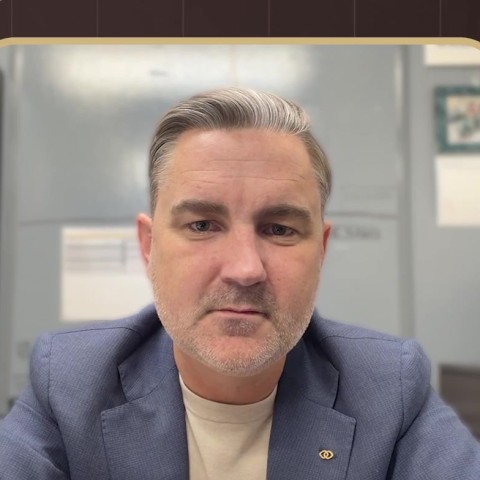 Dieter SchmitzGeneral Manager
WICHTIGSTE ERKENNTNISSE
Kulturorientierter Betrieb treibt Ergebnisse
Priorisieren Sie Kultur, indem Sie in Ihr Team investieren. Kleine, budgetierte Belohnungen, tägliche Stand-ups und der Fokus auf weiche Kennzahlen trieben eine Renovierung im laufenden Betrieb an und halfen, die höchste Gästezufriedenheit des Hotels seit 25 Jahren zu erzielen.
Nach Persönlichkeit einstellen, Fähigkeiten schulen
Stellen Sie nach Persönlichkeit ein und coachen Sie Fähigkeiten. Sie können alles trainieren, aber Einstellungen nach Persönlichkeit bauen erstklassige Teams auf. Er begleitete sechs Mitarbeitende in GM- und VP-Rollen und bewies, dass Entwicklung die Führungskapazität vervielfacht.
Im laufenden Betrieb renovieren, zuerst die Kultur neu ausrichten
Eine Renovierung mit 400 Zimmern im laufenden Betrieb erfordert Umsetzung und eine Neuausrichtung der Kultur. Mit CEO Mo Bailey, der Menschen priorisierte, und einer wendigen Führung wurde das Hotel zu einem US-Flaggschiff und erzielte Rekordwerte bei den Gästebewertungen.
Die weichen Kennzahlen steuern die harten Kennzahlen wahrscheinlich mehr als alles andere
Transkript
Auf eine Zeitmarke klicken, um ab dort zu sehen. Die Aufnahme ist auf Englisch.
00:00Begrüßung und Folgenüberblick
4
Einführung in die Sonderreihe und Gast Dieter Schmitz, mit Fokus auf seinen einzigartigen Weg von Laguna Beach zur Führung in der Hotellerie.
Dieter SchmitzWhen you prioritize the human capital side and really trying to earmark a portion of your operational spend towards your team. Right? And I'm not talking about, like, the pizza party stuff. Like, just having a a an investment and being able to do things as a as a group together off property, that's always been just, a nonnegotiable. It's like
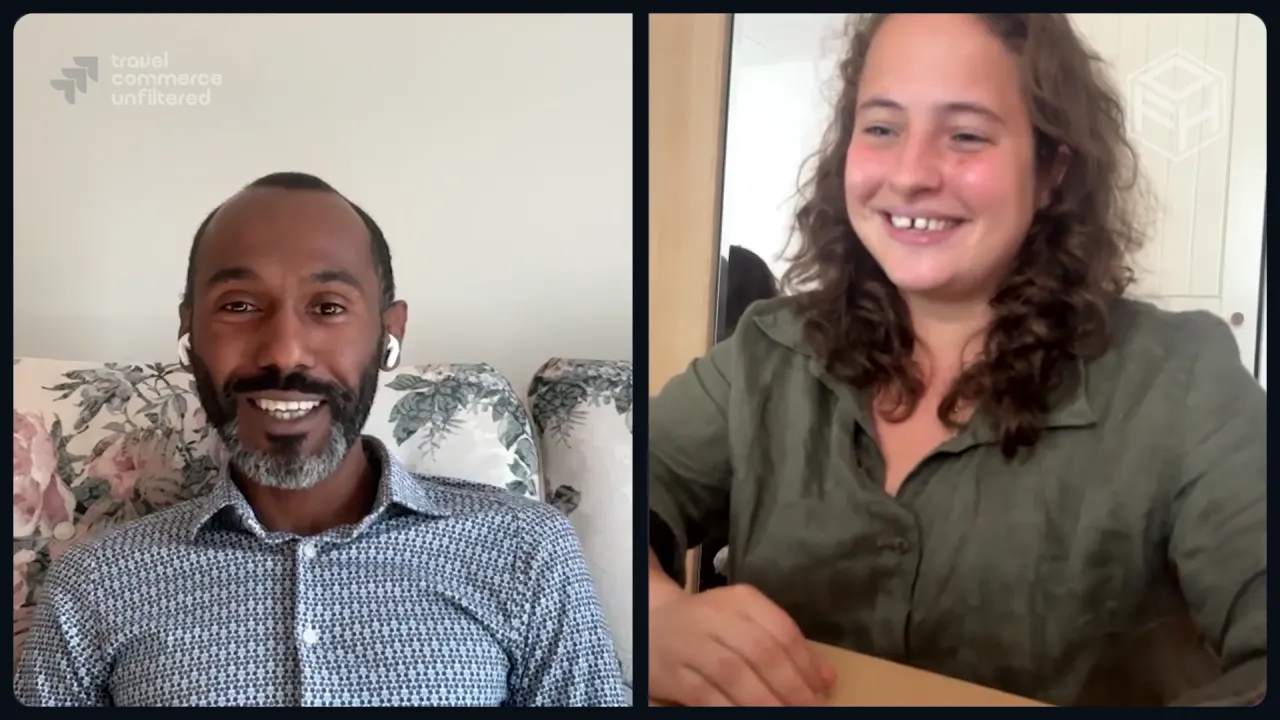
the Future of HospitalityWelcome back to the future of hospitality. This episode is part of our special series, unscripted hospitality, where we really just talk honestly without filters and just about the industry and also the people, behind the scenes. And, today's episode is powered by Auhai, a leading global sales organization representing the world's finest luxury hotels and resorts. And this episode is really special to me because today I'm joined by Dieter Schmitz, and someone that I've known for a while and someone whose journey is pretty unique. Right? From Laguna Beach, the Rio Orange County, twenty years ago, to building a real career, very successful career in hospitality where there is a lot of beneath the service that we can, you know, really excited to unpack. So, Dieter, really appreciate you being here.
the Future of HospitalityWhat a cool conversation, especially knowing you for a while. And I'm sure I'm gonna learn a lot about you that, you know, we never had the opportunity to discuss.
Dieter SchmitzYeah, man. It's really, really nice to see you, and, it's been it's been a couple couple years. So I was really excited to get a chance to catch up and and chat. It's a it's a crazy time right now, and,
02:00Die Laguna-Beach-Erfahrung und ihre Wirkung
18
Dieter reflektiert über den Einfluss der Reality-Show auf sein Leben und seine Karriere und betont die Hotellerie als seine wahre Leidenschaft und seinen sicheren Ort.
the Future of Hospitalityyeah, thanks for having me. Yeah. Of course. Yeah. And you and you always look keep keep looking better and better. So
Dieter SchmitzI try to I try to beat your hair, which is it's a looting proposition, but I try.
the Future of HospitalityThat's funny. And it's it's interesting, Dieter, because as we you know, we've been talking about connecting for a little bit and just happens to align nicely with your twenty three union. And I was watching some of the interviews on the red carpet with you and some of your, you know, fellow cast members. And so twenty years and, like, when you look back at that time in your life, you know, like, what parts of that experience, you know, help still shapes who you are today and perhaps what part of any you had to kind of let it go?
Dieter SchmitzYeah. I mean, I think, you know, it's it's it's a it's a crazy experience because they came when we were 18, some younger, really. And we really just thought, you know, it was something fun to do in high school. No one's gonna watch this. And, you know, we got, like I think we got, like, $2,000 for it, and we were like, look at us. We're we're rich. And I think, you know, what happened immediately after, I think, was nothing that we were prepared for. And, you know, the the first episode aired my first week of college, and I think it it really changed the trajectory of having a normal college experience.
Dieter SchmitzBut, also, you know, we we were lifelong friends from first, second grade, so you really started to revert towards each other, and that was, like, your safe space. You had these relationships. You got through it. You know, I filmed for three years for two seasons, and it was it was just, like, an amazing experience. I think there's pros and cons. Right? But for me, it was like, my safe space was hotels. Like, I started in hotels at 15. When the show was on, I still worked in hotels. When the show ended, I still worked in hotels. And it was like, that was where I could go to to to have a career I love.
Dieter SchmitzPeople that I think, like this hospitality has always been just an amazing fit for me because, you know, it's a social business, and I love leading, and I love culture focused leadership. And so, I think I really, like, leaned in hard to the hotel space and and saying, like, look. This thing's gonna pass. I want this career. There's people from our show that did an amazing job, you know, doing other shows after and still doing shows today. But for me, it was, like, it was a fun experience, but I I was really, really eager to get out of it. So when when this opportunity came, it was it wasn't like a shoe in, like, let's do it. I think it was, like, a lot of thought put into it. You know? Obviously, we have families. We have you know, I have a great wife and kids.
Dieter SchmitzAnd the only way you would really do it again is if you could close that chapter and do it right with the right people, and everyone had to do it. The producers are, Lauren Conrad and Steven and Kristen from our show. So knowing that they're producing and they had they can do this the right way, I think, was was really important. But it just, like, it felt like the right time. It's been twenty years, and so it was a great experience. We filmed for, like, three three, four days, and then, Friday, it airs for the world. And I think it's you're consistently kinda blown away by the base that that show had.
Dieter SchmitzYou know, when when the reunion came up, I was like, would anyone even watch this thing? And then when we did the premiere, there's three, four hundred people there, and, you know, you're seeing, like, millions of views on the trailer, and you're like, okay. Well, I guess they they will. So, yeah, I'd say it it felt like a really cool way to close that chapter and officially close it because there will never be another time that whole crew will do this again, I can guarantee you. So it really felt like a cool closure of the chapter.
the Future of HospitalityAnd how was because I know many of you were pretty close and you never really lost touch and you kept the relationship going to your point, a lot of, I think even going through the journey, even if the distance having each other to relate and and connect with. But how was to get together twenty years? Was was he kind of fairly natural, and he he he kind of became fluid right away? Or I don't know. Was any anything unique?
Dieter SchmitzYeah. It was you know, it they they were really smart because they brought back they brought back one of the cameraman who was our original cameraman. So, like, when I was getting ready and I turned around, was like, Sham? And he's like, Dieter. I'm like, oh my god. From twenty years ago, the creator of Laguna Beach came back as an executive producer, so she was there. So you you were, like, immediately surrounded by, like, a lot of comfort zones, which was really smart. I talked to Steven, Trey, Lauren probably numerous times a week. So, like, going back with them was totally normal. But then there was people, like, you know, I hadn't seen for twenty years.
Dieter SchmitzAnd so I think that was the first hellos were a little interesting and awkward, and then you just kinda dive right back in. But I think we all said, like, we were so surprised how quickly you dive back into it. And it was it was kinda like how we felt when we were 18, 19, twenties. It was the first show that was, like, a reality concept, but we never acknowledged the cameras. You know? We didn't do confessionals. I think confessionals can be, like, a really lazy way of, like, telling a story where you're talking about other people. We never did that. And so, this was the first time where we were kinda, like, sitting down in on a stage setting, which was different.
Dieter SchmitzBut I think, you know, I think everyone's gonna see it was really it was really just a light, funny there's some really good stories. And then, you know, like, there's it gets really emotional there. There's, like since the show aired, a lot of our parents have passed away, and you kinda can see them on the show still. So I think it was it was a lot heavier than I was expecting as well. But I think everyone stepped back into it really, really quickly. But I think that's the important part is that we're all united that this was it, and we're not gonna do it again ever because then it can be like, well, what's next?
the Future of HospitalityYeah. That is that is interesting. You know, you were 18, right, at the time of the Yeah. Filming? Yeah. How I don't know. How did you stay grounded? Because to your point, you guys became pretty well known, pretty famous. It was, you know, the beginning of kind of reality, this genre that now is so popular. There are so many shows, but it was really a catch captive audience. And I recall from our previous conversations years ago, you know, we used to go and you're hired to do appearances in clubs or whatever else. So at that young, how do you how you don't lose yourself? How how did you stay grounded?
Dieter SchmitzI think that's where the the friends came in good. Anytime any of us started getting a little, you know, a little, inflated, we would knock each other down quite hard. And then I was like, you know, it's it's a it's a reality show. You're not you're not famous for being an actor or anything, and then you keep yourself modest on that. And, you know, the appearances were that was that was a very crazy thing to go through. But it was also, like, you know, there was, it's pretty lonely. You're, like, out on the road by yourself, and you're going to these random cities, and everyone's celebrating you because of a TV show, nothing to do with yourself. Right? So I think you kinda you kinda there's there's this weird thing about it where, you know, you you couldn't really date. You couldn't do much of anything other than just, like, do these appearances, have your friend group, and then stay focused on the career. I think for me, it was like hotels was you know, if it came up, I would talk about it. But it it was, like, just earn your own career, earn your own destiny.
Dieter SchmitzBut you you also like, you can't ignore that this was a huge part of your life. And I think for me, I really like this reunion because it's, like, the first time, like, on LinkedIn or anything I can even acknowledge it, but I could also, you know, kinda say, like, hey. This is a cool chapter, and we're we're closing it.
the Future of HospitalityYeah. Yeah. That's exciting. And and, you know, and it's kudos to you, I think, perhaps being hotels, what you mentioned, you started at 15 and having that exposure, having that that real life grounding. Was that what also help you to have the realization that, hey. You need to keep building something that's real. Perhaps that's something that's more lasting than what this, you know, and these opportunities could have led you to.
Dieter SchmitzYeah. I think I think so. I and I and I always loved hotels. So it was like, even, you know, when you were being able to travel, I was, you know, I I noticed, like, as a younger traveler, you were kinda treated differently. And I always just wanted to, like, have a great guest experience for all all the guests, but, I think I got really lucky that I fell in love with the business. Like, I followed my uncle around when I was six, seven. He, he was in Vegas at Caesars, and then he opened Montage in Laguna and, Bakar up in Santa Barbara. So, like, I remember just following him around at a really young age and thinking how cool it was that this business entity couldn't work without all the different departments. And, like, for whatever reason, I just thought that was so cool as a young kid. And then I love service. Like, I loved delivering service.
Dieter SchmitzAnd, you know, I, like, started as a pool boy and a beach attendant hammering in umbrellas at my beach, which was probably, like, the coolest job ever. You're getting, like, $20 tips to hang out at your beach. You know? I was like, this is this is a dream. And then, you know, I I did, I did guest services. I did F and B. I did sales. And then when I first started with IHG, was my first opening of the Indigo in San Diego. And then openings became you know, I became, like, addicted to the fun and the pressure of, like, building a culture from scratch and how you could really just create this amazing team and experience, from from nothing. Right?
12:00Karrierewachstum und Führungsphilosophie
9
Diskussion über Dieters raschen Aufstieg in der Hotellerie, seinen Fokus auf Kultur, Mentoring und die Bedeutung, die richtigen Menschen einzustellen.
Dieter SchmitzAnd, you know, I did that one when I think I was 21, 22, and I've done nine now in a row. So it's become really my career. But, yeah, really fortunate for the hotel space, hospitality space. I mean, I I when the show was big, I tried to do a couple, acting gigs, and the reviews were, atrocious. And it was very clear that was not my call. So I was like, yep. That's not for me. I am really not good at this, and kinda just ran away from that one.
the Future of HospitalityOh, that is funny. That is funny. I didn't see those reviews. I'll check it out.
Dieter SchmitzDon't watch them. They're too bad. Okay.
the Future of HospitalityAlright. And, you know, and when we met, you were at you know, in New York where you are today and, you know, running a couple of hotels. And, I mean, you've been very successful, you know, from a very early age. When you look traditional, the age in our industry when people get to a general manager level. And at the time I met you, you had a couple of assets. You run an amazing, you know, property that you can share about a transformation that you just completed and oversaw and relaunched. So it's pretty impressive to have you know, you're 40 now. Right? I think 40. Yeah. Yep. You're a pretty young guy. And, you know, and and he already has, to your point, many openings, being GM in several hotels. So it's pretty impressive. How how would you describe for anyone listening?
the Future of HospitalityYou know, clearly, you didn't get these opportunities because someone saw you on TV and say, hey. Right? This guy is famous. Let me give him a shot. You you had to show your your, you know, your potential, you know, deliver. So how did that came about, and and what do you think differentiate you from most people out there?
Dieter SchmitzI mean, I I think this is probably now more than ever, like, the best industry if you wanna write your own ticket from an operation side. Right? Like, I think when I when I started, unfortunately, and it's not the case anymore, like, hospitality was, like, a really cool major, and it was attracting a lot of kids in college. And it was one of those things where it's like, look. If you can understand you have to sacrifice weekends and holidays and all those things that are hard to do in your young twenties, you can move up pretty quickly. If you if you're willing to just go all in, which I did, you know, I would move anywhere.
Dieter SchmitzI was all about the career. I wanted to try, like, branded and independence and do anything I could to just get the best experience possible. But I think, like and the recipe for my success has been just, like, from the very beginning, just prioritizing culture and not compromising about it and just making sure that everyone on this team loves being a part of it. Like, think I what I'm most proud about about my career is there's six now, number twos of mine that are GMs or area GMs or some VPs. And, like, I take a lot of pride of, like, mentoring people to to grow in this business because I think now more than ever, it's like we need leaders that still have that passion.
Dieter SchmitzI will say it was all like, the first fifteen years were a lot more fun than the last five years have been with everything happening in the world thrown at us. But I think probably because of that, right, the door is now more open than ever for talent and people that really wanna grow in this business, and it's it's a great business that I I I always feel it rewards hard work. And if you're a leader that, like, genuinely cares about your people, but inherently, like, this business is about just making lifelong memories. And if you love doing that and you can really differentiate your hotels, I think, from all the scripted cookie cutter brands of the world, like, you know, at IHE. Right? Like, we got to number one of 500 hotels in New York, and that was, like, a 150 room hotel with very little amenities compared to the others. But it was just the right team delivering a differentiating guest experience. And so that's always just been my my key is, like, personality hires.
Dieter SchmitzYou can train anything, but if you hire the right people, you know, you can you can build a pretty rock star team. And I think, until I fail at that, that'll be my my recipe for for success. And I'm too social, man. I like I love, like, morning stand ups. I I I think I'll always be an on property person for a while. I just I if I'm not, I just miss it so much, and I'm lucky that I still love it.
16:30Hotelrenovierungen und Teamkultur managen
5
Einblicke in die Leitung einer großen Hoteltransformation bei gleichzeitigem Erhalt von Teamstolz und Gästezufriedenheit in einem herausfordernden Umfeld.
the Future of HospitalityYeah. Yeah. It's true. And I got to see you in action, you know, not only at the hotel, but conferences and engaging. And to your point, right, think you have a very natural and, you know, servant leadership aspect that I think helps to build culture. And on your experience now there with Sofitel where you went through a major property transformation, Anything kind of that's different from kind of a new hotel opening from your experience or kind of somewhat the same foundation to be successful? Any, I don't know, any new learnings, I guess?
Dieter SchmitzI mean, this one was so this is the ninth time I've done this, but this is the first time I ever did it in an open environment. So that's just a different level of, challenge. Right? I mean, we did a 400 room renovation while open with all public space, lobby, front desk, the gym. We did a brand new restaurant. We did every single guest room, while fully operating. Right? So that took just, like, incredible execution from the team. I will say, like, this team here, our executives here, like, their fight and their pride for this thing is it's insane. I mean, that that summer last summer, as you can imagine, was was a was a it's a rough year to go through that.
Dieter SchmitzAnd I think, you know, when you get on the other side of that, I think any opening, you have these really great bonds because you went through hell and back together. But this one, I think, was the biggest challenge hands down. And so proud of kind of the finished product because we really had to reset that culture in an open environment. We wanted this guest experience to be reenergized. Otherwise, it's just a physical renovation. Anyone can do that, and it will fall flat quickly. So this is a company with with, Ramizan and starting, like, with our CEO that, Moe Bailey is just, like, the most inspiring person that comes in and, like, truly prioritizes the people.
Dieter SchmitzIt's not words. And so I think when it starts at the top down and you have the whole company believing in you, we are now the new flagship of North America. I think it's just like, there there's so much pressure, but there's also this high that we have now. Like, we had the highest guest satisfaction scores in twenty five years in this quarter, and we're just kinda cruising up the rankings. And you're starting to see people that have been here twenty, twenty five years really see the light, which is really, really cool. You know, this hotel is really unique. We have 50 plus employees that have been here since day one for twenty five years, they've and been hearing about this renovation for years and years. So, like, to see them see these new brooms and to see the new hotel, it's just been really fun to see that kinda transformation from their pride and and culture and then also for our guests and, obviously, the brand. Think I love Sofitel. I I really wanna hopefully see us grow a lot in The US, and I'm sure we will now. And it's just, it's exciting to to bring this thing to life.
the Future of HospitalityYeah. Yeah. For sure. And, you know, great. I don't know. I think you guys done a a great job to I don't know. Rebirth is the right word. Right? But to your point, it's a flagship, you know, amazing property, amazing market, you know, very high profile. So I think, yeah, that's gonna keep getting a lot of momentum and and keep building on that. And then, you know, Dieter, to your point, you mentioned a little bit about culture, about the pride of the team, you know, in your hotel. Many have been there since opening. And hotels nowadays, you know this very well. They're very challenged about flowing the profitability, you know, even though some markets are doing extremely well from a top line, you know, costs from labor insurance, you name it, has, you know, have gone up substantially over the years.
20:30Herausforderungen in der Hotellerie und die Zukunft der Branche
21
Es geht um Personalkosten, den kreativen Aufbau einer gesunden Kultur und die Notwendigkeit, neue Talente zu gewinnen, um das Wachstum der Branche zu sichern.
the Future of HospitalityHow how do you, you know, build that health culture while also being, you know, fiscally responsible? And, you know, I don't know. Are there any any thoughts or way you look at things that, okay, it's not every time in, you know, investing financially to recognize people per se, but really building that health culture some other way that may not necessarily have a cost attached to that?
Dieter SchmitzYeah. I mean, I think, you know, there's there's there's really creative incentivizing you can do that. Think, I've always wanted to have that be, like, a constant, but also constant in that we offer it, but inconsistent in that it changes a lot so that it keeps people engaged. And I think, you know, we this whole team here is really, really invested in in our soft metrics. Right? And I hate that term, by the way, because it's like, the soft metrics probably control the hard metrics more than anything. So I I we've really prioritized those because that's what our team controls. You know, they don't there's certain roles that have zero control on our flow. Right? And that that kinda falls on our AC. So we we've found ways to continually keep this team incentivized, engaged, like, caring about our goals and seeing that, well, I actually control delivering on these.
Dieter SchmitzYou know, I think growing up in brands that, like, are a little more nimble has been really beneficial because versus traditional luxury structures where you have, like, 30 layers of managers, right, and the GM's kind of just like this royalty role. I don't operate like that. I I'm we're lean and nimble, and I want the right leaders that are hands on. I'd rather have great leaders of, you know, 15 than average 30. Right? So, we have a pretty nimble leadership team that really is there to support and drives. And and I think, like, the last thing is, like, no one's better than helping another department. Right? I mean, this is, an all in proposition here. And if you can do that and set that set that as a team, you're obviously naturally gonna flow better, but I think nothing hurts flow more than just turnover and, people being unhappy. So if you can as a GM, it's kind of, like, your duty to make sure people love coming to work. They stay.
Dieter SchmitzYou know, we've had the same core here. And, you know, what I loved about our time with Atlantis Hotels and IC is we had that same EC for five years, and we were able to just expand as we open new hotels with that same ownership group. And the longer you can keep those those people, those great players engaged, the the better off obviously you are. So, I always just like to pulse check that thing and make sure that everyone is really, really driven, really united. And, I, you know, I think once you have that your number two is ready to be a gym, then great. Done your job.
the Future of HospitalityYeah. Yeah. As you mentioned, right, it's great too when you see people that you you worked with, that they evolved, they grew, that that's, means that you did a good job, and, you know, it's it's great to see that that paying forward and and seeing progress.
Dieter SchmitzYeah. It's fun. It's fun. And, I mean, I think, like, for the for any of, like, the youngins out there listening to this thing, I think, you know, you don't don't let anyone set a time frame for you. Right? Like, I remember when I started, it was like, you can't be a GM till you're I think it was like, you can't be a GM till you're 40 or something crazy. And I was a GM at 26, and time lines are meant to be evolved and shifted. And if you're the right person, you are in these roles. And I think but I do think the industry you know, it was a stubborn industry, but it's definitely, like, it shifted. Obviously, like, we were brought to our knees during COVID, and I think still trying to find its new place forward. And I think what I what I always say or what I what I hope that the industry can do a little better of is, like, we need to recruit kids again out of college. Right? And our benefits are just, like, we're not quite there. Right? It's like you're you're asking everyone to sacrifice, you know, normalcy socially and and all these things, but we need to we, as an industry, I think, have a huge opportunity to, like, reship how we're how we're thinking about recruiting and and, like, who's gonna be the next GMs of tomorrow if no one's going to school for hospitality or even wants to be in this business. Right?
Dieter SchmitzSo I think I think as years go by and COVID kinda subsides and then people can operate again prioritizing guest experience, I think, hopefully, that'll shift. But, I mean, I've never seen such a disparity in interest in in coming into hospitality than at any point in twenty years, and which is kinda scary.
the Future of HospitalityYeah. Yeah. And you probably see that a lot firsthand. And and I see a lot from my side as well. Was it was much different when I began this journey as, you know, a few years ahead of you age wise. You know, I'm turning 47 and, but like you, I I got into the business just, you know, I got a great job, as a room service assistant waiter in Brazil in a hotel that just opened. And I enjoyed the the environment, the people, the energy, and then it just kind of carried over. And and I think that's one of the benefits we have as an industry.
the Future of HospitalityRight? The opportunity to really engage with different cultures, different type of people. And the things you learn, I think, you know, you're you're a great example of this. I think if you were to leave hospitality today, you probably could survive very well in many other industries just because what you learn operating a hotel, have you know, you run a business in its entity, right, in its entirety. You know you know, financials, you know, management, you know, leadership, you know, human side you know, psychology, you know, everything that applies to many things. And I think that's what I agree with you. We gotta do a better job to, you know, showcase the opportunities.
the Future of HospitalityYou know? You don't need to be the smartest guy on the planet to do well in our industry. You just, you know, being street smart, a kind person, a great leader will get you in many places that you know? And I don't think we tell that story enough.
Dieter SchmitzYeah. No. We don't. And I think we're gonna need to tell it, aggressively. Right? I think, you know, now I'm kind of I feel like I'm on that well, now I'm 40. I'm viewing it as a second half. Right? So it's like, I want I want I wanna I wanna keep developing leaders, and I and I wanna keep growing, like, hospitality. I think, like, what always bothered me was the perception of US hospitality versus global. Right? And it's like, we're cut, cut, cut. We're bottom line driven, which parts of that is obviously true. But, like, I want The US to be in line with, like, the the service cultures of other markets. Right? And and I think it's if we're being open, it's it's viewed not as such.
Dieter SchmitzAnd I think, you know, there's a great opportunity there to just, like, keep pushing hospitality in The US, and and I think you can do that with developing the light leaders. And there are great ownership groups that that know that investment in human capital is gonna drive their bottom line, and those are the groups I I love working for.
the Future of HospitalityYeah. Yeah. And talk a little bit related to that, has your definition of success evolved over time, let's say, from your first GM job to today, as your career evolved or not not necessarily?
Dieter SchmitzI think I think so for sure. I mean, I think, you know, starting in the business, I was just, like, so career focused on, you know, that title growth and growing and growing and growing. And I I wanted to be a COO by 40, and, you know, I followed that career path and the titles. Right? And I think when you chase titles, you you're oftentimes making the wrong moves for for the the groups you wanna be a part of. And I think I learned pretty quickly, like, you know, there's companies I loved being a part of, like IHG that I did for ten years between two stints. And, you know, you you you value, like, the the companies that you you loved being a part of, and, I love being a part of a core. And I think now I prioritized being a part of a company that shares those same values and culture. And, like, I think for me now, it's like, need to know the CEO, the COO, and and the leaders I work with, sharing the same beliefs as I do. I think it's just so important because if you don't if you could care less about the culture side of things, then, you know, I'm a horrible leader for you, and that's just the bottom line.
Dieter SchmitzAnd I think I'm a lot more picky of of who I pursue partnerships with. I could care less about titles now, so I think that's a huge difference. Right? You start and you saw, man, talk. I just can't wait. Don't care. I care a lot more about just, like, being happy, growing the teams, right, being part of, like, properties you can be really, really proud of. I think that's that's the most important part for me. And if, you know, growth comes, then then fine. But I think, the awards and the titles that used to, like, wake me up in the morning, put me to sleep now.
the Future of HospitalityAnd I remember from your time at HG, you cleaned many of those awards several years.
Dieter SchmitzI think I was I think it's safe to say I was probably, like, the most hated, GM in our little group because I would have the awards and, like, take pictures with them and, yeah, lacking a little modesty there for sure. Yeah. Don't don't, don't don't care about that anymore. Yeah. That is funny. Just just remember now. Yeah. You clean up all the things year after year. Yeah. We had, like, three years in a row, and then I remember just everyone rolling their eyes and be like, no one's clapping anymore.
the Future of HospitalityYeah. They know it's coming. And, like, when you look about your your growth, you mentioned, you know, all your successes and and now to your point is more of fulfillment, you know, other than necessarily title or anything like this. But regardless of how you look at growth, have you had any nonnegotiable or any kind of discipline that you stuck with it throughout your life that supported this trajectory?
Dieter SchmitzYeah. I mean, I I think the the the part of the way I run properties, and I think for owners that aren't used to it, is, like, when you prioritize the human capital side and really trying to earmark a portion of your operational spend towards your team. Right? And I'm not talking about, like, the pizza party stuff. Like, just having a a an investment and being able to do things as a as a group together off property, that's always been just, a nonnegotiable. It's, like, you know, turnover costs x amount of thousands of dollars. Give me a portion of that. I will save you money. Our team will be happier, and we will deliver results. And, like, I think when when I did those the hotels at IHE, like, we had an owner with Lance that was all about it. He's like, do it.
Dieter SchmitzBecause he saw the returns. He's like, whatever you guys are doing, I don't care. Just keep going. And so I think when you go into groups that have never done that, that's really like it's like, I just wanna be open. It's important to me. Need to be able to do things with my team to get them out of here for a bit. It's not gonna, you know, break the bank by any means, but I think it it can be it can be, like, this weird conversation when they've never done that before. They're like, well, you'd get, you know, $500 for a pizza party. It's like, no. Okay. This is why your turnover is very high.
Dieter SchmitzSo I I I've that is one nonnegotiable. I think making sure that, like, you're you're able to really control your your culture and your team and having owners that respect that, like, we have here where we have a great relationship, and the conversation is is through me. And we obviously have meetings, but I think, like, being able to really, like, be the driver of for being protective of that team and how you get to that place you wanna be is is really important because I think it's it's just a really, really, really competitive time right now more than ever of, just making sure that the people you have that wanna be part of this business, you keep them hearing, keep them wanting to be. So, yeah, I think the nonnegotiables have always been the same for me of, you know, let me let me have that ability to really make this culture special.
33:00Persönliche Reflexionen und Führungswerte
27
Dieter teilt, wie er geerdet bleibt, mit öffentlicher Wahrnehmung umgeht und Bescheidenheit und echte Fürsorge in der Führung priorisiert.
Dieter SchmitzYeah.
the Future of HospitalityYeah. And the you know, like, what has been harder for you, you know, is kind of and that's reflecting back a little bit on, you know, Laguna Beach is, like, navigating the public perception early in life and and dealing with, you know, either if it's fair or not assumptions or what people believe you to be or building something meaningful kind of behind the scenes to where you are now.
Dieter SchmitzI mean, I I think the because I've just been fortunate in this career and and finding out kind of a good recipe for success, I think that that that becomes something that you can duplicate. Right? And it's never the same thing, but you always gotta keep that hunger. I think this show is always it's always in the back of my head, so I think it's it's always a little more challenging where you can tell if people are talking about it and not telling you. You can tell if you're, like, prejudged. Right? You know, there's been times where you're in a new company, and you can tell people have googled or whatever, and it it caught there's something you do.
Dieter SchmitzAnd you don't bring it up, but, like, if it comes up, then you just you know, you have to deflect, like, what people may probably go to, which is like, oh, he was on a show, and he thinks he's so and so. It's like, I don't make fun of myself. Don't think it's anything, actually, and haven't, you know, ever thought it was anything better than what anyone else is doing. It was a reality show. But I think, you know, when it comes up, you you almost have to work that much harder to, show your real side. Right? You're and that's what reality TV can be really dangerous because you're playing yourself. You're not playing a character. So anything someone sees, they're perceiving it as, like, Dieter Schmitz.
Dieter SchmitzAnd in reality, you're prompted to say things. You know, it's it's it's real, but, you know, we're we have a purpose. And so I think that can be hard where you're you you have who you know you are as a person. And, I mean, listen. I I have nothing to complain about from Laguna. They were they edited me as the nice guy friend. There's people that had it a lot lower, so I had no I had no gripes. But it is more the deflecting against the perception of someone on TV. Right? And I think, frankly, that's what kinda, like I thought a lot about doing this thing and, talked to my wife a lot about it. And at the end of the day, it was everyone's gonna go close this chapter of something special we did in life.
Dieter SchmitzThey could either close it without you or you could be there and just close it together and tell the story yourself. So for me, it was like, sure. There's stories that come up from twenty years ago. You watch, like, oh, man. But find me an 18 year old kid that doesn't have regrets. And so, yeah, it was for me, it was like, look. I know that it's gonna kinda reignite this flame a bit, but I almost like it because it allows us to close that chapter in the way we want to versus people talking about it and closing the the narrative themselves. So, yeah, I think it was, it's definitely always been the show. It's it's always in the back of my mind of making sure that you work that much harder to create your own true narrative.
Dieter SchmitzBut, again, like, Laguna was special because these aren't people trying to get followers and trying to create drama. Laguna was lifelong friends that just happened to be filmed. So there was, like, a there's a portion of that show you just can never recreate again because that was genuine friendships. There was no social media. Like, we didn't have to deal with half of the crap that everyone deals with today. Like and some of the interviews, they asked us, like, would you do it today? And I was like, absolutely not. Like, I've, like, gotten them down to some of the comments. It's like, Dieter got old. Look at his gray hairs. I'm like, oh my god. I'm like, I cannot do this stuff. I am not built for this.
Dieter SchmitzIt's just a different world. When we did it, there was nothing. There was there was flip phones and Myspace. So, I think that's been the one big change for all of us doing it this round is, like, the social media aspect we never went through. We're going through it now. I'm like, oh, man. This is like there's some mean people out there.
the Future of HospitalityYes. I I believe that. I believe that. And, by the way, I'm pretty sure your your gray hair looks good, man. You know? Just just a reflection of all your knowledge.
Dieter SchmitzWell, it's like it's like some of the comments are like, well, they aged. It's like, it's been twenty years. We aged. I was like, what the heck?
the Future of HospitalityYeah. That sounds about right. Yeah. The and you mentioned, you know, you mentioned your wife. You have two beautiful kids. And I don't know if this was your first and only kind of I don't know. First and only wedding, not saying the right way, but you had a pretty unique wedding, right, in Vegas. I did. So tell tell about that. How did that came about?
Dieter SchmitzSo we like getting married in Austria is far less of a big deal as it is in The US. Like, there's, you know, a lot of people that spend their lives together, have kids. It's just not, like, a big thing you need to do. And so we were, like you know, we wanted to make it official in The US and but we just wanted to do it with a small group. So we called in, Lauren from the show, this guy named Ben, who's a good friend, a couple other people just flew into Vegas, and we did a drive through without anyone knowing. And it was the coolest experience, and it is it's still, like, probably the funniest story today because it costs you, like, order, like, a nine number nine special, which is, like, the photo and the the it's, like, $19.99.
Dieter SchmitzSo it's, like, got out of a whole wedding for $20. But then I was like, I wanna do the beach wedding. I need to do the beach wedding. I I wanna I wanted to do something bigger with my dad was older at the time, and we really wanted to have those memories. So we didn't tell anyone for two years that we were legally married. Only those four people knew, and they kept it a secret. And then we at the end of con in Monterey, we had our our big wedding with 200 people. And I finally told my mom, I think, like, five years ago, like, we were already married there.
Dieter SchmitzBut it was beautiful. You know? It it was really unfortunate. My dad passed four weeks before the wedding, and so it was, like, a really crazy hard time, but we're so glad we did it because everyone came from Austria. And it was just, like, this really special event. But, yeah, we we technically had two weddings. So I get confused with the anniversaries because sometimes my wife wants to celebrate both and all power to her.
the Future of HospitalityYeah. That's funny. That's funny. Yeah. When you're talking about the the package that you bought at Vegas, you brought back to the hangover scene on the high roller package. Yeah.
Dieter SchmitzYeah. It's like guy friends are always like, you had a wedding for $20. You're the only guy we know that wanted then a beach wedding.
the Future of HospitalityOh, that's awesome. That is awesome. Wow. You know, Dieter, you know, thank you so much, man. What a real pleasure to connect with you and be able to, you know, relieve some of these moments, learn a lot about your journey. Congrats on, you know, living, I guess, a a life, right, that is is is, you know, of high impact. You know, you touch many lives. You help develop many leaders. And, you know, it's, always respected how you you know, you're a real guy. You're grounded. You're humble. And before you close, like, I don't know. Where did that come from? Right? Because you're, you know, you you come across many leaders that are very capable, but are not humble per se.
the Future of HospitalityAnd you have everything, right, not to be humble. How I don't know. How did you sustain that, or where did that come from?
Dieter SchmitzFirst, I'll say before I answer that, you know, I've I've had a lot of respect from you from the day we met. You you always treated everyone so amazingly and so genuine. And I think, you know, everyone always had just every time you would come to the property or we would work with you, you were you made people wanna perform because you you had that genuine care. And, you know, that's hard to find in in a lot of these roles. Right? And so, you know, I I wanna give you a lot of kudos. You're you're a great person and, great family man, but also just just such a genuine dude. So, always had a huge amount of respect for you.
Dieter SchmitzSo kudos. And, yeah, and it kinda it's to your point. You I was fortunate because I had some really not great examples of leadership, I think, where, you know, you you grow up and you see, like, the royalty GM that is above talking to the team and, you know, above and I and I and I had saw some leaders treat people really poorly that were in layers below them. And I saw that when they left the property, the team probably actually wanted to fail. And I was just like, you know, you you're treating your team horribly, and you think somehow this is gonna help the business. And, I just learned really early on, like, if you can treat your team well and and more than anything, if your team knows you're, like, in the in the trenches with them and you're willing to fight with them, you know, if something goes wrong, it's on you. That's that's you're the jam. If something goes right, you so let them take that win. Right?
Dieter SchmitzBut I think, you know, it's it's not a it's not an easy thing, but I think the respect factor that any human being has for someone that has their best interest in mind, but has their back and and genuinely cares about them, that's been like, that doesn't fail you in life in anything you do. If you're a self serving leader and, you know, you're only caring about yourself, and you're gonna be by yourself eventually. So I think that and, like, the fact that, you know, I always get worried. Like, one day I'll wake up, and it's just like, I can't do this anymore. But, man, maybe I have one more opening, and I'll call it at ten, and I'll retire at forty five.
the Future of HospitalityThere you go. That that'll be pretty cool. 10 openings, 45. Yeah. And then you have enough to go your second round. Right? Do something else.
Dieter SchmitzDrive my wife crazy.
the Future of HospitalityYes. Yes. And, listen, I think that's a great plug as well as an industry to have someone like you where you had exposure to, you know, being on TV and you still want to be in the industry. Hopefully, that speaks to, you know, how how cool, how fun it can be, and that's definitely a worthwhile career to consider and at least give it a shot. Right? There's no downside.
Dieter SchmitzI think it's a a very rewarding industry if you're willing to stick with it.
the Future of HospitalityYeah. So, Dieter, thank you, man. Really appreciate it. What a pleasure, and I sure hope we connect again sooner this time.
Dieter SchmitzAwesome. Thanks so much, man. All the best. Thank you.