














 EPISODE · 48 MIN
The Ripple Effect of Real Leadership
Stuart Brown, executive director of the Inspire Brands Foundation, explains how Spark accelerates nonprofits and builds workforce readiness. He shares candid leadership lessons on agency, culture, and creating momentum across hospitality. Be inspired to pursue significance while driving lasting community impact.
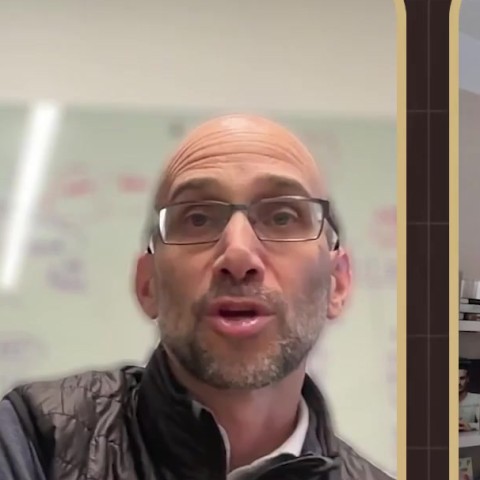 Stuart BrownExecutive Director
KEY TAKEAWAYS
Steward your public minutes
Consider every stage moment as multiplied attention: five minutes to a thousand people equals 5,000 minutes of influence. Plan authentic, sticky messages that can change trajectories and honor the audience's time.
Pair success with significance
Design employee programs that enable career success while delivering community significance. Offer pathways, mentorship and short impact roles so team members can pursue advancement and contribute meaningfully.
Build workforce readiness pipelines
Turn giving into yearlong accelerators that pair nonprofits with brand resources, training and operational help. Leverage inhouse scale to boost skills, fundraising capacity and create sustainable workforce pipelines.
We want to be a resource so that as you're pursuing success, we can bring the significance in parallel.
Transcript
Click a timecode to watch from that moment.
00:08Welcome and Introduction
4
Cesar introduces Stuart Brown and sets the stage for an honest, unscripted conversation about hospitality and community impact.
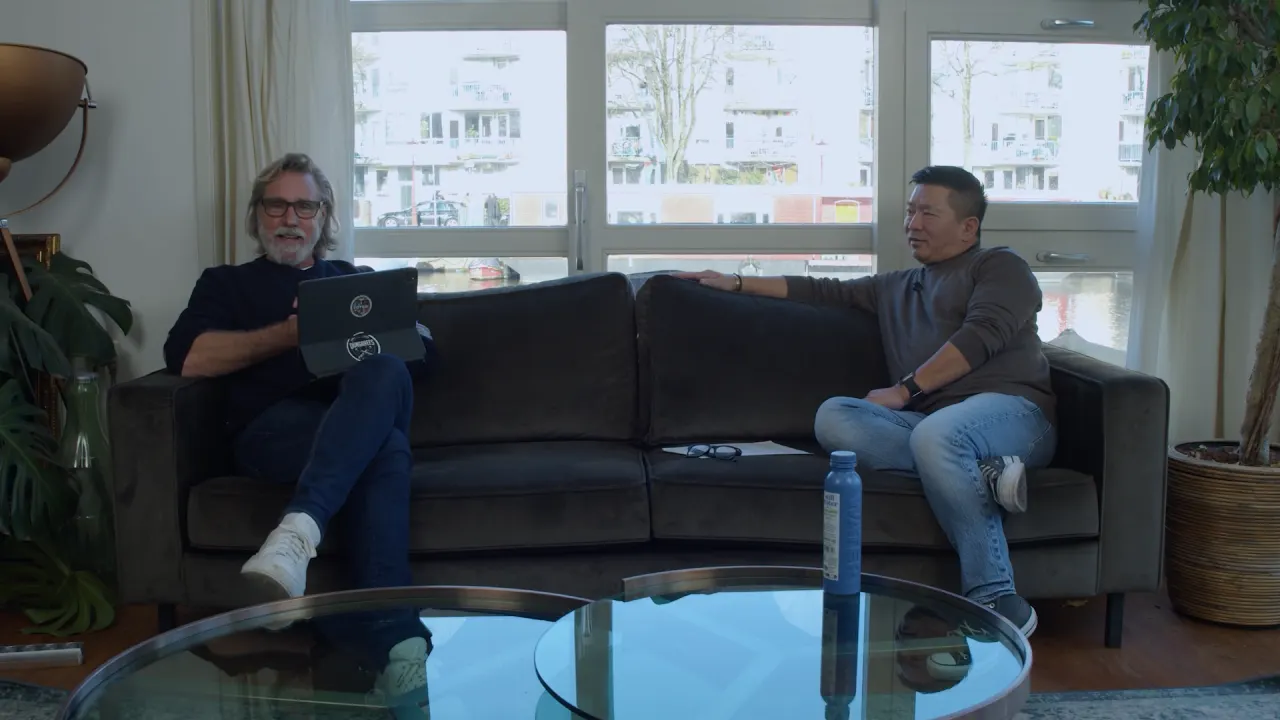
Stuart BrownSo welcome back everybody to the future of hospitality. As you know, this this episode is part of a special series, unscripted hospitality, which I have the pleasure just to talk honestly and without filters to our guests. And today Epzogs is powered by Auhay, our leading global sales organization representing luxury hotels and resorts. And today, I have really nice opportunity to speak to someone that I admire as a person, as a professional and I got to know over the last few years, is Stuart Brown, the executive director of the Inspire Brands Foundation, where you're gonna learn he leads amazing initiatives focused on youth empowerment, education, community impact, really brings amazing experience across corporate, nonprofit, startup.
the Future of HospitalityAnd so listen, Stuart, thank you. Welcome. And it's an honor to have you here with me. Oh, man. Well, hey, thanks for having us on here. We are always fired up to have the chance to talk about all the incredible opportunity there is around us, talk about you know, I like to talk about the privilege I have to not only sit in the seat that I I have here with the foundation, but also to work for an incredible organization like Inspire. So I'm looking forward to the conversation. Thanks, Cesar.
Stuart BrownLikewise. And just before we start, actually, thing that I I I was really blown away when I I think it was the last Spark. I I couldn't make the most recent one. Yeah. But I think it was in the second one where you came to stage and you gave a, you know, a speech and for a few minutes and, man, you're an amazing speaker. Thanks for saying that.
the Future of HospitalityFor real. Well, I appreciate that. It's a lot of fun. I had, in a previous job, I had some opportunities to kind of hone the craft. And at this organization, the way you know you did well was you got an invite back. I didn't get an invite back. So this was not always something that that I felt like I was great at, but it's something I do wanna work hard at. And it's something that I felt like it's important because when you're on stage, you get a chance to represent your entire organization. And and most of the time, when I get to share, it's for a few minutes. And one of the things that's really kind of shaped how I think about that stage time is think about if there's a thousand people in the room and I've got five minutes, that's five thousand minutes of time that I'm owning. And so I feel the burden of that responsibility because sometimes you think, it's only five minutes. People are gonna move on. But thousand people, five minutes each and just think about being a steward of that time and going, what can I say that will be authentic and hopefully connecting sticky and, you know, and you never know? There might be something that really changes someone's the direction of their life. You know? Yeah. You can't expect that, but you can hope and go, man, I do my job really well.
03:36Inspire Brands Overview
5
Stuart shares the history and scope of Inspire Brands, highlighting its iconic food brands and the cultural significance they hold.
the Future of HospitalityWhat could happen if, if you connect? So I appreciate you saying that and, the hope and the intent is that that you really do say something that matters.
Stuart BrownYeah. No. You you definitely did and did in a very, you know, what's the word? I don't don't have the vocabulary today, but a very authentic and a very engaging manner. Thank you for saying that. Yeah. Yeah. And so before we start and talk a little bit about the work you do with the team and the amazing stuff, just tell a little bit about Inspire. Right? Because I think Yeah. Inspire Brands a lot of people know your brands and they use, you know, perhaps on a daily basis,
the Future of Hospitalitybut may not correlate. So first of all, I've got to say, you set me up to fail here. You just started out by saying I'm a great communicator. Better winning the a game. Right? Because expectations are up here. So so thank you for that. So yeah. So Inspire Brands, we were founded in 2018. So we're coming up on our eighth anniversary, and it's been just an incredible ride to be a part of that. So a lot of people know or maybe they don't know, but Inspire Brands, we have six incredible brands. We have Arby's, Buffalo Wild Wings, Sonic, Jimmy John's, Dunkin', and Baskin. And so we feel like we've got food for every every day part, every taste, appetite, every food experience you'd want to have, we have you covered. And it's just incredible incredible to be around so many leaders who are creative and thoughtful operationally sound as they steward these iconic brands. Right? And there's a you know, there's something there's a pressure that comes when you're like, hey, we're working with this brand that's been around for fifty sixty seventy maybe eighty years and there's so many memories. There's so much Nostalgia with food brands. Right? We all think about what we grew up with and yeah, when I was eight, we went down to Arby's. We had the five for five or my first ice cream experience was Baskin or man that day when my grandpa would come in and bring in the Dunkin Donuts, you know, all that kind of stuff.
the Future of HospitalityThere is a preciousness to it and now it's our responsibility to create those same memories for everyone else for all the eight year olds and 12 year olds today for all the dads and moms who are trying to create those memories, right? Because our responsibility as parents if nothing else is to make sure our kids have great memories growing up. Right? There's so much more to parenting. We're not a parenting podcast. We don't have to worry about that. But part of it is how do we create those great memories? And I think our brands have an incredible opportunity to be a part of all those stories if we do it well.
the Future of HospitalityAnd so I just feel privileged to be able to come into this office every day and help tell a little bit of those stories of each of these brands. That means so much to so many people.
06:25Company Culture and Community Space
2
Discussion on Inspire's open office culture and how the company supports nonprofits by sharing its physical spaces to inspire creativity and possibility.
Stuart BrownYeah. It is great. And, you know, love going to your offices too. And I think it was really caught my attention because I I attended there. I think it was LGBTQ plus event that took place a few years back on the meetings meeting room. Right? You know? And and I was you know, I was kind of shocked that from my understanding that was kind of an open space. Right? That, you know, a lot of non,
the Future of Hospitalityyou know, non business and can can use that space to do something that's good, and and that is really speaks to the culture and to what you guys live on the day to No. I appreciate you saying that and that use of the word culture. I'll probably use that a lot over the next few minutes as we chat. But I think there is this culture of, hey, we have this incredible space. Let's open it up. And one of my favorite things to do is with some of the nonprofits and organizations I get to work with is invite them into our building and say, hey, guys. We have this space. We have this theater. We have this we have this basically sports bar on the 2nd Floor that we'd love to open up or we have this conference space. And and not just to show it off because I believe it's an amazing space and I'm proud of it, but to get people access to something. And and sometimes they'd say, oh, I didn't even know this kind of space was possible. They can go back to their organizations go, hey, what if we designed it this way? What if we thought about it this way? Or what if we created our own space? I think oftentimes in the roles that they you and I have and other people that that we connect with have, part of our job is to show what's possible and to remind them this is something that could happen. Because I think sometimes you were talking earlier before we started about we're both in that square in the space of middle age, you know, me a little bit further along the middle age than you are, but I think sometimes we forget to think about what's possible, right? Like we think about kids and one of their favorite and best things that kids can do is this idea of wonder, right? By the time you're our age, that's all stomped out. It's like no no one want no more wonder no more sense of wonder. It's all about accomplish and purpose and you know, all this kind of stuff and I think it's sometimes if we can just give people a sense of wonder and a sense of hey, this is what's possible or what if right that phrase what if is so powerful And for us to be able to lean into that just a little bit and say, hey, there is more out there than what you think you could possibly be or do. So and I could go on and on with that for twenty minutes, that's, you know, I'll restrain myself just a little bit.
09:02Role and Vision of Inspire Brands Foundation
16
Stuart explains his role as Executive Director, focusing on blending success with significance and driving culture and community impact within the company.
Stuart BrownNot at all. This this is great and a, you know, a perfect segue. So, you know, people know, okay, now you spoke about the brands and and now they can relate to it. But talk a little bit about your role within the organization. Right, because it's very unique and you know you really I think help lead along the team and the different boards that you have is really that what's possible, right, to our space where people wanna come and potentially see a career path within our industry. Just talk a little bit about that, like, how it came about Okay. What's the vision is, and a little bit of the day to day. Yeah. So
the Future of HospitalityI get to sit in the seat of executive director from the Inspire Foundation. And one of the things I'm very aware of is it's not my job, it's not my role, it's just a seat that I've got the privilege to sit in. Right? So I think that creates, again, a sense of stewardship. And one of the things that I'm very aware of is that with what we do, we're at this intersection of all the brands. And we get to meet and work and become a resource for these incredible leaders as they try to lead their brands well and make impact and drive sales and all the things they do. And so one of the easy ways for me to talk about it is years ago, I had when I was in grad school. We had the speaker came in and he said this. He said, look, And at this point, we're all in our twenties and early thirties. He said, look. In your twenties, your thirties, and your forties, I can promise you the keyword in your mind is success, success, success. You're gonna be driven. You're gonna be going out there trying to make money and get all the accolades and everything you can. And success is the driver. You say, what's gonna happen is one day you're gonna wake up and you're gonna be 50. You're gonna realize that success is not the keyword for you. The keyword for you is significance.
the Future of HospitalityAnd what can you do to be significant in somebody else's world? Right? And he said, so here's the deal. I'm already telling you the future. You're 28, and I'm telling you right now, you think it's about success, but I promise you, when you're my age, in your early fifties, you're going to realize it's not. So here's the deal. Don't wait. Go ahead and make your life about significance now. Right? And that sounds easy to do. And so one of the things that I often try to share around the building and really around the country as we are doing the work on behalf of the foundation as I said, look, I will share that message and go, I'm not telling you not to pursue success. But what I'm telling you is that we want to be a resource so that as you're pursuing success, we can bring the significance in parallel.
the Future of HospitalityBecause sometimes you think that you got to do it in series, right? You've heard people say, hey, I'm going work on 50. I'm gonna make $10,000,000. I'm going give it all away. Right? Well, that's great. If you are actually that person that's going to make all that money, but most of us don't. Right? And so now you get to 50 and you're like, oh, I didn't make the money so not going to keep chasing the dollar. Right? So it's like this idea of, hey, we want to be that partner that you can chase success and do significance at the same time. And so our we really feel like our job is to, yes, be that community impact piece that makes every community that has one of our restaurants excited to bring one in, excited to support it.
the Future of HospitalityBut internally, one of the the things that that's become more clear to me over the last few years is that we're not just philanthropy. We're also culture. Right? We are one of the reasons that people are proud to work in Inspire. We're one of the reasons that people want to come and work for Inspire. And and if we're not yet that for everybody, that gives us something aspirationally to chase, They we want to be there. And so if we can help drive culture, if we can be even for just a few people, the reason they go, I'm going to stay here longer. I'm going to keep working here. I'm so proud to put on this logo on my my vest or my shirt or my socks or whatever it is. It makes me feel better, then that's a win.
the Future of HospitalityAnd let me tell you just one more little anecdote here that I think pertains to this. One of the things I often hear is, hey, Stuart. That must be such a fulfilling role you're in. And it's said in a way that is very authentic, but it also positions the ability and the chance and the responsibility to have impact in this little box that says foundation or nonprofit or whatever it is. And so one of the things I often try to do is hold hold up a mirror and reflect back to people that, hey, here's the truth. And this is not my truth. This is from a guy named Clayton Christensen who was an author, Harvard Business School professor, wrote The Innovator's Dilemma. It was considered the best book of the '90s or best business book of the '90s. But he wrote this little book called How Will You Measure Your Life? And it was based on a series of seminars he used to give. And in this book, says this. He says that management is the most noble of profession.
the Future of HospitalityHe says, here's what I mean. He says, people wake up excited about their day, feeling good about who they are because of the way you lead. They go home as better moms, dads, brothers, sisters, coaches, volunteers, board members, whatever it is, because of how you lead during those eight to ten hours that they are in your office. And so I look back and try to especially for our folks who are in operations and say, your ability to impact, your ability to drive change, your ability to make the community better is way more than mine. Yes, I've got this opportunity to sometimes, you know, get on stage and share or to help write checks that make nonprofits run smoother, better, whatever, but your ability to impact those thirty, fifty, 60, maybe 70 people that work in your restaurant.
the Future of HospitalityYou look at the ripples of that. Maybe let's say it's one of our Buffalo Wild Wings, and maybe they've got a larger staff of 70 just for fun. Let's say they each have a spouse and two kids at home. Now you're at two eighty. And let's say that those each have four or five people they're pretty close to. Now we're roughly 1,400 people that you've impacted just because you are creating a healthy environment at work. And now let's say you've got 33,000 restaurants all over the country who are all impacting another 1,400 people. Like, that ability to drive culture and change and impact is astronomical.
the Future of HospitalityI think that part of that is I want to hold up America. When you're a good manager, there's nothing the foundation can do that can compete with what you're doing because you're so hands on day to day with those people. And so, yes, it's supplementary, and it's complementary, whatever word we want to use there, but those things go hand in hand. And so we could be the best foundation in the world, but if our people, our team members are not being treated well and they don't love coming to work, then the work we're doing is not really going to be all that impact. So the the degree to which you said early on that what we're doing is and this may have been before we got on. I can't remember anymore, but that what we're doing is impactful, and it's good, and it's an example to a lot of other companies.
the Future of HospitalityIt is all of those things because the culture that Paul Brown on down that they're creating works. And if that's gonna work, this stuff would just be seen as inauthentic and really irrelevant.
Stuart BrownYeah. Yeah. And so many great things there. You know, one thing that keeps resonating, I wrote down few times here is, like, when you first started speaking about, hey. It's not just five minutes on stage. Right? It's, you know, five times how many people in the audience. And then now you're mentioning, hey, it's just not the people interact with is what that carries on and impact then those people in their lives and never really thought that way and it's so true, right, because I think we have the ability to influence many ways, right. Every interaction we have, we can leave people feeling one way or the other, Right? It's either gonna 100%. Become energized, feeling good and positive or neutral or, you know, negative and, like, oh, you know, I can't see that the person anymore. Right? And I think choosing to make a positive impact and knowing that, hey. Even if it's a one percent change, right, to that third or fifth person that you're gonna change, you know, impacting directly, that's that's powerful.
the Future of HospitalityYeah. And and it's and I think it's also one of the things it does for us when we have that mindset, it gives us the gift of agency. And what I mean by that is we've probably all been in that space at some point where we felt stuck. And whether it's in a job or a relationship or stuck in traffic, whatever it is. Right? And when you feel stuck, you feel like there's nothing I can do. Right? Or if you feel like, hey, having impact or creating community or cultures outside of my world, I'm just stuck doing my day to day, then I think that's when we have given up agency to someone else and said, well, I can't do anything.
the Future of HospitalityBut when we own that we have agency, right, the decisions I make matter, the people I influence matter, my ability to change a life is possible. Right? Agency gives us really a catalyst. It moves us in a direction. It gives us the ability to go, I can take action. Right? And if I've got agency and and or if I feel the need to be a good steward of this time, this conversation, this role at work or whatever it is, now I feel like I've got to do something to make that person's life better, make that community better, make that relationship better, whatever it might be or to or to redeem this time where I'm sitting in traffic. Who can I call? What can I listen to that helps me get better? And sometimes you may just say, you know what? I'm going to take my agency and I'm just going to zone out because I'm stressed. I'm tired. And I don't want to create this like this vision that every moment is utilized. Sometimes you just need a break. Right? And so I've got the agency. I'm going to choose to listen to my favorite whatever podcast that's just escapism.
the Future of HospitalityI think that's okay as well. But I think the the message and part of this is what I'm learning right now is I've been through a season where I felt stuck. And that's not, you know, that's just more in my personal world where I'm like, oh, what am I gonna do? Or how can I make this better? Or whatever it is. And what I realized at some point was like and we all know this. Right? We know that like no one likes being around someone who claims that they're a victim all the time. Right? The victim mentality is toxic. Right? We know that. And you didn't know you're going to get therapy lesson today. Sorry to jump in. But it hit me over the last few months that but the stuck mentality is just a cousin of victim mentality. It doesn't have the same negative connotation that I can go, oh, I'm so sorry, Cesar. You feel so stuck. What can I do, right? But Cesar coming to me day after day, week after week saying, I'm stuck in this. Like, No, no, no, no. You are never stuck.
the Future of HospitalityWe have agency in so many situations that we don't think we have agency in. And when we own that, we will, by definition, move. We will take a step. We will go one way or the other because we now know that my voice, my role, my actions matter. And that should give us energy and confidence that what we're doing is making a difference. So I may be a hammer looking for a nail in that comment because that's something that's pretty fresh and I'm processing through. But thanks for giving me a chance to just kind of share a little bit of that because I do think it's so important for all
Stuart BrownYeah. No. And and that is great. I think, you know, especially in your role, I think you see and correct me if I'm wrong, but I I believe you see, you know, the extremes of, like, hope as you engage with the young people and see the potential, the dream and, you know, to to your point earlier, the why not and and all the possibilities. And then also you see a lot of the challenges, right, because you deal with a lot of the nonprofits that are tackling very difficult, you know, problems that we're trying to solve for as a community. But, you know, it's been persistent for decades and decades. So how do you, you know, balance that and I don't know. How do you navigate? What
20:27Balancing Hope and Challenges in Nonprofit Work
8
Stuart reflects on managing the tension between the vast challenges nonprofits face and the importance of making incremental progress and creating momentum.
the Future of Hospitalitya great question. And I think that, you know, as you share that, you know, I I used to work at a church and I grew up going going to church and I've got all these preacher stories that come to mind. Right? And and this is not mine. This is but there's a there's a story that the the pastor that I used to kinda work in his organization. He shared this story, and he said, you know, imagine you're on a beach and you see this little kid. And as little kid's walking down the beach, there's, like, thousands upon thousands of starfish that have been walked up on that have been washed up on the beach. And that little that little kid in my mind is a little girl. She's going in just throwing the starfish back, throwing the starfish back, throwing the starfish back. And and you or me because of our advanced age in life, right, we've got all this wisdom and we're like, hey, you can't save all of them. It would take you forever to get all those starfish back in the water. Right? Because we got all this wisdom. Right? We know these issues have been around for seventy, eighty years, sometimes two thousand years. Right?
the Future of HospitalityAnd that little girl in all her wisdom looks at you and says, save that one. Save that one. Right? And so I think that to answer your question, both things can be true. Right? Both things can be true, which is, hey, this is almost an unsolvable problem. Right? Like, we can't possibly wrap our minds around this huge issue, whatever it is. And that can feel like it makes you just not want to try. Right? Or it can say, well, I don't have to solve all of this today. Today, I can solve this little bit. And then tomorrow, I'll try this little bit. Right? And I think that, you know, my mentality growing up, I was I played a fair amount of basketball and never all that well.
the Future of HospitalityBut was always the the point guard on the team. And we had a lot of teams that weren't very good. And so oftentimes, we were down fifteen, twenty, 25 points. And my mentality was always such that, hey, even when we're down 20, there's only three minutes left. I'm like, alright. All we have to do is score, hold the other team. Right? Score, hold the other team. You can't tackle it all at once. But what little bit can we do, build some momentum, and then who knows? Right? Who knows what happens? Maybe there's enough momentum that you and maybe you figure something else out. Maybe a new technology like AI comes and all of a sudden all the stuff you thought was impossible becomes easy, but it's that mentality of creating momentum and saying here's what I can do in my little world. Right? Like we often oftentimes we'll talk about this idea of hey, let's just do the best we can with what we have with where we are. That's all we can control right now. Right?
the Future of HospitalityI can't control everything that's happening over here. But if I can do the best I can today with what I have, with where I am, you know, that kind of mentality, then I think you start to see a little bit of progress. A little bit of progress usually leads to more progress and momentum. And people like to be a part of things that are having momentum and building momentum. And all of a sudden, you're like, oh, wait. You want to help too? Oh, that's awesome. Or hey, we want to be a part of that story. How can we be a part of that? We'd love to have you be a part of that story. And now instead of having a team of, like, eight or 10, maybe you've got a team of core team of 10, but you've got, you know, 500 champions all saying we've got resources and we'll help out as well.
the Future of HospitalityBut I don't want to overly simplify it. I don't be all rain dogs and puppy dogs here because there are lots of hard things out there. And there's lots of incredible nonprofits who are busting their tails and they're not finding that momentum. It's not because they're not working hard. It's not because they're not incredible people. It's because what they're doing is really hard. And, you know, sometimes hard is just hard. The other, you know, great message I took from where where I worked in the past is this idea of is what we're trying to solve, is it a problem to solve or is it a tension to manage?
the Future of HospitalityOkay? And the difference here is a problem actually is solvable. Right? But when you try to solve a tension, you just get into this thing and you get frustrated and you go, why can't I solve this? Where it's like, you know what? You actually can't solve that. That is a tension you have to manage. Right? Like, yeah, I think there's lots of those kinds of examples in life where it's like, you know what? I am really trying to solve the fact. Let's talk about relationships. I'm trying to solve the fact that, you you think about this so differently than I do. Well, the other person relationship doesn't want to be solved. They want to be seen.
the Future of HospitalityRight? And so if I could say, well, you know what? This is just attention we're going to have. How do we manage that? You're always going to be I'll make stuff up. You're always going be the one that stays up late. I'm always going to be the one that gets up early, which I probably reversed in my relationship. But, you know, but I think that there there are, you know, those dynamics that when we're trying to solve it and just needs to be managed, let's just focus on managing it. And I think sometimes that helps us out as well.
Stuart BrownIt's great. That's a master class taking a lot of notes here. I love it. Love it. That is great. And tell speak a little bit about, you know, Spark because, you know, being in this industry almost thirty years now, I never, you know, seen something so intentionally thought out, put well together, and really embracing not only, of course, folks in promoting, you know, inspire itself, but really welcoming and inviting as many hospitality partners as you can because it's really an industry, you know, opportunity you're trying to solve for and improve. So talk a little bit about that and how that came about and and how it's going. Yeah. So
26:24Spark Initiative and Workforce Readiness
27
An in-depth look at the Spark program, its goals to prepare youth for careers in hospitality, and how it supports nonprofits through year-long accelerator experiences.
the Future of HospitalitySpark is a campaign that we started on behalf of the Inspire Foundation. The idea being that the hospitality industry is has an incredible position in our economy and in our country where we are kind of the entry point for so many people into what it means to be a professional what it means not just to have a job but a career right? I think we looked at that and said, man, there's an opportunity for us to do something here in the what we call workforce readiness space. And, you know, so let me go ahead and define that because we were probably not probably. We were definitely a little bit arrogant in saying we're going to define workforce readiness our way. Right? So we kind of look and say workforce development is what happens to you once you have a job, once you stepped into your career. Right? What we call workforce readiness was anything that happens before that, honestly. And the reason we we looked at it that way is if you have a nonprofit and you are working with kids to make sure they get meals, why do you want them to have those meals? Well, I want them to have the meals because we know kids pay attention to school better when they're fed. Awesome. But why do we want them to pay attention to school? Well, we know that if they do well in school and they graduate from high school, they have a better chance to get a job. And why do we want them to graduate from high school? Well, they graduate from high school, they're more likely to either move into a trade or go to college, which in both those role roles means they're more likely to have a successful career. Right? So it all eventually, whether it's meals, mentors, access to sports, whatever it is, it all eventually plays out into because that will make them more likely to be a productive member of the economy. Right? And there may be a more elegant way to say that, but in general, we looked at it and just said, hey. Every nonprofit that works with kids, if they had KPIs that could measure a long enough kind of lifespan or long enough timeline, part of the measurement would be, did they get a job? Were they did they do well in their job? Are they productive in a a in some sort of career? And so we said, okay. Well, if we're going to define it that way, then most of the work we're doing anyway really falls under workforce readiness.
the Future of HospitalityAnd in the hospitality industry, that makes a ton of sense because we want more people who are ready to work. We want more people who can jump into these careers and and not just get a job. And we understand some people are there just for a job. They're there for a season. But we do firmly believe that there is an incredible career for people to jump in at the entry level and move all the way up to the C suite. And and if we can help more people be ready, then that is the right thing to do for every kid that goes through one of these one of these agencies and one of these nonprofits, but it's also great for the hospitality industry. So it's a win win.
the Future of HospitalitySo that was kind of some of the thinking and again, you know this the thinking I'm giving you now is probably a little bit more developed than the thinking we had five years ago. Right? So, you know, these things start and you have some sort of direction of where you're going, but it's way easier to articulate it now than it was right when you started. So there's a little bit of hindsight 2020 in this as I describe it. So let me just go ahead and own that. And so the first couple years, we saw some progress in that. We saw that we were able to create an incredible experience where people could come and be inspired. We could give out grants to these organizations.
the Future of HospitalityWe were really proud of what we accomplished. But we also could see the gap. There's something that we could do maybe more or better. With, again, Paul's influence and his thinking on this, the thought was, Well, look, we do every year. We're proud of the amount of money that we give out and that we're able to pull pour back into nonprofits. But at some point, there's only so much money. So what we got pushed a little bit around, hey. What could you do that would kind of have an outsized impact? And what could you do that would have potentially more of a lasting impact than writing checks? And writing checks will always be a part of what we do, but is there something else we could add to it?
the Future of HospitalityAnd so about a year and a half ago, a year ago, whenever it was, we kind of really landed on this idea of taking this workforce ready space and say, okay. Look, if we're all about any nonprofit that's working with kids, what if we kind of dial that in a little bit and say that, hey. Spark is not about this one day where we're going to celebrate all this work. Spark is a year long evergreen ex accelerator experience, right, where we're going to select a few nonprofits, and we're going to leverage the entire Inspire ecosystem, our suppliers, our franchisees, team members, the agencies we work with, say, what if we brought all that together and invested that into this group of nonprofits who've all said, hey, we want to grow. We want to have more impact. We want to do what we do better. And so now we can lean in in a way that they couldn't. We like, a lot of these nonprofits are small small enough that they would not ever spend the money to bring in a branding consultant or to bring in a pitch consultant or to bring in an event consultant. Right? But now we take that, and we bring 15 or at least what we're gonna do in 26, 25, 26 nonprofits, put them all in the room, whatever that fee is is now pennies compared to what it would have been. So now we get to amplify and really magnify the work we're doing. And perhaps it goes back to that ripple effect we're talking about earlier where we're able to put fewer dollars in and our goal is not to put fewer dollars in our goal is to maximize our resources.
the Future of HospitalitySo we take some of our dollars. We put it in this program where when the nonprofits come out, they are better equipped to go do what they need to do to go raise more money to operate more efficiently and and have more impact. Right? So it's us being better stewards. We hope and believe and again, you know, we're we're the the old saying where the airplane is being built while flying here, so we don't have it nailed down. I told someone the other day that we may even charge us with being guilty of being overly generous with the word accelerator, but we do think that what we're providing, the work we're doing, and the access that we're giving to these nonprofits will help them go further faster and to have more impact.
the Future of HospitalityAnd the other thing, real quick, that allows us to do, and I think this is one of the things I'm excited about to see how we can do this better, is oftentimes in foundation world, you're making decisions of of where to give your money to based on an application. Yes. There might be a phone call for thirty minutes. There's some words on the page, probably a couple documents that are downloaded. You're like, alright. Yeah. Here's your $20,000 or a $100,000, whatever it might be, grant. And we feel good about that. But as we thought about this, probably about what we're doing now, we get to spend basically a year with these nonprofits, getting to know them, understanding who the leaders are, understanding their strengths, their weaknesses.
the Future of HospitalityAnd now at the end of the year, when we have what we call our spark tank and where they come and pitch for more money, we have so much more insight into who they are, what they're capable of, what they're trying to accomplish. So for us, there's little bit of a cheat code as well so that we know when we give out money, we're being better stewards of that money as well because now we know way better what these organizations are, who they are, and where they're gonna go. Right? So, hopefully, that all makes sense. I know if I answered your question, but for us, it's an exciting place to be. One, because we're still in that nascent stage of this, and we have a vision of where it could go. We're not there yet, but we're excited to see where it could and we're seeing some of the promise. Right? It's like the the the the plant is just now coming through the the the soil and you're like, alright. There's growth there. There's something there. I know what it's gonna be five years from now, but right now, we still have to water it and nurture it, and we gotta do what we need to do to make this thing grow. But we're we're super fired up to see where it could go.
Stuart BrownYeah. This is it's amazing. And I think, you know, I hope, you know, many of my counterparts and people in other companies really are paying attention because I think I think that's really something impressive, right, because we all have the desire to help others, ensure that there is a very strong pipeline of possible workforce to continue to grow and be successful in our industry. But I don't think we approach this the right way, right, or we don't do enough. And I think this is a great case study and example as to what can be done other than just doing what's needed or what may look good from a PR perspective, but what is really going to drive impact that's going to long lasting be able to carry through not only for that effort. So, you know, kudos to you and team and
the Future of Hospitalityhopefully, I can be there on the next one. Well, we definitely want you there and we're we are excited, but we're also aware that we're not there yet. Right? And I think that one of the things that I think about a good bit is way back in a previous lifetime, I was working with a buddy of mine and we were building this cashew processing facility in the country of Benin West Africa. And we had big visions of what this thing would become. And I should say he had big visions of what this thing would become. I was the spreadsheet guy just putting, you know, building HR software and Excel and doing all the finances and all that kind of stuff. And he was just an incredible leader. And one of the things that we would talk about is, man, this thing has to succeed because if it doesn't, right, if it doesn't, all the good we want to come out of it, it won't matter. Right? And what we're talking about is we're trying to create a company that would pay fair wages, that would create that would provide childcare and healthcare. This is a part of the world where everyone's like, Man, I just want be able to put food on the table. I want to know that I've got recurring income and I don't have to worry about whether or my kid's gonna eat tonight, next week, next month. Right? And so we had solved all those problems in the immediate, But we felt the pressure of, if this is not sustainable, what we provided for these families for a few weeks or a few months or even a year or two would almost be meaningless.
the Future of HospitalityBut we've got to make it sustainable, right? We've got to make it so this thing is going to last because then that's where real life change, economic change, community change happens is when it becomes sustainable and when there is something that people know is going be there year after year after year. I think for all the work that we're doing, you know, we do feel that, like, pressure. How do we make sure that what we're building is going to last? Because if it's just a flash in the pan, there's nothing wrong with that. But, you know, at the end of this thing called life, we're gonna wanna know that, hey, we set something up that has longevity and is really impacting for years and years and years, not just for a few moments. And so with Spark, we're still in that place where it's been a few moments. But, man, like, what's possible is longevity and, like, true legacy for everyone who's been a part of it and for the brands that help make it happen.
the Future of HospitalityBut, you know, we're we're still we haven't gotten to that inflection point yet where we're going, that's it. And so there's lots of things we need to change. We're excited about it, and I appreciate you being excited about it. You know, it's your baby, so you want everyone else to think it's pretty and beautiful as well. Right? But we're but we also, I feel like, pretty objective in going, hey. There's something here, and we're really excited this year. We've expanded the nonprofits we're working with. Last year, '25, we were testing it out. It was just a land of nonprofits. This year is national. And so we really gave everyone who's a part of the Inspire Ecosystem suppliers, franchisees, operation leaders from all over the country and said, hey. You guys get to nominate a nonprofit to be a part of this. So we've got, I think, 12 or 15 nonprofits that are outside of Atlanta. So we're super excited to see how this plays out. How how does it work? I don't know. But we're gonna figure it out. And, by we do have a spark event coming out in February, we'll do a second one in December when we give out some more grants to the twenty sixth cohort. Hopefully, we've got a great story to tell there. At that point, we've got momentum attraction.
Stuart BrownThat's great. Did you ever thought or did you chase a position like this?
the Future of HospitalityYour career or how did that come about? Oh, man. See, I am the worst person in the world to talk about career planning and all that kind of stuff. I, you know, I I never really planned out what I was gonna be when I grew up. I don't even think I wanted to grow up, to be honest. Like, I was too busy playing basketball and and trying to just kind of enjoy my teens and my early twenties when I was in college. But I think there's a there there is a really interesting framework on this that I'll share. Again, it comes from Clayton Christensen, so I guess I'm doing a good job of selling his book, How You Make Your Life. But he talked about for most of us, when we are in our teens and we we there's this question of what do you wanna be when you grow up. And when you are like a five year old or six year old, it's a great question because if you just got done playing with Legos, I'm a Lego designer. Maybe you just got off the flag football field. Maybe you want to be a wide receiver or maybe you're thinking bigger, you want to own your own football team. I don't know. But it's a fun question filled with possibility. By the time you get to 17 and 18, you're like, I have no idea, and it feels super like a pressure field question. Like, why are you asking me this?
the Future of HospitalityAnd then the the thing that a lot of people don't talk about is there's a lot of 25 and 35 year olds. You're like, I don't know what I want to be when I grow up. Right? And so I think what's happened is that everyone feels like they're supposed to know the answer. Right? And so one of the things that Clayton Christensen said is in his book, he says this, he says, look, most people think the nonprofits that make it, they make it because they were the smartest kid, smartest guys in the room. Right? They make it because they're the smartest leadership team. They have the best strategy. They have the best whatever it is. And we're like, oh, look at those guys. They're the best in the world. I said, it's not true.
the Future of HospitalityThe startups that make it are the ones that had enough cash flow that they could fail multiple times and still have money left to find the right answer. That makes sense? Right? There are lot of nonprofits or a lot of startups that don't make it. It's not because they're bad leaders, it's because they ran out of money. Right? And so I think if I can make that metaphor that Clayton makes in his book is this idea that when we're trying to figure out what we want to do when we grow up, there's this idea that when I'm 16, I was supposed to know that I want to be a vet or run a hedge fund or, run a hospitality company, be a C suite person. And most 17 year olds, even if they say they know what they want to do, they are so uninformed. How could they possibly know what they want to do? They don't even know what jobs are out there. Right?
the Future of HospitalityAnd so what Clayton says is that with your strategies, you can be deliberate or you can be emergent. And deliberate is your buddy growing up who, when he was 15, said he wanted to run a hedge fund. He's running a hedge Emergent is most of us who said, I have no idea. And what Clayton says is when you're in that emergent phase of your life, bump into as many things as you can until you find the right thing and then become deliberate and have a five year plan or a ten year plan. But it's really hard to have that five year plan when you don't know what you want to do. And I think one of the things that I've learned is that it's okay to not know what you want to do. Right? And I had an incredible example. My dad changed careers at like age like 35.
the Future of HospitalityRight? And, you know, he went from being an elementary school principal, whatever it was, to working still in education, but being in a in a in kind of grant writing business down at University of Alabama Birmingham over over in Birmingham. And so I saw this, and I'm like, yeah. Yeah. I wonder I mean and he and I never had this conversation before he passed, but it's this idea of, hey, dad. How did that feel changing careers at 35? He probably said, I was great with it, but I knew what I wanted to do. Right? And it's okay to change. And so going all the way back to the question you asked like an hour ago when I started on this, for me, I'm like the poster child for Emergent.
the Future of HospitalityI never really thought about my career until I'm like, oh, I'm a senior in college. I guess I've got to go get a job. But let me get a job. And I thought consulting sounded fun, so I got into consulting. And at some point, when I came to the foundation, gosh, almost twelve years ago now, I thought I'd be doing this for a year or two. Right? It kept becoming more and more fun, and the challenges kept becoming bigger. And I think one of the things I realized at some point in my thirties and forties is that what's important for me is not necessarily the widget. It's not necessarily the organization per se. Yes. Culture is important, is why I stay places.
the Future of HospitalityBut it's more like, is there a fun challenge and is there a pathway to bigger, better challenges? Right? And, unfortunately, Ben, Ad Inspire is just the right point where the challenges kept growing, and it's all the right kinds of challenges. Like, challenge can feel like it's a negative thing. There are bad kind of professional challenges. I don't want those. I want the fun challenges. How do we grow this? How do we get the word out? How do we make sure people see what we see? How do we take our money and stretch it further? And I've just been really fortunate to have a lot of those kinds of challenges that keeps me engaged.
the Future of HospitalityAnd, yeah, so I'm I probably still in that emergent phase. I don't think I ever woke up and said, I want be in the foundation world, but I'm super glad I have been, and I have learned so much and benefited so much from being in this space.
Stuart BrownThat's great. Great share. It's so true. It's so hard to make decision early on here. You know, and then just, you know, just to close it out, thanks again for the amazing, you know, kindness and and, know, all the knowledge. What was the best advice that you ever got?
the Future of HospitalityYou know, I think there's a couple things that come to mind. I had mentor for years and he said, you know, Stuart, if you will just do what you say you're going to do and be where you say you're going to be, you'll be ahead of 95% of the people you ever work. Right? And so and I'll just expand on that just real quick. The and I think what he says is a 100% true. But you don't know my mentor and no one else does. So let me share similar advice from a guy named Tom Hanks. So everyone knows who Tom Hanks is. He's one of the best actors in the history of acting. And I think you could easily say there's no one who's ever been better in their field than Tom Hanks has been better in his. You could say there are people who are just as good as, great. I don't want to argue that. I don't know enough about acting to be able to tell you. But he's clearly exceptional what does.
the Future of HospitalityAnd he said he got this advice, six words, Six words of advice that he got when he was on his first job. And the director said, hey, Tom, there's three things you got to do. Show up. Right? And so in other words, be on time. Be prepared. Do what you say you that you were gonna do, instead have ideas. And the way I translate that when I talk to high school and college kids is I'm not saying come into my office on day one and tell me everything that you think we should do as an organization because, frankly, you haven't earned the right for me to share it. I'm not even going say you'd be wrong.
the Future of HospitalityBut what I want you to think of and have ideas, really think about that and this idea of add value. Right? It's great that you showed up. It's great that you were prepared. How are you adding value? So six words, you can do that. I think that and it's so hard to do that. Like, we are always back to back to back to back with meetings, so you can't ever be the most prepared person in a meeting. But you and honestly, you can't even be on time to all of your meetings because they run long or, you know, we stack them up and all those kinds of things. But if you can reasonably do those three things where you are where you're supposed to be, you are prepared, and you're adding value in maybe unexpected ways, then I think that sets you up for an incredible career. And again, I'll be I mean, anyone who knows me will say, Hey, Stuart. All three of those things are still aspirational for me. Right? Those are still things I'm working on trying to get better at.
the Future of HospitalityBut I think that is a really, really great formula for having for finding success.
Stuart BrownWow. That is that is gold. What a what a great great way to close it and take it away because you're you're 100% right. So, know, thank you again for for this amazing opportunity. I hope you enjoyed. Was it was an honor to to connect with you and learn a little bit more. Awesome. Well, thank you so much. Thank you for giving us this chance to chat. I really enjoyed it. Thank you.