















 EPISODE · 43 MIN
Making Talent Development Stick In Hospitality
Human-first talent development is hospitality's competitive edge. Marcel Petzold of Marriott International shares practical strategies for managers to coach, retain, and scale talent, plus real-world tips on internal mobility and emotionally intelligent leadership. Essential listening for people leaders.
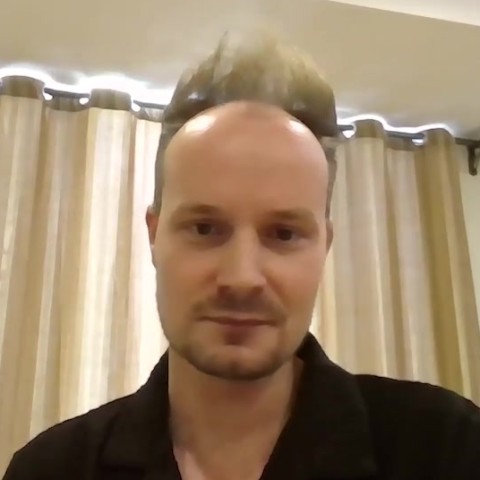 Marcel PetzoldDirector of Talent Development
KEY TAKEAWAYS
Reinforce learning through managers
Classroom training is only the kickoff; managers must actively reinforce learning on the floor with coaching, stretch assignments and repeated use of tools so new skills stick and drive guest and business outcomes.
Make development human and practical
Talent development must be practical, human and ongoing; avoid one-size frameworks, tailor to individual needs, track behavior change and retention, and embed learning into everyday tasks, not one-off workshops.
Prioritize authentic one-on-ones
Leaders must build genuine connections through short intentional check-ins; ask specific open questions, admit vulnerability, and act on warning signs so internal mobility and retention improve before exits.
The classroom experience itself is just that initial kickoff; the problem is what's happening on that Monday.
Transcript
Click a timecode to watch from that moment.
00:00Welcome and Guest Introduction
3
Alon introduces Marcel Petzold and sets the stage for the discussion on talent development in hospitality.
Marcel PetzoldThe worst thing that your manager can do is he sits you down and he tells you, you know what? Just do the things the way we've always done it, and then it's already done.
the Future of HospitalitySo welcome to Room for Talent, a series within the future hospitality where we look at how the industry attracts, develops and keeps great people. My name is Alon Skouri. And today, I'm joined by Marcel Petzot, Director of Talent Development and HR Services at Merit International Fiji. Marcel has spent his career close to the operation across regions and cultures, shaping how people experience work in hospitality, and not just how roles get filled. So, Marcel, really nice to have you. As you know, I was really looking forward to this one. So great to have you here.
Marcel PetzoldThanks so much, Alan. I think both of us were really looking forward to that one, so I'm very excited to make it happen today.
01:00Marcel's Hospitality Journey
11
Marcel shares his early career challenges, including a surprising start in housekeeping, and his path to Fiji.
the Future of HospitalityYeah. Cool. Cool. So before we start, can you maybe tell us a bit more about your experience in in hospitality and how you landed in in Fiji? Like, how how does somebody land there?
Marcel PetzoldGreat question. So so I'm originally from Germany. Right? And I always wanted to go into hospitality because it was kind of my thing. I never wanted to do anything else. It wasn't really something that my parents had in mind for me. You know, as a as a as a young boy, they wanted me to go a different path, but I always wanted to go and try out. And, of course, you know the traditional way you go to study, so I went on studying hospitality in Germany. And at the end of it, you always think, you know, you got your degree and you send out tons of applications across the world, and you expect tons of replies coming back and everybody wants you, right, with the amazing job titles.
Marcel PetzoldAnd, actually, out of all the hundreds of applications that I've sent, I've received one positive reply. So I pretty much only had one choice to either take it or say, you know what? Let me do something else, and I I think my parents maybe were right. Let's follow whatever they had in mind. Well, I then took on that role. It was actually a Sheraton Hotel back then in Egypt, and it was a role in front office. So I said, you know what? Front office is nice and fun. You know, Egypt has a lot of German guests. It would be kind of, you know, walk in the park, very easy, just speak to Germans, make their stay happy and nice and easy. It would be very fun.
Marcel PetzoldSo I went there and, you know, on your first day, you signed a lot of documents and stuff and, you know, all your typical HR forms. And then at one point, you go to the uniform room and pick up a uniform. And, actually, the uniform that I handed was that I was handed wasn't really what I had in mindful front office person. So I was like, you know what, Mohammed? Do know do you think that is really the uniform that I need to? And he said, yeah. Yeah. Yeah. Yeah. No problem. It's a uniform. And he's like, Mohammed, well, it's my first day, but I don't think it looks like front of his uniform.
Marcel PetzoldAnd he was like, front of his? No. No. You're in housekeeping. You're housekeeping.
the Future of HospitalityReally? Holy
Marcel Petzoldmoly. So I took the uniform. I went to the locker room. I sat down and actually cried. You know? I was like, my god. You went all the way from Germany to Egypt to to take that housekeeping uniform and go clean the rooms. So at the end of the day, you had two choices then. Okay. Let me continue it or admit to your parents and friends I did the wrong decision, and let's continue and do something else. So I went in and stayed in in Egypt and took that decision and spent actually four years there, so pretty long time. And from there, it actually kick started that I wanted to go and try other countries, companies, different roles.
Marcel PetzoldSo I moved around quite a bit in The Middle East, Africa, Maldives as well at one point, and different roles in different operational roles as well as nonoperational roles, global companies, independent hotels. So very different kind of work style operation. And then at one point, Fiji came into the game and said, you know what? Why not? Never been to that part of the world. Let's give it a try. Right? I always love beach island vibes. It's always my thing, so that definitely ticked the box. And, the role itself was very interesting as well. And, yeah, here I am now in Fiji. Cool. You can take it.
the Future of HospitalityThat's a great intro. But did you for four years, do I did housekeeping, or I can't imagine you did it for four years.
Marcel PetzoldSo I was actually terrible in housekeeping. Right? Because, you know, in the resort when people go on vacation, they always love those fancy bed decoration. I know the rose petals, your towel art, and all that stuff, and I was terrible at it. You know? Instead of those honeymoon swans, my animals looked like, I don't know, kind of a snake or whatever. It was terrible. Instead of helping the team over there, they always had to send people to me, to my room, to get the room done. So that that was terrible. So then one day, my manager called me in and said, you know what, Marcel? I don't think housekeeping is your thing. And I said, well, I I told you that before, and that's why I applied to frontovers. Right? And he said, you know what? We'll take you out of the rooms, and, we give you public area. So I went from one nightmare to the other nightmare because you have to clean, you know, your public walkways, your public wash rooms, and then the resort is plenty of walkways and, you know, road flower petals that are on the path that you have to clean off and stuff.
Marcel PetzoldSo, yeah, I stayed there for a couple weeks until then one moment where I cleaned actually one of the female washrooms there, and the assistant to the general manager actually came and asked me what I was doing. So I was like, well, I'm cleaning your washroom. Right? She was like, no way. You gotta go out. We have a group of Germans checking in at the desk. We want you to talk to them. And she, I was in my uniform. I was like, do you want me to go like that to the to the desk? And he said, yeah. Yeah. No problem. Just go. Just go. So that was actually the last day that I spent in housekeeping, and from that day onwards, I moved to front office, and that's actually where I wanted to be. And Wow. Yeah, there was a there was a change as well.
06:00Transition to Talent Development
8
Discussion on Marcel's move from operations to HR and learning, emphasizing the human side of development.
the Future of HospitalityWow. Saved by the Germans. That's what it worked. Cool.
Marcel PetzoldAnd then you went from, I saw your LinkedIn from front office to kind of HR where you're working now. Right? What what makes you do that that switch? Yeah. So I spent quite some time in operations because I felt, you know, I wanna really know, you know, how to check-in, check out the billing, the real guest experience itself. Then I went to revenue a bit for for a bit in a year. Didn't really like it. Right? It was really just system heavy work on a day to day basis. I really missed that interaction with guests. So then moved back into the operation and front office and up to the point of front office manager.
Marcel PetzoldAnd I always knew I didn't really wanna go the path of going to hotel manager or general manager, so I wanted to do something else. So I said, you know what? I have the role of front office manager. Let me try to find a role where I can give back a bit to to my team itself. Mhmm. So I started slowly assisting with onboarding of team members in the hotel. So I assisted in, running some modules in orientation and development programs in the hotel. And from there, slowly but surely, I kind of was attracted to that field, And it was actually one email where I was offered a role in learning and development, and I openly said, I have no clue what that is all about, but why not? So that was the one moment where I was given that opportunity. And, yeah, since then, I kind of stuck with learning and development, and Nice. Nice.
the Future of HospitalityFrom what I know, you would suit you, the the people part. You're here for the people part, I think. Oh, absolutely. But kind of kind of curious to know because you that's kind of a journey you had, and, of course, that trauma in the beginning. Did it also have, like, an impact on your current role at looking at how, you know, people come in, they do this, and you might think this is what I also felt. Does that have an impact on you on how you look at development proper progress and that kind of stuff? Yeah. Absolutely. I I think it's always one of the first thing that I tell people whether in whether they're newly joining our company,
Marcel Petzoldbecause there will be definitely moments where you sit down and you question yourself whether you took that right decision to join a certain role, to join a certain company, country, whatsoever. But at the end, it's your decision whether you wanna go through it, whether you wanna take on that challenge, or whether you wanna take that easy way out and say, you know what? Let me do something else. And I think sometimes it's really that point where you have to push yourself Because at one point in your life, you have to go through challenges. Right? Life is not easy in any situation, not just at work.
Marcel PetzoldSo why don't you take on that challenge right from the beginning? So that's always one thing that I pass on in in any onboardings that we have.
the Future of HospitalityNice. Nice. Then they can feel that you understand them, I guess, because that's what people want to get understood. Right? It's the the first thing in my opinion. And I I saw also in LinkedIn that you said, like, development should be practical, human, and built into everyday work. But what what do you mean with the human part? Did you see, like, some kind of mistakes that other development programs had that it wasn't that human? Or it else? Think
Marcel Petzoldyeah. So when we think of talent development, sometimes companies struggle in putting that in the in the right framework. Right? They either go extremely out and overloaded with frameworks and make it very complicated. Right? True. And it's not a one solution that fits everyone. Right? That's the challenge that we have. And sometimes in talent development, because it be can it can become quite messy. It's very personal. It's very individual. It makes it difficult for companies or for talent development professionals to put that in measurable results, right, on those fancy slides, on those fancy decks. Yeah. So that's why sometimes companies struggle in seeing the value in talent development because it's an ongoing process, so you can't really track it. The only thing that you, of course, can track if people have attended certain classes, if people have gone through a certain development program, but that's just part of the story. Right? Because the other part and the real part of what's happening is what's happening the moment they leave your classroom. Right? The the classroom experience itself is just that initial kickoff. Right? It's that inspiration on a Friday afternoon.
10:30Role of Managers in Development
18
Explores how managers reinforce training and the importance of authentic leadership and one-on-one connections.
Marcel PetzoldThe problem is, what's happening on that Monday? Right? Does it still feel useful on the Monday, or is everything forgotten? And that's where the managers come into the into the game because they will then continue that. And that's sometimes where I feel organizations struggle in bridging that gap.
the Future of HospitalityYeah. That's a nice one because it can feel like kind of a gig. You know, you come for you come there nice, learning, get a cup of coffee, drink something nice. You say, oh, what's nice? And then Monday starts, everything is gone. So kind of curious, like, what is the role of the leader, of the manager? What what is the because without it, like you say, it doesn't hold. So how what is the role of the manager to to make it stick and to to develop people even more? Yeah. So the crucial part is really the manager. Right? Because they, at the end of the day, can really, yeah, make or break that development. Because
Marcel Petzoldwhen they come to us in classrooms and attend the training, right, fully inspired, very energetic, great engagement, but then what's happening in the operation? Right? Are the managers really using the content and the tools and resource and the language that they received, bring that back into the operation as part of project stretch assignments. Do they sit down with the associates? Do they have those coaching sessions, mentoring session? Do they Mhmm. Walk the talk actually? Because it's two different things on what we maybe talk about in the classroom versus what's happening on the floor. Because with with people, you know, even we go to a classroom. Let's say you finish it. It was a great content, very engaged audience.
Marcel PetzoldBut then once stressful situation hits or when we're under pressure, we don't tend to rise to the level of what we learned in the training, but we fall back to the patterns, behaviors that we're used to because we're very comfortable in it, and that's the the problem that we have. Right? So training really then needs to be reinforced, and that reinforcement part, that is where your manager comes in. Because Right. The worst thing that your manager can do is he sits you down and he tells you, you know what? Just do the things the way we've always done it, and then it's already done. Right? There's no point of setting them back to your classroom because it's not gonna work.
Marcel PetzoldSo your manager really can break that deal, and that's where also the investing would need to happen when we talk about development, because your manager, your leadership in the departments plays that vital role.
the Future of HospitalityNice. So is it also then your your role to, I think, teach that manager how to how to how to develop their talent? Because I think it can be as a manager that you can see some people, they do this wrong, that wrong, this wrong, that wrong, and you think like, ah, and then you want to you you kind of kill him with all the overwhelming, you did this wrong, and so it's also you need, I think, to develop your managers. That's like the that's like that's like you as a development manager. They are talking what you say, and they you need to to develop them in order to for them to develop the talent. Right? Yeah. Absolutely. Right. So our leadership in the different departments
Marcel Petzoldare actually our biggest multipliers of, of those scales, of those talents. Because if you have them fully on board in terms of how, coaching sessions are done successfully, how stretch assignments are implemented properly, how, projects are run across different departments, different divisions, different hotels. Right? If you have that set up correctly, a lot of things run on themselves, right, and run on their own because that multiplies automatically. The moment you restrict that and you the moment you stop that reinforcement in the department, it was a waste of a few days in the classroom, to be honest. Yeah.
the Future of HospitalityTotally true. Yeah. Yeah. I get it. And and what are kind of best practices? How how would you how would you teach those leaders to to give, you know, feedback or to teach other people. So sometimes, you know, you have those
Marcel Petzoldborn mentors, born coaches. They're just amazing at the at the way they are. But sometimes, you know, people need a bit of development, and that's totally fine. So making them understand that each person wants to be developed maybe in a different way in the in the department is very important. Because sometimes when we come up with new programs with new classroom sessions, you know, they tend to fall back to the point where they say, you know what? Everybody has to go through that, which is okay to a certain extent. But then also the leadership needs to understand, and the departmental leaders need to understand that their individual needs when it comes to development.
Marcel PetzoldSo important for us is to understand where are our current associates at rather than where we want them to be at this stage. So we really need to understand that, that level where they're at at the moment, and that comes with understanding your team in general. Right? Because it makes it so much easier if you are fully invested in your team, if you're interested in your team members' development rather than just treating development as a tick book exercise. So if you don't understand what's happening outside of their work environment, development becomes a bit tricky as well. So you need to understand that whole picture before you then tailor how they wanna be developed, developed. Because often, you also see, associates that don't feel that they're being developed or that there's no opportunity for them to grow. You also see them leaving faster than other associates.
the Future of HospitalityFor sure. Yeah. That's that's for sure a problem. But then I think may maybe you can tell a bit more about that. Like, a lot of companies, they they look at it as how can we scale it? How can we, for example, you know, put it online, make it for everybody who put the best practice in an online learning development program. But what you basically say is that you may you might it a little bit, but it all starts with the one on one with the human connection because if it's not if that's not correct, then it's just they they will click, click, click and go through the online course and
Marcel Petzoldnothing happens. Right? Absolutely. Right? So I think having, learning opportunities in different platforms, different forms, it's great. Right? Like, nowadays, we can find it on an application, and we can find it still traditional in classroom trainings, and the different ways of how our associates can consume those learning components. But I think what is important is really what's happening afterwards. How's the reinforcement done? And sometimes when we talk about development programs, sometimes we also tend to fall back to the point where we say, you know what? Development is only restricted to a certain few rather than the overall workforce. And so we treat it a bit more as a re reward rather than a responsibility of everyone in the in the hotel or in the organization.
Marcel PetzoldYeah.
the Future of HospitalityTrue. True. And do you see, like, that there's a kind of a I think there might be a problem that leaders say, okay. We we spent all this into development, but how can they really track? Because it's kind of kind of a feeling. Right? You say, he he became better, but how can you track that?
Marcel PetzoldExactly. Right? Because that is really the challenge because it becomes difficult when you need to talk about success stories of development. Because sometimes organization feel the success story is merely numbers of promotions, is certain skill that has been achieved by certain associates. That's part of it, and they are great. Right? But I think what is important when it comes to development, and that's what makes me love developing people, is that the moment they shift their mindset from thoughts like, you know what? I'm not really sure how I can do that to, you know what? I know what to do. Let me get it done, and then multiply that in the department in their teams. And that's the tricky part because we cannot really measure it. So it impacts, different metrics in a hotel.
Marcel PetzoldRight? It impacts the guest experience. It impacts the associate experience. It then, at one point, impacts as well the financial performance of the hotel because the guest experience will trigger down, and translate into numbers. So talent development really touches based on all those different metrics, but sometimes organizations wanna see at one number,
the Future of Hospitalityand they determine whether that is a successful talent development or not. And that's the tricky part, really. That's a really tricky part. Yeah. Because, like you said, that a lot of especially the the younger generations, they want to develop themselves. And if they feel they cannot develop themselves, they want to go to another company. Absolutely. So then the turnover is super high. So maybe that's also a metric that the turnover
Marcel Petzoldis less high, then you know that people, you know, appreciate the development in, their own career path. Yeah. Absolutely. Because when we talk about talent development, it's really one of those drivers of, retention for us in hospitality or in other organizations as well. Because the moment an associate comes to you and says, you know what? I'm not really sure as to what's next for me, that's already a warning light. Right? Because that means that person has already disconnected at one point. And if that conversation only comes up during a exit interview, then that's already too late. Right? Because True. That disconnection started months ago. Right? And those warning signs were out there months ago. And that's what us as leaders come in and need to see those warning signs, need to read those, but also need to act on them. Right? Even if we see those warning signs, it's important for us to act on them. Right? It's one thing of noticing warning signs, but the other thing is the hard thing,
20:00Career Paths and Internal Mobility
30
Marcel highlights flexible career paths in hospitality and the value of internal talent mobility and meaningful conversations.
the Future of Hospitalitydo something about it. That's for sure. You always have to be proactive because otherwise, like you say, it's too late. But then it's also important, I think, to have, like, a development path to create it when when people start. I don't know how you look at this, but that they they know, okay, I'll get to this is my role now. I can learn this. I can become this, this. But if you don't see a future, and a lot of people, I think, in hospitality, they just, you know, they're looking for maybe a job for now, not a career, and then, you know, so you have to kind of how important is the development part? And how how do you look at it? How how do you do it?
Marcel PetzoldI think important is to really have those development path or the typical development path that you would have in mind to keep them fairly broad. Because even if you look at my path, I I started in the housekeeping and now I end up in in HR. Right? So it's not your traditional career path in hospitality itself, which is a great thing nowadays because you see a lot of lateral movements. Right? People moving from department, from operational department to nonoperational, vice versa, from on property leadership to above property leadership and vice versa. I think that has become a long way so far, and then that's great.
Marcel PetzoldSo whenever we go into conversations, it's important for new joiners to understand that there's multiple ways of growth. Right? And not everyone in that onboarding classroom will become a general manager, and that's fantastic. Right? There's so many new roles out there in terms of technical skills that are required now, more creative skills that are required now in certain roles that are creating job titles that haven't been out there a couple years ago. Right? And that's the beauty of it because we always evolve and change. So making them understand that there's a path out there, and there's an opportunity for you out there to even change that path halfway through going back, going forth, turning around, up in circle. Right? Those squiggly careers as we always say, that's the important part that they understand that even if they start as a housekeeper, they don't need to end their career as a director of housekeeping.
Marcel PetzoldRight? True. I think that's the important part to to communicate.
the Future of HospitalityYeah. That's really special about hospitality. Have to say that you cannot see that almost in any other industry like in hospitality that why I think the the the highest level is called the general manager because it's so general, you know, it's so general. It can be Yes. And That's really nice. And another question that really interests me is that, you know, the turnover is really high in hospitality, and what you see a lot is that you you think like, okay, I trained somebody, then he becomes better, and then he feels like, ah, now I'm too good for this hotel, you know. Now now I'm the big guy, and now I can get other jobs. So it's kind of how do you do that? Because when you make them better, then they also, you know, want to earn more, they can get other jobs, they so it's and maybe hotels think like, okay, have to invest so much time with this person. And then when I did that, he goes to another hotel. So that's also tricky. Right? Yeah. And and I think that's also the tricky part that caused actually to
Marcel Petzoldhave talent development become a bit, for a selected few in the hotel rather than for the masses. Right? Because organizations may be afraid that if you develop everyone, everyone is gonna walk out, but it's actually not the case. Right? Because if we develop them once, it doesn't mean that we should stop there. Right? It's an ongoing process. Even if you've gone through, let's say, a leadership development program post your graduation, post your university degree, That's not the end of your development. Right? It's one stage of your development. So there are great organizations out there that have multiple development programs depending on where you're at in the organization at the point, whether you're a fresh graduate, whether you're you finished your apprenticeship, whether you're a seasoned leader. And I think that's the great thing that there are organizations out there that really work on development program strategies that really fit to where you're at in that particular career path.
Marcel PetzoldAnd that's what also associate me to understand is that if you take one program, if you attended one class, that's great. But there's still so much more out there that you need to go through. So having that constant feeling of I'm being developed here in that company, in that particular hotel, really fuels also the, yeah, the satisfaction of an associate in with that organization. And with global organization, the beauty is, of course, your internal mobility. Right? Even if you're developed in, let's say, hotel a, and we then get a promotion in hotel b, both hotel will benefit at the end of it because it's an exchange. Right? Especially with global players, that's the beauty of it that you can transfer internally without leaving the company.
the Future of HospitalityTrue. That's a big benefit. Yeah. The talent stays in house. Correct. And then that that's my next question. Maybe that I know for for example, from people that work in the industry. For example, let's say, in the front desk, and he wants to go to revenue management. And then, for example, a hotel comes up with a new vacancy, revenue management, and they put it online. And then the the guy from the front desk, they feel like, why why did they put it, you know, why do they search, you know, first outside in before inside out? Because you could you could tell to me that there's a vacancy. And first, I I think that's my personal opinion. Before you push it online, check with your people internally if somebody can fill that role, and then you make them also feel, you know, special. Because if you put it out there, then they feel then it's already too late, in my opinion, when you when you do that. How do you look at it inside out stuff?
Marcel PetzoldSo I I think internal mobility is very, very important. Right? And in line with that is really those regular check ins between the leadership and the associate itself. Because you may have that associate that you mentioned in front office, right, that really is trained now to to drive more into revenue, but there hasn't really been a conversation between his or her manager and the associate. So sometimes leaders may not be fully aware of where do their associates actually wanna grow. Right? Because we're really lacking those simple conversations, and we're so busy in the operation every day. Right? Every day is busy. We all want our hotels to be full and busy and bustling every day. So there's never gonna be that perfect time where you can sit down and take hours and hours of conversation.
Marcel PetzoldI think we need to go away from those traditional sit downs where you sit one hour in your manager's office and really talk about life and your future. Important is that you have those very, yeah, meaningful conversations, and that meaningful conversation can be a twenty minutes catch up over coffee in a park. Right? It doesn't need to be a one hour conversation in your manager's office. The importance is here that us as leaders really need to go into those conversations with intention, that we wanna get something out of those conversations and not just ticking the box of, yes, we had a conversation True. But it was really no outcome. Right? So it's it's lack of bond, the lack of authentic communication and conversations that we may sometimes have with our associates that already stops that internal mobility because we're not aware. Right? We're not aware of where do our associates actually want to grow. Then the other side is, of course, how from a external or from a talent development team perspective do we identify those talents. Right? So that's where internal talent planning is very important. Regular meetings and conversations with hotel leadership, with department heads to understand who do we actually have in the pipeline, who can we build up to grow into that next level, whether it's the next general manager, next revenue manager.
Marcel PetzoldSo it's a mix of very different components there. Right? It's number a, it's definitely what's happening in the department, but number b, also, what's happening from other departments from an HR point of view. How do we drive? How are we that business partner in the organization that identifies and then helps push those talents into their next role and look into internal mobility then?
the Future of HospitalityYeah. Nice. Nice. So, basically, what you say that we have to kind of think outside of the box, not just those quarterly meetings, have them planned in my you know, you have to make it more authentic and just, you know, pitch yourself that you have to really have interest in your people. Because when that happens, you don't have to think about it anymore. Just you're interested in the in the person, and then it's not a checkbox. It just comes natural. Exactly. Right? It's really that genuine connection. Right? That authentic True. Leadership that that is required. And one of the easiest examples that I always give is and it happens so many times all over the world, right, is that
Marcel Petzoldwhenever you meet an associate in the hallway, right, back of the house, right, you're on the way to cafeteria, whatever it is, the moment you meet that person, the first question in most cases would be how are you? Now in most cases, that answer is I'm fine. All is good. I'm fine. Yeah. But the problem is, are we ready to hear a different answer? Sometimes we're not ready to hear, you know what? It's the worst day of my life. Or you know what? It's the most amazing day today. We're not ready to hear a different answer. So us as leaders, we need to be ready to hear things maybe we didn't plan on hearing. Right? What do we do if the associate tells me, you know what? It's the worst day of my life.
Marcel PetzoldThen it comes back to us as a leader. Right? You're sit down with your associate. You're have that conversation. Right? You just can't continue walking the whole way and pretend as if nothing happens. So those are the small examples that we always tell that can make or break that relationship between the leader and the associate and associates among each other because it's not just for leadership to associate that conversation. Right? Those happen on many level. So those are small simple things where we really need to ask ourselves, are we ready to hear a different answer? Because sometimes Good one. When the person talks, we're already at the end of the hallway, and we're out of that conversation.
the Future of HospitalityTrue. Yeah. That's a really good one. I also like the how are you because what what is a good question to ask because how are you is kind of a bad question because you always know the answer. So what what do you propose? What what what should you ask?
Marcel PetzoldExactly. See, would say how are you is not a bad question, but the problem is that the moment we ask how are you, we're not ready to hear a different answer apart from I'm fine. Fine? Yeah. But that's also what 99% of people say even if they're not fine. Exactly. Correct. Because they know the other person is not ready to listen, and we just wanna get done with it. Right? It's just taking the formality. We're not open to have a conversation because we don't have that relationship yet to where I can open up and to tell you, you know what, Alan? It's a terrible day today. You know? I've Yeah. Completely messed up at home. I'm not feeling well because Nice. We're not ready to have a conversation. So, you know, start a bit broader. You know?
Marcel PetzoldWhat has made your day amazing today? Right? What was one situation where you felt over the moon too late? So try to move it around a bit and, you know, go for a walk together. Right? Have that coffee together. There's so many different ways, those small meaningful conversations that we can have, and sometimes we just gotta do them.
the Future of HospitalityTrue. And I and I think if I can add something that I I know that when you want somebody to open up, sometimes it starts with yourself opening up to them. Because if you show yourself vulnerable, and that you also have your own story. Because if a manager, most of the time, they want to say, I'm good, I'm fine, everything under control. But exactly that part is when you share your own problems so that you're not that good and not you also have make mistakes in that part, then your staff also will will open up to you.
Marcel PetzoldExactly. Right? Because we're not the the person as as leaders, right, that know everything. Right? We don't have the answers to every question. And sometimes we have to admit that. Whether we want it or not, we don't know everything. Right? And it's really that what we also need to admit to ourselves sometimes. Right? Because sometimes we don't wanna admit that we don't know things. But trust me, we don't know things. So having those open conversations, as you said, right, or you share your struggles that you've had in your career and the lesson that you've learned, the mistakes that you've done. Because when you give a certain project, for example, to your associate, share how you went about your first project. I'm sure it didn't go well. I'm sure you made mistake. I'm sure there was a loss of revenue maybe in one point involved. I'm sure you heard one person along the way. So be open about it, and then have that conversation.
Marcel PetzoldI don't pretend that your career was amazing. Yeah. Picture perfect.
the Future of HospitalityTrue. True. And maybe one of my last questions is, what do you do when, for example, somebody works in front office and they want to develop themselves to the next stage? And probably most of the time, it will be like, want to be the manager of front office. But it's not always the best front office worker. It's not always the best manager. Right? So how do you how do you explain it to them? That's like because they see a career path. I want to do this, this, and this, but you think, yeah, it's not for you. How do you how do you do that? How do you change
Marcel Petzoldthem? Yeah. So I think the the first thing is, like, even if ourself, we may feel, you know what? That person may not be the greatest front office manager, I think we should hold back with that opinion because we only see a certain side of the picture. Right? Because we're not with them twenty four seven in the operation. Because maybe what we see is either we look only purely on numbers when it comes to maybe upselling, when it comes to check-in, checkout scores. So we see only numbers. But we don't really see what's happening behind the scene because maybe they're the greatest leaders in terms of how they connect with their team members. So we need to look at also at their engagement scores, for example, because maybe they create a great environment, but it hasn't yet translated yet to financial figures, for example. So I think, first of all, hold back with that opinion saying that they're not ready. Then also it's important to understand their perspective. Right? Because if they feel that they're ready for a front office manager role or ready for leadership role, have the conversation. Right? Ask them what they feel that makes them ready or how do they feel, what qualities, what, leadership skills do they bring to the table that actually have them ready for that role.
Marcel PetzoldAnd sometimes it's a bit of a reality check also because remember when I left university, we all feel that we are ready and we get that manager role. Right? We studied. We got the degree. Everybody wants us.
the Future of HospitalityYes. It's not the case. Why? It's not the case. We gotta prove ourselves at one point. So
Marcel Petzoldsometimes it's also that lack of understanding because for them, also, when they talk about a front office manager, for example, that may be a completely different understanding from what is actually happening as a front office manager. So that's why where our cross exposures come into place, where our projects come into place, where connecting with other department comes into place. So people actually understand what is happening in different levels in different departments, and how do they interact and impact each others. So that is important that understanding because then they may reflect as well and say, oops. I may need a couple more years of experience or a couple more assignments, a couple more workshops, training skills to actually reach that level itself.
the Future of HospitalityNice. Nice. To themselves. That's a that that that's a really nice one. What do you do if if, for example, you upgrade a talent? Some of your best talents, you upgrade them to a manager role, but then you feel like after a few months, he's not that one. Like, it doesn't suit him, and now you can kind of kill him. If you downgrade him, then you kill him. Right? And then it's then he's gone. So how how do you do that? Because you see that it's not a fit, but how do you do this? Because it's a great talent and Yeah. Very loyal and that kind of stuff. Yeah. And and remember, Alan, what we mentioned is that development is meant is ongoing. Right? And development can be messy because it's personal. It's very individual.
Marcel PetzoldSo the importance is really that don't just lift someone up to a certain role, and then you wave them off and say goodbye, and that's it. It's ongoing development. Right? Because they gotta prove now and put things into practice. Because if it's your first leadership role trust me. I've had and done multiple mistakes. Right? I had people resigning in my first role, and it it doesn't feel good. So you can learn. It's also when it comes to your first interview. Right? Your first interview is terrible. But over time, your interviewing skills will become better. Right? You have that muscle memory, and that's the importance, right, that ongoing development. So if you see that person is struggling, do something about it. Right? Don't just set the person up for failure. If you keep that person watch and you know, he will struggle, he will not achieve numbers, engagement scores are low, people are leaving that team, do something about it. Right? If you see that something is wrong, we gotta do something. Well, we can't just let it go. So the importance then is to have those genuine conversation.
Marcel PetzoldAnd if you've built that connection already with that leader, those conversations will be easily accepted by that person. But if you've never had genuine connections with that person
the Future of HospitalityTrue.
Marcel PetzoldWould just walk out. You would just say, you know what? You think I'm not good enough? I'll go to the next company. So True. Building those relationships will help you throughout the career journey of that associate, and that's what's important to understand. It's not just connection that we should have with our leadership team. It's the connection that we need to have with everyone in the hotel because those connections will stay in the company, will stay with you in that individual hotel, and you will always fall back to it when there's great situations, but then when there are also tough conversations to have. That's where you can fall back on and say, you know what? We had conversations before. We have that mutual relationship.
38:00Future of Talent Development
12
Focus on balancing technology with emotional intelligence and authentic connections as key to future leadership success.
Marcel PetzoldI know how I can talk to that person, and that person becomes more receptive as well to what you have to say. Because if you've never sit down with that person, you've never had genuine authentic conversations,
the Future of Hospitalitythat person is not very likely to take on any words that you share. True. Doesn't even matter what you say. It's not about what you say. It's about who says it and Correct. Yeah. It's it's supported, like, who says it and and how does it been said so that the connection is really important part throughout the whole conversation with you. It's all about that one on ones. Like, everything can be great, but if the one on one is shit, then nothing great will happen eventually. So that's a great point. And as you know, this podcast is called the future hospitality, so you probably know what I'm gonna ask. Like, how do you see the the future of of talent development? Because, you know, the younger generation, they are they have a different kind of mindset. Is it online? Is it more, I don't know, AI?
the Future of HospitalityPretty curious to see your your future part of the talent development.
Marcel PetzoldYeah. It's a great question because everybody's talking about AI, AI, and AI. And it's important. Right? Those technical skills are important. But I think what's what is even more important when it comes to to us here in hospitality is really trying to find that balance between humanity and complexity. Right? Because we're living in a very complex world. Right? There's tons of stuff happening every single day, good and bad stuff. Yeah. Now the fact that our teams are more and more diverse also requires a different type of leadership. Right? A very highly inclusive, leader is required for our teams. And when we talk about diversity, it's not just ethnic background, gender. Right? There's so many other things that we look into when it comes to diversity.
Marcel PetzoldCan be educational background, experience. There's so many other elements that would fall into the diversity back up bucket. So I really would want a a leader that is, showing a high level of emotional intelligence. Right? Adaptability, very, very important. Technical skills, that will help you. Right? It's a add on. It's a bonus, I would say. But those authentic connections is what really drives experiences for the associates, but also for the guests ultimately. And that's what we're looking for in hospitality. And AI technical skills, amazing, helps us, but we cannot replace the genuine con connection and conversation.
the Future of HospitalityYeah. Cool. So, also, here you say that the connection and the human part becomes the emotional intelligence. That's something that that that's that will be even more important in the future when everything is so automated and AI
Marcel Petzoldish. Yep. And because we are really not forced, but we're really pushed towards really understanding individual team members in our team versus how leaders have done that maybe fifty years ago. What there was a one solution fits all. Now it's not. Right? Now you gotta now you're gonna find 50 different solutions for 50 team members, and that's your challenge as a as a leader, and that's why you are in that role. And I think sometimes us as leaders, we need to remind ourselves we are in a position for certain reasons and not just because we've done ten, fifteen years of operational experience. No. But we have a task to do as a leader, more than just delivering numbers.
Marcel PetzoldRight? It's really looking into the development of team members, and it's really building those connections, and that's what's important.
the Future of HospitalityThat's a great closure of this this episode. Love it one. Really thanks, Marcel. Do you have something else you want to to add at the end of this? Because we're almost we're we're out of questions, out of time. So something you want to add can be anything.
Marcel PetzoldAnything. I I think what is really important, right, start to look into your day to day normal interactions that you have. Because so many times, we think too complicated, with too many frameworks in mind, too many strategy maps that are out there, take a step back. Right? Really look into basic day to day interactions that you have. Basic day to day interactions that you have with your team members, with your leadership, with guests, and also at home. Right? It's not just something that stays in your work environment. Those are things that you can also showcase on a day to day basis with the cashier in the supermarket, with the check-in stuff at the airport. Right? There's so many ways where you can actually bring that back to reality, to your real life, and not just to your work life. So think about these directions.
the Future of HospitalityLoved it. Loved it. Great point, Marcel. So, Marcel, thank you really much for your time, your energy, and all those best practices. You really inspired me as well. So it was a pleasure to have you as as our guest here. Thank you so much, Alan. Really enjoyed it. And, yeah,
Marcel Petzoldlisten to what we talked about today.