















 EPISODE · 38 MIN
How all-day brunch became a scalable concept
In this episode, Michiel Huysmans, co-founder of Teds All Day Brunch, shares how a scalable all-day brunch concept began: a simple idea, serve brunch without time limits, scaled to 16 locations. We unpack menu engineering, guest journey design, staffing challenges, and volume-driven profitability. A must-listen for operators building concepts that actually scale.
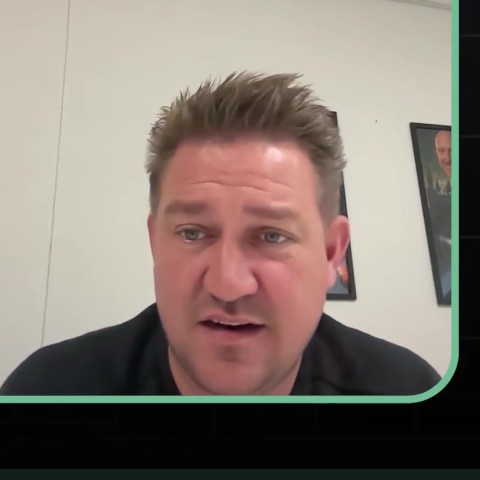 Michiel HuismanCEO
KEY TAKEAWAYS
Design for freedom and moments
Built around all-day brunch, design the venue as a flexible 'moment' not a fixed meal: let guests eat when they want, choose freely, and use small rituals like offering mimosas to nudge a celebratory, leisurely mood.
Design operational service plans
Translate guest journey into strict service plans: set measurable steps like drink delivery within minutes, offer quick tap water on arrival, engineer menu and seating turnover to hit lower average spend targets.
Hire for intrinsic motivation
Prioritize intrinsic motivation over technical skill: hire people who want to connect with guests, invest in training and humane schedules, avoid burning staff out to preserve authentic service and guest loyalty.
We always do things with poached eggs. They should be runny. If they are overpoached we take them back and offer new poached eggs.
Transcript
Click a timecode to watch from that moment.
00:00Introduction and Concept Origin
6
Michel introduces Teds All Day Brunch and the idea of serving moments instead of traditional meals, inspired by his wife's observation of rigid meal times.
Michiel HuismanWe ask our waiting staff to in the morning, in the weekend, when they when they welcome guests, whether they want a cappuccino or even start with the mimosa as a fixed welcome to every guest. Would you like mimosa to start with? And what you then see is then the let's say, out of the 10 people, eight will say no and two will say yes. And before you know it, everybody's on the mimosa because when they see the first table, then the other tab go, oh, that's nice. Oh, let's go for it.
the Future of HospitalityWelcome to the F and B Advantage, part of the future of hospitality podcast. My name is Gabby, and my gay guest today is Michel Heusmann, cofounder of Ted's Allbranch. Together with his wife, he built a concept that doesn't think in breakfast, lunch, or dinner, but in moments. In 10, this idea feels more relevant than ever. Welcome, Michiel.
Michiel HuismanThank you.
the Future of HospitalityNice to be here. So, yeah, I'm I'm really hyped that you're you're you're you have a really entrepreneurial lens, and you build platforms, restaurants, so we can dive into everything. But before we get there, let's be let's start simple. When people meet you for the first time, how do you describe what you spend your time doing?
Michiel HuismanYeah. So we feel that we are still building into a hobby that originated ten years ago, which started really small with one restaurant and which has now grown into a group of restaurants of almost 16 locations open, which we do based on the premise and the idea that my wife had ten years ago, Sona, when she was walking in as a guest in Amsterdam hospitality venues that she noticed that when she would come in at somewhere at 11AM that it wasn't possible to order lunch any yet or at 3PM, the lunch was already gone. People were looking strange if you would if you would want some champagne for your breakfast or some mimosas, but people don't know when who is having their weekend and how your day works and how your day is going.
Michiel HuismanSo she basically came up with the idea, okay, showed we should limit a little bit the the rules that people have or that they they were currently in pray in place. And she felt the best way to describe that was to offer brunch because brunch feels a little bit the in between moment that you can do before lunch or after lunch or home whenever and is a moment on hospitality where you can basically serve a little bit extra and have some nice drinks on the side and really have a nice leisurely moment and not as functional as people do. And that's the that's the philosophy where we are building on, and we hope to have a lot of more location than we currently have.
02:30Growth and Expansion Challenges
3
Discussion on early success, expanding to other cities, and adapting the concept to different local tastes and customer behaviors.
the Future of HospitalityYeah. Super awesome. And I think it's interesting. Like you said, you don't know when people have their weekends or not. But what was the moment when you realized that this all day brunch could be more than just a fun idea? Because now ten years later, it's so big. When did you decide, well, this has a really big potential?
Michiel HuismanI think after the first summer. So when we initially started, it took a little bit of while for people to get acquainted. And then before we knew it, it really started to gain traction. So initially, we were, like, hyped and psyched and really enthusiastic, and then we were like, okay. So we need to figure out if they will still be coming in six months or then if the hype then really goes really fast. Just kept on coming, so then we thought, okay. Let's try whether or not this would work in another city. So we went to Utrecht as our second location, and then we really came across the differences in cities in terms of the acceptance of specific concepts. So people were unaware what French toast was, to name an example. So we noticed, okay. So this is a nice, let's say, entrepreneurial learning that not everything works the way that things work in Amsterdam.
Michiel HuismanAnd then, when there, also, we started to gain more and more traction. We really thought, okay. So there is this really nice target group and target audience of, let's say, mostly females that really want to take time and see other people during the day. Whereas, let's say, masculine side really looks looks each other up, let's say, at five or 6PM when with some beers and. So we are a little bit more I think the masculine side is a little bit more boring. So when we noticed that the second occasion also started to gain traction, but then we were like, okay. So why not one more? And we basically continued to do that.
04:40Creating Unique Guest Experiences
7
Focus on informal atmosphere, authentic staff interactions, and ensuring each location has its own identity while maintaining core values.
Michiel HuismanAnd yeah. So we always basically say, okay. It was a hobby, and then it get got a little bit out of hand. So that's where we are.
the Future of HospitalitySuper interesting. And it's cool, right, that your hobby is your work and that you can just do that every day, I think. For sure. Yeah. What is in that moment when you're, like, building this new concept and going through other cities, like, certain decisions that stayed with you and that, yeah, really helped shape Ted's branch in in the current state?
Michiel HuismanSo I think that for us, actually, crucial is, is the way that, we try to color a little bit outside the line. So that means that we are really informal, and that means that that needs to work in all aspects of yours, let's say, of your service. So Mhmm. In product offering, but also in the way that people communicate with you. So our staffing is absolutely crucial in this. And also, to make sure that everything and every location that you visit has its own identity Mhmm. Rather than being a complete copy of the last one, because then it really becomes that you feel that you are basically being pulled through, let's say, a two structured service plan and which we, of course, have because we offer this whole idea. Okay. What what what would be the perfect guest guest experience?
Michiel HuismanBut we also know that it need that that it's really relevant that people feel comfortable and welcomed and people are, let's say, authentic also in the way that they work with you. So it's really we really look in all aspects that every everybody and everything has a little bit of Ted's vibe. And that goes from the music being a little bit too loud at our locations rather than to then then to be a little bit too soft and all those aspect There's there are a lot of little things.
the Future of HospitalityYeah. But what would you say, like, when someone walks into debt for the first time, what do you hope they feel?
Michiel HuismanWell, I do hope they feel that abundance, I think, is a little bit and really a leisurely feel. So what we are are mission or ideas a little bit, okay, have a little bit feeling of the weekend every day. Mhmm. So the way that we look at it and anticipated when we open the menu, we all we still feel that, okay. So it's difficult to choose between the the the the things that we offer. And there are always things on our menu where you go, like, okay. I think I'm I'm not sure whether or not they're going to like it, but it looks really nice, so let's try it.
Michiel HuismanAnd in terms of the way that we it's always a little bit of bustling feeling in our locations even during the day. So The Netherlands is not really a breakfast country. So what you notice from locations between, let's say, 09:30 up to eleven, it starts to welcome its first round. And then but when you come in for, basically, for what what the Dutchies think of lunch, basically, at noon, half their sandwiches, yeah, then at almost all all locations, you'll see that there's already yeah. We're already in our midst of our second round of get. So there's a lot of things happening. It's always a little bit crowded and crazy.
08:00Menu Design and Operational Flow
24
Balancing a broad, appealing menu with kitchen efficiency and profitability, including the importance of visual appeal and core dish quality.
Michiel HuismanThat's what we really like. That that's what we really like it as an aspect of it because that really is the the way that we feel that really is.
the Future of HospitalityYeah. And how because you're you're saying it's it's sometimes a little bit flat. You already hit your second round, so it is a different operational flow. How do you guys, yeah, optimize this as well-being the chill and the relaxing test that you are?
Michiel HuismanYeah. So for us, so we, are a little bit in between. So you have little bit more the evening side of hospitality basically works with, let's say, average spend that they hope to achieve between, let's say, $50,100 euros. For us, this average spend is lower just due to not the amount of food that you eat, but still the perception of, let's say, also that's the best that lunch is cheaper than dinner. So we strive for an average spend of, let's say, €25 per person Mhmm. Which we then if you look at the amount of chairs that we have, means that we yeah. But at some locations, specifically in the weekend, we have the every every seat is will be filled at least four times because also the amount of luckily, also the amount of guests that want to work or stay and visit us, but also amount of revenue we need to make it all worth worth our while because you just need if your spend is lower, you need more quantity to make it to reach your your your revenue goals.
the Future of HospitalityYeah. That that's totally true. And I'm also interested in, like, how do you do the menu then? Because how you're doing the whole day to day branch. How did you design the menu so it would be optional over like, optimal for the kitchen, but also profitable, but also keep your concepts, yeah, alive in that in that sense.
Michiel HuismanYeah. So the the whole so the good story would be is that we have a really, really scientific approach to this. Short story is that, basically, the menu is devised by whatever should be on the menu. Being the, let's say, the the, let's say, the concept owner of that, she's responsible for, let's say, all the the decorate the decoration of whole locations, the and also the the the creation of all the recipes with of which, of course, we get help from the chefs and people who work with us. But what we so we we we we try to have a broad menu that allows for service throughout the day.
Michiel HuismanBut, of course, also here in the past ten years, there have been sufficient moments that we thought, okay, this would work and then figured out that it really either became too impractical or it was a problem in the yeah. Less of the time that it will take to create something and all those things. Yeah. But it it ended up so if we look now, we're really kind of happy with the the things that we have. We only look to expand a little bit more in the afternoon offerings Mhmm. And to make some a little bit of to make this a little bit into some commercial.
Michiel HuismanWe also just launched our own cookbook last week. So for those who are a little bit interested to see, okay, what what are the rest the recipes of things that they offer, it's available at the all day brunch cookbook at.
the Future of HospitalitySo people wanna know, please go buy the book ever you make it. Or by the way, the our our is our restaurant. Could even Yeah. And I I it's interesting because you started with we're focusing more on the on the female side. More women are are coming in. And I know as a woman, we love to Instagram and make photos of our food and etcetera. Do you also take that? Like, how intentional is the visual side of the dishes when you design a menu?
Michiel HuismanIt is important, but we'd also know so it for us, it's a little bit in between. So at the one hand, yes, it all needs to be Instagramable. But on the other side, it also means us that it still needs to be we don't have, the time to spend ten minutes on each individual plate because then people will start to nag that they need to wait too long for their food. So where others really use up to flowers to decorate their dishes, we don't go that far, but we do feel that everything every dish should look lavendish with so and the basically, my wife says the the soul of each dish is the sauce that you serve it with or in or under.
Michiel HuismanSo the I think we take to heart. We always do things with poached egg. They should be runny, and if we notice that because you cannot see that on the outside when you poach them. But if we see that there's sometimes when you surf on, which is a little bit over poached, then we take them back. We offer new poached eggs because those are things that we really found find yeah. They're in our core values even.
the Future of HospitalityYeah. Yeah. And I love that you're saying core value because when I hear this story of of TEDx and how it started, it's for me, it feels really about freedom. The concept is freedom. And the reason why I'm I'm saying that is what what you said about your wife. She wanted to have lunch. You want to have lunch, play however you want, etcetera. So freedom is something that I really feel. And how important is the idea of freedom in time, life, and choice for guests, you think?
Michiel HuismanWell, I think so. I so I think that the there are, so when we started ten years ago, there weren't that many people doing anything with brunch. So, and then when we were, we were down a few years down the line and, we then back then still had pancakes, but then the pancakes on our menu. And then at some point, everybody was starting to do pancakes, and we felt like, okay. So now the pancakes is starting to become a concept rather than than this concept. So we try to stay so that for us was basically that we said, okay. It's not time to move on and and go on and try something else or something new. Mhmm. We like we try to surprise, and we try to feel that that, basically, it should be welcoming in some such a sense to come at our location if you feel like, okay.
Michiel HuismanThis is not going to be a functional dish, and that's a nice part out of it. Because there's also already there's so much to choose. There are so many restaurants. So we just try to stay a little bit humble and see see that we try to come up with the nice dishes and the nice interior for people to welcome people to come to our place rather than to go to their neighbors. Mhmm. Would you say more is more or less is more in in in in More is more or less is a board. That's the that's one of our it's like everywhere on Yeah. Yeah. So now for really so and for us and some people might find it that, okay, maybe that also might some people find too typical, But we actually do surface trainings where we ask our waiting staff to in the morning, in the weekend, when they when they welcome guests, whether they want a cappuccino or even start with a mimosa as a fixed welcome to every guest, would you like mimosa to start with? And what you then see is then the let's say, out of the 10 people, eight will say no and two will say yes. And before you know it, everybody's on the Mimosa because when they see the first table, then the other tab, oh, that's nice. Oh, let's go for it. Oh, it's a nice day. It's Sunday, or it's nice it's nice weather outside, or we have a weekend off without the kids, or we're about to go shopping, which is nice, or we're celebrating a moment, which is also nice. So we really try to amplify that part of it.
the Future of HospitalityYeah. I love that. Is there something because your guys are doing things really differently in a sense, like, the all day concept, Mimo's asset at 09:00. It is kind of breaking barriers that we currently have traditional. Like, what could traditional restaurants learn from the approach you and that are are doing?
Michiel HuismanSo I think I think that you really start need to look for something that is really what what intrinsically motivates you to to serve. So that is something where you are enthusiastic about. So for me, I could never go and be enthusiastic about whatever the surface of, yeah. Name an example. The a sandwich with, roast beef and whatever because it's just it's Mhmm. Me as something that's basically something that you would give everywhere. But if that's your if you are whatever you are, really enthusiastic about eggs or about croissants or about whatever. So people notice the fact whether or not it's in you're doing it because you have the idea that you read it somewhere as a trend that you need to do it, or that is something that you you feel like, okay. This is this is me.
Michiel HuismanAnd that's basically what we've what we feel and what Sun also really feels in the extension from all the interiors of all and the menu is that it's that's it's the way that we feel is the nicest way. And you're well to have your own opinion, whatever, but we try to do two things. It's a, is to be really have a surface surface side first, so we will never be the we will never make the decision. Okay. We now decide for our guests that we only will do we will we will stop with serving meat, for instance. Mhmm. Yeah. We'll that we want to cater for everyone. So for us, there's hygiene in our menu that we always have a nice some nice vegan dishes. We always have some nice gluten alternatives. We always have well, we all we source source everything as much as possible locally, biologically. We have all our all our meat is halal.
Michiel HuismanFor us, that is the way that we feel, okay. So those are the the rules that you need to live by in modern hospitality. But we do basically advocates, okay. Come here because you should be eating this or you should be drinking that. So we try to be coming and let the people decide and just keep it fun.
the Future of HospitalityYeah. I love that. And do would you say this is maybe a trend, or is it a shift where we see that customers want more freedom instead of more guidance on on the menus in the moments?
Michiel HuismanI think I think partly so. But sometimes I read trends. It's good that you basically read, okay. We're going into smaller dishes and no centric style or whatever. And then then we are surfing shared brunches at that that weekend that I go like a paw. But you don't know. So you don't show for us, it's the same. The I I know from already, let's say, from almost ten years ago, they were that that that we were serving, let's say, French young French girls coming to Amsterdam where I would say, okay. They share a croissant, that that that's a hard much more they will probably will not be able to eat. And they would eat our menu. You would go like but I don't know. Some people so if people skip their breakfast, I don't know whether or not they do intermittent fasting or whatever. Maybe they do one meal a day.
Michiel HuismanWhat to do is from, from our point of view is that if you have the things that with us, it should be that you go like, this was nice.
the Future of HospitalityYeah. Yeah. And like I said, I think freedom is a big word that I'm hearing coming up. It's like freedom about what you eat, but also freedom about when you eat. And I think that's something maybe where where we really see behavioral change with the customers going there. And would you say maybe that based on that, we maybe are breaking the barrier of traditional breakfast and lunch and diner structures?
Michiel HuismanNo. And so I do feel that it becomes so shifts that I do foresee is that dinner really becomes an, let's say, seven, 8PM onwards thing. So early dinner, really, I think, will require a different type of offering than basically real sit down three course meal because Mhmm. If you want price wise, you want to really, I think, have the idea that you then spend an entire evening, and then then the costs are, let's say, in line with the spend of an entire evening rather than just for 1.5 a quick meal. So the and there's a lot more, I think, offering in, let's say, not more functional, but fun, let's say, stuff from burger places, what kind of fast Italian concepts and everything.
Michiel HuismanSo those will take a place for people who want to spend their money still in hospitality, but want to do the the limit, let's say, the the the food part to a to a, let's say, a smaller I specs and then basically have more time of more money for drinks. So I think people are thinking more about the what what where they come to spend it on because of the increase in in price. So Mhmm. Not so everything is getting more expensive, but people are also having more money. So it's so I want to stay away a little bit from that all hospitality is getting too much too expensive.
Michiel HuismanMhmm. Going to be I think that the the the the the, let's say, out of home food offering is increasing so much Yeah. That there is yeah. You're basically now have your, yeah, your, how do you say it, your competition from the goes from, let's say, retailer to to city spa to as out of, let's say, smaller concepts and grab and go concepts and Yes. Concept because as if yeah. So last year, it was the buns. The year before, it was the the the the and we'll we'll see what this year will bring. But I do think that those hype shows continue to come and go.
22:00Scaling and Team Management
13
Process of selecting new locations, building organizational structure, training staff, and maintaining service quality across multiple venues.
Michiel HuismanMhmm. And the that it does really okay to to wherever you want, wherever you are, whenever you feel like it, you can have things that you crave. And that basic so, yeah, works a little bit in in our philosophy as well because that's a little bit the way that we look at food ourselves as well.
the Future of HospitalityYeah. And you're already doing this philosophy for ten years. Your guys are expanding, and you're going to different cities. So that's super cool. But I'm really curious how do you guys do it because you have a a philosophy that's really, really nice, and you want to bring that to different city, different city, different city. What are, like, the processes that you do when you go into a new new city?
Michiel HuismanSo, initially, it starts off with finding a right location. And for us, right location, not necessarily, let's say, the most busy shopping street because we are a little bit more in in eat in than than grab and go. So we have, let's say, list with cities where we want to be. Those need to be 100 k and over in terms of inhabitants. Mhmm. We are looking in that we feel that all the for us relevant target groups, so it should be there should be supporting young people. It should be the so there needs to be either a university or a a. So that that's what we're looking at. And then, yeah, basically, there is a long list of cities where you can then go, and we are now looking into those locations where we feel that we can really find that we can have stopping in order and that we have operational side or and the logistical side set up. Mhmm.
Michiel HuismanSo next month, we will be opening one more location in Amsterdam and a location more in Breda. So where we and both both cities, we already have a test location, so it will be an add on. Okay. But that's not that's not a not a requirement. It's more that we feel that we should have find a location where we think that it has the, let's say, the connection and the feel when you walk into it that you feel like, okay. This is not, let's say, an average location that you can find at tons and places, but it has its own specific fuel and and then it needs to meet all, let's say, more hard requirements in terms of rent, seats, square meters.
Michiel HuismanIt needs to be on the corner. It needs to have a terrace. It needs to yeah. So that's and that's basically, I think, everybody what everybody wants and longs and looks for. And if we go into a new location, so we just we'll we'll just yeah. We'll try out, and we'll we'll talk to influencers, and we'll be we welcome everybody to have an opinion and to post it online. And then, basically, it's judges are out. The judge jury is out, and then you'll see whether or not people like it or not. And luckily, up to now, everybody then likes it and welcomes welcomes it, and then you work from there.
the Future of HospitalityYeah. And what is also already have so many locations. How do you, yeah, keep the team do like, have the restaurants, for example, have, like, systems or habits to make daily operations go smoother for example? Yeah. Yeah. Yeah. For sure. Yeah. So so
Michiel Huismanlast few years, we have been investing a lot in our organizational structure. So every location is location leader and and a number of shift leaders, and there is a regional manager that basically challenges the the the the location leader to make sure that all the processes are being followed. We use a lot of, let's say, digital communication for this as well. Mhmm. It's, let's say, also with small learnings and with small elearnings and a you name it, next to technical support and service trainings on all the locations. Yeah. And then every month or six weeks, we have all the managers come back, and we'll have specific talk topics that we'll discuss with them.
Michiel HuismanMhmm. But also for them to let them inter exchange information amongst themselves as well. So there's a number of things that we that we do and but it all started with, yeah, basically, us writing down, okay, what would be the ultimate guest journey and what so if this is the guest journey, if our guest journey is that we want to have a 11 dish menu where you can, let's say, choose between 12 different types of coffee, and then we create a surface menu where we say, okay. Everybody needs to have a drink within three minutes. Because if there's a group coming in for from eight for eight people and they they, yeah, they choose eight different types of specialty coffee, then that doesn't work for them. The yeah. We don't have a full automatic machine, so it won't be there. It won't be in the table on the table in within minutes. So then it becomes okay.
Michiel HuismanWhenever they sit down, we ask them for their drink for their warm drink or for their drink of choice, but we also need to ask, okay. Do you already want some water? And it means if okay. Can we just have some tap water? We'll say yes because we go we won't we're going, okay. So then you need to wait for your warm drink because we know that it will take a while, and we we want people to feel welcome and have at least something to drink. So everything that you choose has impact on other choices, and we try to have as let's say, a service plan that really works.
Michiel HuismanAnd that means that we are basically challenging this in ourselves every every month to improve because there are also tons of things that go wrong with our locations. Because you work you work with people and you work with Yeah. Food and you work with, yeah, with guests that also are not always the nicest because everybody's always disc everybody's always bitching about stuff. It's part of my French. But it also they also sometimes just have guests that really are either hangry. We always say, okay. This person was probably hangry. Let it go, and next one will get better because it's also yeah. That's just how things go because it's still hospitality.
the Future of HospitalityYeah. Yeah. I know. Sometimes guests can be be like a pain in the ass. Right? You are doing your best, and then they are just criticizing everything. But let's look at the positive guests. For sure. We're talking about the guest journey. I think the guest journey is like, yeah, is like a huge journey, and it gives us some feeling. Right? We know if people are coming in, they're probably touristy, so we give them water, etcetera. Would you say that maybe guests are more loyal to the feeling, the guest journey rather than the menu and the physical product?
Michiel HuismanSo I think and we've been working with, We've been done quite a lot of trainings with this also with, let's say, external counsel. The open, it is really, I think, the the and such an open door that everybody says it is because it's the first smile and the first welcome and that you are welcomed. It's the surprise to have during your stays any bit of a surprise. Can be a talk where you don't expect it. It can be whatever. Let's say, a side of a brownie next to your coffee, which you didn't expect, which can be the way that your food is prepared. So you I think you need to have something that basically triggers the mind that goes like, okay. Hey. This was this was different.
Michiel HuismanAnd then it's the the the way that you say goodbye because if you because if you leave without proper goodbye, then you'll you'll walk out and you still go like, okay. I didn't know what to expect and whatever. And that the and it's hygiene what needs to be on the plate, but it needs to be if you if you're looking into okay. So why would people come back? People will always come back for a smile. But, if they got need to come back for a smile, then they need to be in the area. If you want them to get on the bike or in the car or on a plane or in a train to Mhmm. Then it needs to be something special on the table as well, Something that they feel may not have on another location.
30:00Industry Challenges and Future Outlook
11
The importance of intrinsic motivation in hospitality staff, evolving customer preferences for freedom in dining, and predictions on dining trends and cost impacts.
Michiel HuismanAnd that can be because they it's a really it can be a source. It can be whatever, but it's I think that that is really for us still the the USP should be in the combination. Because if it's just if you have generic food and service, then people will still come back to you whenever they are around, but they won't step in the car, come up, and to have an average whatever dish they can have anywhere else.
the Future of HospitalityYeah. Yeah. No. I I think that's what you you need to have something unique, but also the emotional payoff for the guest needs to be big. Right? The the smile to come back is a really, really important thing. Do you think the industry is maybe focusing on that already, or they should focus maybe more on that?
Michiel HuismanSo the problem is I feel in the industry is that the industry is I think that the main worry that we have as an industry is that there are not sufficient people wanting to work in this industry with an intrinsic motivation to work in this industry. Yeah. So the amount of people that we also so I don't really care about your technical skills, but you need to be intrinsically motivated to work because otherwise, you will not be able to look people in their eye and feel and make a connection and feel and say, hey. How are you doing, and how do you feel about that location? So and if you cannot do that, if that becomes unreal because of the fact that you do it only because you need money or only because you whatever Yeah. Then there's a problem. And I think that the the amount of people who are intrinsically motivated, we we can have discussions that they need to go up even a little bit and earn a little bit still a little bit more or still a little bit less or whatever.
Michiel HuismanIn my opinion, the the the whole problem at this moment in The Netherlands is is there is people who who who will determine for themselves. Hospitality is my career of choice. And I feel that because I've I've I've I've had a number of different type of companies, a lot of tech focus with a lot of developers and things and or technical marketing things and whatever. And I feel, for myself, I think that you can get most out of life if you feel that you make connection with other people and that they are actually happy with. So so we have had people that worked with us where we at some point needed to say, okay. If you prefer to stay behind your laptop and work with our guests as a manager, then you're not a manager that needs to work with us because that nothing really happens within that laptop. It works it happens with your guests on the floor. So that's the so those are things that I think are the the the the the things where we need to not yeah. What we need to focus on is getting more people enthusiastic to work in hostility.
Michiel HuismanAnd if have them, I think you need to yeah. We need to stop make it yeah. Then the difficulty is to how do you keep them, and that means they need to have make the yeah. And specifically the ones for us on those locations that are really busy, yeah, then you really need to yeah. It really can be hardworking. So then if you need to do that four days in a row, then, yeah, afterwards, can understand that you need a break. So don't let those people work six, seven days a week and Yeah. Work them, over the hours that you want them. And we also had these discussions in the past, and we say, okay. Hey. I want to work less days. So can I work full time? But then in three or four days, I can make low if you just see people just going down in terms of their the way that they can connect with their guests. And that, I think, is should be crucial.
the Future of HospitalityYeah. Super interesting, and it's something that is playing in the whole industry, in the hospitality industry, like, those Dutch type like, the the horcathigers, which is a Dutch term for hospitality tigers that really love the job and really go into it and want to work with the people. And I'm really, like, looking and and and curious on how that will change because there is kind of a crisis on on on on that part. And we always close the future of hospitality podcast with question about the future, of course. And my question to you is, what kind of dining experience do you believe will feel outdated in ten years from now? Feel outdated?
the Future of HospitalityYeah. Oh.
Michiel HuismanYeah. So ten years is a long way. Yeah. So you can yes. I just recently was was reading more along that that we are now moving into again the, let's say, the the the Dutch classics with Stamford and whatever. I think that everything is connected to, let's say, a lot of aspects that will happen in that time. So I do feel that if we continue if the meat prices are going to continue to rise as they're doing right now, then I really feel that eating out will have less to do with meat. It will have more to do with, let's say, an another type of thing having the base, making up the base of the dish, so either pasta or pizza or rice or potatoes or whatever.
Michiel HuismanBecause I'd at some point, I feel that you cannot if you go out for dinner, you need to pay €40 for, let's say, a small steak of 180 gram for some price. I think at some point, we'll start to do those things yourself at home. And I don't really see this changing really fast into, let's say, in into other pricing. So I don't see that going down really. Let's go let's let's look at it like that. And I think at some point, there will be less and less really specific specialty store that won't really explode. And that's because of the I think that the setup and start of something also to get towards a point where you know, okay.
Michiel HuismanI feel that we are a little bit settled, and we can handle a little bit of fallback and whatever. That will take that just takes that that that takes a few years. And I feel that there are a lot of examples of nice, let's say, people that come up with nice enthusiastic plans and ideas, but it will become more and more difficult with those increasing costs to to see that as much as you used to see them in the last few years. Let's say it like that a little bit.
the Future of HospitalityI think that are really interesting views on on on the future. I want to thank you so much for sharing your perspective and being so open about, yeah, the moments, running restaurants, about ten year anniversary of tests, which is awesome. I want to say to the listeners at home, if you enjoyed this conversation, make sure to subscribe to the future of hospitality and join our newsletter. That's where we share more insights for people building and running restaurants, hospitality businesses. This was the FB Alt Vantage. Until next time, and keep questioning the way things have been done.