

















From Overtourism to Regional Opportunity
Can sustainable regional tourism development strategies grow tourism without cities losing livability? René van Schie of Metropool Regio Amsterdam explains why quality over quantity, mixed-use hotels and regional attractions work. Hear how museum projects, river cruise redistribution and apartment hotels can spread visitors and protect neighborhoods.
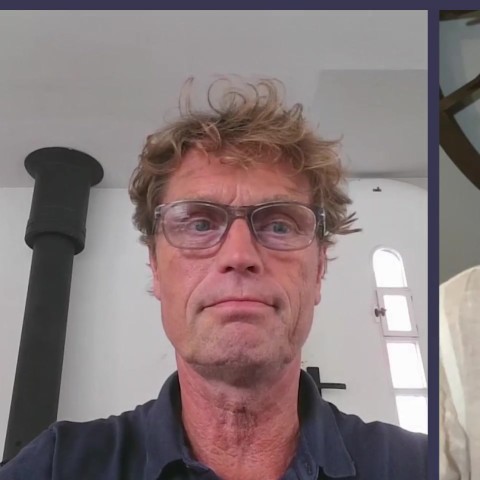 René van SchieDirector of Accommodations & Leisure
KEY TAKEAWAYS
Spread tourism beyond city
Use flagship attractions outside the core to redistribute visitors: fund one high-quality museum or landmark, coordinate region-wide marketing and real estate incentives so tourists choose new destinations.
Prioritize quality not quantity
Stay in the driver's seat with zoning: avoid broad hotel zoning that lets low-quality office conversions proliferate. Approve developments only when concepts demonstrably add local value and resident benefits.
Embed hotels into communities
Design hotels as mixed-use community hubs: preserve artist spaces and public functions, combine hospitality with sports, co-working and cultural uses. This invites locals and evens footfall, boosting local use.
And we believe that with the right products, you could create a new touristic, attractive area, not only for visitors, but also for the people living around those assets.
Transcript
Click a timecode to watch from that moment.
00:00Introduction and Role Overview
7
Host introduces René van Schie and his role managing accommodations and tourism across 30 municipalities in Greater Amsterdam.
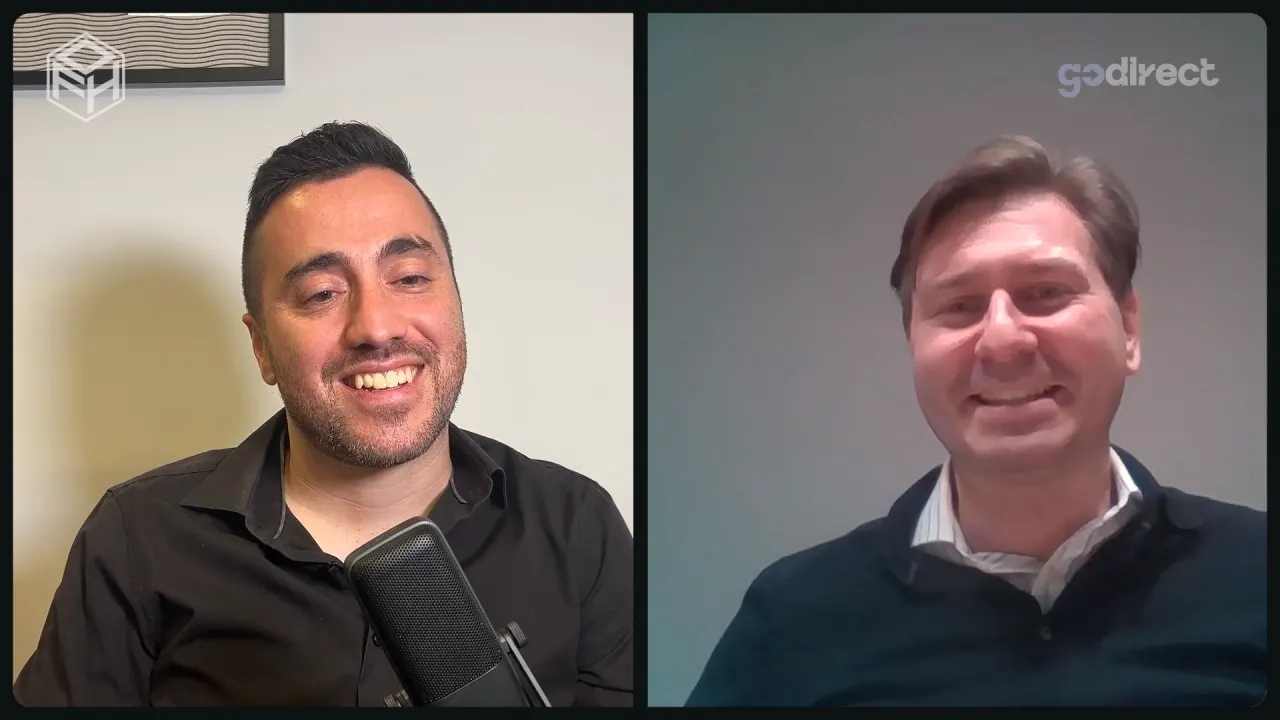
"the Future of HospitalityOkay, three, two, one. Welcome to our podcast, The Future of Hospitality. I'm your host, Arjen Eikelemann. From managing the Vondelpark Youth Hostel in Amsterdam to coordinating hotel and leisure development for 30 municipalities, René Vanschree has lived the full hospitality cycle. Today we'll unpack how we waste tourism benefits versus livability. What hotel stop really means for innovation and later how one policy shift could unlock growth beyond the city core without sacrificing quality of life. All right, René, welcome to our show. Before we dive into it, can you, you're the director accommodations and leisure for the metropolitan region, Amsterdam. That's a very specific title. Can you explain what it actually means in practice?
René Van Schiemuch. Yes, absolutely. Well, the Metropolitan Region Amsterdam is a collaboration of 30 municipalities, two provinces and the Transport Association. And I'm helping those 30 municipalities with developing valuable accommodations and tourist attractions. And our mission is to spread tourism over the region.
the Future of Hospitalityokay. And why is that exactly? Can you pinpoint that?
René Van SchieWell, we see that some locations in our region are facing a lot of pressure, tourist pressure, and are more likely to pause or decline in tourism growth. And some municipalities are very interested in growing and enhancing their touristic profile.
the Future of HospitalityHmm.
René Van SchieSo that's in general a perfect storm for valuable growth, but we need to guide that in the right direction.
the Future of HospitalityRight. What's the most expensive mistake you see developers make in Amsterdam right now?
02:00Tourism Growth and Regional Development
15
Discussion on spreading tourism beyond Amsterdam's city center to reduce pressure and promote quality attractions in surrounding areas.
René Van Schietrying to develop a hotel in Amsterdam at locations where it's totally not possible. That's just a waste of time and a waste of energy and it's better to shift that energy to projects that we can work on together.
the Future of HospitalityRight, so that's your job. If you had 10 million to future-proof Greater Amsterdam, the Greater Amsterdam guest experience, where would it go first?
René Van SchieWell, the first thing I would do is to invest in a great new museum outside of Amsterdam. great new, for instance, art museum, maybe in a new land area or any other high quality tourist attraction to motivate people to visit.
the Future of HospitalityOkay, so outside of the city center, that is where the 10 million will go.
René Van SchieOutside of Amsterdam basically, our region is quite large. It has 30 municipalities, basically ranging from the coast to the middle of the Netherlands. So yeah, outside of the city of Amsterdam.
the Future of HospitalityOkay. Right. What? Yeah, okay, cool. Cool, cool. That's good to know. What in your opinion is the most underrated Dutch shitty for a weekend?
René Van SchieThat would be my investment. Good question. Maybe a city like Leiden where I grew up. It's a beautiful city. It has great canals. It's relatively small and easy to walk and cycle in. It has canals, museums, beautiful architecture. Definitely worth a visit for tourists.
the Future of HospitalityAnd that's part of your jurisdiction, it isn't.
René Van SchieNo, isn't. No, no, no, of course, but we collaborate with all the municipalities in the Netherlands, not only the 30 that we made agreements with. Of course, there's tourist flows to Utrecht, to Rotterdam, to Leiden, to Delft, to Alkmaar. So, yeah, our borders are not strict borders, let's say.
the Future of HospitalityWe just had a huge recurring event. Every five years there is sale. That's a huge event. Can you give us a little resume of how that event, how it was successful in your opinion?
René Van SchieWell, I was not involved in the organization of the event, but I was of course a participant and it was absolutely fantastic. The weather was beautiful. It's a great event where all the tall ships of the world visit the port of Amsterdam every five years. So I think it was a big success. I think for the future it could be really interesting to see if we can enlarge the area of sail to other municipalities as well. It is already larger than just Amsterdam because the sales ships enter in Eimeiden through the big water lock. But it's fantastic event. It makes everybody very happy, I think.
the Future of HospitalityYeah, yeah, yeah. I saw it from a distance. mean, my last time was 40 years ago, so 85. A lot has changed. So that is why my question was, because Amsterdam is a very, very busy place. And which is why you are in the position that you are in. That's why I asked the question, because so many people, how many people did visit the city actually?
René Van SchieFor sale you mean? I think it was around two and a half million, something like that, over a period of four days.
the Future of HospitalityYeah? Two and a half million. Amsterdam doesn't even have 900,000 people residents, right? So that is more than double the people who live in Amsterdam.
René Van SchieYeah. Yeah. Yeah. Yes, divided over four days, but yeah, it's a huge amount.
06:00Hospitality Background and Challenges
23
René shares his hospitality career start and the challenges balancing tourism growth with residents' needs and opposition.
the Future of HospitalityIt's a huge amount. I want to take you to the past. Take us to a moment, maybe a Vondelpark, Jeuchterberg or Hotelloods, when you realized what great hospitality really is.
René Van SchieWell, I think for me a pivotal moment was when I was working for Stay OK, running a large youth hostel in the Vondelpark. And we noticed that there was a huge lack of available beds for our guests. Actually, Stay OK was then, and I guess still is a membership organization. guests had to become a member of the International Youth Hostel Federation before being able to book a bed.
the Future of HospitalityYou
René Van SchieAnd yeah, so we decided to develop a new hostel. It eventually opened up in the east of Amsterdam. And of course, in that period, I was in touch with the municipality a lot for finding a new location. So I think, yeah, from a hospitality perspective, I think it was great that StayOK decided then to actively find a new location.
the Future of HospitalityMmm.
René Van Schiefor the main reason is to welcome more guests. And for me it was of course a pivotal moment because it was my first contact with the municipality and it ended up in becoming the hotel intermediary for the city. yeah, it's a very interesting time.
the Future of HospitalityMm. Hmm. What was the hardest day you've had balancing tourism growth with residents needs and what did you learn from that?
René Van SchieWell, we've had some projects, especially later in the development phase in Amsterdam, where there was a lot of, there were a lot of opponents against certain projects. So we've had some meetings with the inhabitants of the city that were quite tough. So those were hard moments because I come from a hospitality background. in general, of course, my job was also to help. the city districts and the developers. So it's hard of course to experience opposals to projects, but I guess in a lot of respects the inhabitants had a ground to oppose to certain projects.
the Future of HospitalityOf You come from hospitality. Tell us a little bit more about that part.
René Van SchieWell, going far back, I started my first job when I was 15 working as a porter for a five-star hotel in The Hague. That's my first experience. I did that for about five years during the holidays. I went to the hotel school in The Hague and then started working in hospitality. My last hotel job was, as I said, working for Stay OK as a manager of the youth hostel and then... Yeah, I moved up to the municipality.
the Future of HospitalityWonderful. The decision you're most proud of, even if it wasn't popular at first.
René Van SchieOoh, that's a hard one. Yeah, of course, the decisions are made by politicians, not so much by me. So, but I guess if I look back at the hotel policy, the decision that the politicians made to limit the number of hotel rooms first in the city centre and then later in a larger part of of Amsterdam was a quite a good decision. made by the local politicians.
the Future of HospitalityYou initially were hired to increase the beds, right? Can you tell me, walk us through the first years and then all of a sudden you had to reverse that whole mindset. I really want to learn more about it because this is interesting.
René Van SchieYep. I can imagine, yeah, it wasn't all of a sudden, but I started working for the municipality in 2008. There was a huge lack of hotel rooms at that point in the city. Especially conference organizers were complaining that they had to send their guests all the way to Maastricht, which is at the other end of the Netherlands. And there was a big pressure to develop more hotels.
the Future of HospitalityMm-hmm.
René Van SchieWe wanted to grow the inventory by 50 % in nine years. At that point Amsterdam had 18,000 hotel rooms. So the goal was to add 9,000 more hotel rooms in a period of nine years. Slowly, I mean at that point there was only room for 1000 rooms in the city center already. So the city center was already a little bit on the limit and slowly there became more limitations for development first in the city center and later on in the surrounding districts around the city center and later on, I'm talking now about 2015, 2016 in the whole city. So it has been a gradual. process where we started becoming more strict on numbers, but not only on numbers, but also on the concepts, on the quality of the hotels and what they add to the local community. And basically what we are trying to do now is to, we're making basically the same shifts, but now in a larger area. So we are focusing in some municipalities are interested in growth.
the Future of HospitalityMmm.
René Van Schiebut we are focusing on quality as well. So it has been a gradual process based on quality and quantity both.
the Future of HospitalitySo far, how have the locals responded to this move? mean, it's early stage and it's still it's been expanded and expanded. You're speaking about 30 municipalities, cities like Haarlem, Zandvoort, Permevent maybe, Amstelveen. How do people there respond? The locals and the tourists perhaps?
René Van SchieYeah, well, of course, let's not forget that the other 29 municipalities in the region are not newbies in the tourism sector. There's a lot of municipalities, especially at the coastline, Haarlem and of course the Schiphol area that have already large sums of tourists as well. So, yeah, what I notice is that real estate development, any real estate development, but the same goes for accommodations, are quite time consuming processes. So it's really hard to explain to inhabitants what our policy is and then in respect to the practical situation. So for instance, if we have a policy that we say we want to put a brake on developments, people of course expect to see and hear the brake. basically happening the next day, but it takes years and years. So that's quite.
the Future of HospitalityHow many years on an average?
René Van SchieYeah, that's a good question. would say from the first start of an idea to the actual opening party, would say at least 10 years. And if you're really quick, maybe you can do it in six or seven. And if you're really slow, it can take up to 15. So yeah, so that's difficult, of course, to explain.
the Future of Hospitalitymy gosh.
14:00Overtourism and Strategic Solutions
13
Exploration of overtourism effects, pressure points like the Red Light District, and strategies to manage growth without displacing problems.
René Van SchieYeah, in general, I see a lot of support for tourism in a lot of municipalities amongst the inhabitants in general, amongst entrepreneurs in general. But it's our task, of course, to communicate very well how our policies work and how they can benefit the inhabitants as well.
the Future of HospitalityYou And the number of tourists coming to greater Amsterdam, let me call it that, is growing annually by a few percent. How much is it exactly?
René Van SchieYeah, so in general over the years the growth percentage and I'm only talking about overnights of tourists, not day visitors, is mostly around between 2 to 4 percent. Amsterdam has had years that they grew by 5 percent or 6 percent even, also due to the opening of many new hotels of course, but in general I would say around 3 percent on average.
the Future of HospitalityMm-hmm. Mm-hmm. Right. Okay. So overtourism is one of the hottest issues right now in Amsterdam. I hear it all the time. How do you define it and where do you see the pressure points most clearly? I mean, I know it from being an Amsterdam citizen, I live in the city center, so I know exactly where it's busy. What I want to hear that from your point of view.
René Van SchieThat's not only in Amsterdam, we have more locations in the region where overtourism is an issue. Zaans-de-Schans for instance. There's all kinds of effects of course. We see effects for instance in the change of facilities in the neighbourhoods where facilities are more focused on tourists than on the inhabitants. Of course there's an effect on the general busyness on the street.
the Future of HospitalityOf course, yeah.
René Van SchieThat's of course not only caused by overnight tours but by visitors in general and inhabitants as well. see... Yeah, what other effects...
the Future of HospitalityHmm.
René Van SchieYeah, I think those are two major ones. would say just in general, let's say the changing atmosphere in neighborhoods could be facilities, could also be people on the streets, could be the way people use the streets, could be even a time issue where people have different schedules in the day. Of course, a tourist schedule is different than a workers schedule in general. There's all kinds of effects, but in general people of course talk about the direct effects around their house.
the Future of HospitalityYeah. And then what comes to mind again, as me being a city center, the red light district is, I mean, it's so busy. It's incredible. It's just ridiculous how busy it is. How, what is your vision about that?
René Van SchieWell, the red light district is a little bit out of my district because I'm not a city planner. but I know the city of Amsterdam has got a big project running. It's called Ampac Binnenstad, where they have all kinds of measures trying to improve the situation in the red light district. So it's definitely a read and must read for city planners. It's set of multiple actions they're taking to improve the situation.
the Future of HospitalityMm-hmm. Right. So from your point of view, what strategies actually work to relieve overcrowding without simply pushing the problem into new neighborhoods?
René Van SchieWell, our strategy is to, we use, for instance, we have marketing programs for the metropolitan region Amsterdam, marketing programs to help spread tourism. But I'm working on real estate developments. So our strategy for real estate developments is that we try to motivate the markets to develop what we call valuable assets that improve the local touristic profile. And we believe that with the right products, you could create a new touristic, attractive area, not only for visitors, but also for the people living around those assets. So that's our strategy. we have seen in a micro situation already in Amsterdam, for instance, that with new developments, with new hotels and tourist attractions, you can really make neighborhoods much more attractive for everyone. And so on the left.
18:00Successful Projects and Mixed-Use Developments
35
Examples of revitalized neighborhoods like Wibautstraat and innovative hotel concepts blending community spaces and tourism.
the Future of HospitalityCan you give me an example of one of the latest projects like this so I can visualize it, where it was, what did you do and successful, obviously?
René Van SchieYeah. Yeah, of course. I think the Wieboudstraat is a perfect example. The Wieboudstraat, is also known as the Knowledge Mile. So it's a mile long stretch of street in Amsterdam that was in the old days the most ugly street of Amsterdam. was every year won the prize of the most ugly street of Amsterdam.
the Future of HospitalitySeriously, I didn't know that.
René Van SchieYeah, and there's been quite a lot of hotel developments, not only hotel developments, other hotel developments as well that have really lifted up the street. For an example, the social hub with all kinds of different facilities such as a sports center, a theater, working spaces. I know a lot of inhabitants go there to play table tennis, instance, a folks hotel, Citizen Zoku.
the Future of HospitalityOkay.
René Van SchieAll those projects have really helped in this project. And it's also interesting because it's also a road basically into the southeast of Amsterdam, connecting, let's say, the east of Amsterdam with the southeast. And then if you go further down the road, you bump into another set of hotel developments. And then in the end, of course, you bump into the Ajax stadium. So I think the Wibarstraat is a great example.
the Future of HospitalityYeah, yeah, yeah.
René Van SchieAnd as said, only the hotel developments, are many more great developments by the University of Amsterdam and other local initiatives that have really helped lift up the street.
the Future of HospitalitySo that's located in the pipe, the Wibaustraat, right? Yeah. Yeah, that part is quite popular also with people from abroad to go live in Amsterdam. The pipe is a very trendy hotspot. So maybe that's part of this whole development.
René Van SchieYeah, I have the south, yeah, the east part, yeah. Yeah, I think that that's maybe part of it, but it's quite a separate street. It's a four lane, quite busy, heavily car used street also in And it's an important, let's say border, but now it's maybe not so much more as a border, but more like a step over to the next part of Amsterdam, which is the east of Amsterdam.
the Future of HospitalityRight. Right. Okay, that's good to know. What's, no, when politicians push for a hotel stop, you hear that a lot. How do you keep the conversation focused on quality growth rather than just limiting numbers?
René Van SchieWell, if there's a full hotel stop, of course, then it's mostly about numbers. But we have the great opportunity that we see the Amsterdam region as one, I always call it, daily tourism system. So we think that we can make tourists as happy as in Amsterdam anywhere else in the region. So, of course, For us, was great that we could offer the markets and I'm talking about the real estate market, but also the visitor markets, great alternative in the other municipalities. So, yeah, there's absolutely no hotel stop for the metropolitan region. There's only certain municipalities that are trying to limit the number of developments. But yeah, the region is generally open for... for ideas and initiatives.
the Future of HospitalityWhat's one policy idea that sounded good on paper but didn't survive contact with reality?
René Van SchieYeah, that's an interesting question. What policy did we have that didn't really work? Well, I would say there was a policy which was greatly successful but also sometimes unsuccessful. I think in general, especially with accommodation development as a municipality should always try to keep keep focused, not focused, but you should try to stay in the driver's seat. Try to be able always to make a decision at the right time. And in a period where there was a lot of empty office spaces, a lot of office areas have been fully zoned for hotels. So basically any initiative could use this general zoning and start a hotel.
the Future of HospitalityHmm.
René Van SchieIn that respect, have had a lot of success because a lot of empty offices were rebuilt as hotels. But also some of them were of lesser quality. so especially with the zoning, the zoning, course, for municipalities is the main instrument to stay in the driver's seat. I think you should be really careful at what moment you decide.
the Future of HospitalityOkay!
René Van Schieto give the owner of the building or the land the opportunity to build a hotel. in general, you could say the right moment is when you know that the hotel that he or she is gonna build is gonna be of great quality. I'm not talking about star classification or something, but I'm talking about added value to the location.
the Future of HospitalityYeah, and mistake is easily made. That's what I'm hearing. to the location, I get it. Let me go back to Zaanse Schans, you mentioned that, because I've been there, every time we have friends or family over from America, we go to the Zaanse Schans. And indeed, I never thought about it, but there is no hotel. For the listeners and viewers, that's where the windmills are, and it's a beautiful spot. And it can be very busy, indeed. So can you give me...
René Van Schienext
the Future of Hospitalityan idea of what it is they're working on to make it less busy?
René Van SchieWell, the main thing is that they are going to charge an entry fee to the Zaanse Schans, so that's a big step. But there's also a very interesting development in Zaandam which is called Hembrugterrein, which is a former armour factory area. And there some great developments there as well. There will be a great new museum built, ZAMU. a modern art museum developed in a great set of monumental buildings. So that's also going to help, I think, to make Zandam as a municipality attractive in general, not just for Zanschans. And also motivate people to visit different locations in the area when they're there. So I think those two, of course, the first one is going to make a big shift, but the second one is going to help as well.
the Future of HospitalityMmm.
René Van SchieThere's been quite some hotel developments actually in Zaandam. There's some great monumental buildings as well. There's some new developments. Of course, the Intel Hotel with the typical architecture, the Zaandse houses architecture has become famous from an architectural perspective as well. So, yeah, I think there's a great opportunity for Zaandam to... to become a stronger player in the touristic markets from a quality but also maybe from quantity point of view.
the Future of HospitalityYeah, I see. Level it up to higher quality. That's good to know. We talked about sail. I want to build the Brits earlier. It's very busy on the rivers and it's also very busy at the ports in Amsterdam. mean, we're not going to talk about the cruises, but the big cruise ships, but the river cruise boats are moving away. What is the development in that area?
René Van SchieYeah. Amsterdam has decided to limit the number of river cruise boats. Those are boats that travel on the rivers of Europe. I think it's a good example of the collaboration with the different municipalities. Some municipalities have ports as well, such as Huizen, Lelystad, Sanddam. Some boat companies have decided to... partly move to those ports for their stops, for stopovers. And this was done all in great collaboration and discussion between different municipalities, helping each other basically. So that's, I think, a good outcome of this situation. And so we see growth now of number of stops of river cruises in those three municipalities. And it's of course important now also to work on the tourism products in those areas to create more attractions also and more programs for the tourists to do in those areas where they stop. So yeah, of course it's difficult to move a hotel, but a river cruise ship is quite flexible in that way. that's a plus. Yeah, yeah,
the Future of HospitalityYeah, you can go anywhere, especially in Holland with all that water. Can you walk me through or bring me to a time where you positioned a plan, fewer rooms, more public space and how it's performed better?
René Van SchieYeah, well, I think maybe the Fawkes Hotel is a good example. don't know if you know the Fawkes Hotel. It's also coincidentally on the Wiboudstraat. Yeah, so there we had a great discussion with the owner when he came up with the plan and there were some artist spaces already in the building. The building had been empty for quite a while and there were some temporary artist spaces.
the Future of HospitalityYeah.
René Van SchieTogether with the owner that took the initiative, we decided to keep the artist spaces as artist spaces and not to redevelop them in the hotel. So part of the hotel are now artist spaces, you could say artists in residence almost.
the Future of HospitalityMmm.
René Van SchieAnd I think it has been great for the hotel as well. It was also an idea of the owner himself. But I think it has been a great result where you have a great mix of functions. There's people staying in the hotel. There's artists who also do expositions in the hotel. There's great... restaurant facilities, there's a nightclub, there's even a hairdresser in the lobby I think. So it's one of the better examples of mixed use. You just see that if you walk into the hotel you see so many different people using the space. People that are staying in the hotel, inhabitants, people working in the hotel, artists. It's a great mix of functions but especially also a great mix of people.
the Future of HospitalityYeah, yeah. I spoke to a few social hub general managers and that's exactly what I hear from them. It's the same thing. Yeah, yeah, yeah. Great, great. I like that development. Yeah, go ahead.
René Van SchieIt's funny because. No, it's funny because I think those are quite new concepts that were all born in Amsterdam and somehow these new entrepreneurs have this mixed use in their blood or something. They think of this from the beginning. It's absolutely not us telling them to do this, but it's just in their DNA to mix the functions in the building.
the Future of Hospitalityit's a natural development, an organic development. I like that. Other question in a housing first political climate is hotel versus homes zero sum debate or can we design our way out?
31:00Future Outlook: AI, Sustainability, and Guest Experience
14
René's vision for 2030 includes AI-enhanced planning, sustainable travel, seamless bookings, and hotels integrated into local communities.
René Van SchieYeah, I think we can design our way out. Absolutely. There's a very interesting development, I think, in the hotel industry where hotels are now also used not only to welcome tourists, but also to sort of make a bridge between the hotel market and the housing market. And those are, of course, in general, called apartment hotels. But you see now certain apartment hotels also being created for certain target groups. And I think it's a great development. The hotel zoning is actually perfectly fit for those people that are for some reason in an area for only a short period. Either because they have to do a certain job or they have to do part of their studies or they do a traineeship. And I see that the hotel zoning is more and more used for these target groups as well, which I think is also helping the housing market because these people They don't need a house. They don't want the house. They are not even allowed to rent a house because most of time they're here for a shorter period than six months. So then the hotel zoning is really a perfect zoning to use. And of course, we know all the examples you already mentioned, the social hub, but we also have Hotel Janso for instance, we have Zoukou, we have Yees, we have the student experiences who's mainly focusing on international students. So yeah, I don't think the situation is a threat for the hotel, but rather a great opportunity.
the Future of HospitalityYeah, I see that. And whereas there's a challenge, there's always someone who wants to jump in and confront it. AI, we haven't talked about AI or modern technology. Is AI ready to materially improve planning, forecasting and guest opportunities, or are we still in a pilot mode?
René Van SchieYeah, I'm not really a big AI user to be honest, but I can imagine. I mean, in general, we ask and motivate the markets to come up with great concepts, especially for the community and for the guests, of course. And I guess it could you could use AI maybe to help your own creativity in your planning and your concept planning and go maybe beyond borders. to come up with concepts and programs for hotels that are new and innovative. I surely believe AI can help you in that. And of course, from a data perspective, I think it could also help us in trying to predict better. in what kind of hotels we need and also what numbers of rooms we need to facilitate growth, for instance. If we want to facilitate growth, that's always the question. That's more like a political question. So in that respect, think AI could also be a great helper.
the Future of HospitalityGood, so you cannot ignore AI, that's for sure. I have a final question for you. It's 2030. A guest arrives in greater Amsterdam. What's different about how they book, move, sleep and spend?
René Van SchieHow they book. Well, for sure. Yeah, there's a lot of OTAs. Yeah, I think.
the Future of HospitalityThere's a lot of OTAs. Yeah, there's a lot of OTAs, but there's also direct bookings. see it. I want to hear from you.
René Van SchieYeah, think it will probably be more seamless than it is already quite seamless, but I think it will be more seamless than now. will be much more effective and maybe more. mean, for sure, hotels will start to focus even more on direct bookings. So there will probably be new products and facilities for the visitor to get in contact with the hotelier directly, for sure. How they travel, guess more on what is it called? SAP or the sustainable fuel, I guess, will be a big driver of tourism in the next few years. I think one of the big differences will be maybe that the first person they meet in the hotel will be somebody living in the neighborhood instead of another guest.
the Future of HospitalityOkay, that's cute,
René Van Schiebecause I think the hotels will start to integrate more and more into the communities in the next years. So that will be a difference. And then, of course, the room. I don't know how the rooms will change. We've seen a lot of innovations in the last 15 years. Some great new concepts came up. So I'm pretty sure some new... There's a lot of creative people in the hospitality, but also in the real estate industry. So I'm pretty sure there will be new innovative concepts popping up, things that we haven't thought about yet.
the Future of HospitalityAlright. René Afonski, thank you so much for being on our show.
René Van SchieYou're welcome. was a pleasure and thank you for asking me.
the Future of HospitalityYeah. All right. Yeah. We'll see you at some time soon in another setting. So everyone follow us on LinkedIn, Instagram and TikTok and visit futureofhospitality.org for more conversations with the people sharing shaping our cities. Remember great hotels don't just host, sorry, great hotels don't just host guests. They strengthen neighborhoods. And that's exactly what Renee here has been explaining and elaborating on. Thank you, bye bye.
René Van SchieThanks. See you soon.
the Future of HospitalityI'll out.. "