















 EPISODE · 40 MIN
Das Contact Center ist keine Kostenstelle, sondern eine Conversion-Maschine
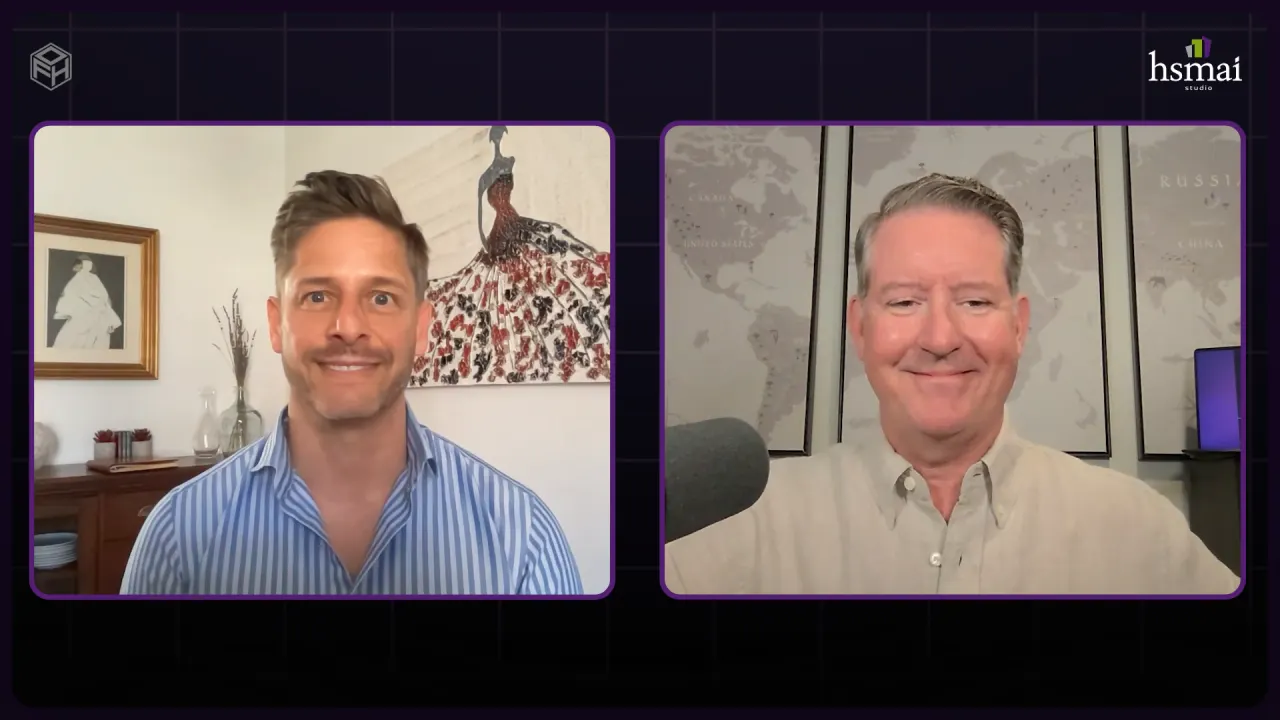
Anita Travis und Megan Becker haben ihre Karrieren damit verbracht, Contact Center in der Hotellerie zu führen, die echten Umsatz treiben, und dabei zuzusehen, wie das kommerzielle Team es trotzdem unterschätzt. In dieser Folge erklären sie, wie man das Contact Center mit dem Revenue Management ausrichtet, Teams aufbaut, die aus Instinkt verkaufen, und Umsatz vor der Anreise erfasst, noch bevor der Gast überhaupt ankommt. Unverzichtbar für kommerzielle Führungskräfte, die das vollständige Bild sehen wollen.
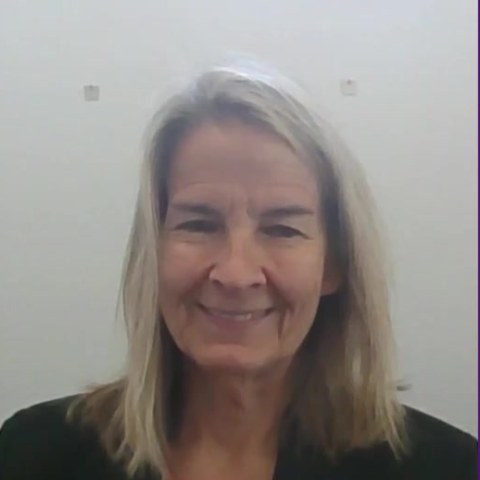 Anita Travis
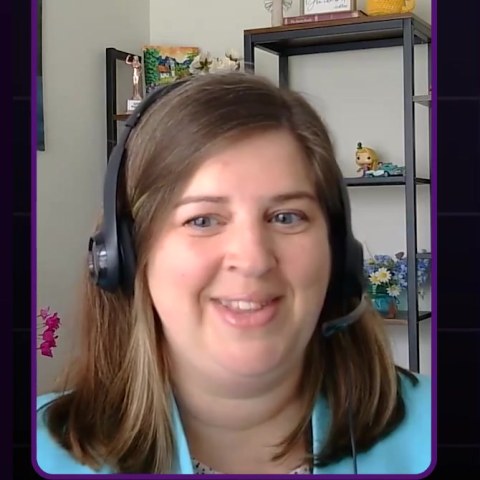 Megan Becker
WICHTIGSTE ERKENNTNISSE
DAS CONTACT CENTER NEU DENKEN
Contact Center sollten nicht länger allein als Gemeinkosten betrachtet werden. Die Folge macht deutlich, dass sie ADR, Zusatzumsatz, Conversion und das Vertrauen der Gäste durch persönliche Gespräche steigern, die digitale Kanäle oft nicht erreichen können.
CONTACT CENTER UND REVENUE-TEAMS AUSRICHTEN
Die stärksten Ergebnisse entstehen, wenn Contact-Center-Leiter und Revenue-Teams sich häufig treffen, die Bedürfnisse der Häuser teilen, Gästefeedback besprechen und Angebote gemeinsam gestalten, sodass die Strategie sowohl Nachfrageziele als auch Gästeabsichten widerspiegelt.
TECHNOLOGIE MIT MENSCHLICHER SICHERHEIT AUSBALANCIEREN
Technologie sollte transaktionale Aufgaben schnell erledigen, aber Menschen bleiben unverzichtbar für Beruhigung, Klarheit und maßgeschneiderte Beratung. Die Zukunft ist nicht Mensch oder Technik allein, sondern die richtige Mischung aus beidem.
Ihr Contact Center ist keine Kostenstelle. Es ist eine Umsatzchance, die sich vor aller Augen verbirgt.
Transkript
Auf eine Zeitmarke klicken, um ab dort zu sehen. Die Aufnahme ist auf Englisch.
00:00Begrüßung und Einführung
2
Der Gastgeber stellt Clare vor und bereitet die Bühne für ein spontanes Gespräch über Gastfreundschaft und Unternehmenswachstum.
the Future of HospitalityContact center's priority within the commercial strategy changed over time. Sometimes it was you know, I would have predicted ten years ago that would be next to nothing in terms of the call volume. Certainly, COVID turned that around dramatically. I mean, that was a huge, huge jump in people just wanting instant information. And even today, I remember, you know, I thought it would be less than 1%. It's still between five and seven, sometimes 10% of revenues coming into the properties. My name is Brian Hicks. I am the president and CEO of HSMAI Global, and this is the HSMAI Studio, our our get go at podcasting. Seems like everybody has to have one day, so we're right there with you. So excited today to welcome Anita Travis and Megan Becker.
the Future of HospitalityOur topic today is contact centers. And the revenue that's produced within contact centers, I think, sometimes goes unnoticed or is looked at as a cost center and not a revenue center by by many people in our industry, so we wanna try to dispel some of those myths today. And I've got two experts in the field joining me this morning, so I'm gonna let them introduce themselves. And I'll start with Anita. Anita, over to you. Quick intro.
01:20Marktlücken erkennen und Unternehmensgründung
13
Clare spricht darüber, den Bedarf an flexiblem Hotelmanagement zu erkennen und wie London Rock Partners entstand, um diese Nische zu füllen.
Speaker 1Yeah. I, again, I'm Anita Travis. I, am part of Outrigger Hospitality Group. I am the vice president of the Global Contact Center, and I am based in Denver.
the Future of HospitalityExcellent.
Speaker 2And Megan. Hi. Megan Becker with Hershey Entertainment and Resorts. I've been in our reservations team for about fourteen years, and we're based in Hershey, Pennsylvania.
the Future of HospitalityExcellent. Well, I I just hear that name when I think of chocolate. So it's, just kinda comes to your comes to your senses, doesn't it? Yes. So we'll we'll we'll get to that a little bit later. Well, great. Well, let's start by just maybe talking a little bit about how contact centers have been viewed historically from your perspective, how have things changed a little bit maybe just in the industry, but also within your organizations. And Anita, why don't we start with you?
Speaker 1Yeah. So you you I I think, Brian, were really accurate earlier when I think traditionally contact centers have been looked at as cost centers because there's obviously a lot of labor involved to servicing customers when you have a lot of human collateral. So I think that's very true. I think that organizations, as they've evolved looking at contact centers, they've looked more at ways that the contact center can complement other channels, like your website, of course, which is such an important part of your brand presence, But certainly involved to, I think, be more of a strategy to complement and not be in competition like with the brand's website.
Speaker 1So I think that's an important evolution that's happened over time.
Speaker 2Excellent. Megan, what's your views? Well, I think it's so interesting because when I first started, I kept hearing people say cost center, and I thought they were mispronouncing call center because I didn't understand this concept of just cost center because I saw that we were able to have such an impact on revenue through creating a guest experience. And we published an article a few years ago with the contact center special interest group about how our agents are able to paint a picture, and they're able to kind of go above and beyond and help someone understand why a different room type is the the right fit for them or a certain package might be the best thing for the purpose of their visit. So I really think, like Anita said, that attitude has shifted a little bit, and we're starting to see the the added benefit of what our agents can bring to the table through those personalized recommendations, ancillary revenue, all those things.
the Future of HospitalityI think it's a great point. When you think about, the brand promises, you both have have great brands. How do you instill that into, your teams to ensure that they are truly delivering on that on that brand promise? Megan, we'll start with you.
Speaker 2It's a great question. A lot of it is just really immersing them in the culture, letting them know, you know, what we stand for as a company and what our our culture is, immersing them in the experience. We wanna make sure that they are really familiar with the properties that we have to own and operate, what that promise is. You know, we have a luxury resort, and then we have another great resort property that tends to be more, you know, convention center, families, that kind of thing, but just really helping them understand what the guest experience will be like and how we have a responsibility to start that experience over the phone. We might be the first or only opportunity a guest has to interact with our properties, especially if that call doesn't go well. So we need to make sure they understand what the promise is so that they can deliver that in advance.
the Future of HospitalityAnd Anita, at at Outrigger, do your agents get to stay in any of the properties? Because if so, I might sign up.
Speaker 1Oh, we do. We actually have a pretty robust training program that includes actual on property site visits. So that's definitely a perk, I think, for our agents. But, I have to echo what Megan said. We really start literally on day one. Do cultural training, which is all around creating the guest experience and how we all work together within Outrigger to deliver on that vision of our mission is to create guests for life. We talk about the importance of that, and then we talk about ways that everyone in their role can do that. Then you've to obviously live that every day. So everything has to be focused on creating that guest experience.
Speaker 1And starting at the beginning of the guest journey, I love what Megan said because our agents do. They get to be part of painting that picture and creating that dream and helping to bring it fruition and having people really thinking about from the time they lock in their reservation until their vacation starts. We like to have it start on that experience on that phone call with the agent, which is great.
the Future of HospitalityWell, that's awesome. That's definitely a perk of working with Outrigger, so that's fantastic. Let's let's talk about just the commercial discipline in general. You know, I spent, you know, probably thirty years in the commercial space, and over time, it was really interesting to see how contact centers' priority within the commercial strategy changed over time. Sometimes it was I would have predicted ten years ago that would be next to nothing in terms of the call volume. Certainly, COVID turned that around dramatically. I mean, that was a huge, huge jump in people just wanting instant information. And even today, I remember, you know, I thought it would be less than 1%. It's still between five and seven, sometimes 10% of revenues coming into the properties. So when you think about the commercial discipline at HSMAI, we started our contact center special interest group a little while ago knowing that it's such a key component.
07:00Führung und Menschen in der Hotellerie
9
Beleuchtet die entscheidende Rolle von Führung, Autonomie und Teamkultur beim Sanieren leistungsschwacher Hotels.
the Future of HospitalityBut talk to me a little bit, Anita, about your integration with let's let's start with revenue management, which is I probably the most closely related department that might be working with you. How do you guys what what is your cadence in terms of interaction with the commercial teams? Yeah, I love that. So for me specifically, my senior leader is
Speaker 1the seed level revenue leader of commercial strategy within Outrigger. So I think that speaks a lot to how our brand sees that alignment because we have a direct reporting relationship. And I'm really fortunate, my senior, all of my upline have either worked in, been responsible for contact centers, they understand the discipline, which is great, and the importance of the call center. And so I think for us, what is really routine for us is that we speak frequently. Like we have a cadence of meeting with key revenue strategy leaders to exchange information. What's needed at the property, whether that's specific rooms, need periods, that kind of thing, as well as sharing insights that we get from the voice of the customer about what's important to them to help shape and create maybe specific packages that really relate to the guests and that the agents can believe in and have no problem articulating to the guests. So communication is really key between those two disciplines, for sure.
the Future of HospitalityAnd Megan, how about for you? Who are your kind of key interactions? I love the streamlined roles and responsibilities there, Anita. How about for you, Megan? Yeah. I think,
Speaker 2again, the the communication between revenue management and contact center is so critical, and it it goes both ways because I think your contact center agents need to understand why minimums exist. Right? Why minimum length of stays exist, that kind of thing. But to Anita's point, and not just for us, but I think more broadly for all contact centers, sharing that kind of line level, feedback, sharing what your agents are hearing from your guests really can help to affect your strategy from revenue management and identify those packages that are important. I and, you know, revenue management can also say, hey. These are the dates where we're struggling.
Speaker 2What can we do from an agent side to to push this? And a contact center might say, well, let's incentivize it and do a little friendly competition within the team. So just that back and forth, there's so much benefit for both sides in contact center and revenue management to be open to listening to, you know, what the other side has to say and, really working as a team to achieve your goals.
the Future of HospitalityLove that. Awesome. Excellent. Well, let's talk about challenges. Certainly, you know, technology plays a huge role. I remember this goes back quite a few years, but I set up a a call center in New York City for our managed hotels. It's quite a quite a piece of quite a quite a lot of technology. But what are some of the other technology challenges, etcetera, that you're kind of faced today? And Anita, we'll start with you.
Speaker 1Yeah. I I think that's a great question. I certainly think integration ongoing with new technologies that are implemented can be a challenge. You wanna make sure all the technology that you have as much as you can can be seamless, especially to the customer. But yeah, I think that would be the biggest, would just be different integrations that come because technology is advancing so quickly. So I would say integrations would probably be the top for me.
the Future of HospitalityAnd Anita, what new technology has been introduced in the last couple of years that's really helping you in terms of whether it be analysis or call diversion? What's been one of the biggest technology advances in the last couple of years? Yeah. So I think for us that we've
Speaker 1actually implemented was we have a tool that actually can listen to and transcribe each of our calls to help give really powerful quality feedback to an agent over a number of calls very quickly versus having to listen to a multitude of calls. You can get a feel for trends that really helps target your coaching, which is awesome. That same tool though can also give you those same analytics across all calls that have given us key business insights that we're able to share with our property stakeholders and give really good insights for strategy, pivoting in different cases in the business, some for disaster recovery when things have occurred that have been really key.
12:00Karriereweg und Übergang zum Unternehmertum
23
Clare teilt ihren Weg in der Hotellerie, den Wechsel vom Angestellten zur Unternehmerin und die Herausforderungen, die volle Verantwortung zu übernehmen.
the Future of HospitalityMegan, how about you for you?
Speaker 2It's a great question. I mean, I think for technology, like Anita said, that integration is always sometimes challenging, but always really important. We just got a new PMS system and making sure that that works and can help our agents move more swiftly through a reservation process and, you know, provide better guest service because your talk time is down, then your wait time is down, and all of those things. So it's just really important to have basic systems that work. And I think, you know, we are not necessarily out there seeking the newest technologies and things like that. We want to make sure that we're using the sort of tried and true methods, but also the things that we know are going to work instead of trying something new that fails, and you have to recover from that. So just having, you know, systems that talk to each other that allow you to kind of maybe pull reservation data into your call system and vice versa, that's been really important to us. And I know a lot of others in our or our group as well as far as the contact center special interest group.
the Future of HospitalityI that's a great point. You know, looking I think we as an industry are are very conservative when it comes to technology technology and and looking for that tried and true. I wanna make sure it's been tested and and does what it says it's supposed to do. I actually used that with some students last week. I was at my alma mater, University of Wisconsin Stout, which is a big hotel school. And, of course, students graduating are a little worried about how AI is gonna take over, you know, all the jobs and everything. I said, you're safe in hospitality. We're so slow to adopt a lot of technology that you've got a long runway here. So I think you you could have picked a lot of other industries that are gonna be impacted long before hospitality.
the Future of HospitalitySo I think it's a great point. But speaking of, you know, students and the kind of next generation of hoteliers, talk to me a little bit about talent because I know there's certainly a lot of opportunities, sometimes massive teams that sometimes in these call centers.
Speaker 1Anita, how are you tackling some of the talent challenges that are out there today? Yeah. We've been really fortunate to have a good pipeline of talent talent here in Denver. I think for us, it's finding talent that's really passionate about hospitality, guest experience, travel, that's really key. And certainly when we're talking with talent, we try to find out about those things of being a passion or an interest for them because we're wanting to make sure that we have the right person, the right fit in the role. But we're always looking, they always say ABC, we're always recruiting. I'm guilty of positioning people who have served me really well, like in a restaurant.
Speaker 1You can tell they have a passion for guest experience or that kind of thing. So I think it's important to be looking for talent constantly. And we've tried to break traditional models. We're not looking just for people who've been in contact center or just hospitality, but it's more talking with them about what are their passions because so many of the things that we do, like the technology, how to make a reservation, we can certainly teach that, but you can't teach that passion around the industry.
the Future of HospitalityMegan, about you? Are most of your agents, there in the Hershey area? Yes. We are all
Speaker 2within about a two hour drive. We're all in Pennsylvania and not too too far from the office. But, yeah, to echo Anita's point, we really look for people who have a passion to serve others. And I've as a hiring manager, I've interviewed a lot of candidates who have been bartenders or teachers or nurses. And one thing that I consistently hear in the interview is, I don't have experience in customer service. And I say, you absolutely do. Because if you are a nurse and you are taking care of someone who is maybe elderly or it's just not a good time in their lives and you can put a smile on their face, you can help them understand something, You can do this job. Like, you have that passion for helping people.
Speaker 2And like Anita said, it's something that you can't teach, and we talk frequently about skill versus will. So you have to have the will to to serve the guests to do the job, and we can teach you everything that you need to know about the system, how to navigate, what the different room types are. But we're really looking for those people who have, like, that passion and that fire who want to help other people.
the Future of HospitalityYeah. It's so true. I mean, that's you know, just that hospitality spirit goes a long way through so many different facets of our industry. When I think about, you know, training and development, you know, I love the new technology where you're able to take, you know, multitude of calls and and provide some feedback. When you're thinking about commercial metrics, whether they be the traditional RevPAR or very specific to call centers, time, etcetera. How much and how do you share that information with your teams to kind of help them understand the, you know, the the the revenue opportunity because in the end, they're driving revenue. Right? And these metrics certainly help them. So Anita, how much do you share? How do you share it? What what's how does that look in in in your organization?
Speaker 1Yeah. That's a great question. So we have very defined KPIs that are in alignment with our business objectives, so revenue and efficiency metrics. And we actually share those weekly. I wish we could do it more often. But combining data from several sources, booking system versus call system, etc, the integration is not there today like I wish that it was, so we combine those and we have automated that over time. But weekly, we give an agent a full outlook of how their production from the previous week was. And then monthly, we give even more robust reporting that goes into a couple dozen metrics per agent that really gives them and their leader, their coach, an outlook of how their performance is trending.
Speaker 1We want to be really transparent. As a company, we are for how we're performing and doing. We also have those metrics at the contact center level. But yeah, at the agent level, we want them to be able to see that daily. Of course, there's call statistics. They can see those to the minute. They can see those within the system. But overall metrics, KPIs once a week at a minimum.
the Future of HospitalityGotcha. Megan, how about you? And I'm assuming it might be similar, but do you put any competition around it? Does that drive any
Speaker 2excitement for the teams? We generally don't put too much competition behind it because our focus is always guest service first more so than the metrics. There might be times where we might need to incentivize a little bit more heavily on, you know, reduce not necessarily reducing handle time, but increasing productivity. And our agents do they each have a coaching manager who will send them weekly updates, monthly wrap ups, quarterly wrap ups, things like that that so that they can really see their numbers specifically, but are all of our agents with the technology that we use can see conversion reports and things like that for the team as a whole and individually.
Speaker 2So sometimes in certain people's heads, they create a little bit of competition and just want to try to be on top there. But we also do have meetings with our, like, phone provider where we can share some of the data and stats with also our revenue management team and talk about things like conversion, revenue per lead call, that kind of information. So we share it with our agents pretty regularly. Again, they can see a lot of it on their own and then also to share that with other teams that would also benefit from that information.
the Future of HospitalitySo I'm curious, Megan, when you start sharing that information with the commercial teams, revenue management, etcetera, I know it was a completely foreign world to me until I was in that in the call center and had all those statistics at my fingertips to share. Do you get the same kind of blank stare sometime from revenue teams when you start talking about some of metrics? If so, not, but if you do, what is that what is sharing those statistics with the wider organization?
Speaker 2Does how does that do you have any challenges in doing that, or is that done on a pretty regular basis? What does that look like within within Hershey? That's a great question. We're fortunate that our revenue management team is so smart, and they love numbers. So they no blank stares, really, when we share this data with them. But, I I definitely could see that there could be challenges. I don't think we've experienced them directly, but there could be challenges when you're trying to share, you know, those details about your average handle time or abandon rates and things like that. Mhmm. Especially if you have you know, we talk about marketing and things like that. If they're trying to push something and you're like, but our abandon rate is already this. Can we hold off on announcing this promotion until this date? Or, you know, if revenue is trying to or sales are trying to, like, go live with something new and marketing is trying to also push something. It's just kind of, again, that communication piece, making sure that all of those different teams are involved in kind of the launch of different promotions for guests and discussing needs and and why things are happening and just making sure that everyone's really clear on, you know, the impact from one team to another. If, you know, you do want to launch something new, what does that do to call volume, abandon rate, guest experience?
Speaker 2But, yeah, just always communication. That's our biggest thing here. We're pretty good at it. We have people that we know we can turn to and have discussions with, and I just really recommend that for everybody out there to communicate between marketing, revenue management, sales, and your contact center.
the Future of HospitalityAnd, Anita, similar on the same topic, what what are some of the expectations the commercial team might have for for your for the revenue coming in, whether it be realistic or unrealistic? What are what are some of those challenges that the commercial teams put forth for you? Sure.
Speaker 1So I I wanna answer that, and I wanna go back just really quickly. Our our agents are very sales driven. So they actually are very competitive. We actually segment our calls. And when you talk about speaking with revenue or commercial strategy leaders, we're very transparent. We publish a very full dashboard of all our KPIs, revenue, different call center metrics. I love to educate people. I love when they have questions about some of the specific contact center metrics. And I love that they are able to connect the dots to understand how they align with a metric they may call something different, but it very much drives the same thing. So for example, we talk about website traffic and that translates to call volume. The trends are very similar, whether traffic be up or down or call volume be up or down. So I think that really helps the communication to share those metrics, and that's really impactful.
Speaker 1And our agents are incentive driven. So we were talking about they're very invested to see those results weekly so that they can see how they're tracking towards their performance goals, which are awesome. But Brian, and I apologize, can you remind me of your visual question? I kinda got caught up in some stuff I wanted to share. No. That was great. Please. That was perfect.
the Future of HospitalityYeah. What are some of the realistic and unrealistic expectations that the commercial teams might have for your team when it comes to driving revenue? Sure.
Speaker 1I think realistic is that we are able to drive a higher ADR. And I think it goes back to telling that story, really truly consulting the guests and trying to understand what experience they're looking for and being able to match the experience that's going to meet their expectations. We consistently drive higher ADR. And I think they're spoiled to that. I think they love that and know that they can count on that from us, which is really good. We're up to the challenge. So we appreciate that. Nothing comes to mind as being unrealistic of what we may be able to drive. I think we have a really good partnership to deliver on what's needed and coming up with a game plan to do that as a commercial strategies team. Nothing comes top of mind that we're being asked for that's unrealistic.
24:30Zukünftige Trends in Hotellerie und Technologie
8
Diskussion darüber, Technologie mit menschlicher Interaktion zu verbinden, um das Gästeerlebnis und die betriebliche Effizienz zu verbessern.
Speaker 1Think that if anything, maybe pushing ADR a little too much in But some typically, we're able have a higher ADR than what's translated on the website, and it's a good relationship.
the Future of HospitalityYeah. That brings up a great point, which is it is that human element. It's selling the experience. You're able to drive a little bit rate because you have time talk about add ons and things like that. It's that human touch element of our business. Megan, how do you look at that in terms of trying to instill that in your team? Or what are some of the big experiences that you've seen the team sell, and and where have you seen some some real positivity there?
Speaker 2It's a great question. I think when we're trying to kind of instill that idea into our team, we ask them frequently to think back on their own experiences as travelers, as diners when they go out to eat, anytime they have to call their credit card company or their insurance company, and think about what they've taken away that's positive. Think about what they've taken away that they never want to experience again as a guest and sort of turn turn that into a little bit of a guiding light for them as they take calls. Right? If even if you're dealing with a frustrating situation, you don't want someone who sounds bored or disinterested or super negative. Like, you want someone who can get you through it. Not necessarily dive into, like, that negative frustration with you, but who will Mhmm. Again, try to be results driven, accomplish the task, all of those things. But we also want them to think about, you know, again, when you're traveling, what has been a really great experience for you? What do you, as a traveler, want to know about a property before you go visit? And I know I just planned a weird family vacation for myself for this year with a lot of moving parts and moving pieces, and it's really important for me to get details about check-in, checkout times, what are the cancellation policies, what are all these details that are going to make a difference to my family? What are my dining options?
Speaker 2Those kinds of things. And put that into your phone calls. Right? Ask the guests what they need, find out what they're looking for, and be able to answer those questions. Even if you're talking to a a family of four, five calls in a row. Every family of four is different. Their kids are different ages. They're looking for different things. Some people really want amusement parks. Some people really want the chocolate experience. Some people are looking just to hang out at the pool. So find out what that guest is looking for and make those personalized recommendations for that particular guest, and don't treat every experience as like a cookie cutter experience.
the Future of HospitalityLove that. Love that. And Anita, I I'm sure the last few months have been a little challenging in terms of the the calls that are coming in and the questions, I'm sure. Right? You have some some, you know, far off destinations that it's not easy to get to. You pretty much have to fly to, I think, almost all of them. Right? How has your team been handling the the just the uncertainty? And, you know, it is. I think it's that, you know, it's that human element that you have to bring to it. How's your team been dealing with it?
Speaker 1Yeah. So I think for us, continuing to stay part of building that dream experience that the guest is looking for, educating guests. In some cases, recently a lot of flooding in Hawaii. A lot of times we're just educating people about the current state of events because the news doesn't always get it right. Depending on the news cycle, it could be really exaggerated to sell clicks or views or whatever that may be. So I think educating people about what their options are, flexibility should it be needed, but continuing to encourage them about traveling to the destination, obviously, because that's the ultimate goal. But ensuring that they do understand what flexibility could be actioned if needed if they need flexibility with their travel plans.
the Future of HospitalityYeah, I'm sure that uncertainty definitely makes people wanna outreach and talk to a human. Right? And just it's that human element. So it's I think it's it's so much more important today than ever before. Let's talk about the future a little bit. How do you see contact centers evolving over the next few years for our industry? I'll start with you, Megan.
Speaker 2I mean, AI is such a big thing, and I think I think previously, the trend was you call and you book everything over the phone, and you didn't even have a website many years ago. And now we're seeing a lot more, like, knowledgeable guests calling in because they have spent time on the website, and they're sort of just confirming information that they've already seen. And I think as AI continues to develop and evolve, you're going to see a lot more people trying to plan entire stays online and maybe just calling with quick questions. But I think you're also going to see people who call in just to confirm that AI didn't hallucinate, and everything that it shared is in fact correct. So I think a big shift is more just kind of helping through the process instead of starting from scratch, if that makes sense. So it's sort of making hamburger helper instead of rolling out your own pasta and combining all your own seasonings. Right? Like, they're giving you these ingredients, and you're just kind of confirming and putting them together. So I do see that sort of as the the future, but I also see I don't know. I for me, personally, I also see that there are people who really are going to start to crave that human interaction more and more because you have generations who are raised on text messages and not calling people on the phone, and I think they are just going to want to talk to someone about their vacation and get those personalized recommendations about what they should do and just kind of hear from a a real person about what would be the perfect visit for them. So I kind of see it sort of going both ways, which maybe means there's not much change at all coming. But, yeah, just evolving as AI continues to grow, but also being there to still provide really in-depth personalized service for people who are looking for that.
31:00Gelernte Lektionen und ehrliche Kundenbeziehungen
15
Clare reflektiert darüber, sich auf beeinflussbare Faktoren zu konzentrieren, Kundenerwartungen mit Transparenz zu steuern, und wertvolle Karrieretipps.
the Future of HospitalityYeah. I think that's a great point. You know, the the line between talking to an AI bot versus a human is getting I mean, those those two are almost on a collision course to each other, and and people are are probably gonna start to you know, to your point, did they get it right? Did they get everything right? Did you know, does it know I have four people? Does it know, you know, I have an allergy or whatever it might be? I mean, there's it's really challenging. So Anita, how about from your side? Where do you see some of the challenge? What do you see for the future?
Speaker 1Yeah. I think that companies are going to continue, brands, continue to find that sweet spot between technology and humans. I think that's going to be critical. And back to even your previous question, Brian, when you're talking about how you consult guests currently when there's so much uncertainty, I think the thing that we can focus on is talking to them about the certainty. So what the experience is going be when they arrive, what they're getting, their room type, their view, those kind of things to make sure that they're making a really informed buying decision. And to Megan's point earlier, to make sure they're squaring away all the details that are going be the perfect fit for them and their traveling party, whether that's their family, it's a honeymoon, if they're doing just a self care getaway, whatever that may be.
Speaker 1I think continuing from a human element to provide that certainty, but certainly leveraging technology to take care of transactional things where guests want to just get that done quickly and seamlessly. So I think that's going be important for the future.
the Future of HospitalityAnd Anita, in terms of senior leaders coming to you and asking, what are the untapped revenue sources within the contact center, or what are the what are the kind of missed opportunities as you kind of think about trying to speak to some of the senior leaders in your organization?
Speaker 1Sure. For revenue opportunities, certainly, we're always looking at how we can maximize ancillary and pre arrival. Getting the stay set up and capturing that revenue in advance is really key. That has been, so that's not a new answer. But I think that continues to be the answer. And then not only looking to drive revenue, but back to the human versus technology piece, I think we have to look at how are we more cost efficiently providing experiences to our guests. So for those transactional experiences, how are we taking care of those in a low cost so we're also taking care of the bottom line from a cost perspective?
Speaker 2Awesome. Same question to you, Megan. I don't know that I really have anything to share to enhance to Anita's answer because I'm in the same boat. You know, I think that when I've traveled before, we've done craft kits for the kids. I would love to add those on in the reservation process. So I think giving your contact center the ability to add on some of those extras, whether it's, you know, pre purchasing meals or activity wristbands if you have a resort that offers those things. Experiences, like, I know if you cruise, you can book your excursions in advance. Like, let your contact center kinda handle some of those bookings and and solidify that revenue in advance. I think that would be really helpful because if it's already booked, you're less likely to cancel. But if it's you know, when you get there, we'll see how we feel. Well, now the cost feels, you know, more realistic.
Speaker 2Now you're taking a lot of extra factors into consideration. You're thinking about the fact that, well, just last week, we had to put new tires on the car. So if you get that revenue in advance, like, it's locked in. So I think the more opportunities that teams can create for their contact centers to do that, I think the more successful everyone will be and the better the guest experience too.
the Future of HospitalityAwesome. Well, I've got one final question and then, kinda get some get some any final closing, thoughts for our audience. You know, one of the most challenging jobs, or parts of a contact center job is is customer complaints and when somebody really gets gets excited. And wonder what your what is your best advice to agents when it comes to trying to deal with challenging or difficult guests? We'll start with you, Anita.
Speaker 1Yeah, I think just really being an effective listener to understand what the rub is or really what the challenge is. So not prescribing or diagnosing what the issue is until you really take an opportunity to listen. Listening, just what is it they say? An of prevention beats a pound of cure. I think really understanding and being able to address what the true concern is versus jumping in to assist when you may not even understand really what the concern is is really important.
Speaker 2And, Mega? Definitely the same listening. We also talk about getting some separation. And, you know, when we were all in person, you would see a lot of us going like this because sometimes you just need that moment of separation from, you know, if a guest is upset, raised voices. We learned at commercial strategy conference last year about kind of fight or flight mode and things like that. And when you are in a situation where, you know, your hackles are raised, I guess, you're not able to really think through the win win situation. So if you can get a little bit of separation and really just have that moment to think through all of your possible solutions, it's really helpful in finding that win win. So, you know, we always talk about just having alternatives kind of ready to go for someone who is able to get exactly what they're looking for, but definitely listening, remaining calm, and trying to seek out that win win as much as humanly possible.
the Future of HospitalityI'd love that. Yeah. That's I mean, like, I think that's that's good. Overall customer service advice, isn't it? It's just creating I love that. Creating that separation at times is just a great way to kind of step away. And I've I've heard agents before say, you know, I'll you're making an excuse, but basically saying, you know what? I'm sorry. I'm gonna have to call you back, you know, saying I need to get some more information or whatever it might be just to create that just to give it a break for a second so you can come back with a a clear mind. So that's great.
the Future of HospitalitySo Anita, any final closing advice for our commercial leaders that are that are tuned in?
Speaker 1Yeah. I guess the last thing I would be is I think the contact center continues to be a vital part of commercial strategy and future forward thinking about orchestration. Like how do we align people, processes, and technology to best serve our guests, I think that really draws brand loyalty. So orchestration should be a huge focus for the future.
Speaker 2Awesome. Megan? She just said it better than I was going to. I was going to say communication, but definitely, you know, integrating all of those different components, your sales, your marketing, your revenue management, and your contact center, and making sure everyone's on that same page. Everyone kind of understands, like I said earlier, impacts of sharing certain things or pushing things at a certain time. But just being aware of everyone's needs will really help to create a better guest experience, and better guest experience drives that brand loyalty as well.
the Future of HospitalityAwesome. Love that. Great advice, and, really enjoyed the conversation. This is I definitely see contact centers as, an overlooked revenue source for for many of the commercial leaders that are out there. Having run a call center for a short period of my career, it was exciting. It was fun. The team members are always the best. Just, for some reason, they just have a great positive attitude about everything that they bring to their work, it comes across on the phone, which is which is just it's, like I said, untapped untapped revenue. So best advice there is is interact with your contact centers and get to know them because, again, I think they're they're a lot of fun. So well, thank you both very much for your time. This was I thought this was a great discussion, and look forward to seeing you at Commercial Strategy Conference and hopefully get some more more tips as you take it away from there. So thank you very much.