















Kostet Sie Ihr UVP Gäste?
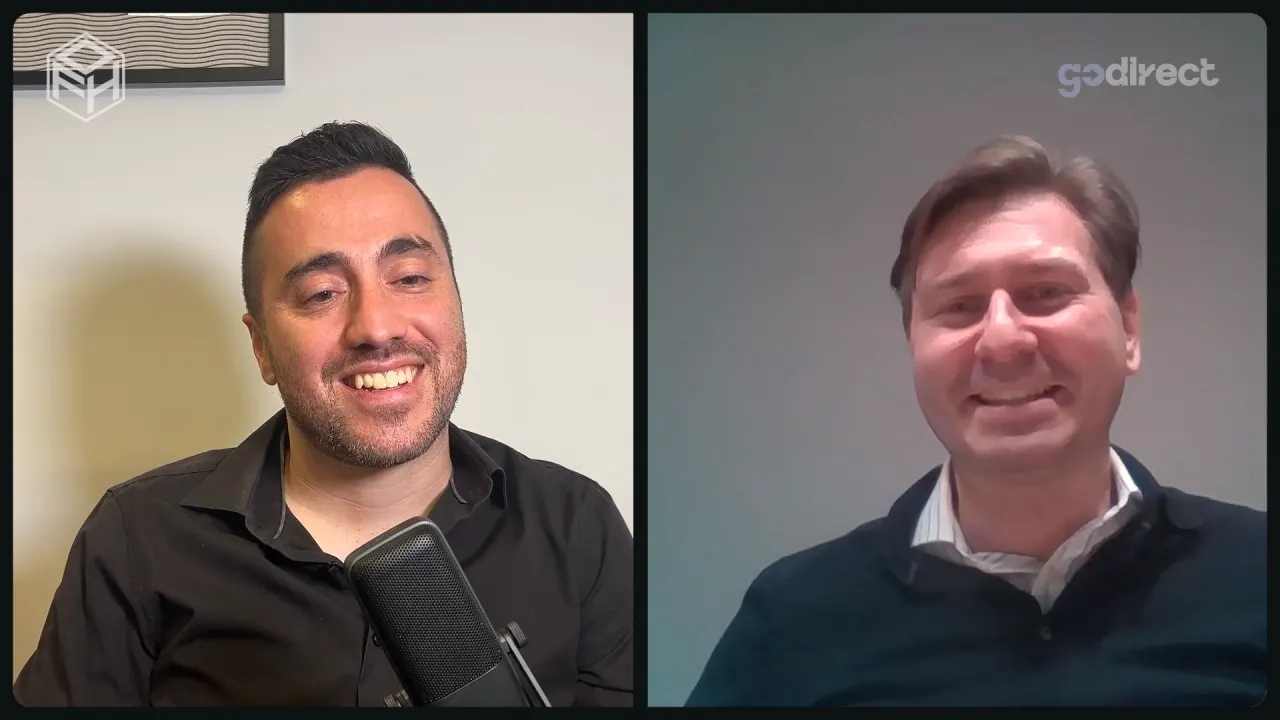
Co-Moderatorin Gaby spricht mit Anu darüber, wie Sie Ihren wahren Markt entdecken und ein klares, einprägsames Alleinstellungsmerkmal entwickeln. Erfahren Sie, wie erlebnisorientiertes Storytelling, Single-Source-Technologie und KI Ihr Resort zu einem Wettbewerbsvorteil machen. Hören Sie rein und überdenken Sie Ihre Hospitality-Strategie.
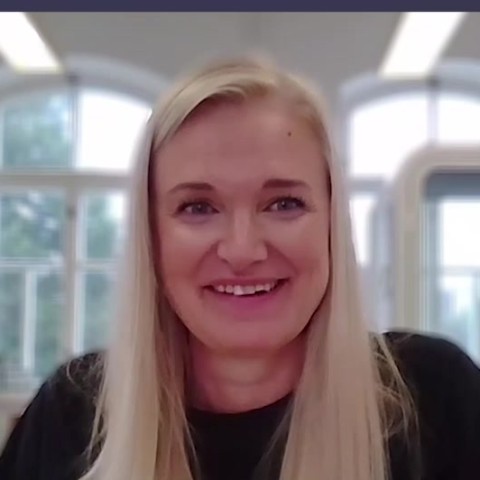 Anu Ala-OutinenFounder & COO
WICHTIGSTE ERKENNTNISSE
Sprechen Sie mit Ihren Kunden
Anu argumentiert, der einfachste Weg, seinen Markt zu kennen, sei das direkte Gespräch mit den Kunden: Fragen Sie, wie sie Sie gefunden haben und was ihnen gefallen hat, und halten Sie dann ein klares Idealkundenprofil schriftlich fest.
Ein UVP ist ein Entscheidungswerkzeug
Ein starkes Alleinstellungsmerkmal sollte klar, relevant und einprägsam sein. Anu definiert Klarheit so, dass sie Ihnen hilft, schneller bessere Entscheidungen zu treffen. Gelingt das nicht, ist es lediglich ein Slogan.
Über das Erlebnis konkurrieren, nicht über den Preis
Der Wettbewerb allein über den Preis ist ein Wettlauf nach unten ohne jede Loyalität. Anu nennt Harry Neewa, dessen Erlebnispakete den durchschnittlichen Aufenthalt in Lappland von einem bis drei Tagen auf fünf bis sieben verlängerten.
Allein über den Preis entsteht niemals Loyalität.
Transkript
Auf eine Zeitmarke klicken, um ab dort zu sehen. Die Aufnahme ist auf Englisch.
0:00Anu und Mooder vorgestellt
4
Anu Ala-OutinenIf your unique value proposition doesn't help you make better decisions faster Mhmm. Then it's maybe just a slogan instead of, you know, unique value proposition.
the Future of HospitalityWelcome to the future of hospitality podcast. I'm your cohost, Gabi. And today, we're joined by Anu, cofounder of Mooder App, the experience driven management platform built for hotels and resorts. Anu went from a petition lawyer to a travel tech entrepreneur, and she's obsessed with market clarity. And today, she will tell us how to know if we have a clear, unique value proposition. So, Anu, welcome.
Anu Ala-OutinenThank you.
the Future of HospitalityWhat is the first action a travel entrepreneur should take to truly know their market rather than guess?
0:51Den eigenen Markt durch Zuhören kennen
4
Anu Ala-OutinenWell, you know, I mean, you can conduct market studies and pay a lot of money for it, or I think the easy way out is simple, simple. You just talk to your customers. It's as easy as that. You talk to them. You actually listen to them. You ask them how they found you, what they, liked, what they don't like. And if you're really good at it, you actually find out where they might have gone instead. And so, if you can then write all that down and describe your ideal customer, then voila, you you have your market.
the Future of HospitalityIt is kind of simple if you say it's like that. Right? Just have a conversation with with the people that are coming and that you want to target. Why are people not doing that?
Anu Ala-OutinenThat is actually a question. We actually do that quite a lot. We talk to our customers. We talk to the, like, the nice ones. We talk to the difficult ones. And then we sort of try to figure out what is what is making them happy with motor, why they are probably are not happy. And then we try to figure out a solution. They usually think they know the solution, but we think we know better. So far, so good. It's it's working quite nicely. So but I don't know. I mean, you think that people in hospitality industry, they they are social, so so they should use that superpower that they have.
the Future of HospitalityBut they're just not using or maybe they don't know. Right? They're just thinking that they can go go off their own gut. Talking about guts, let's do a quick fire. I will give you two options or a quick question, and you try to answer it, yeah, like quick fire. Are you ready? Hopefully. A boutique resort or a big brand for Mutter?
2:30Schnellfragerunde
9
Anu Ala-OutinenOh, boutique. I I love storytelling and individuality every time.
the Future of HospitalityK. What's one travel buzzword you would like to ban?
Anu Ala-OutinenCaucasian. It's just, you know, wrong on so many levels.
the Future of HospitalityWhat is a nonnegotiable in a guest room?
Anu Ala-OutinenCleanliness.
the Future of HospitalityYeah. I I would agree with that. It's it's the foundation. Right? Yeah. True. Best season to fish visit Finland?
Anu Ala-OutinenI'd say all, but spring. I mean, if people come here for snow, right, and they want to see that. But if you come here in the middle of winter, it's just mega dark. So maybe the spring sort of nice, sunny day in the Lapland. So it might be nice. That's my favorite season anyway. Oh,
the Future of Hospitalityyeah. I I think also this spring would be really nice in Finland. Okay. The last one. What is the favorite customer quote that you got?
Anu Ala-OutinenOh, this is, probably from early on, but I think it's still true. A customer once said that if you know how to read, you know how to use mortar. And I think it's like it says it all. I probably the best one.
4:04Das Problem im Tech-Stack erkennen
7
the Future of HospitalityYeah. I think that's so interesting that they say that. Right? Because they yeah. Resort and hotel managers now use a lot of tools. And if you can read, you can use which is nice. Can you tell me about the moment you spotted the problem of, yeah, resort managers and hotel managers having a lot of tools? And why did you or the Mutter team say, okay. I want to solve that problem?
Anu Ala-OutinenWell, it actually started with, personal frustration. My husband, is the cofounder and our CEO, is actually a third generation resort manager resort owner. And then, well, he was struggling with the issue of a tech stack, and he figured out that what need there needs to be something easier to manage my accommodation and my activities and food and beverage and stuff. And he didn't find one. And so then he called several colleagues or other other resort owners and asked them, well, how are you dealing with this? And they all have the same issue that, well, there isn't a good like, one solution that cuts it all.
Anu Ala-OutinenAnd so while he he's an engineer by by education, and he was like, yeah. Well, you know, it this it's not that hard just to build a modern tool. And so that's how it sort of started. We actually did up, like, a mini market study just to understand if this really is a thing or not. And then, well, you know, after he came up with the idea that we should build our own system, then me being a lawyer, and having focused I I'm not a strategy nerd. I love studying strategies and why why businesses do what they do. And I'm like, okay. So there's a loop in the markets. I want to be I want to see if we can make this big. So that's how sort of the team started originally.
the Future of HospitalityYes. So combining the value proposition that you have to the resort and hotel managers and being an an an lawyer, what is yeah. Would you say, the real competitor is maybe a messy tech stack, or would it be maybe the neighboring hotel
Anu Ala-Outinenor both? For for?
the Future of HospitalityNo. For the for the hotel resorts. What so is the real competitor or is the real competitor of the messy tech stack?
Anu Ala-OutinenWell, for Oh, yeah. Probably because, you know, if you're running a resort, it's never you can't run it on a regular PMS. So most of our customers, if they are switching for another system, they're actually switching a tech stack to motor. So they're giving up something between two to five systems to switch to motor.
6:31Vom Juristen zum Tech-Gründer
4
the Future of HospitalityYeah. And, yeah, you already said, you went from a competition lawyer to, yeah, travel tech founder right now. How was that step? Well,
Anu Ala-OutinenI think it was multifaceted. It has it's sort of easy because I actually in addition to being a competition lawyer, I did litigation, so which is basically just running big processes. So being a COO is more or less the same thing. It just it never ends. It always continues. But, at the same time, I think, like, from a female perspective, tech scene is a lot more, how should I put it, less inclusive than the legal field. So I found myself being the only woman in the room Yeah. Far too many times, I think.
the Future of HospitalityYeah. Yeah. I can understand. I have the same thing. So I think we, women, invading this space is a really good thing. Right? Having our our opinions about it. And I think that's also really cool what you did because you wrote a playbook for travel entrepreneurs on how an idea is not only the thing that builds a company, but rather also the 100 hard choices you need to make. What should we really if we read your playbook, what's the most important thing that you want to give to the travel entrepreneurs?
Anu Ala-OutinenI think it's well, first of all, I think you need to have a strategy whether it it doesn't need to be a big book of strategies, but you need to know, like, who are you building to and why, hopefully, and then follow your personal values. And that's that's, like, the easy part. Sort of create that. What is the your value proposition that you're bringing to your customers? Why are you building your system? Mhmm. And that's sort of
8:15Der Werte wegen aussteigen
7
the Future of Hospitalitythat in a nutshell, I think. Yeah. And I think it's interesting that you say values because I know is really big on values, and it's really important. Is there was there a time when you walked away from a decision to protect your company values, and and what happened?
Anu Ala-OutinenWell, the biggest one that we were in, early on in Motor, we had this, potential customer that would have been a large chain. So we basically would have gotten 50 customers with one deal, and we were negotiating. At some point, we realized that, the the founders or the owners of the of said potential customer had very, very different values from us. Yeah. And then, we just said that this is a no go. Like, it's it's not gonna happen. And when we explained them that, you know, we're we're running a values based business here, and they were very surprised. Actually, I said that, you know, business is business and values is values.
Anu Ala-OutinenAnd, you know, case and point, it's not gonna happen. We're not gonna under ever. And, I think the best thing that actually came out of it is that when we told our, our employees what happened, and they were like, oh, that is so cool. Like, I've never worked in a place where actually values matter a lot. So, I mean Mhmm. I feel better. I sleep better. I don't think I would have after that sleep.
the Future of HospitalityIt I think that's such a cool story because I do think a lot of companies often do what what the company said. Right? Business business and values are values. But I think it's really interesting that I think we are also heading to a time where values are becoming more and more important. And how do values and, yeah, unique value propositions align together? Is there a kind of relationship between those things?
Anu Ala-OutinenWell, I think they should.
the Future of HospitalityYeah.
Anu Ala-OutinenLike, how should I put it? Like, if you think about what what's your unique value proposition, it's usually defined as you you should have it. It should be clear. It should be relevant, and it should be memorable. Driven management by For me, how I see clear, or the clarity part is that it's something that helps you make better decisions. Clarity. If your unique value proposition doesn't help you make better decisions faster, then it's maybe just a slogan instead of, you know, unique value proposition. If you, tell it to your customer and they don't care Mhmm. Well, then you're probably either building the wrong team or trying to sort of convince the wrong customer pool.
10:41Was ein UVP wirksam macht
6
Anu Ala-OutinenMhmm. And then finally, the memorability, I think, is, like, much it's an easy one. It's like if you remove your name from from that sort of proposition, no one would know whether it's the chain hotel next door or your place, then it's not really a memorable one, is it? No. It's true. All of that should come by in a
the Future of Hospitalitypretty clear sort of, route where to head to. Yeah. And and let's say if a hotel or resort has that crystal clear UVP, right, how do they do they bring that over to their product, to their team training, to the guest touch points that they have?
Anu Ala-OutinenWell, let's assume like, I think examples. I love examples. Let's assume that you are a family friend friendly resort, for example. Then presumably, you would like children. You may have a playground. You should probably have some sort of high chair in your you know, like, you think what children need, and then what do parents who have children need when they come to to a vacation. And it's just it should be everywhere. Yeah. Or if you are proposing a, luxury resort, then probably community isn't that important. They're probably looking forward to a place where they can be just, you know, in their own luxury piece instead of building a community. So they're sort of, know your customer. Ideally, maybe you might have been the customer yourself.
Anu Ala-OutinenMhmm. So if you're trying to build a luxury resort, but you never traveled anywhere apart from hostels, then you might be in a a bit of a pickle. Yeah. But it's thinking how you would what you would need if you were in their shoes, I think.
the Future of HospitalityDid I answer your question? Yeah. Yeah. Of course. Yeah. And I I think what you're saying is, like, the message of your value proposition needs to be every. Right? It needs to breathe and breathe out in the whole property, but also in the guest journey. And and I think one of I think I know that's one of the things of is mobile apps guest mobile apps, which you also say it's important to incorporate that that value proposition within that app so that people are constantly told the story of your value proposition.
Anu Ala-OutinenYeah. Yeah. Absolutely. Because, you know, if you work in a resort, it's quite different from working in a hot in just a traditional hotel. Mhmm. You're very likely not sitting on your desktop. Instead, you are, you know, browsing the property, and you're moving from one building to another. And then you actually need to work using your your mobile. It needs to be fast and working.
14:06Warum der Preis allein scheitert
5
the Future of HospitalityYeah. And I I of course, we are also, like, in in an economic world. So economics are also helping businesses or not helping businesses. How do you prevent your UVP from slipping into price competition under pressure?
Anu Ala-OutinenOne of my favorite subjects is like, oh, well, you know, obviously, pricing is important, but the competing on price alone is always a race to the bottom. Like, it's the economic principle one on one or whatever. There will you will never build loyalty on price alone. Even if you're a budget hotel or you're a hostel or whatever, there will always be another hostel or or whatever that has, like, a more efficient procurement team, whereas then they can push the price lower. Mhmm. And if you're only competing on price, then, well, your customers are probably price sensitive, and then they will leave. Whereas even if you're that budget hotel, well, then you can compete on the community or on cleanliness or on location or whatever it is and be budget friendly. So Yeah. You know, it's for the price alone.
the Future of HospitalityIf I I'm hearing this correct yeah. Are we, like, going to an experience led economy so where experience are the differentiator instead of the price?
Anu Ala-OutinenWell, that's what we think, and we're betting on that. I mean, we think, that, like, people don't travel to sleep. They travel to experience. They may travel to be in an Instagrammable place or maybe TikTokable or what what you wanna call it. But, regardless, they are looking for experiences. Yeah. And then it's not just the bed or the cheapness, but sort of the entire package that you get
the Future of Hospitalitywhen you travel. That's what we think, at least. Yeah. I I agree. I think we're we're changing travel instead of where am I going to why I'm going to that place. Right? So I think storytelling, the UVP should be experience led and should be, from the beginning, understandable. If I want to go to a luxurious hotel, there needs to be different images, different storytelling than, for example, going to an budget hostel where I just want to see museums. So I I really understand that. Can you share a recent example where experience led packaging and and messaging became the clear differentiator for one of your case studies?
16:32Harry Neewa Erlebnispakete
24
Anu Ala-OutinenYeah. Absolutely. We have been working with Hariniwa. That's one of the biggest resorts in the Finnish Lapland and probably one of the biggest in The Nordics. It's a it's a large safari resort, or, actually, it's three resorts. It's family owned. Mhmm. Very early on, they decided that they would not be just offering accommodation. And then in addition, you you know, we have these activities. Instead, they started building these experience back packages. Mhmm. And they've been one of the first. And, you know, in Lapland, the general or the average length of stay is somewhere between one and three days. Mhmm. Whereas at Harigniva, it's between five and seven days. So people stay a lot longer. They travel there for the huskies, for the, for the reindeers, and for the northern light safaris.
Anu Ala-OutinenYeah. So when they they spend, give or take, a week there, maybe a bit less, but they experience the entire magic of Lapland at the same time. So that's sort of their their UVP, and it's working quite well.
the Future of HospitalityAnd how did you incorporate that UVP, for example, in the booking process or the management process?
Anu Ala-OutinenWell, in general, they, like, previously, how they came in to touch with Motor is that they were running the business on a tech stack. And what it led to was that they they they weren't able to sell the packages, as easy, but also that they had several people who were there just to manage sort of the the whole system to make sure that all the data was there where you need it so that people knew where to go to and at what time and so forth. And, for that past two years, we've been sort of, interviewing them to understand the entirety of the complex reserve business Mhmm. And then providing them solutions, with mortar.
Anu Ala-OutinenAnd so now they finally have this one solution that enables them to provide good service to their customers instead of, you know, just serving the tech lords.
the Future of HospitalityI think it's interesting. You say, like, all the data in in one. Right? So you will have kind of a single source of truth.
Anu Ala-OutinenYep. Sort of. Yeah. Is that achievable?
the Future of HospitalityOr how how do you see that? Well,
Anu Ala-Outinenmotor works. So yeah. Yeah. Obviously, like, if you wanna go do, like, very in-depth revenue management, there are better tools than motor. But, in general, like, you we have all the hospitality products in one system. So Mhmm. You can sell, you can operate, you but you also get to analyze your data with motor. So that sort of makes you better decisions. You know how your staffing works and so forth.
the Future of HospitalityYeah. And and would you say that having everything, like, in a single source of truth could be, like, a competitive advantage for your property? Absolutely.
Anu Ala-OutinenAbsolutely. Because it currently, already, it helps them to, like, see the big picture, but then you slap in AI and you have magic coming out. I mean, like, AI is gonna make, like, amplify revenue. Obviously, it's gonna make everything faster and easier and, like, more efficient. But when you have it in a single system, then that's where the true magic happens, I think.
the Future of HospitalityYeah. Because AI can actually help, like, auto suggest, demand based, even dynamic swaps. When the weather change, for example, like, Lapland, maybe it's rains one day, then it snows, so then you have different activities. What are you the most excited about with with this AI hype trend that's coming up?
Anu Ala-OutinenWell, I mean, like, I think, currently, AI is mostly used for pricing in hospitality business, but, like, if you only like, if you have a tech stack, then I'm not, like, tech expert. But to my understanding, how AI works is, like, currently, you have one AI that can look at your, like, your PMS or your accommodation. But then if you also offer other hospitality products like like, food and beverage or, activities, then the same same AI has very limited view on that. So sort of then you can optimize your price on the accommodation, but not your price on the on the rest of the hospitality products. Whereas when you have all that in one system, then more with AI could optimize the entire package.
Anu Ala-OutinenSo, basically, you could sell your accommodation a lot cheaper because you know that they will be buying all these activities, and then that's where you get the money back or the revenue. So it's kind of and then slapping all the staffing thing, that's a very big issue in hospitality. Like, you will have the right amount of staff every time. And if they're just, you know, rolling their thumbs, then you, AI, will push, more products to your customers to get full full, Safaris. So
the Future of HospitalityI think that's so interesting, and I'm really excited about the future. We talked about UVPs being a really important differentiator for your property. We talked about having a single source of truth. One thing that's also hot and happening right now is sustainability. Right? Everybody wants to be sustainable. Everybody wants to also promote that to their guests. And would you say sustainability is a profit diver or something that is just an hygiene factor? So is it something nice to have or a must have for a property?
Anu Ala-OutinenWell, I think nowadays, it's a must have. But, Hawk Hill Resort, which is about forty five minutes from Helsinki, is also a family run resort, and they made this decision early on about almost ten years ago now Mhmm. To use the whole business into climate work. And so what they did is that they made that sustainability strategy to sort of surpass the entire, business. So they changed to e cars. They changed to sustainable energy. They started building with materials that last for a hundred years instead of a little less. They, obviously, they are doing these tours to pluck out invasive species that don't belong in our, nature here, and and then all the basic stuff, obviously, as well. And that was at the time when sustainability was really just a buzzword.
Anu Ala-OutinenAnd people said to them, you know, it's just it will just cost you money, but it will bring you nothing. Well, they proved everyone wrong. What happened is that they actually became known for that sustainability edge. They were speakers pretty much everywhere, and that actually gave them the hype that they started getting more money because the customers were coming to them because they knew that this was a place that was actually sustainable. So that was really, really cool.
the Future of HospitalityI think it's interesting because then they make the right market selection at the beginning. Right? They they bet on the right horse. Is there one mistake you see repeatedly in properties make selecting their markets, and how can they fix that?
Anu Ala-OutinenWell, one one thing is that if you don't know your customer base, like, easy solution like, example is that you you want to build to a luxury customer base, but you don't know how they work. You're not yourself personally that that demographic. Yeah. It means that you will need to learn a lot how they travel, what they expect. And if you don't do the work, well, it's not there's gonna be a mismatch. People just won't come. Mhmm. The same goes, I think, for anything, really. If you don't know how your customer base thinks, then, well, then you need either need to learn or you will lose.
the Future of HospitalityYeah. So, actually, like, it all starts with knowing your customer. Right? Knowing where you could take, what your market is, what your u v p is, and make that u v p clear, memorable. What was the third thing? Clear, memorable, and Relevant. Relevant. Yeah. Those three things are important. And when you have that, try to have, like, a single truth, optimize your operations, make it more dynamic, and and personalize, and maybe AI will help that.
Anu Ala-OutinenI've And probably constantly monitor that market and, like, pivot your strategy and move forward, and it's a never ending story. But, yeah, essentially.
the Future of HospitalitySo we're called, of course, the future of hospitality podcast. So I my last question is, of course, about the future. What will surprise hospitality entrepreneurs most about the next five years, and what will never change?
Anu Ala-OutinenInteresting. I don't know. I think at the end of the day, I mean, AI is a buzzword, but I think how much it will change the business will surprise everyone. Everyone, like, efficient and, how much everything will change. Like, I mean, if we assume that people are traveling for experiences, then AI will make those experiences possible for many travelers, but they will also help you to manage that a lot more complex, sort of customer, wishes that are coming. Mhmm. And if you skip that train, then you will be lost. However, what I think will never change is the human interaction. Yeah. The need for sort of to talk with your customers and not just through AI.
the Future of HospitalityYeah. Yeah. Yeah. So that human touch will be important in, like, knowing your customer, also giving your customer kind of experience. Right? Anu, I want to thank you so much for this brief into UVPs, how your competition you can beat your competition, but also the the case studies you talked about with Mutter. I I I love them. So thank you so much. Thanks. And that's it for this episode with Anu. Follow us on LinkedIn, YouTube, Instagram, and visit our website to explore more conversations with industry leaders like Anu. The future of hospitality isn't a destination. It's a journey we're shaping together. Thank you.