
















 EPISODE · 30 MIN
Wie Beaumier Luxushotels neu definiert
Billy Skelli-Cohen von Beaumier zeigt, wie gästezentriertes Design für Luxushotels wirkt und warum Freiheit für Gäste, schlichter Luxus und befähigte Mitarbeitende Hotels wie ein Zuhause wirken lassen. Er teilt gästezentriertes Design, Storytelling und praxisnahe Schulungen, die den Service menschlich und authentisch halten. Ein Muss für Hotelièren und Reisende, die unkomplizierte, von Menschen getragene Gastfreundschaft suchen.
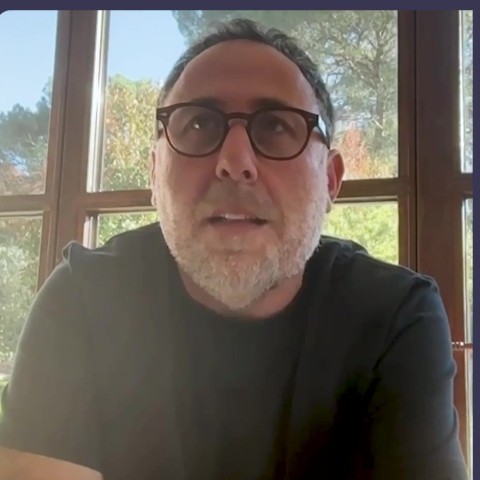 Billy Skelli-CohenCEO
WICHTIGSTE ERKENNTNISSE
Check-ins auf Gäste zuschneiden
Vorgefertigte Check-ins sind überholt; bieten Sie Optionen wie einen Online-Check-in vor der Anreise oder ein entspanntes Zusammensitzen bei einem Getränk, sodass Gäste bestimmen, wie sie empfangen werden möchten, und Mitarbeitende reagieren, den Empfang anpassen und die Anreise im Tempo steuern können.
Ersten Eindruck der Mitarbeitenden priorisieren
Behandeln Sie das Onboarding wie einen ersten Eindruck: Gewinnen Sie Saisonkräfte am ersten Tag für sich, erinnern Sie Mitarbeitende daran, dass sie am wichtigsten sind, danken Sie und geben Sie regelmäßig Feedback und befähigen Sie Abteilungsleiter:innen, Schulungen weiterzugeben.
Für Sinne und Ort gestalten
Bevorzugen Sie schlichtes, sinnesorientiertes Design: Wiederholen Sie eine begrenzte Palette an Materialien, damit Zimmer nicht überreizen, konzentrieren Sie sich darauf, wie Räume sich anfühlen, bewahren Sie die DNA des Objekts durch Zuhören und nutzen Sie lokale Lieferanten, um ein lokales Gefühl zu schaffen.
Ich glaube, das Einzige, worauf wir niemals Kompromisse eingehen werden, ist, eine Umgebung zu schaffen, in der Menschen ihr eigenes Erlebnis gestalten können.
Transkript
Auf eine Zeitmarke klicken, um ab dort zu sehen. Die Aufnahme ist auf Englisch.
00:00Begrüßung und Einführung
2
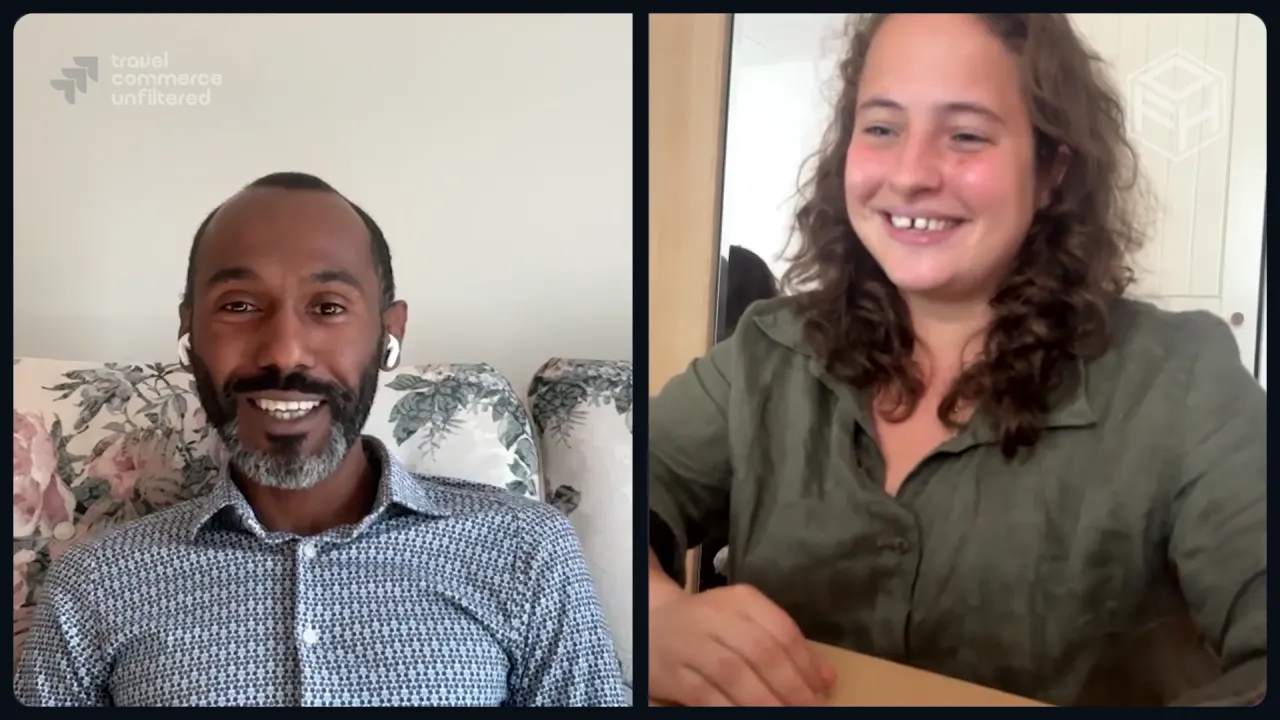
Gabi stellt Billy vor, den CEO von Baumir Hotels, und hebt den Fokus der Marke auf Charakter, ruhiges Design und echten menschlichen Service hervor.
Billy Skelli-CohenWe don't think enough about first impression with our employees. Right? You know, we we have a lot of seasonal hotels. A lot of people are traveling to get to us to work in the season, and the first impression we make with them, you know, is is everything to their behavior and their attitudes. You know? It's our first date with them. Right? And it's important to win them over. So if you want them to smile and you want them to have the right behavior, day one, day two, you gotta get off to a good start with them.
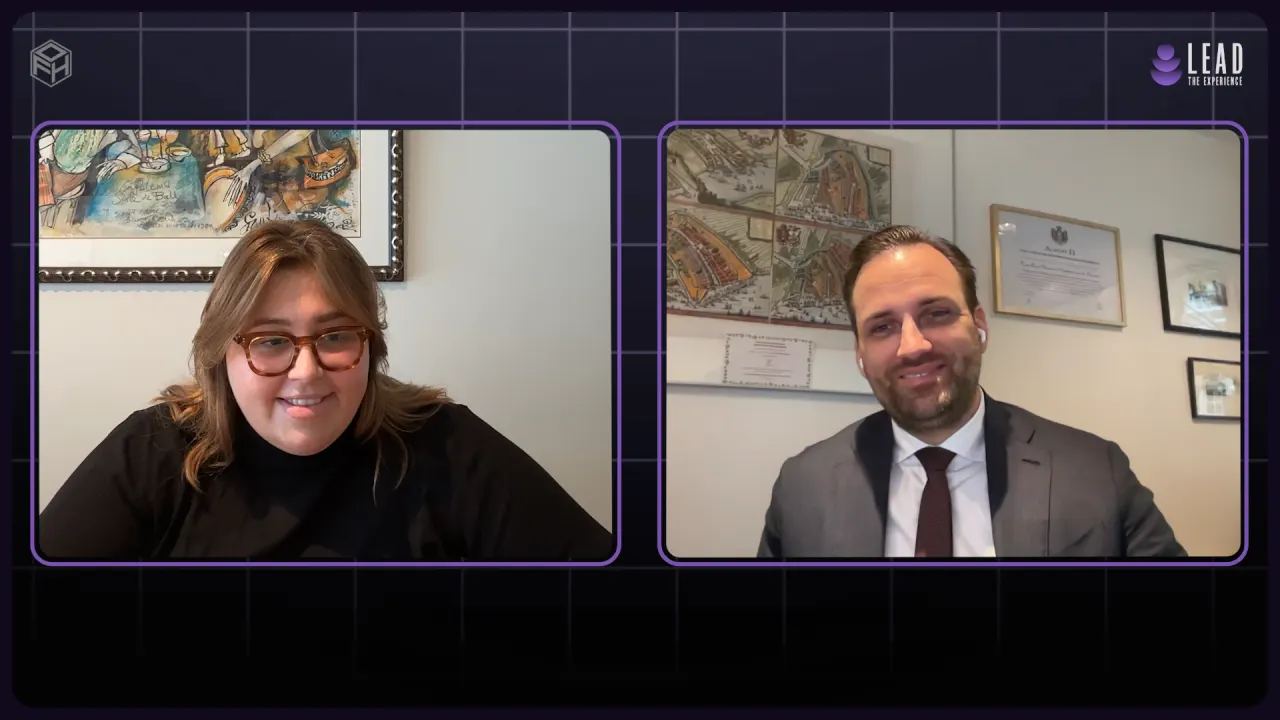
the Future of HospitalityWelcome back to the future of hospitality. I'm your cohost, Gabi. And today, I'm joined by Billy, CEO of Palmier Hotels. Hotels that are known for their character, calm design, and real human service across the Alps, the province, and the Mediterranean. He believes that the best hotels are places where it's easy for employees to smile and guests feel at home. Welcome, Billy.
00:45Personalisiertes Gästeerlebnis
3
Billy spricht darüber, wie man sich von vorgefertigten Check-ins löst, um Gästeerlebnisse individuell zu gestalten, mit Betonung auf Freiheit und Komfort für Gäste.
Billy Skelli-CohenThanks for having me.
the Future of HospitalityYeah. I'm so glad that that you are here because I know you are really, really big on culture and especially also culture for your employees, like empowering them and letting them be their selves. If you could have to kill one script at a check-in tomorrow, for example, what would it be and what would replace it?
Billy Skelli-CohenWell, you you you started with a pretty pet peeve of mine in the hospitality industry. I think scripted check ins are something of the past, and the need to react to a client's need when you first meet and greet them for the first time is just so important. So I'm giving you a very long winded answer to a short question, but I I think it's it's just critical to be able to tailor make experience to what a guest want, whether they wanna do it online before they arrive, which we're implementing in all our hotels, you know, whether they wanna sit down and, you know, have a glass of something and and really get the lowdown of everything they can do around us and and everything in between. Right? And just being able to allow people to to to kinda walk through the door of our establishments with comfort and with their dictating how they want us to to be, you know, assisting them from the time we we spend time with them.
02:00Mitarbeiterkultur und Befähigung
4
Die Bedeutung, Mitarbeitende zu befähigen, sie selbst zu sein, und ein positives Arbeitsumfeld zu schaffen, das sich im Gästeerlebnis widerspiegelt.
the Future of HospitalityYeah. Yeah. I love that because you're, like I said, both big on consumer print, but also, like like, employees. If you like, what is one guest moment in Palmira where you don't refuse to compromise? And what's, like, really important for your guests and you will never compromise on any way or anyhow?
Billy Skelli-CohenYeah. I think the one thing we'll never compromise is is creating an environment where people can create their own experience. Right? The the the and and that takes you know, it it's it sounds easy, but it's not so easy to do. Right? And and what we'll never compromise on is is purposely not provide these prescribed experiences and giving people kind of this, you know, this environment where they can feel comfortable and and decide how they want to interact with our hotels, with our staff, and with our amenities.
the Future of HospitalityYeah. Would you say that, like, the freedom for the guests is, like, really important? Like, how they are are, yeah, in in the hotels, etcetera?
Billy Skelli-CohenYeah. I mean, listen. Clearly, once you decide to to stay at one of our hotels, you're already choosing a certain type of environment that you wanna be part of. But part of that environment is, you know, while we we try to create little moments that are fun and special for our guests and, you know, a lot of things around food and beverage or wellness. At the end of the day, we we really want the guests to feel that freedom to experience the hotel the way they want to and whether they're they're by themselves on, you know, as a couple, as a young family, as a gathering of people celebrating something to just give them, hopefully, a great backdrop to create memorable experiences.
03:30Schnelle Einblicke in die Hotellerie
12
Billy teilt kurze Gedanken zu Reisezielen, Hoteldesign, dezentem Luxus und Ausstattung, mit Betonung auf Schlichtheit und Entspannung.
the Future of HospitalityYeah. I I love that. I think the listeners that are listening right now are also already capturated, like, about the story that you're telling. We often also do, like, a fun break and quick fire where we ask quick questions and then get some quick answers just to get, yeah, you, Billy, yeah. And more. Are you ready for it, for the quick fire? Let's do it. Yeah? Okay. If you need to choose, Alps or Mediterranean?
Billy Skelli-CohenWell, I I just moved next to Aix En Provence, so I could be thirty minutes from the Mediterranean and an hour and a half from the Alps. So I'm I'm not picking. I I wanna be able to do both.
the Future of HospitalityOkay. Okay. What's the most narrated destination in your portfolio right now?
Billy Skelli-CohenWell, I you know, we we just opened recently in Switzerland in which is probably not as well known of a destination as some of others in in our portfolio. And and I have to say the the the nature there is just breathtaking. It's it's absolutely breathtaking. So for anybody who's never been in in Wengen, I I really invite you to come and visit.
the Future of HospitalityYeah. Okay. What's the biggest waste of money in hotel design? I'm curious. Technology in hotel rooms.
Billy Skelli-CohenYou know, it ages very quickly, and nobody wants to learn how to use anything while they stay with you.
the Future of HospitalityTrue. True. And how would you describe understated luxury in one word?
Billy Skelli-CohenThat's a tough one. I'd say just relax. You know? It's just gotta feel natural and relaxed.
the Future of HospitalityRelax. Yeah. Yeah. Or we already had maybe an amenity you can delete tomorrow because it's probably technology in the room. Right?
Billy Skelli-CohenI'm sorry. Repeat what you just said.
the Future of HospitalityAn amenity you can delete tomorrow, but it should be probably the tech.
Billy Skelli-CohenYou know, an amenity in a room. The the one thing that I've and and this is going back to a dear friend of mine, Michael Levy, in the industry who who talk talks about this a lot, but the the chocolate on the pillow is something that I've never quite gotten. And even though that's a pretty tiny amenity, I I just don't get it. Okay. So we no no chocolate setting more and no tech in the room anymore. Well, you can have tech. Just, you know, this idea that you can introduce, like, fancy technology. People want things that are intuitive, easy to use in a hotel. They're they're not looking to learn how to become tech geeks while they're staying with us.
06:00Gästezentriertes Design und authentisches Storytelling
31
Billy erklärt die Balance aus sinnesorientiertem Design, dem Bewahren des Hotelerbes und dem Wahren authentischen Storytellings über die Häuser hinweg.
the Future of HospitalityTrue. That's so true. So for guests and for for the world out there, one word for Vomier's vibe.
Billy Skelli-CohenChill.
the Future of HospitalityChill. So everything everything is just relaxing. You are at home. You're just chilling. And I I think that's also really in what you're saying. You often say, like, we don't need to force our guests, but we need to give more freedom. How would you say the moment your new guest led design works? Like, what clicks for you if you know, like, okay. We want to design a hotel based on, yeah, what the guests also really want?
Billy Skelli-CohenYeah. I mean, I I think what what tends to go wrong in design led hotels is people thinking about how something looks. And how something looks is important and very relevant, but, you know, the eyes is only one sense. Right? And and it's it's how something feel that's important. Right? So it's how it all comes together and and and paying attention to all all the senses to ensure that, again, right, you're just creating an environment that feel aspirational, that just feels good, and that that allows you to hopefully be kind of the best version of yourself or whatever version of yourself you wanna be while traveling.
the Future of HospitalityYeah. Yeah. And how do you because you're saying, okay. There there are multiple senses in in a way. What what how would you describe, like, the art of genuine hospitality, within Palmiera? How how would you describe that?
Billy Skelli-CohenIt it's it's really about creating an environment that feels very natural. It starts with our employees. Right? We want them to be themselves. We want them to be empowered. And and just, you know, being part of something that's not forced, that's not contrived, you know, that that respect and incorporates it in environment. Right? Our hotels are not just our hotels. They're they're they're always part of, you know, beautiful surroundings and and and, again, kind of not trying to compete with that, but trying to kind of blend and allow that to also play a big part of who we are.
the Future of HospitalityMhmm. Yeah. And and I know you're not a really big fan of scripting and everything, but how do you, like, keep the efficiency, but also, like, the freedom that you're telling? Because some things
Billy Skelli-Cohenyeah. Should it be also always that freedom or structure also sometimes important? No. That's a really good question. Right? And we're constantly challenging ourselves on what kind of that right balance is of making sure that people are trained properly and and that there is a certain level of structure to the way that we operate, but yet that it doesn't feel forced and constrained. And it's an art, not a science. We don't always get it right, but we we try our hardest to and something we really think about a lot, right, is always kind of reassessing do we have that balance right in in our hotels.
the Future of HospitalityYeah. Yeah. I love that you're saying it's not a science, but an art. Because the thing that I also really love about the branding in the hotels is that it's simple, but it's luxurious. And I I really liked it. How did you realize that simplicity could also be like a huge advantage in luxury?
Billy Skelli-CohenYeah. I mean, listen. I I don't think that's an original thought. Right? If you look at the world today, everybody is looking to simplify their lives one way or the other. Right? So, you know, that the the we we are so overly stimulated in our lives that, you know, having the privilege to, you know, have hotels, create hotels, reposition hotels in these beautiful environments and not trying too hard and and and letting it be stripped back and simple is is actually not an easy thing to do. Right? It's I I always say in design, it's always harder to take something away than to add one thing.
Billy Skelli-CohenBut it's, at the end of the day, very we believe very in touch with the way people wanna travel and live their lives today.
the Future of HospitalityYeah. Yeah. You you did already, like, a lot of of openings, etcetera. And I'm really curious, like, what was, like, one thing that you kept away from from the design or did, for example, less and that created, like, more magic for the guests? Is there something memorable in in something you took away but created so much space?
Billy Skelli-CohenYeah. I mean, I I think what Baumier has done really well over the years in the development of their properties is that confidence of repetition of materials and not overstimulating by you know, our hotel rooms never have, like, you know, wood, marble, tile, you know, and all these things and 12 colors. You know? And and and and I think over over the years, that's something repeatedly, even though you've asked me to kind of point something out, but I think repeatedly without probably trying too hard and credit, you know, to to many people who have been involved in our project and in kind of having that discipline and confidence of repetition of materials and and and and not doing too much in any given space.
the Future of HospitalityYeah. And then, of course, the design is is is really important. But like I said, I I know you guys are also, like, big on employee branding and the culture within. And I think that's also right. The face of of of of brands is is the people that are working there. What would, like, be the quickest staff experience week that makes it easy for employees to smile, like inserting something in their routine that that makes employees happy to to serve? Because that's, yeah, also really important. Yeah. I mean, I think there there are three components to this. Right? One is you should never lose the opportunity
Billy Skelli-Cohenand take really every poor opportunity to remind our employees that at the end of the day, they're the most important people in all hotels. So that that's one. The the second thing is, you know, first impressions are you know, people talk about first impression with guests. Right? Like, the first question you asked me was about check-in. Right? But we don't think we don't think enough about first impression with our employees. Right? You know, we we have a lot of seasonal hotels. A lot of people are traveling to get to us to work in the season, and the first impression we make with them, you know, is is everything to their behavior and their attitudes. You know? It's our first date with them. Right? And it's important to win them over. So if you want them to smile and you want them to have the right behavior, day one, day two, you gotta get off to a good start with them. And and the last thing is, you know, kind of going full circle back to my first point, right, not only for them to understand that they're the most important people in our in our buildings, but also for them to to feel appreciated and never lose an opportunity to say thank you, to say well done, you know, to to give constructive criticism when it's needed, but but you really have that ongoing communication that, you know, that allows for good, healthy, and thriving relationship.
the Future of HospitalityYeah. I love that. Right? Because if you invest in them, you eventually also invest in experience that our guests are having in that way.
Billy Skelli-CohenHow do you also train them, for example, to ask better questions and and and get more the one on one relationship with the guests? You know, it's actually something we wanna get better at. We're we're we're developing new training programs for when we are taking in kind of the new class of people in our seasonal hotels, even though, obviously, we we we have a lot of employees that that that that that follow us from from one hotel to the other. So we we're developing new modules, both physical and online. We are just realizing how much training is is a pyramid down. So it's not you know, a lot of the time, we think about the the training of of kind of the the the bulk of the employees, but also investing a lot more time in in department heads and empowering them to train their staff more and giving them more time to do that also around the opening of our hotels.
Billy Skelli-CohenSo even though it's something that I think we've done pretty well so far, I think it's something we recognize as a business that we need to do better. So we're we're we're actually putting a lot of time, energy, money, and efforts in with the upcoming season in in bettering ourselves, and and, hopefully, that that will allow our staff to feel that much well received, that much more prepared preopening and and thrive and have that much of a better time working the season with us.
the Future of HospitalityYeah. So we already have, like, two of the three components that I think are really well done by Premier because we have the guest experience, like like, the relaxed, the the luxury, but simple. We have the the employees. But one thing that I also really, really love is, like, the sense of place that you're creating with the heritage of of often different places. How do you balance like the the soul, the history for with the modern and classic when you open new hotels or yeah.
Billy Skelli-CohenYeah. I mean, I think the the the first thing you have to do is is ensure you let let me just backtrack a second. Every property that we've purchased through the the life cycle of Baumier has had a lot of DNA, a lot of character, a lot of soul, and a lot of history. The first thing we need to do is hang on to that very tightly. Right? You know, they're they're we're we're we're writing the next chapter of these hotels. Right? So there there's been chapters before us. So holding on really tight to, you know, the the the the the history of the surroundings and the history of those buildings and what was there once upon a time, I think, is very important.
Billy Skelli-CohenI think once you do that well, writing that next chapter becomes easier. And, you know, it's a it's a gift to be able to work on hotels in such incredible surroundings, right? The storytelling just writes itself, right? And and it's so, you know, if if we're allowed to curse a little, would say our biggest job is to not fuck it up. Know, once we we get our hands on these beautiful hotels.
the Future of HospitalityYeah. Yeah. I love that. Yeah. You can you can curse if you want. Because I'm also, like, really curious when when you're, yeah, looking at those hotels, how do you know it's authentic enough that that those chapters before are authentic and and let you guys know, okay, if we give the Baumier vibe on it, sample on it, it will be, yeah, the next chapter.
Billy Skelli-CohenHow do you feel that feeling? Yeah. The you know, the word authentic is one that I struggle with a little bit in our space. I feel like so many people have said, this is authentic, authentic. You know, the word unique and authentic are used and overused in our industry. You know, listen. Storytelling is storytelling. Right? It's it's it's luckily, we we are in in in areas of the world and with properties that have such strong DNA again that we do know that it is authentic, to use your word. But, you know, it's it's about not taking these you know, you wanna hold true to these stories, but it's the lore of what was there before and what will be there after us. And, you know, sometimes it's a little bit embellished. Sometimes it takes a little bit of a left or right turn. That's that's perfectly okay as well. That's part of the charm of of of getting to work on hotels that that get to tell such beautiful stories around them.
the Future of HospitalityYeah. Yeah. I love that you're you're big on storytelling, and it is important. But how do you get it consistent across, like, when you open, when it's low season, but also when it's peak season? How do you keep that storytelling consistent to your guests? And Yeah. I mean, so let let me just say that the the start of good storytelling is working with very talented people with you, and and and Baumier has has
Billy Skelli-Cohenluckily surrounded themselves by extraordinary talent that have helped us kind of develop these these stories at these hotels. You know, as far as how they live in our hotels, again, I kind of go back to what we were talking about. It's it's kind of that finding that right balance before between telling the stories and just let the lore of their stories just be part of who we are. You know? We we stop being ourselves as as soon as people walk through the door, we just tell them every story that that has happened in the buildings and the surroundings. Right? It's kind of counter to what we've been talking about for the last fifteen, twenty minutes. But it equally is fun once in a while to tell something cool about the building or the surroundings. Right? And and it's about first making sure that that knowledge gets gets passed on and translated to our to our staff and our ecosystem.
Billy Skelli-CohenAnd, again, finding that right balance between these stories, just living within the walls of the buildings and and being told whether it's it's through the digital world or the physical world with our staff.
the Future of HospitalityYeah. No. And I'm curious because we're talking about it. Right? But it would be also interesting to see how you did it more practical, for example, with the hotel in Wenger. How how did you get preserved the history when you were opening that, but also reduce, like, operational friction?
Billy Skelli-CohenI I don't I'm not sure what I I understand what you mean by operational friction.
the Future of HospitalitySo so it is quite like, how do you keep it simple but luxurious? Like, we tell talked about, like, I'm curious how you did it particularly, for example, for for this hotel.
Billy Skelli-CohenYeah. I mean, listen, Vangam is a is is a destination that's over a 100 years old. And, you know, the ski shop that we use, for example, for all our guests, right, it's it they're the fourth generation in the ski shop. Right? And and there's a lot of stories like this. Right? So yeah. So how do the young new brand from France go to Switzerland and make sure that, you know, we're we're paying homage and being respectful to the environment and that it leads that it lives very well in kind of the opening. You know, first of all, you you you do it by doing a lot of listening at the start and doing a lot of learning about the destination. That that's where it all starts.
Billy Skelli-CohenThen, you know, you make sure that when you're repositioning the property that you are, again, taking that DNA that sold the stories with you. And then, you know, going now to your question, once you have the hotel open, you know, you you you just gotta do what it takes to make sure that that stays alive in the hotel and that you're also, while that stays alive, not afraid of writing also news stories as part of the property. You know, it it's not that hard. You know? It's it's not easy. You know? But but part of the key is to not try too hard. Right? It's and and, actually, not to try too hard, you have to work incredibly hard.
22:00Gemeinschaft, Führung und Zukunftsvision
16
Billy spricht über den Aufbau von Gemeinschaft, das Verbundenbleiben mit Hotels und Mitarbeitenden und blickt auf eine Zukunft, in der Technologie und der menschliche Faktor in der Gastfreundschaft koexistieren.
Billy Skelli-CohenRight? Because that's where the confidence comes in. That's where the training comes in. That's where, you know, having the confidence to, you know, share what feels you need to be shared, and and, again, let some of those stories live through the walls of the hotel.
the Future of HospitalityYeah. I love that. I really love that. And to be honest, like, really personal. When I look at your brand and I look at those hotels, I'm like, oh, I want to be a part of that. It's so you feel the freedom, you feel the storytelling. Even though even even if you're not in the destination, you feel it breathing from through the website to to everything. Is community also something that's big for you? Like, having kind of your guests feel part of of of being a community?
Billy Skelli-CohenYeah. I mean, listen. We you can't do what we do without creating a community at every hotel. Right? And we work with as many local suppliers as we can, especially through our food and beverage. We hire as local as we can even though that's that's not always as easy as we would like it to be given the the lack of population around some of our hotels. And, you know, the the people that work with us in developing those stories and developing these hotels, we tend to repeat and keep working with them so they're part of what we call our collective, right, and our community. And and, you know, none none of what we do is possible without that.
Billy Skelli-CohenSo, you know, our community has no boundaries. Right? But it involves you know, it starts with Bombay employees, but then it goes with, you know, the consultant, the designers, the creatives that are around us. It goes to the local community that we try you know, the the the biggest compliment is for the local community to endorse us and to be proud of what we've created, and we work incredibly hard to earn that respect whenever we go into a new market.
the Future of HospitalityYeah. I love that. I I I really think that that's, yeah, also the way to go in in that sense. I'm I'm also curious because I know you are often on on the property, like you spend time in the hotels. Where why do you do that? I'm I'm curious about why dropping in.
Billy Skelli-CohenYou know, first of all, selfishly because I love it. You know, the the energy in our hotels, I just feed off of it, and it just inspires me to see our hotels in action, even when our hotels are not open, there's a different type of action in typically making them a little bit better and so forth. Right? I just you know, for me, it's it's where all my creative energy comes from. It's where all my inspiration is being surrounded by the people that are making it happen in our hotels. You know, after that, I feel to to contribute successfully in my role in the business that you stay as close to the business as possible is the best way I can get really good feedback, the the best way I can interact with as many people as possible in the business, and therefore, you know, allow me to make sure that we're focusing on the right things and and, you know, allowing it to drive some of the strategic vision of the group.
Billy Skelli-CohenSo it's I wouldn't know any other way.
the Future of HospitalityYeah. Yeah. I I love that because eventually, it comes back to that internal employee branding. Right? So being there, showing them that they're they are empowered, that they can be themselves, and then that's the foundation of of of bringing that great experience, that great guest experience from the ground or from the employees sees up, if if I'm hearing correctly. Yeah. I just I just need to make sure I don't over
Billy Skelli-Cohenoverstay my welcome. So I try not to stay in our hotels for too long. People need to understand our our general managers. They're the people in charge of our hotels. And and while everybody typically welcomes me with open arms, and, again, I just so so fun and exciting to to to be in our hotels at any given time. I know that there are time for me to leave and, you know, let them get on without me at property level as well.
the Future of HospitalityYeah. On our side, it's also really cool, like you said, to see the hotels in in real life action and then stay there. But, yeah, you also need to let them do their work. So we are called, of course, the future of hospitality, and that always brings us to the last question being about the future. And I know or I'm I'm hearing that you really see, like, the that the future of hospitality will be people powered, so by the employees, but also about the guests. And what are like, in five years, what will be, like, the most human moments of guest stay? Will that be everything?
the Future of HospitalityOr yeah. How do you see that?
Billy Skelli-CohenYeah. I mean, it's interesting. Right? Our our our business, just like many other industries, right, is is kind of is at in this intersection of how do you keep human contact and how do you introduce more technology to be more efficient in your hotels. Right? And, you know, AI is the biggest topic on the planet right now, but, you know, but even new kind of software that that's being developed for the hotel space. You know, where where do I see the crystal ball in five years? You know, I I again, I'm gonna give you along with an answer, but for me, first of all, I see a very bright future for our industry.
Billy Skelli-CohenRight? If you ask every single person, the number one thing they wanna do with disposable income is travel. Right? So I'm incredibly bullish for industry and our space moving forward because at the end of the day, people wanna travel. They wanna discover the world. They wanna feel connected to nature and and and and discover these amazing cities around the world, and and the only way to do that is to travel. You know, in in five years' time, I think technology will play a bigger part in our industry, but equally, I think people will also play a bigger part in our industry.
the Future of HospitalityYeah. I love that. So okay. That that's a new one that I heard, but I I love that answer because people are important, which I really learned also from this conversation, not only your guests, but also your employees. They are, like, the fundament of of having that good storytelling. Billy, I really want to thank you for your time and and and showing us us, yeah, how you can really make luxury simple, but also focus on your employees and provide them great,
Billy Skelli-Cohengreat experience for your guests. So thank so thank you so much for your time. Oh, thank you. Thanks for having me, and thanks for your great question and your time, and appreciate it.
the Future of HospitalityThank you. And for the listeners, I want to invite you to follow us on LinkedIn, on Spotify, YouTube, and like and subscribe, and I will see you to the next one.